The Factors That Revolutionized the Protein Industry (Which Protein Products Are Growing)
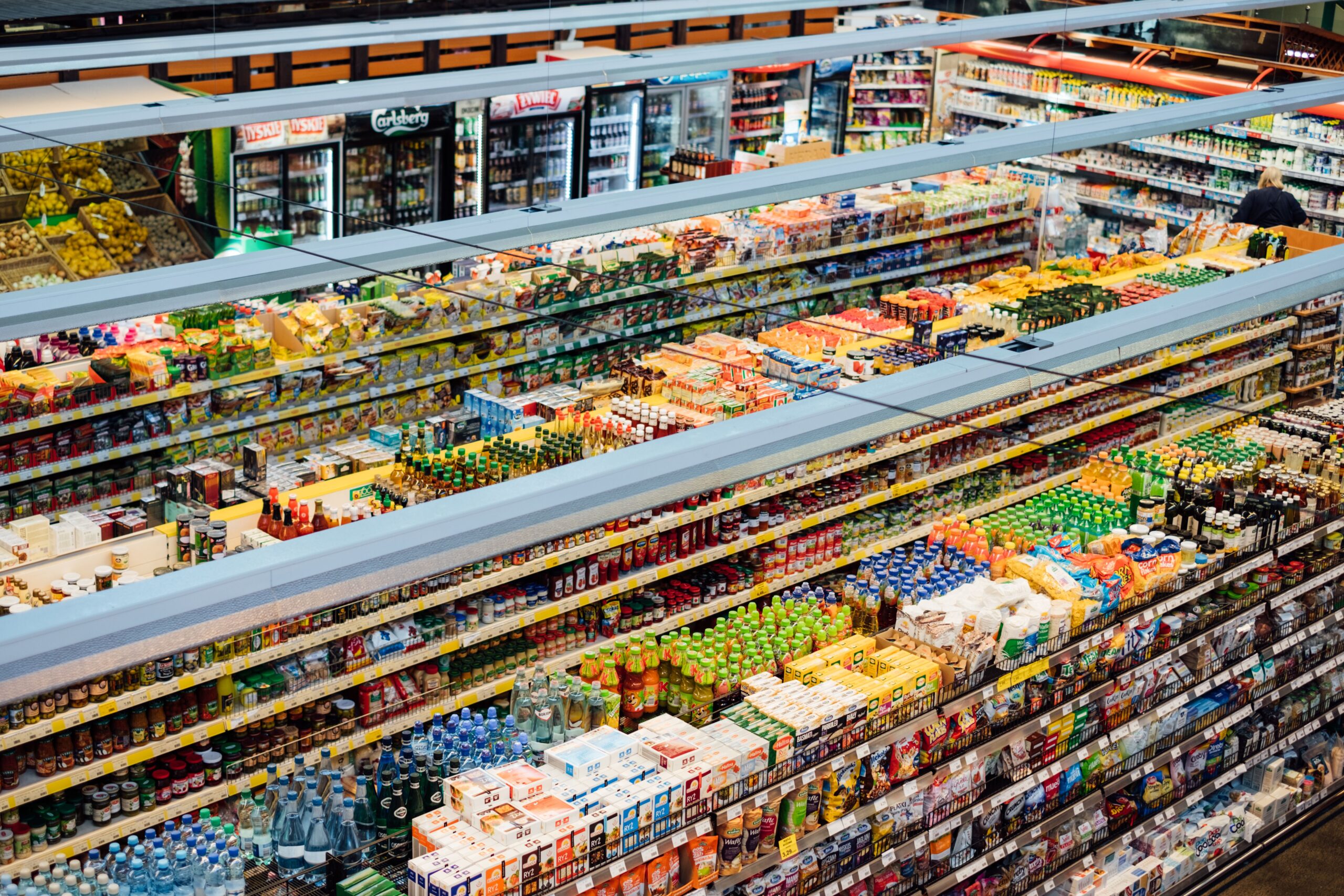
The average US supermarket now carries 38,708 products with a protein claim on the pack. That is the NielsenIQ figure in an Associated Press report from June 2026. In the 2026 IFIC Food & Health Survey, 70% of Americans said they actively try to include protein in their diet. That figure was 59% in 2022. Behind this protein boom there are several causes at once, and they don't all carry the same weight.
The food industry points to media attention, weight loss drugs and fitness
The International Food Information Council (IFIC) runs the survey above. In 2025 it named the causes it sees behind the protein boom. Those are media attention and interest in GLP-1 medications, weight management, fitness, energy and healthy aging.
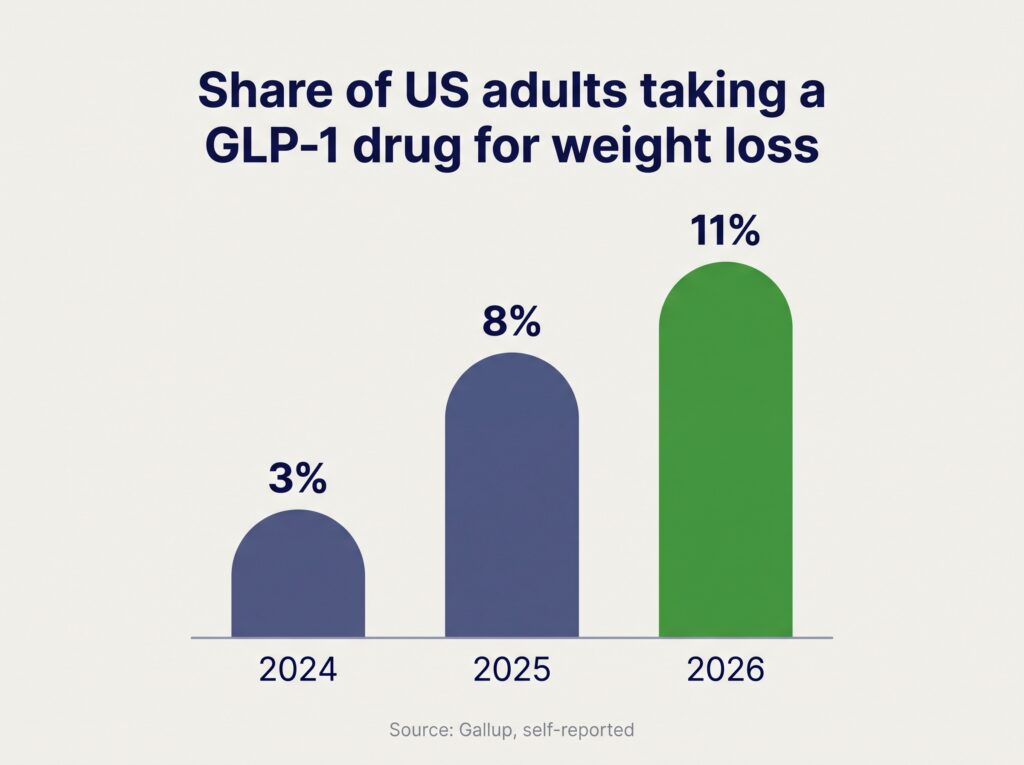
GLP-1 medications are weight loss drugs. A Gallup survey of 5,065 US adults in May and June 2026 found that 11% take one now for weight loss. That is up from 3% in 2024. People reported these numbers themselves.
In IFIC's 2025 survey, 35% of people said they had raised their protein intake over the last year. Around 80% said they didn't know or weren't sure how much protein they need each day. IFIC's explanation is its own reading of the survey. The sources we found don't measure how much each cause adds to the boom.
Protein supports muscle, and the evidence is strongest for older adults and people losing weight
NutritionInsight reported in June 2026 on a review by more than 20 researchers in Critical Reviews in Food Science and Nutrition. They concluded that older adults likely need 1.2 to 1.6 grams of protein per kilogram of body weight per day, or more. The US National Pork Board paid for the work, so read the conclusions with that in mind.
The group found no kidney harm in healthy adults eating up to 1.5 g/kg/day. It also said steady protein intake matters during weight loss. The group said the evidence doesn't firmly show protein to be more filling than other nutrients. It also said data on children, teenagers and people using GLP-1 drugs are thin.
Companies have been quick to use the muscle message. A 2025 study in the journal Nutrients looked at 102 protein supplements sold in the EU. 99 carried a claim about increasing muscle mass and 79 a claim about preserving it, while 31 mentioned bones. 43.8% of the products had claims that the European Food Safety Authority hasn't authorised.
Social media made protein a number that people count and share
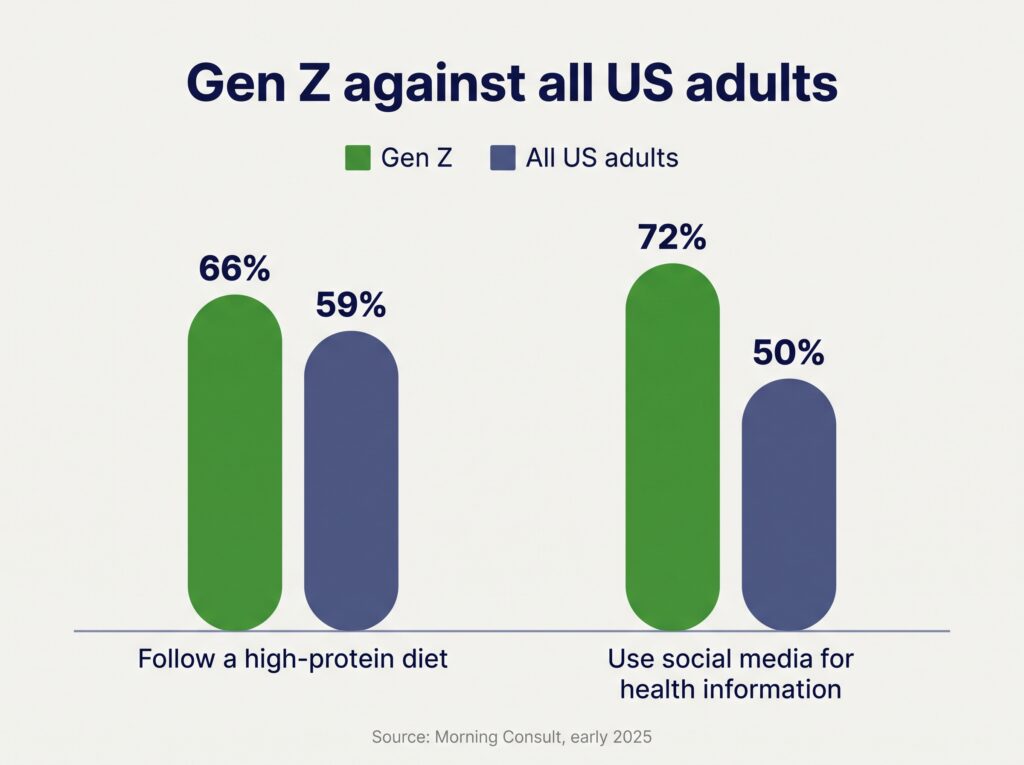
A Morning Consult survey of 2,201 US adults in early 2025 found that 66% of Gen Z follow a high-protein diet. The figure for all US adults was 59%. It also found that 72% of Gen Z use social media for health information, against 50% of all adults. YPulse reported that "high protein" is the number 1 grocery label that makes 13 to 39 year olds more likely to buy. Spate found that searches for "high protein" rose by more than 40% on Google and TikTok between 2024 and 2025.
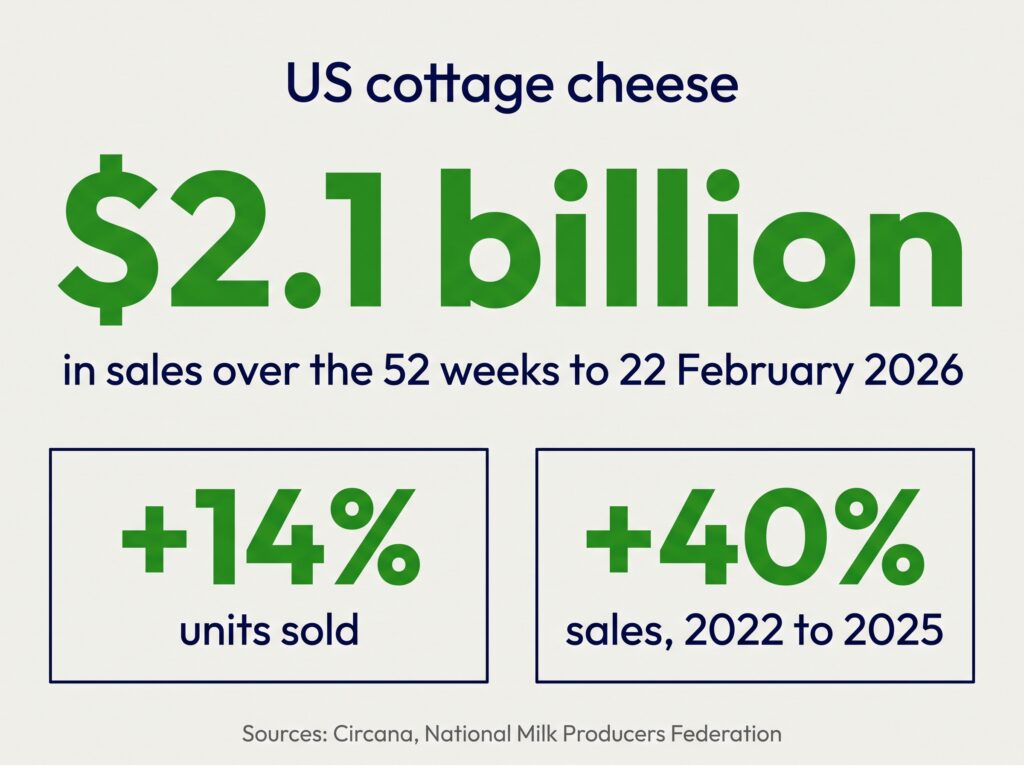
Cottage cheese shows how far this can go. Circana data in a May 2026 report put US cottage cheese sales at nearly $2.1 billion in the 52 weeks to 22 February. Units rose 14% to 635 million. The National Milk Producers Federation says sales rose 40% between 2022 and 2025. Aerica Bjurstrom, an educator at UW-Madison Extension, said "I think a lot of this boom in cottage cheese is coming from social media."
Muscle and aging point at the same nutrient
Sarcopenia is the loss of muscle mass and strength that comes with age. Australian guidelines from 2022 say it affects almost 1 in 3 older people. The guidelines suggest 1 to 1.5 g/kg/day of protein for older adults with sarcopenia, except those with very low kidney function. They also recommend resistance exercise, because protein and energy may only help alongside it.
In January 2026 the new US dietary guidelines raised the protein range to 1.2 to 1.6 g/kg/day, up from 0.8. The Associated Press cited a scientific review on this. It said the old figure aimed to prevent a deficiency. It added that the figure doesn't cover what people need to keep their muscle in good shape. Researcher Stuart Phillips told Harvest Public Media the old guidelines were too low. He said the new ones may overcorrect.
Morning Consult also noted that muscle loss among people on GLP-1 drugs pushes them toward protein.
Food companies found protein easy to add to processed foods
Mintel data in The New York Times in July 2025 show that products with high-protein claims quadrupled between 2013 and 2024. Innova Market Insights counted average yearly growth of 6% in launches with protein ingredients or claims between April 2021 and March 2026. Cereal, dairy and meat substitutes were the top subcategories. Milk protein, pea protein and soy protein isolate were the top ingredients.
Bars show how companies push the numbers up. The category-leading Quest bar has 21 g of protein and 180 calories. The David bar has 28 g and 150 calories. A CoBank study found a 12% price premium for products with a protein claim, which gives companies a reason to add it.
This has a catch for people who also worry about processed food. The New Consumer and Coefficient Capital surveyed 3,000 Americans and found that 38% name processed or ultra-processed foods as their biggest food-related health concern. At the same time, 29% want to increase protein. FoodNavigator reported that many high-protein cookies, brownies, cereals and shakes are ultra-processed. That means companies make them largely from industrial ingredients and additives.
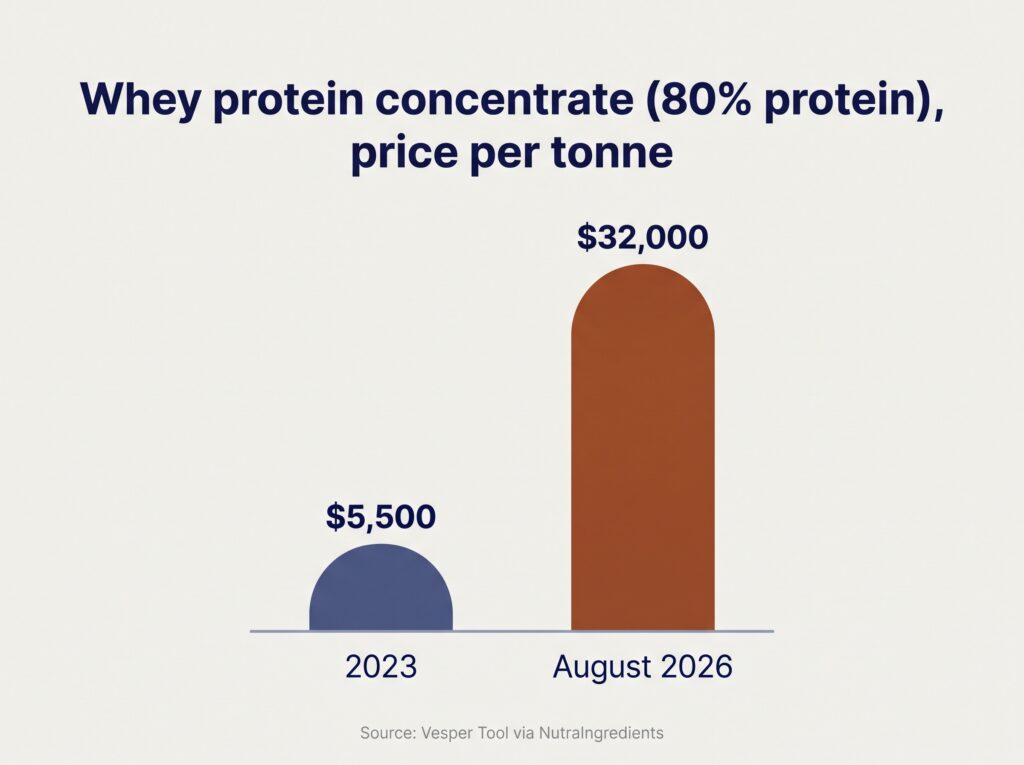
Whey is the liquid left over when milk turns into cheese, and it sits behind a lot of these products. Its price shows the pressure. In June 2026 Ever.Ag put whey protein concentrate with 80% protein at more than $13 a pound, up 250% from a year earlier. Ever.Ag's Kathleen Wolfley said "Demand is very firm and seemingly outpacing supply for right now." By August 2026 NutraIngredients quoted Vesper Tool at $14.50 a pound. That equals $32,000 a tonne, against $5,500 in 2023. Whey prices move quickly, so these figures may have changed since.
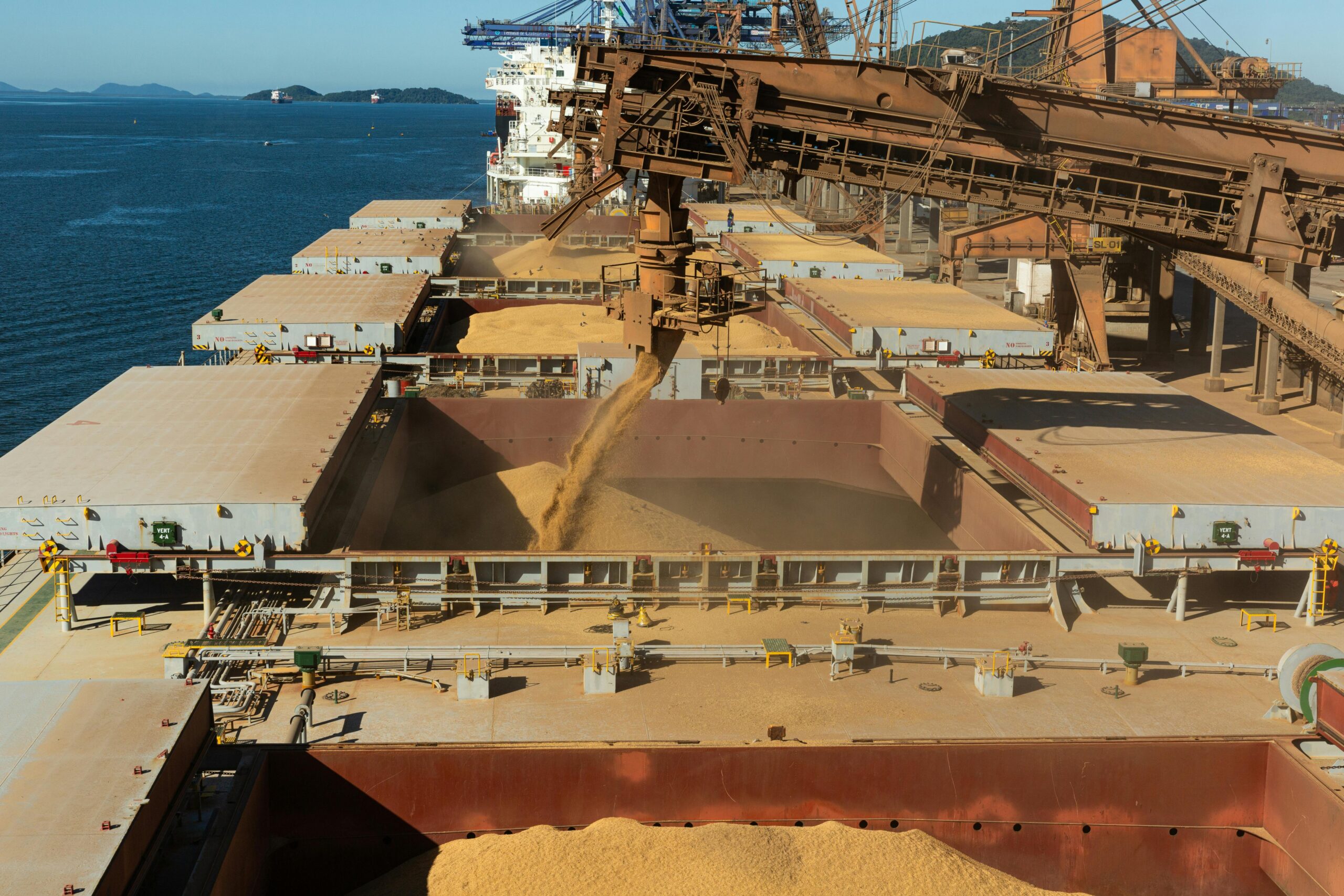
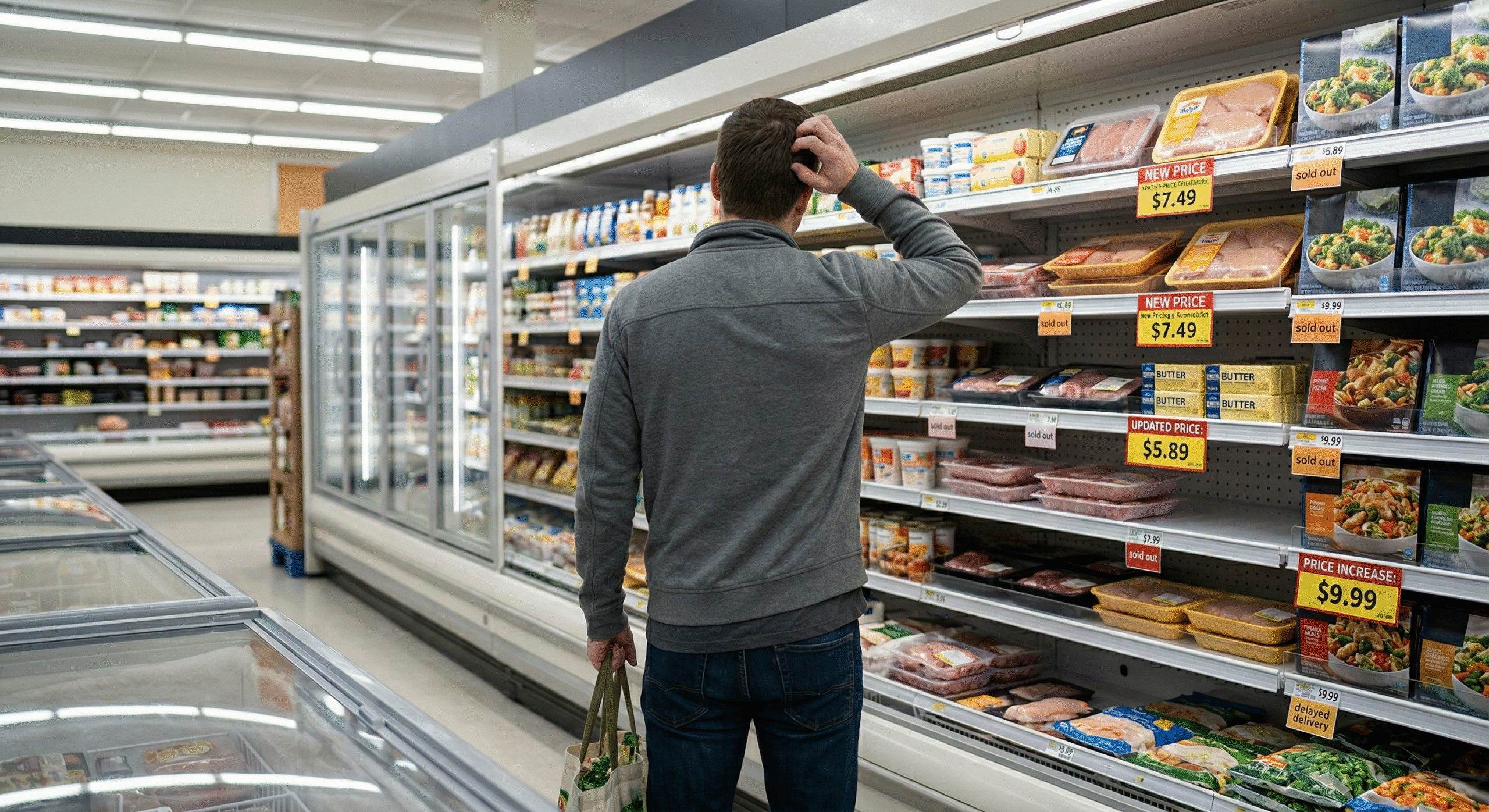
Buyers purchase ingredients like this long before anyone sees a shake or a bar on a shelf. At ASAFI we focus on those early stages, buying directly from origins and working with farmers, with no middlemen in between. Danone has made selective price increases. BellRing has announced a double-digit price increase on Premier Protein shakes from its next fiscal year.
Shakes and dairy are where the protein boom is easiest to see
Beverage Digest valued the US protein shake category at $6 billion in 2024. Fairlife Core Power led its growth in the first 9 months of that year, with dollar sales up 39% and volume up 29%. BellRing, which makes Premier Protein, reported net sales of $570.4 million for its latest quarter, up 4%. It said ready-to-drink shakes are among the fastest growing categories in packaged goods.
Danone said in August 2026 that its high-protein range is growing by double digits in all regions. Its chief executive named skyr, a thick strained yogurt, and kefir, a fermented milk drink, as strong sellers in Europe. IndexBox looked at Amazon US listings for the search term "whey protein". Optimum Nutrition had a 22% share and the top 10 brands had around 80%. That covers Amazon listings only, so it doesn't describe the whole whey market.
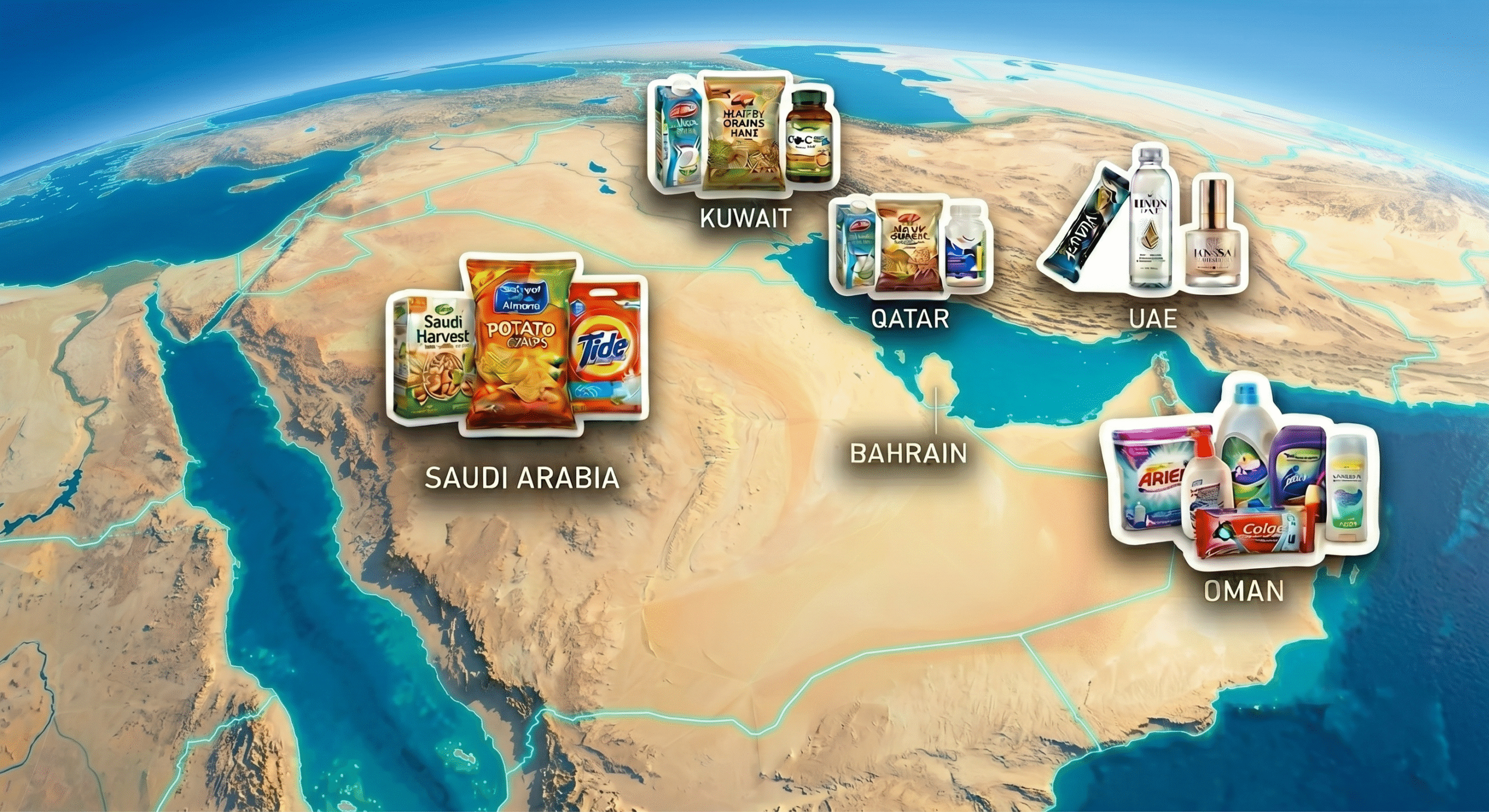
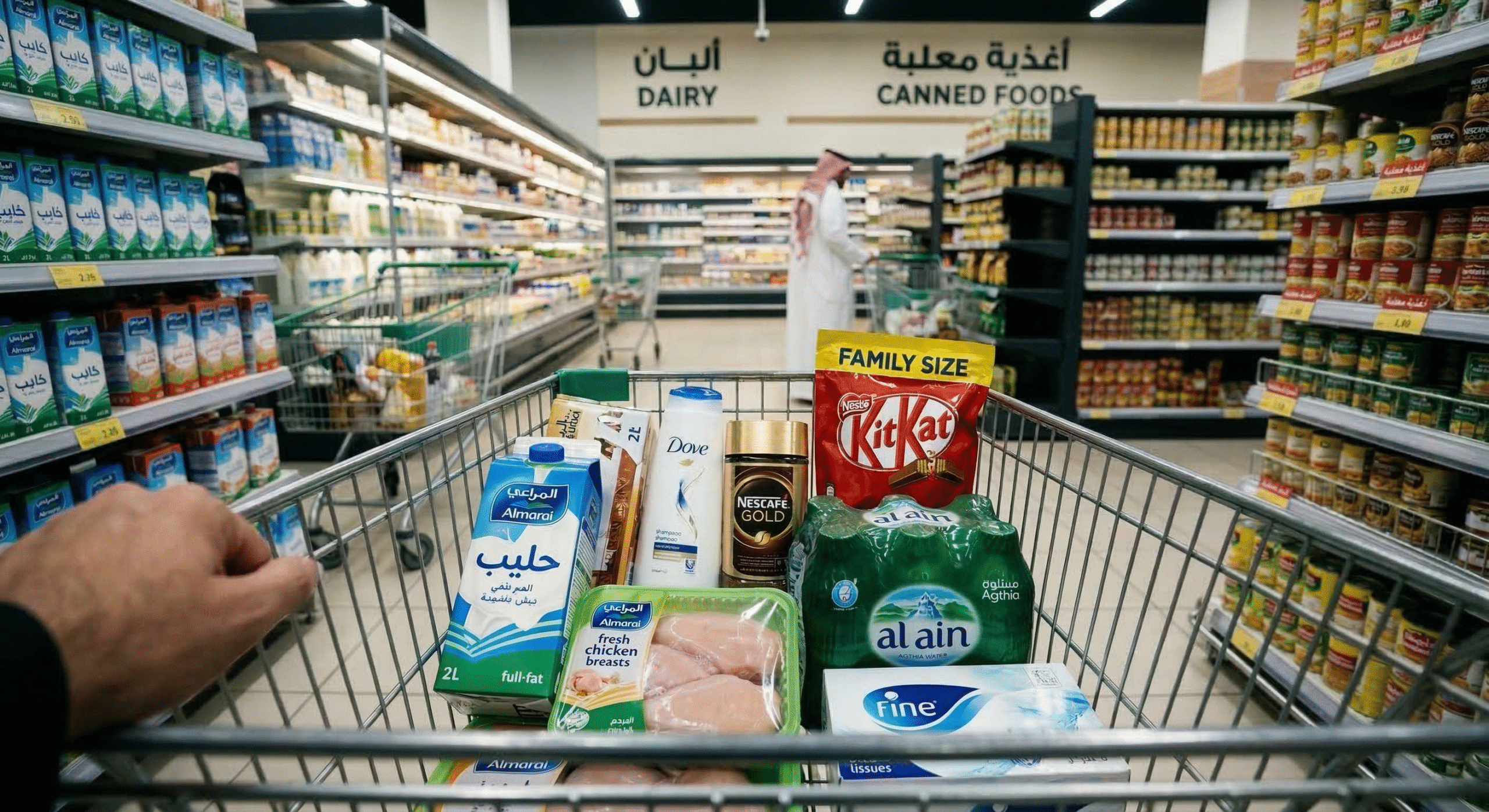
We couldn't find independent sales data for the Gulf, so this part comes from company statements and trade press. Arla launched Arla Protein in the UAE in July 2025, with a pot that has 20 g of protein. Arla's own campaign write-up says its Protein Puddings sold out in Saudi Arabia within days and drew 3.8 million TikTok views. Mazen Al Refae, chief executive of Emirates Rawabi Group, told FoodNavigator that high-protein products are set to take off in the Middle East. The same report lists an Al Rawabi lactose-reduced high-protein Greek yoghurt with 13 g of protein per serving.
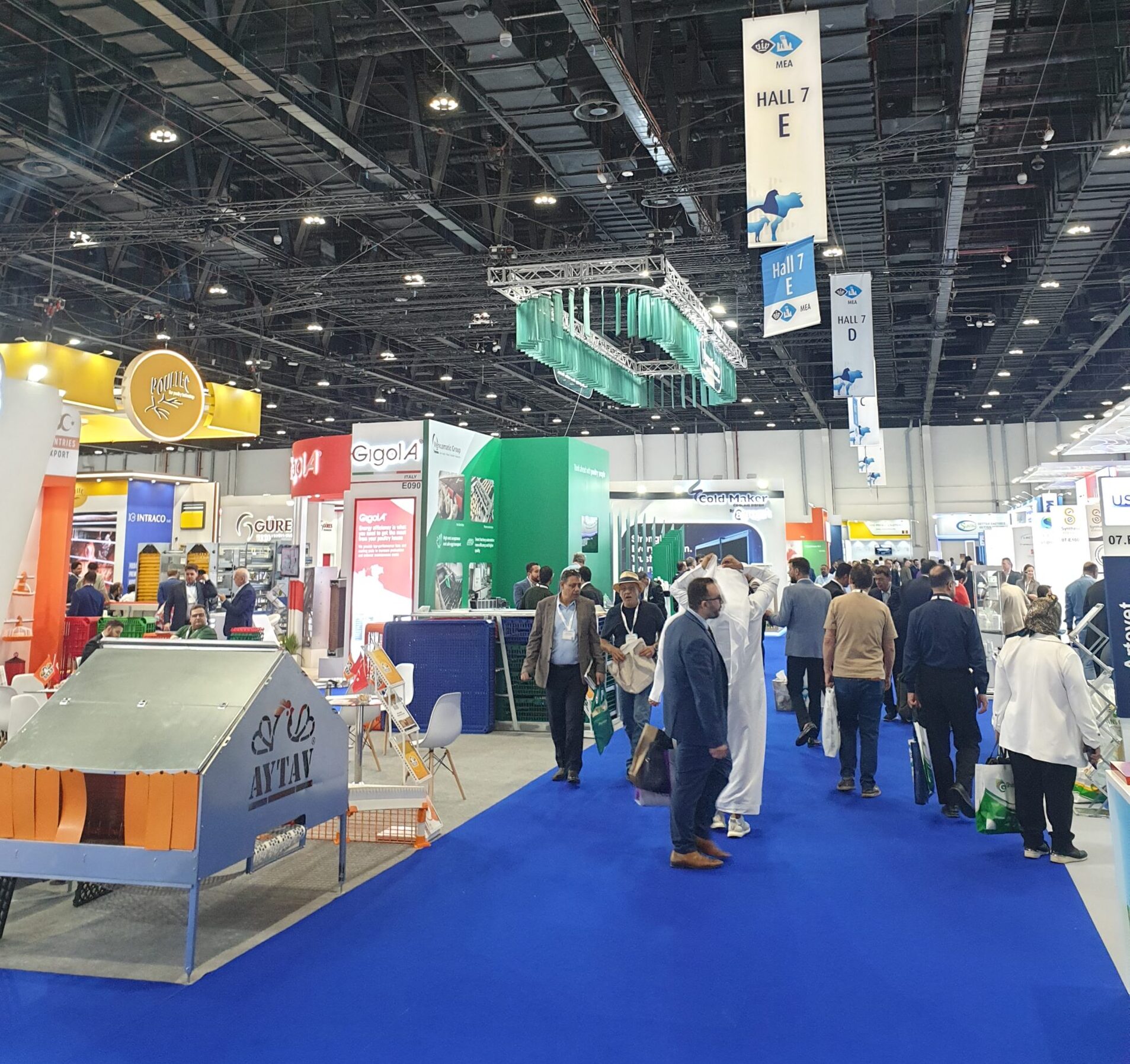
At Gulfood 2026 The National found protein snacks from Protein Ball Co and Inzi Eats. An expert it quoted said the protein boom is here to stay. At ASAFI we supply commodities globally. For a supplier in this region, these launches are worth following because they show where retail demand is heading.
Experts say many people already eat enough, and label rules leave room
Dr. Dariush Mozaffarian of Tufts University told the Associated Press, "If you're actively building muscle with strength or resistance training, more protein can help. Otherwise, you're getting enough." Christopher Gardner of Stanford University told Harvest Public Media that protein has never been on the list of nutrients Americans fall short on. That list includes calcium, potassium, fiber and vitamin D.
On labels, EU rules let a food say "source of protein" when protein supplies at least 12% of its energy. It can say "high protein" when protein supplies at least 20%. Both thresholds look at the share of the food's energy that comes from protein.