The biggest challenges and opportunities for FMCG brands going into 2027
Half of 2026 is gone. Whatever you planned in January has already met reality, and the plan you write for next year matters more than the one you are running now.
So here is what the data says about 2027. What gets harder, where the money actually is, and what to do about both.
The Challenges
Growth goes back to normal, and normal is slow
The easy years are finished. US retail food and beverage grew 2.2% in the first half of 2026, and Circana expects growth to settle into a 2% to 3% range in 2027, close to pre pandemic averages. That follows a stretch of nearly 7% CAGR between 2019 and 2024 driven by the pandemic and the inflation that came after it.
And almost none of the growth is volume. Volume was flat through the first half of 2026 and Circana expects it to stay flat, while price and mix carried 2.3% of the gain. So if your 2027 plan assumes people buy more units, check that assumption first.
The shopper is not just spending less, they are buying smarter
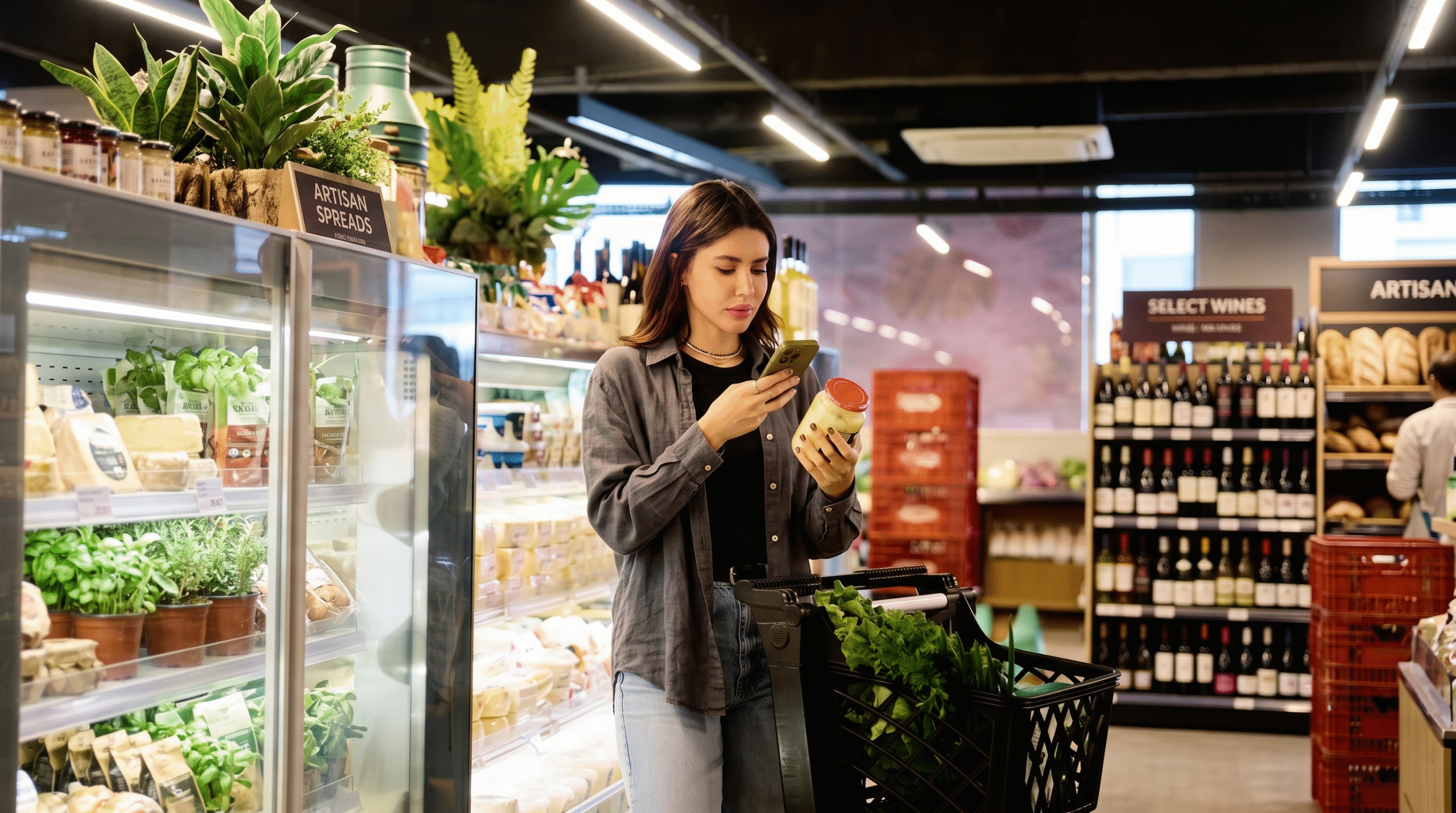
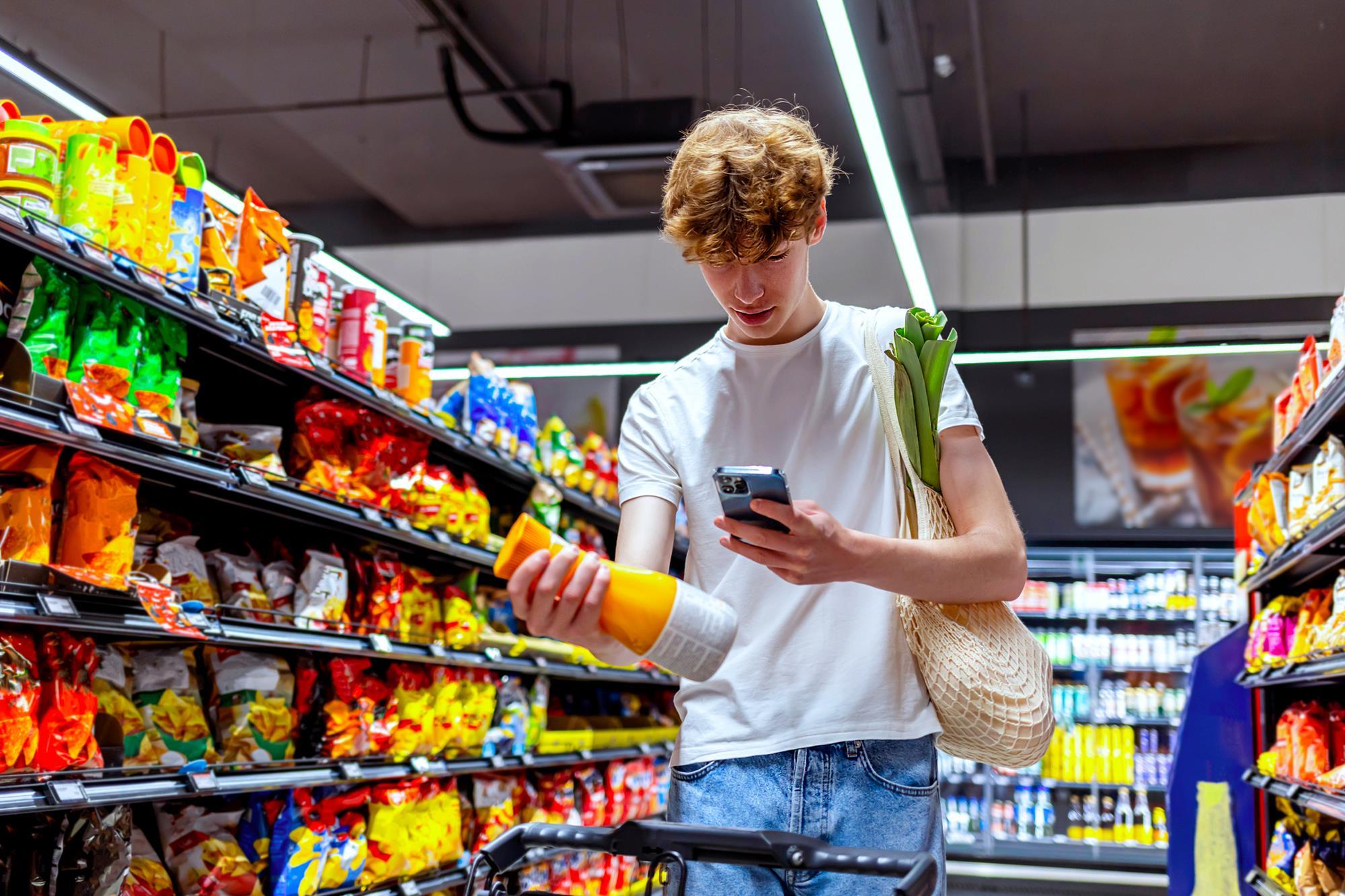
This is the part most teams get wrong. Circana calls it a period of rationalization, driven by pressured wallets, balanced living, and growing algorithmic influence on what people find and buy.
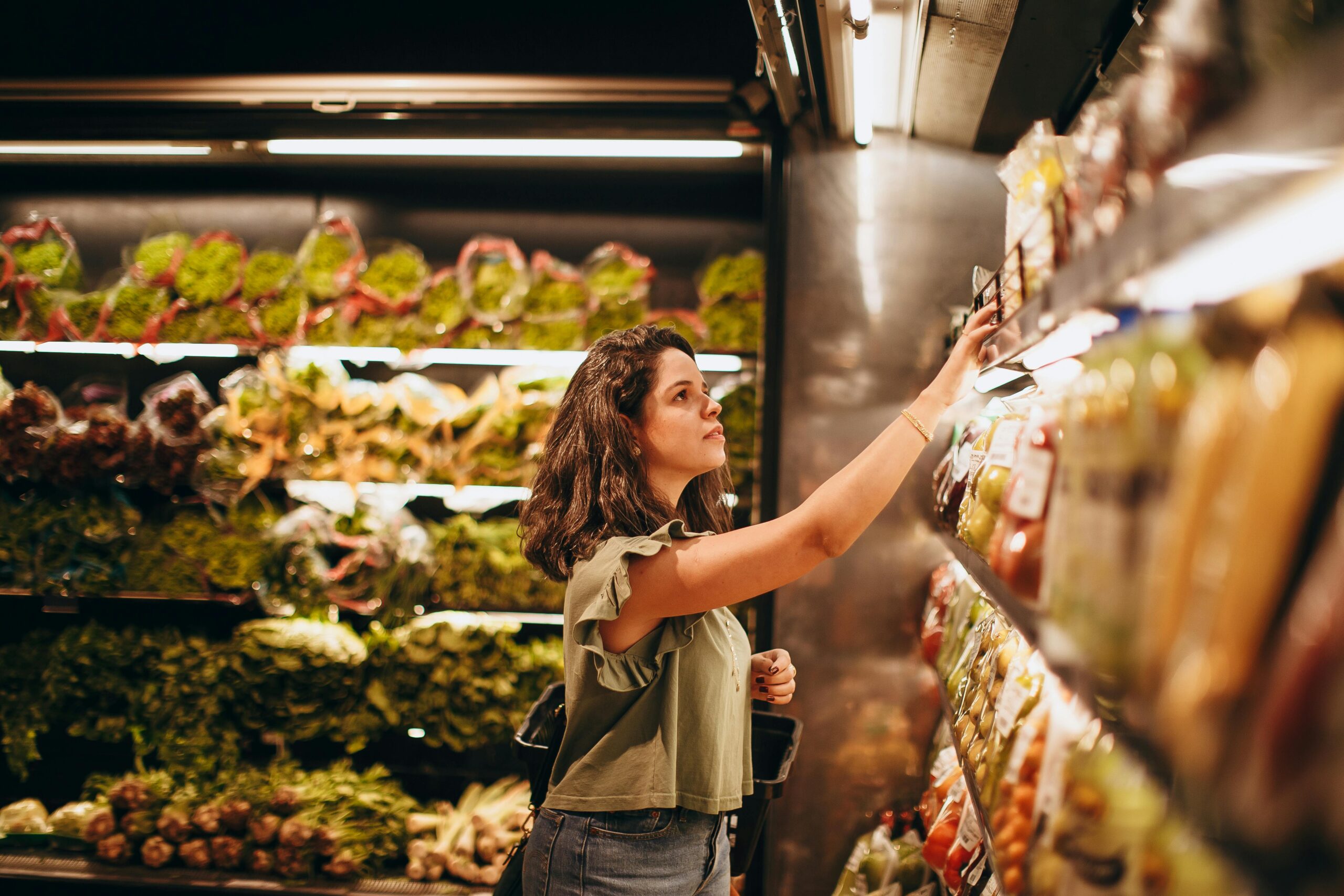
Sally Lyons Wyatt puts it plainly, that consumers are no longer simply trading down or cutting back, they are becoming more intentional and efficient through pack size choices, private label, AI assisted shopping and less waste. So the shopper who leaves your brand next year will not do it because they got poorer. They will do it because they worked out they did not need you.
Pricing has stopped working as a lever
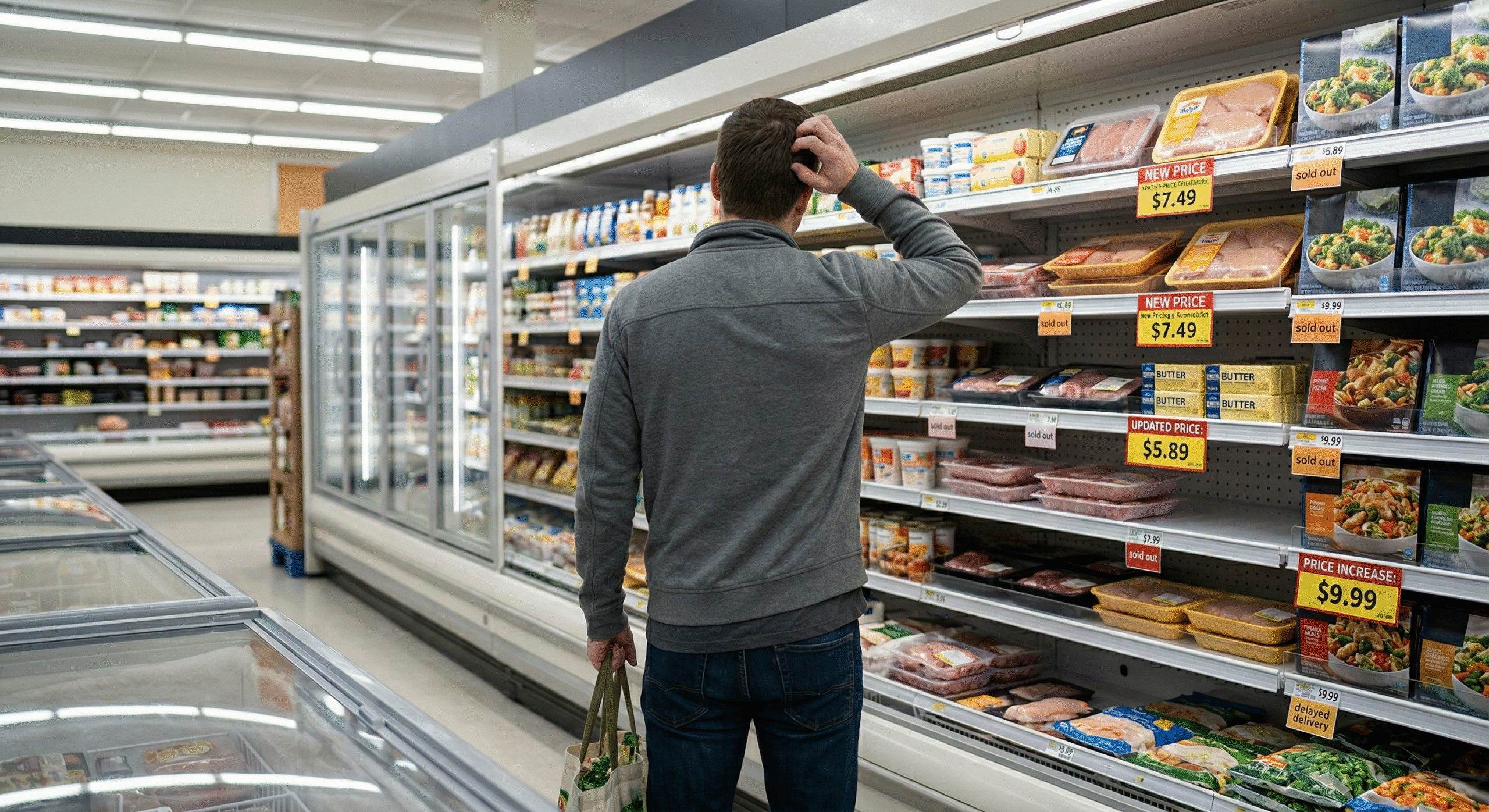
Value first shopping has gone mainstream across income levels, and pricing, the main margin tool of recent years, no longer works. You can no longer count on shoppers to absorb cost increases passed up the chain.
Europe is the exception, and not a comfortable one. Circana expects high and rising inflation to lift European food and beverage value growth to 4% or more for 2026, which pushes shoppers toward smaller packs and lower price points. So you get value growth and unit growth while volume stays stuck.
Your retailer competes with you and sees more than you do
Retailers hold real time purchase data for every category they stock. They use it to find where your product is overpriced against its quality, where a store brand line will land, and where to put the promo money. You negotiate half blind and they do not.
And this is structural now. Retailer brands lead innovation in some categories, and private label keeps gaining ground in snacks, dairy and frozen meals. Circana expects private label unit share to keep growing into 2027, at a steadier pace than the last two years.
The middle of your portfolio is the part at risk
Value added and premium categories are outperforming volume driven portfolios, and margin discipline, brand differentiation and innovation speed now matter more than scale. Mainstream SKUs lose velocity quietly, and by the time slow sales trigger a review, private label has taken share that is hard to win back.
Ask one question about every product you own. Could a shopper say in a sentence why it exists? If not, the buyer will delist it before you fix it.
Traceability paperwork lands on you at the end of 2026
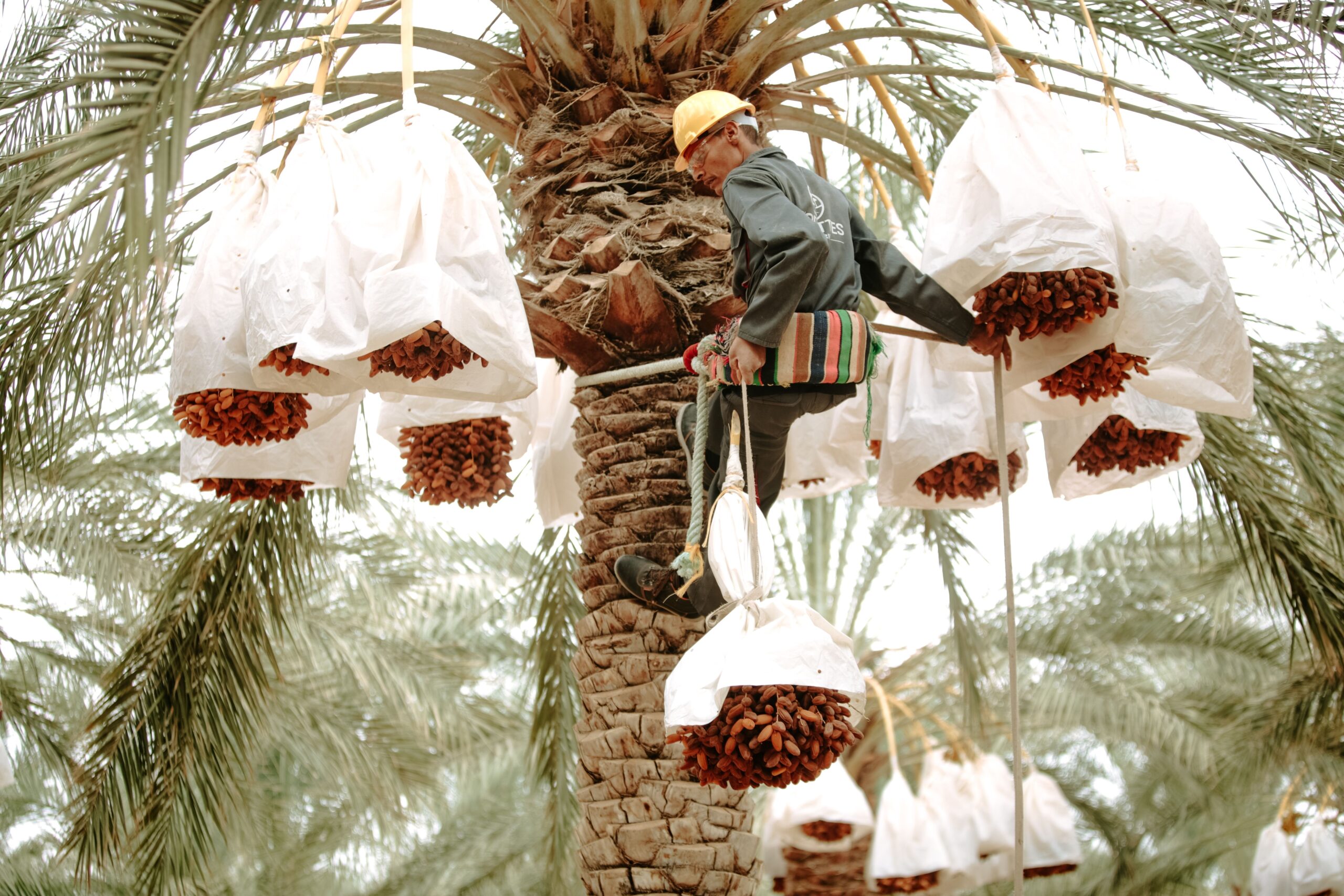
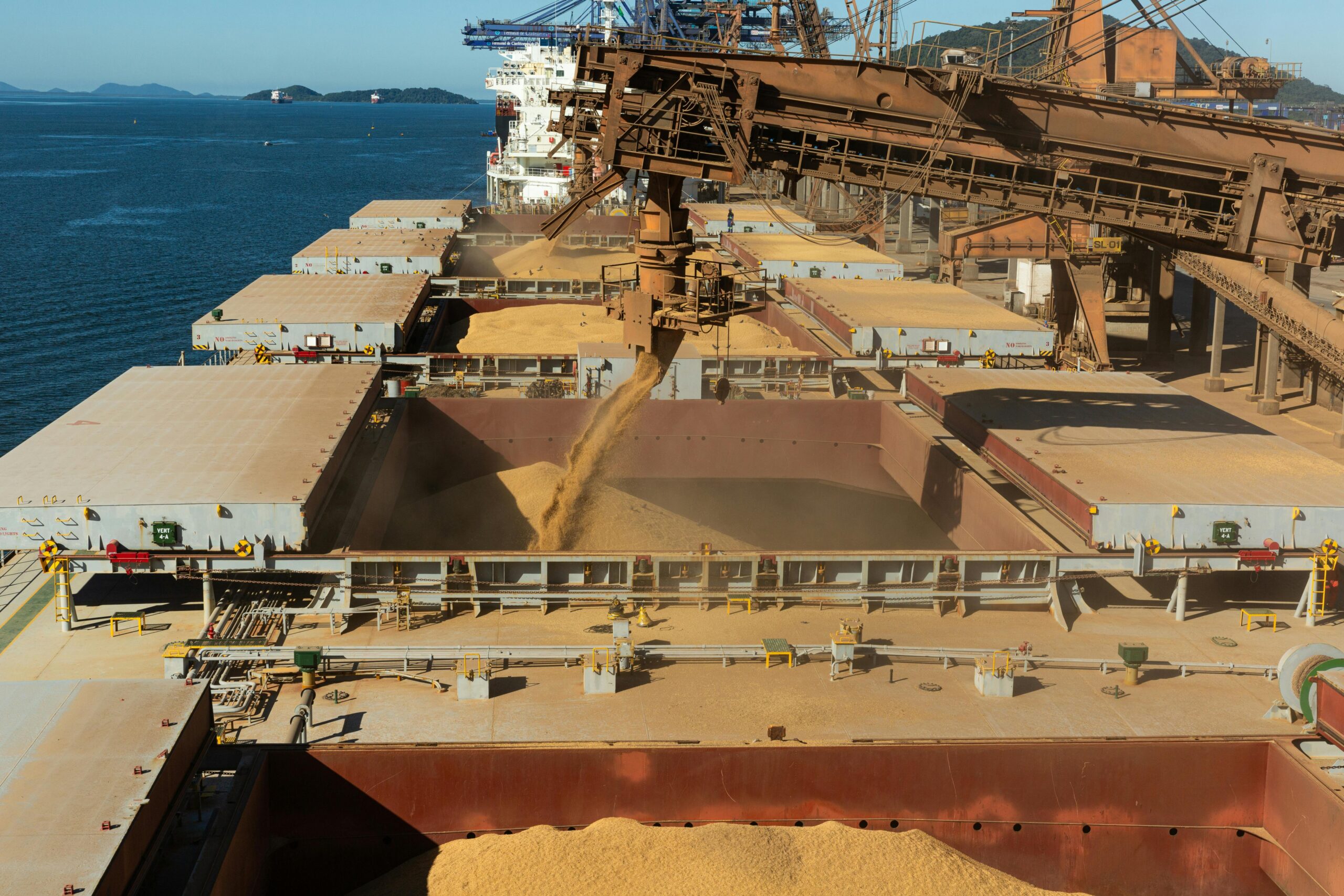
This one has a date on it. The EU deforestation rules apply to large operators from 30 December 2026 and to micro and small enterprises from 30 June 2027. They cover cocoa, coffee, palm oil, soy, cattle, rubber and timber, plus anything made from them. You need precise geolocation data proving the land was not cleared, which means real digital traceability instead of manual tracking.
So 2027 is the first full year where a missing farm coordinate can stop your shipment. Your supplier holds the data. You hold the exposure. At ASAFI we already see buyers asking about origin paperwork before they ask about price.
Landed cost keeps moving after you have signed your terms
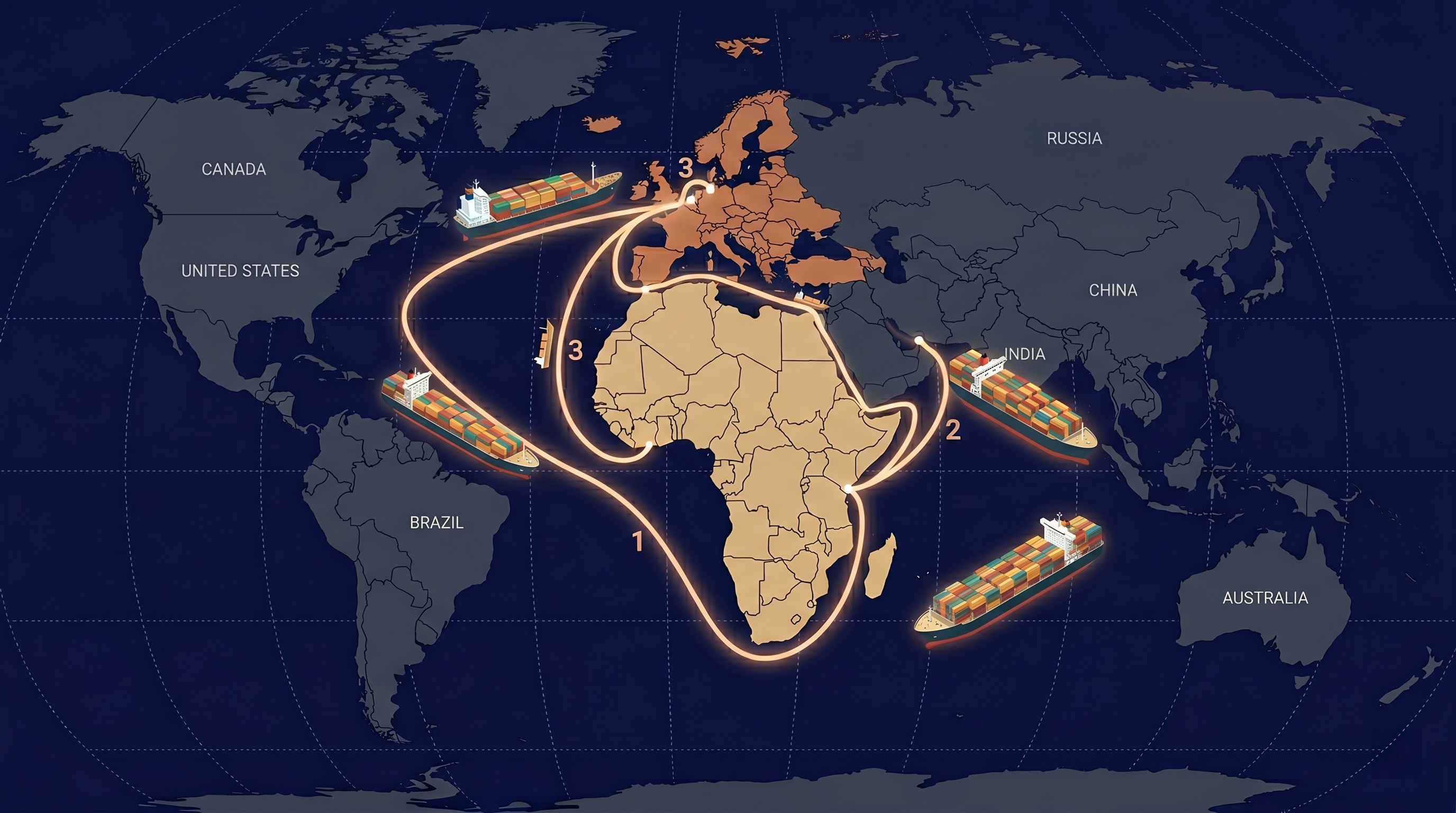
Transits through the Strait of Hormuz fell from around 125 a day to roughly 10 during the conflict that started on 28 February 2026, and had only recovered to about 60 a day after the MOU. UNCTAD warns the full economic impact may not show up until the second half of 2026, which puts the tail of it inside your 2027 numbers.
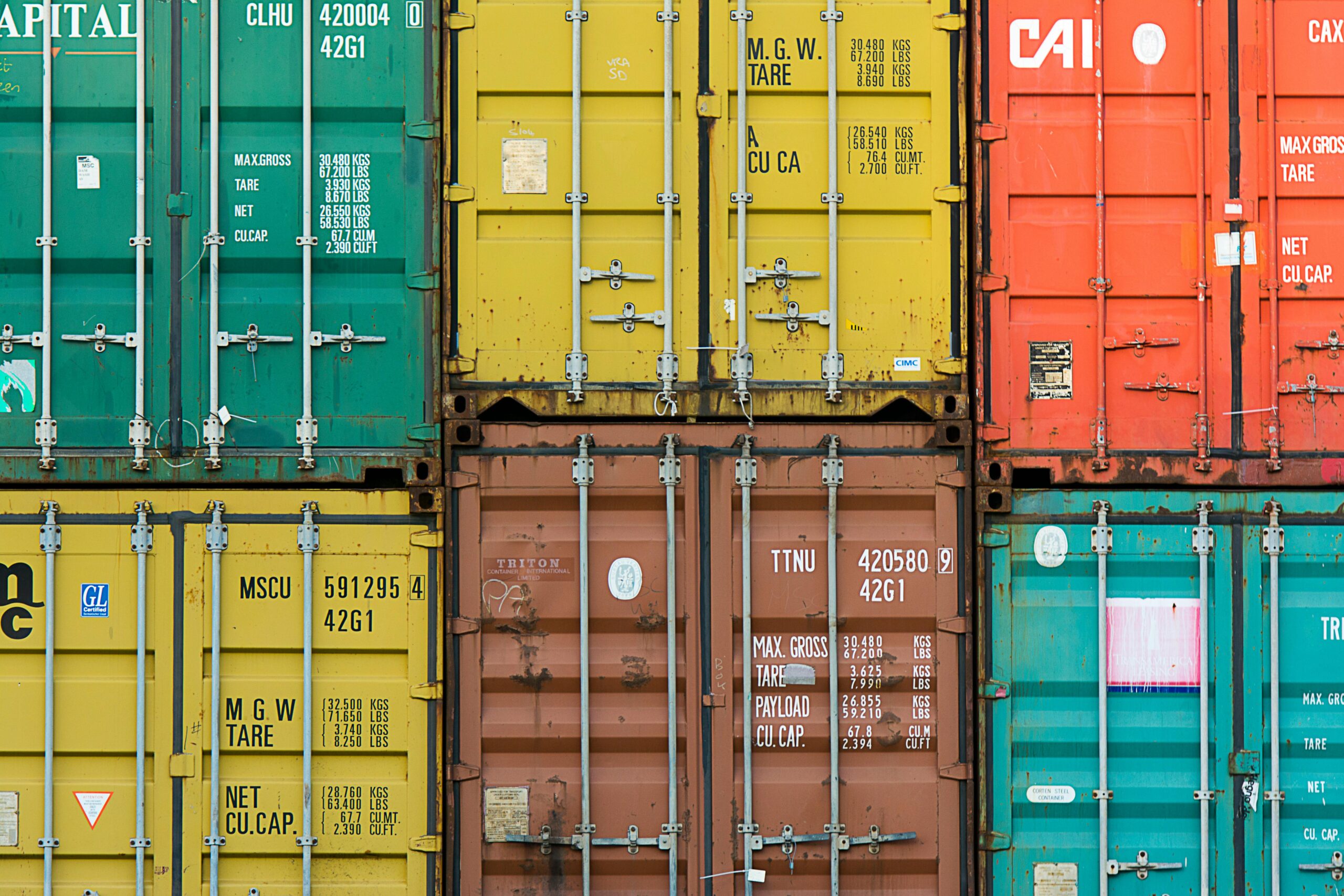
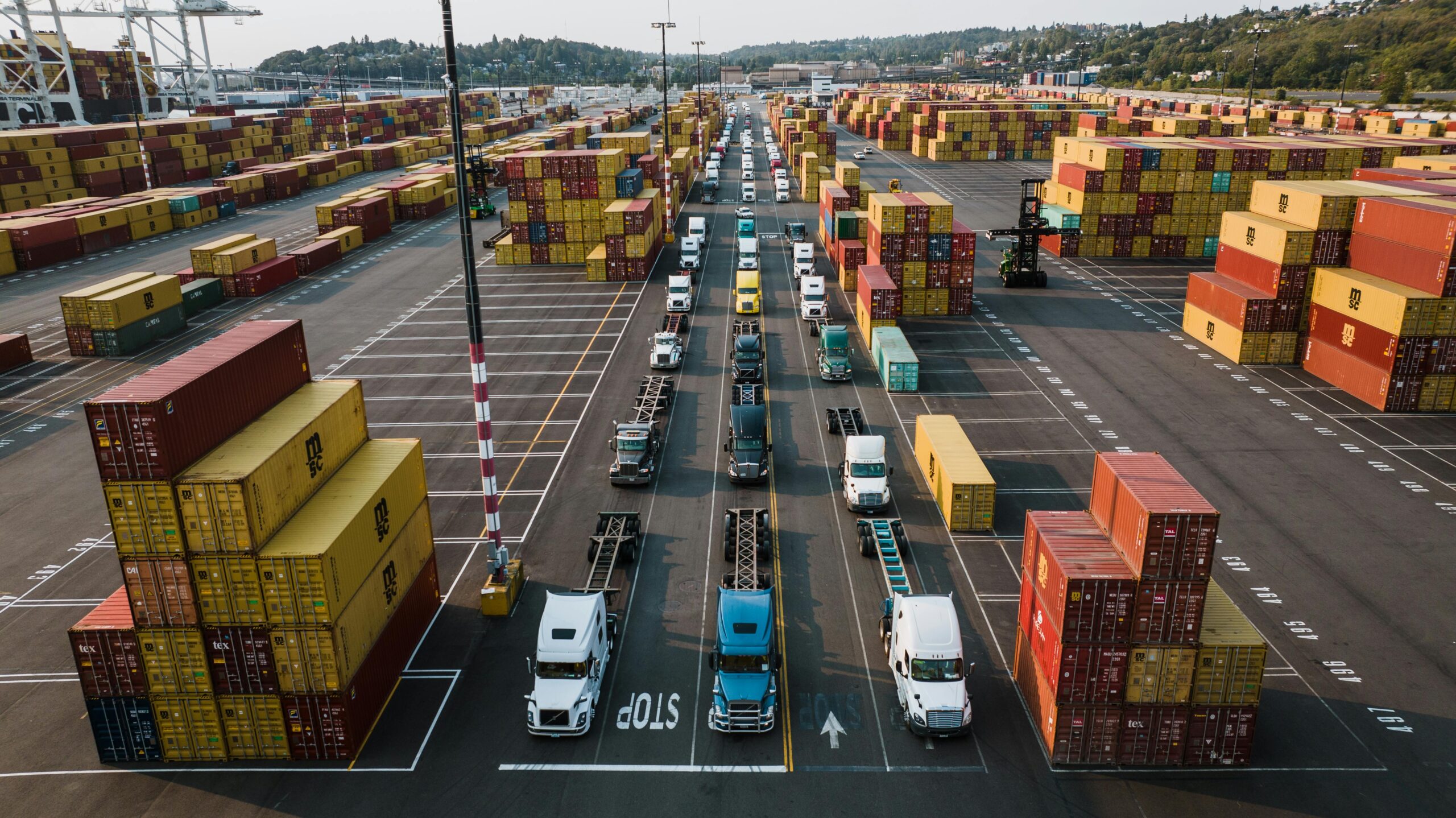
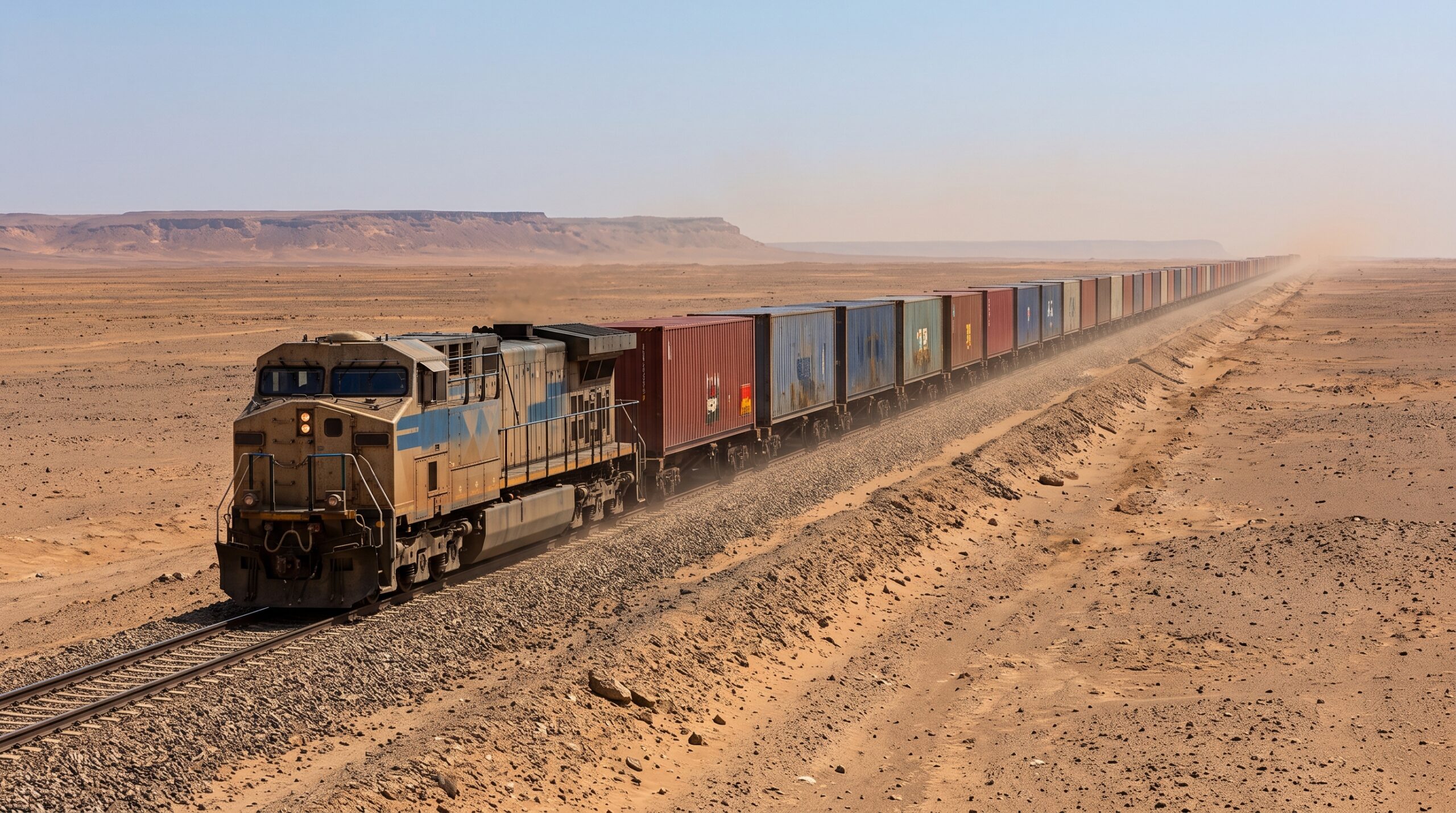
Meanwhile the sea freight picture stays unsettled. Cape diversions add 10 to 14 days and Asia to Europe rates run 25% to 40% above pre crisis levels. At the same time global container capacity is projected to rise about 36% between 2023 and 2027, and one estimate has shipping demand contracting 1.1% in 2026 if carriers return fully to the Red Sea. So rates could fall hard or spike again, and both scenarios are live.
Demand itself is being reshaped by weight loss drugs
Around one in eight US adults takes a GLP-1 drug, and J.P. Morgan estimates the number of Americans on treatment could rise from 10 million in 2026 to more than 30 million by 2030. Cornell research found grocery spend fell 6% in households with a user.
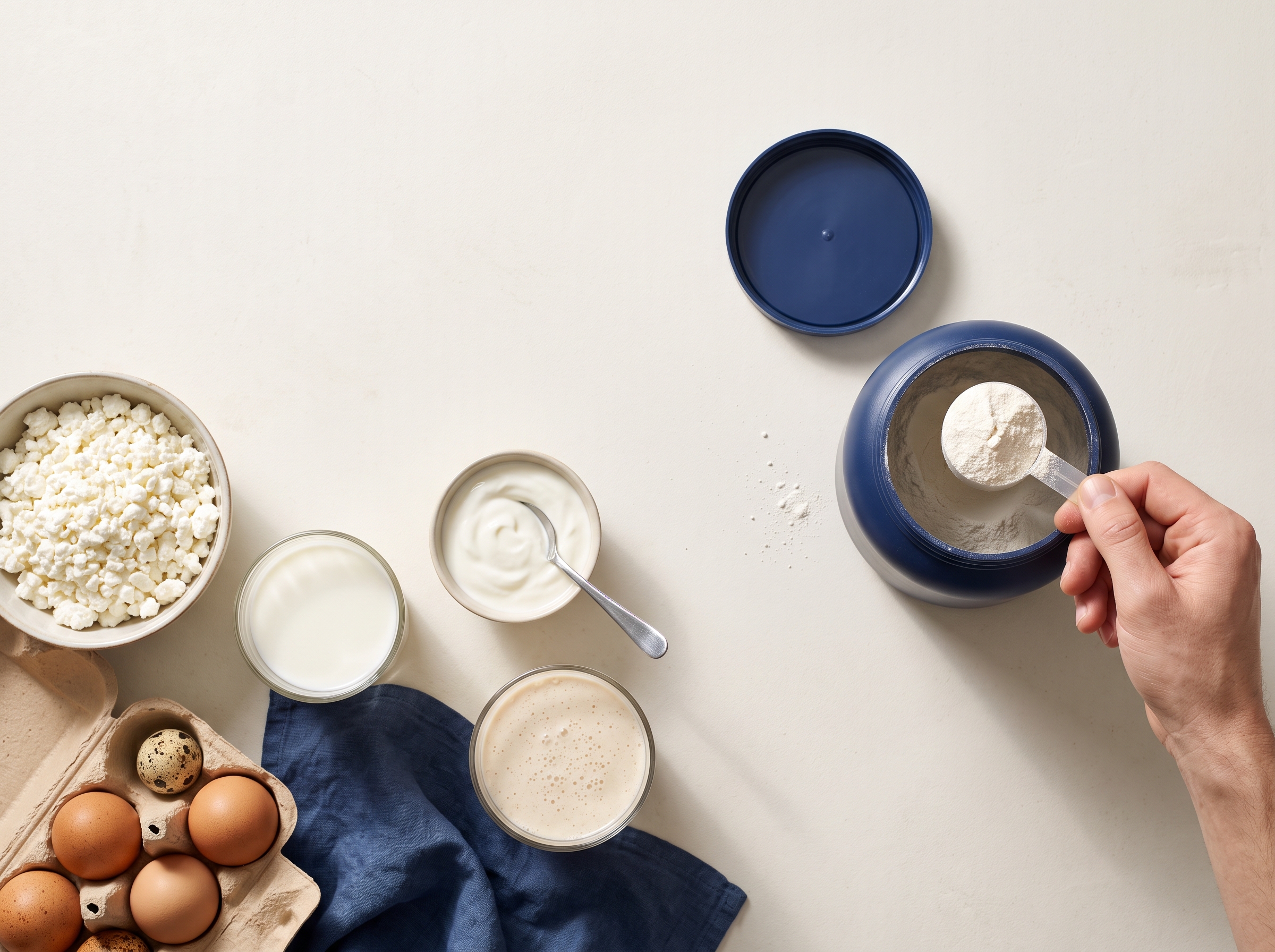
The demand moves rather than disappears. Circana projects GLP-1 households will account for 35% of US food and beverage units sold by 2030, skewed toward high protein, fibre, energy and hydration. That is a reformulation job, not a claim you add to the front of pack.
Where the opportunities are
The Gulf still grows while other markets flatten
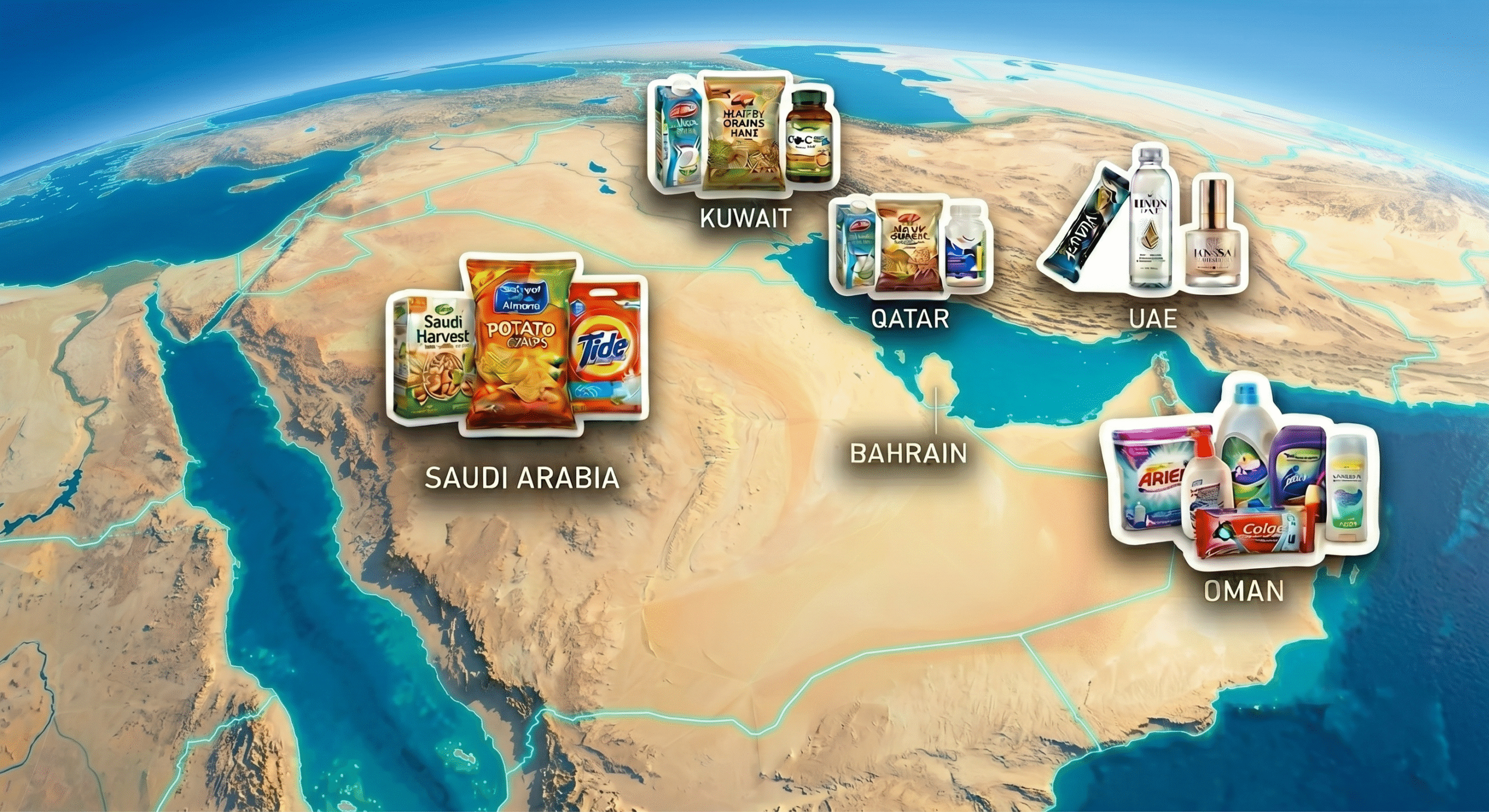
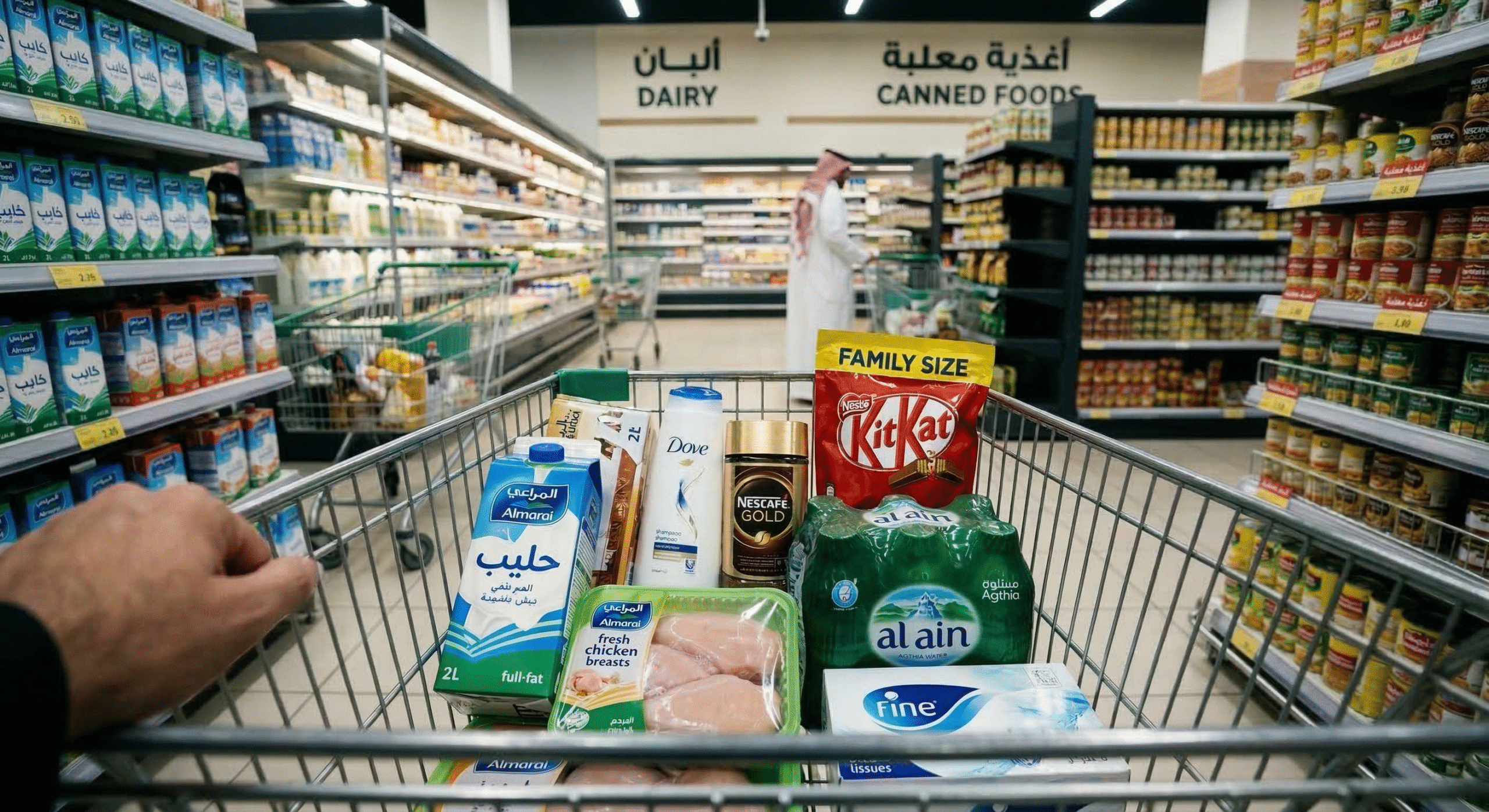
GCC packaged food is forecast to add USD 4.43 billion between 2026 and 2030, growing at 5.6% a year. GCC foodservice moves faster, from USD 69.13 billion in 2026 to USD 122.19 billion by 2031 at 12.07%. Across the wider Middle East, food, beverage and grocery already made up 47.3% of retail in 2025.
And the demographics hold. GCC population growth is expected around 2% a year, more than half the population is under 30, and rising salaries in the UAE and Saudi Arabia keep feeding consumption.
Smaller packs are a growth format, not a downgrade
Higher price points are pushing shoppers toward lower priced, smaller pack formats, which lifts unit growth across markets even while volume stays hampered. So the same trend that hurts your bulk SKU can help you if you get the pack architecture right.
Health formats are where the money is moving
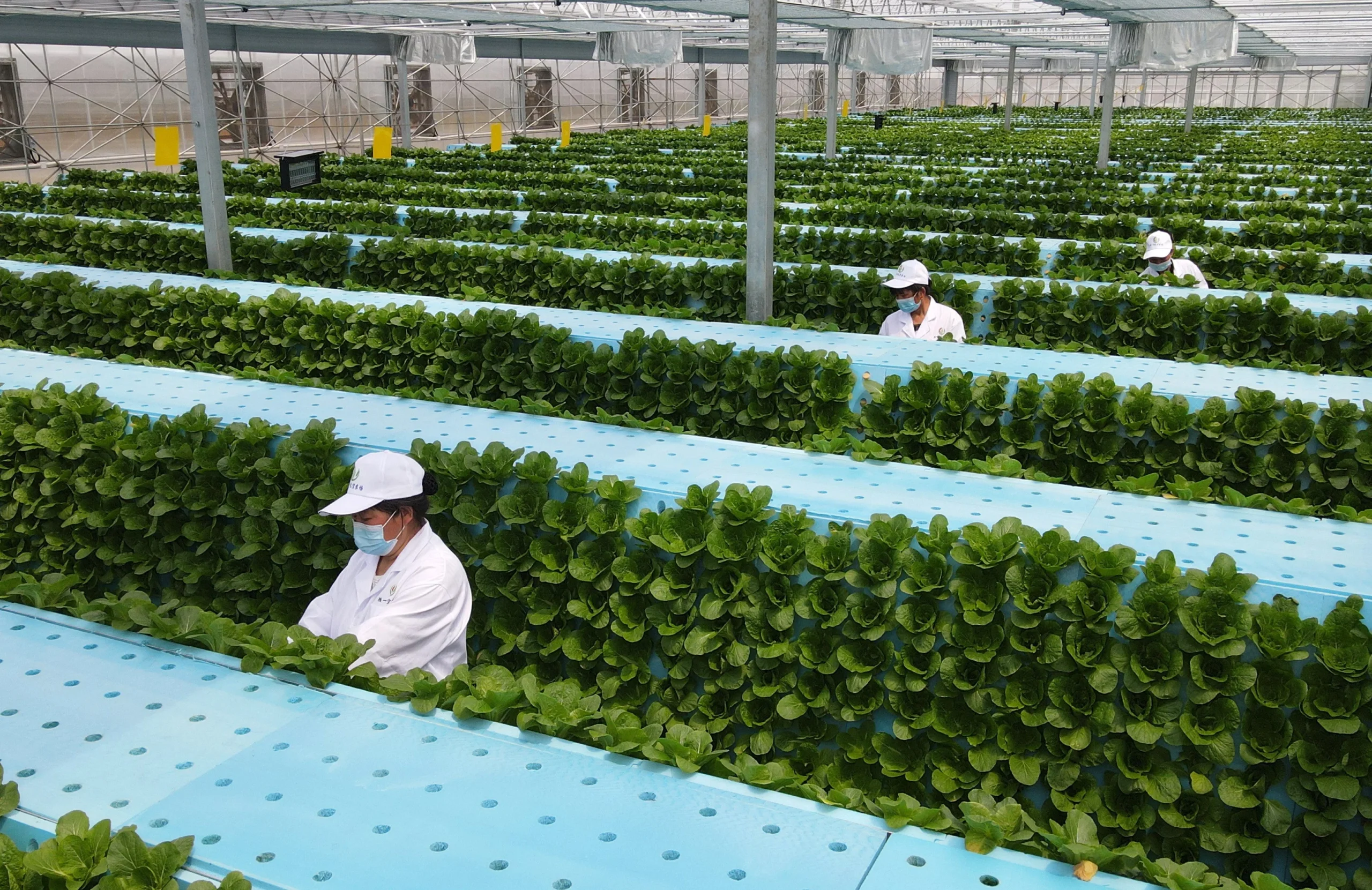
GCC functional food and beverage was valued at USD 18.20 billion in 2025 and is forecast at USD 56.80 billion by 2036, a 10.9% CAGR. Personal care and healthcare is the fastest growing Middle East retail segment at an expected 9.4% CAGR, helped by government wellness programmes. The GLP-1 shift and the Gulf wellness push point at the same shelf.
Quick commerce is still early enough to win
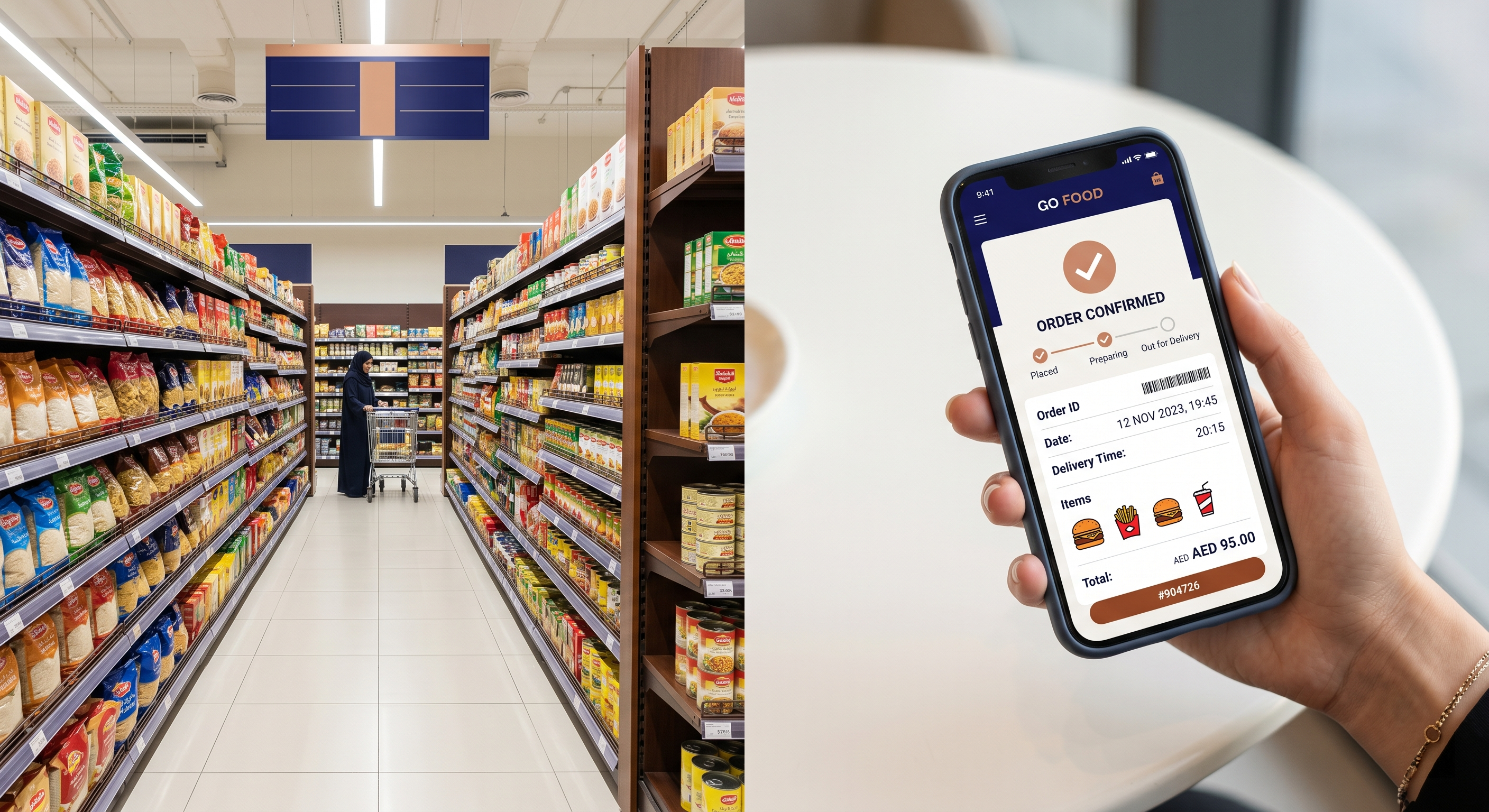
GCC quick commerce is worth USD 4.59 billion in 2026 and is forecast to hit USD 12.43 billion by 2031 at 22.05% a year, with Saudi Arabia holding 54.76% of it. Hub ranges are tight, so early listings are worth more than late ones.
Cheaper inputs give you room to hold price
The World Bank beverage price index eased in the second quarter of 2026 to roughly one third below a year earlier, on better cocoa and coffee supply. Ivory Coast port arrivals reached 2.10 million tonnes in the marketing year to 19 July, up 21% year on year. So if you lock cover well, you can hold shelf price while competitors chase cost.
Traceability sells
The strongest operators treat tighter rules on traceability and supply chain transparency as a way to win rather than a cost. Anyone holding farm level data by the end of 2026 can sell EU access to buyers who cannot build it in time.
Gulf food security money is real
GCC governments keep investing in local food security and technology enabled production to cut import reliance. The World Economic Forum puts the potential value of food security and sustainability investment at USD 30.5 billion for the Gulf economy. That opens partnership routes instead of straight import deals.
How to face it
Plan for flat volume and win on mix. Build the 2027 plan on 2% to 3% value growth with flat volume. Then find your growth in pack size, format and premium tiers rather than in more units.
Kill the middle before the buyer does. Sort every SKU into value, premium, or unclear. Fix or cut the unclear ones this quarter. Slow SKUs are usually spotted too late to defend.
Get your own consumer data. The gap between you and your retailer is a data gap. Loyalty, direct channels and first party sign ups close it slowly, so start now rather than at renewal.
Close the traceability file early. Map origins, collect coordinates, and test one full due diligence pack before the 30 December 2026 deadline. Small suppliers get until 30 June 2027, which does not help you if you are the one placing goods on the EU market.
Buy cover while inputs are soft. Beverage inputs are well below last year. Lock what you can and build a freight buffer into your terms, because capacity growth and route risk both cut in unpredictable directions.
Reformulate for smaller, denser eating. More protein, more fibre, smaller portions. A third of US food and beverage units are heading to households where that is the default.
Get listed on quick commerce before the range tightens. Platforms keep getting sharper about tailoring each hub range with data. Being there early beats arguing your case later.
Keep spending on the brand. Unilever raised brand and marketing investment by 300 basis points over four years to 16.1% of turnover, Nestlé moved marketing spend from 8% to 9% of sales, and P&G kept funding product superiority instead of harvesting margin. Those are choices made by companies who can see what happens to brands that stop.
Next year rewards the brands that make hard portfolio calls early instead of waiting for the buyer to make them.
Which of these are you already working on, and which one keeps getting pushed to next quarter?