What Factors Influence People’s Choice of Coffee
A psychological look at how most people choose their daily coffee
A psychological look at how most people choose their daily coffee
The Short Answer
- Culture and hospitality
- Habit
- Personality
- Price
- Smell and craving
- Mood chemistry
- Dependence
- The cup and the day
You think you choose your coffee because you like how it tastes. Most mornings, something else pulls the strings first. At ASAFI we spend our days moving coffee between farms and cups, so how people actually land on what's in that cup interests us. Here's what's actually behind each factor.
Habit Decides Most Of Your Coffee Choices
You don't decide to make coffee most mornings. You just do it.
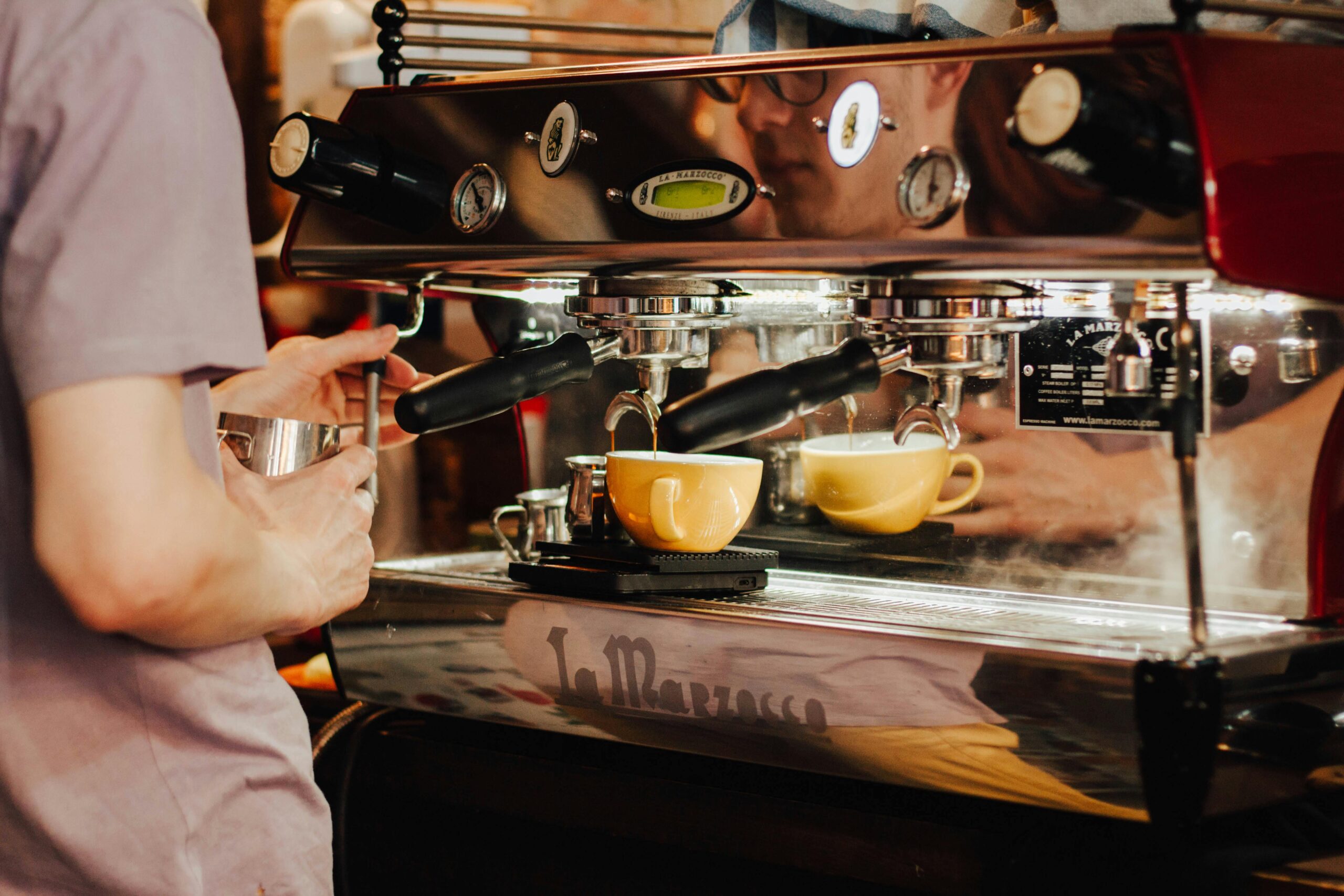
Psychologist Wendy Wood tracked daily behavior in 2002 and found that about 43% of what people do each day runs on habit, not conscious choice. Coffee sits right inside that number. You reach for the same cup, the same order, the same brand, because your brain already ran this loop yesterday and the day before. The cue shows up, the action follows, and you barely notice the decision happening.
That's why swapping your coffee order feels harder than it should. You're not fighting a preference. You're fighting a groove your own brain built without asking you.
The Difference Between Habit And Ritual
Habit and ritual look the same from the outside. They aren't the same thing.
A Harvard Business School study led by Ximena García-Rada found that when people treat a shared activity as a ritual instead of a routine, it strengthens the bond between them. A separate study from the American Psychological Association found something similar with food. Adding small symbolic steps to a plain task made people stick to it far better than just telling them to do less of it.
So the same cup of coffee can mean two different things. Made on autopilot, it's fuel. Made with a little intention, ground slowly, poured with care, shared with someone, it becomes connection instead.
Personality Affects Your Coffee Order
Researchers Ufer, Lin, and Ortega ran a field study inside a specialty coffee shop and found personality traits genuinely shape what people are willing to pay for coffee and which style they reach for.
Clinical psychologist Ramani Durvasula surveyed 1,000 people and found softer patterns too. Black coffee drinkers leaned straightforward and no-nonsense. People who piled on foam leaned more controlling and detail-focused. She adds an important caveat herself. Your coffee order says about as much about you as your star sign does. Treat it as a light pattern worth noticing, not a personality test worth trusting.
Price Changes How Coffee Tastes
This one sounds impossible until you see the study.
Researchers Priilaid and Horwitz had 100 people taste the same seven instant coffees twice, once blind and once with the price shown. The coffee never changed. The rating did. Seeing a higher price made people rate the coffee as better, and experienced male drinkers were the most affected by it. The effect isn't limited to coffee either. Separate research on identical sugar pills found people rated the pricier version as more effective, even though nothing in the pill changed.
Your brain isn't tricking you on purpose here. Expectation genuinely changes how something tastes once it reaches your mouth.
Craving Sharpens Your Sense Of Smell
Researchers at the University of Portsmouth found something unusual. Regular coffee drinkers detect the smell of coffee faster, and at far lower concentrations, than people who don't drink it.
The stronger someone's craving, the sharper their nose gets specifically for coffee. So your body isn't just wanting the coffee. It's actively getting better at hunting it down. The researchers noted this pattern could even help build new treatments for other cravings tied to a distinct smell, like tobacco.
Caffeine Lifts Your Mood
A study out of Warwick and Bielefeld universities found caffeine tied to a real rise in positive emotion, mainly enthusiasm and happiness, for about two and a half hours after you wake up.
The mechanism is straightforward. Caffeine blocks adenosine receptors in your brain, which raises dopamine activity in return. That's the lift you feel before the coffee has even fully kicked in. The researchers were surprised the effect held steady across almost everyone tested, regardless of how anxious or low someone already felt.
Coffee Dependence Is A Real Condition
Johns Hopkins researcher Roland Griffiths ran a study back in 1994 and found some people who drink as little as one or two cups a day meet the formal clinical markers for chemical dependence. Tolerance. Failed attempts to cut back. Continued use despite knowing it causes problems.
Caffeine withdrawal is now recognized as a real psychological condition, with headaches, fatigue, and low mood as documented symptoms once the coffee stops. A full "caffeine use disorder" isn't officially classified yet, but the withdrawal itself is taken seriously enough to be studied on its own.
The Cup And The Day Affect How Coffee Tastes
A large citizen-science study surveyed almost 3,000 people across 11 countries and found coffee gets rated higher when it's drunk black, in the morning, in spring, on Wednesdays, and out of a ceramic cup. People also rated pricier coffee as more enjoyable, and liking peaked around 4 to 5 cups a day.
None of that has anything to do with the beans themselves. It's context doing the work quietly in the background.
Arabic Coffee Is A Gesture Of Hospitality
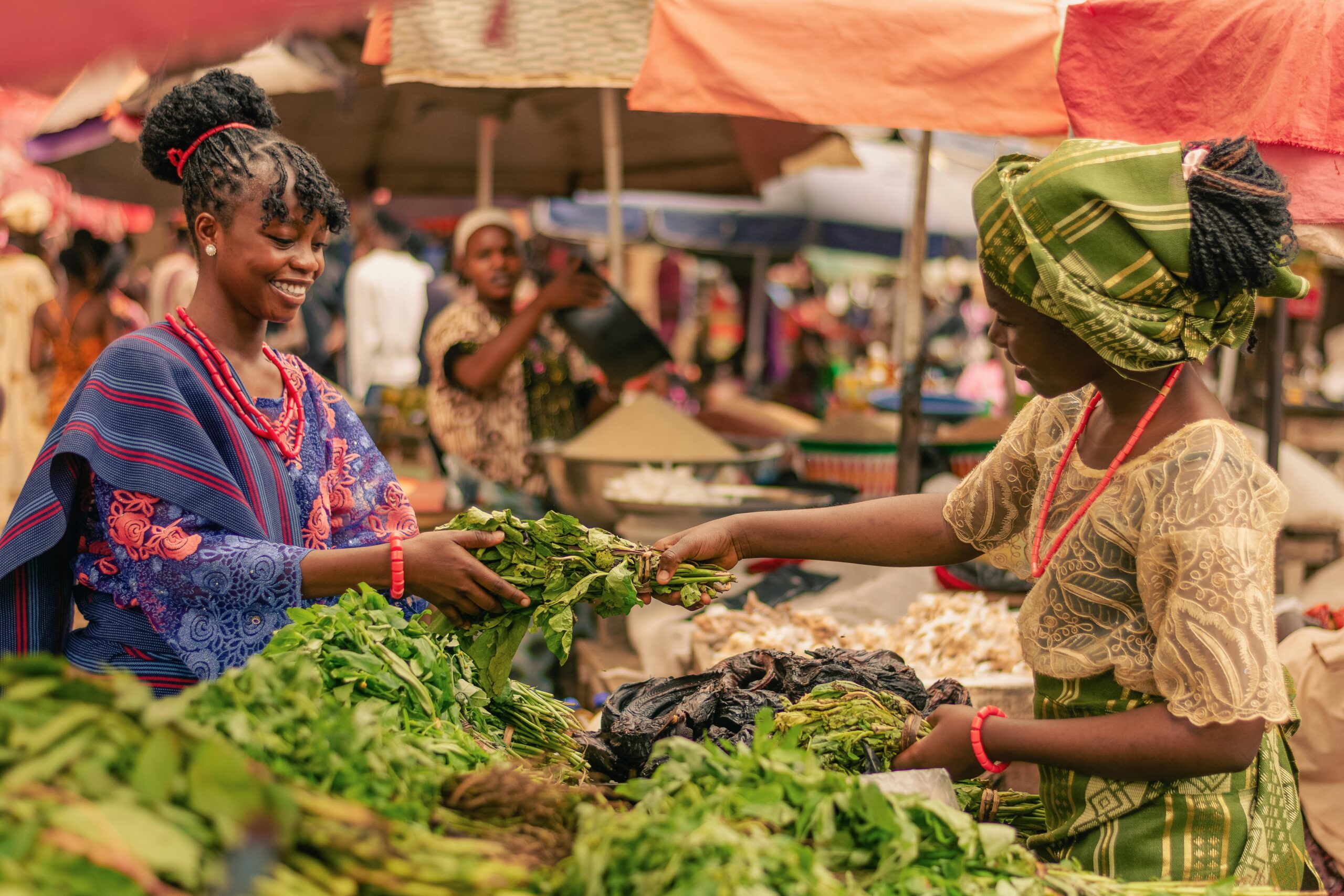
UNESCO lists Arabic coffee as intangible cultural heritage, and the reason has nothing to do with flavor. It's an act of generosity with its own etiquette. The oldest or most important guest is served first. The coffee is poured with the right hand. You shake your cup slightly once you've had enough.
That's worth sitting with. In most of the world, coffee is a personal decision made a dozen times a day. In the Gulf, it's often not a decision at all. It's a gesture someone else makes for you. We see that difference across our own routes between East and West, and it changes how you'd even think about marketing the same bean in two different markets.
Most people think they're choosing their coffee on taste alone. Most of the time, habit, price, smell, mood, or culture already made that choice first.
What actually decides your coffee order, taste, habit, or something else entirely?