Farmers Who Became Agriculture Legends And Stayed Unknown
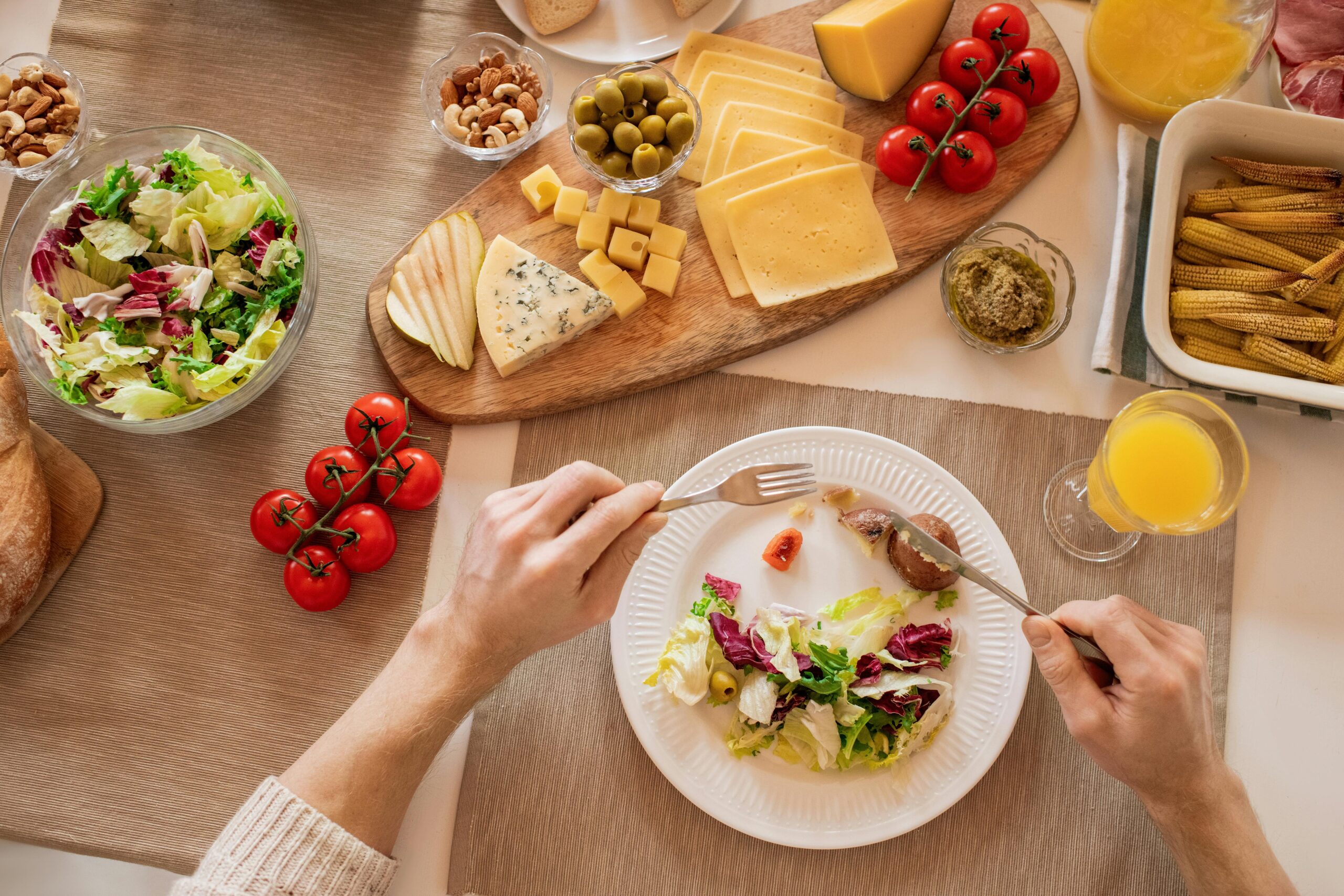
You ate breakfast this morning because of people you have never heard of. Not the brands on the packaging. The farmers who worked out how animals get bred, how dead soil comes back to life, and how a small farm can feed a whole community. A handful of them changed the entire food system. Almost none of them got their name in the history books.
Here are six of them.
Robert Bakewell taught the world how to breed animals
Picture a farm in England in the 1700s. Animals bred by accident. Males and females mixed in the same field, and whatever came out, came out. Meat was tough and thin, and every animal looked different from the next.
Robert Bakewell changed that. He farmed in Leicestershire, and he did one thing no one around him was doing. He separated his males and females, then bred only the best animals back together on purpose. He wrote down every result. His sheep and cattle slowly got heavier, meatier, and more alike.
Then he taught everyone. In 1783 he started a group called the Dishley Society to spread his methods to other farmers. Almost every meaty animal you eat today, the chicken, the lamb, the beef, traces back to the idea he proved. You had probably never heard his name until right now.
Fannie Lou Hamer used a farm to fight for freedom
You know Fannie Lou Hamer as a civil rights leader. You probably do not know she was a farmer first, and that farming sat at the center of everything she fought for.
She grew up a sharecropper in Mississippi. She worked land she did not own and never could, like most Black families around her. So she decided to change who owned the ground itself. She took money she earned from speaking on the civil rights circuit and bought land.
She called it the Freedom Farm Cooperative. Black families who had been locked out of land ownership could farm it together, grow their own food, and raise pigs to share out. At its height the farm grew to more than 600 acres, and around 1,500 families had a stake in it. She saw hunger as its own kind of injustice, and a farm as one way to beat it.
Masanobu Fukuoka grew more by doing less
Everything you know about farming says you plow the field, feed it with fertilizer, and fight off every weed and pest. A rice farmer in Japan spent his life proving you might not need to do any of that.
Masanobu Fukuoka called it natural farming. He stopped plowing his fields. He used no chemical fertilizer. He did not even flood his rice paddies, the way farmers across Asia had done for hundreds of years. He let old straw feed the soil and let different plants grow side by side. His fields still matched the yields of farms doing everything the hard way.
He wrote a book about it in 1975 called The One-Straw Revolution. It has sold more than a million copies in over 20 languages, and farmers on every continent have read it. If you have ever bought food grown without heavy chemicals, you have felt his influence without knowing his name.
Gabe Brown rebuilt dead soil and started a movement
Gabe Brown never planned to change farming. He just wanted to keep his ranch. He worked the family land in North Dakota with his father in law, and then the weather nearly finished him. Four years of hail, drought, and lost crops in a row left him with no money for fertilizer or chemicals.
That is when he tried something different, because he had no other choice. He stopped plowing. He planted cover crops between seasons so the ground was never left bare. He brought grazing animals back onto the land to feed the soil the natural way.
His soil got richer every single year. Word spread, and farmers started driving in just to see it. Today his approach is taught around the world as one of the clearest examples of how to bring tired farmland back to life. Outside of farming, almost nobody knows who he is.
David Brandt became a meme, and nobody knew the real story
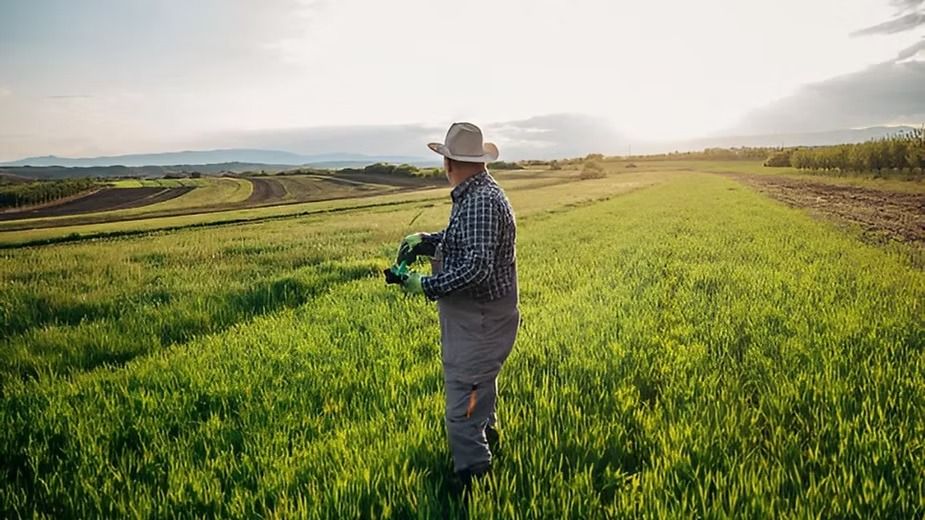
You have almost certainly seen his face. An older farmer in bib overalls and a cap, standing in front of a cornfield, with the caption "It ain't much but it's honest work." The photo went everywhere. People used it as a joke about hard, humble effort.
Here is what they did not know. The man in the photo was David Brandt, and he was one of the people who started no-till farming in the United States. Back in 1971, he stopped turning over his soil and began planting straight into it. A few years later he added cover crops on top. Bit by bit, he built some of the healthiest farm soil anyone had seen.
Universities studied his fields. Government agencies used his farm to measure how much cleaner the water ran off healthy soil. He hosted thousands of visitors who came to learn. He became a punchline online years before most people had any idea he was one of the quiet giants of modern farming.
Colin Seis had the idea after a few beers
Not every farming breakthrough comes from a lab. One of them came from two neighbors talking late into the night. Colin Seis farms sheep and grain in Australia, and one evening he and a friend got stuck on a strange question. What if you planted a grain crop straight into a living pasture, instead of clearing the land first?
Most farmers would have laughed it off. Seis sobered up and tried it anyway. He called it pasture cropping. The grass kept growing, the sheep kept grazing, and the crop grew right through the middle of it all.
It worked better than clearing the land ever had. The soil held more water, more carbon, and more life. Today more than 3,000 farms across Australia and beyond use some version of the idea he came up with over a drink. His name almost never leaves farming circles.
The people behind your plate
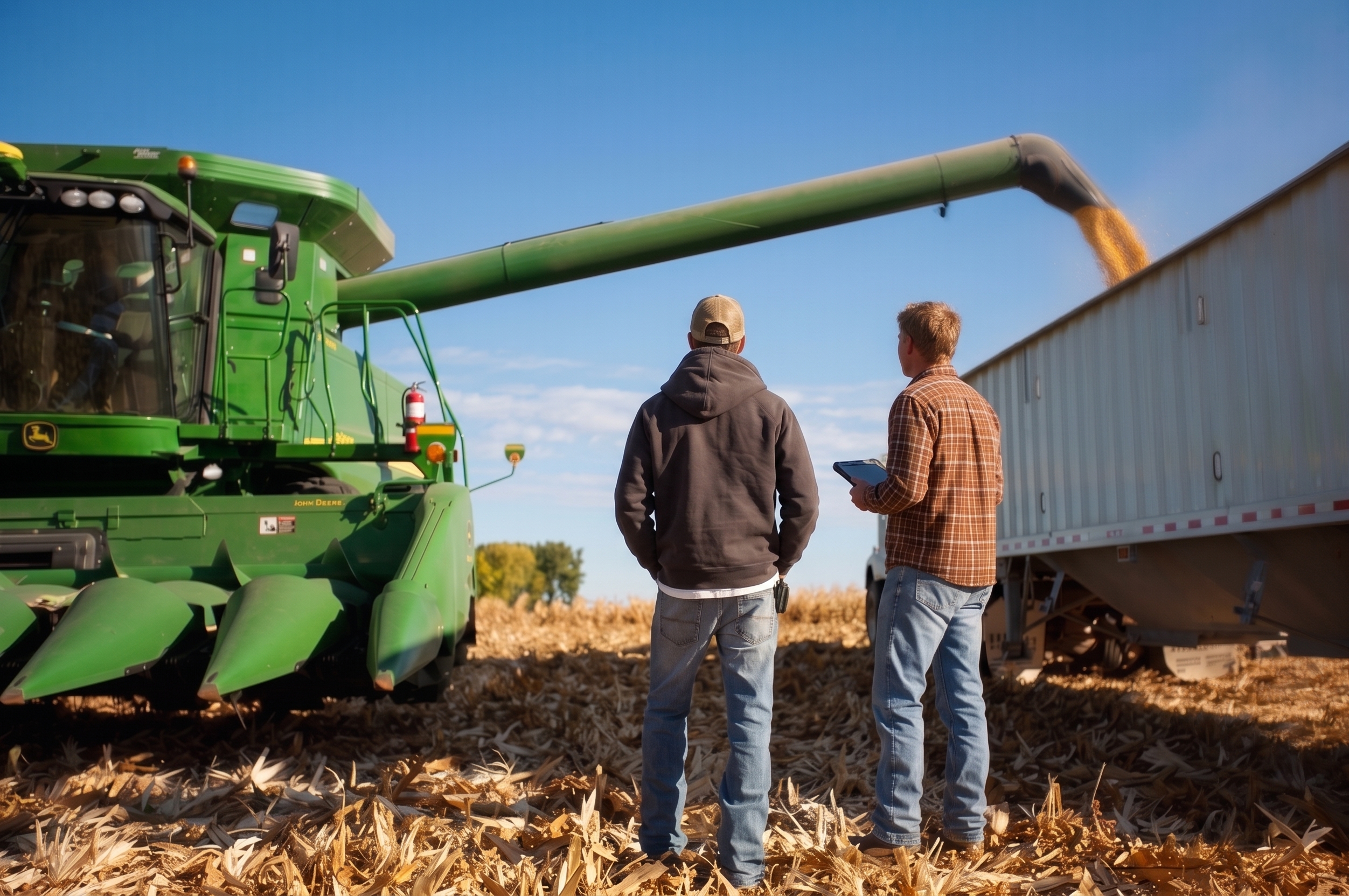
Every one of these six farmers changed how the world grows and raises food. Not one of them became a household name for it. This is the pattern across the whole food system, and it is one we see every day at ASAFI. The people closest to the ground are usually the last to get named for the work.
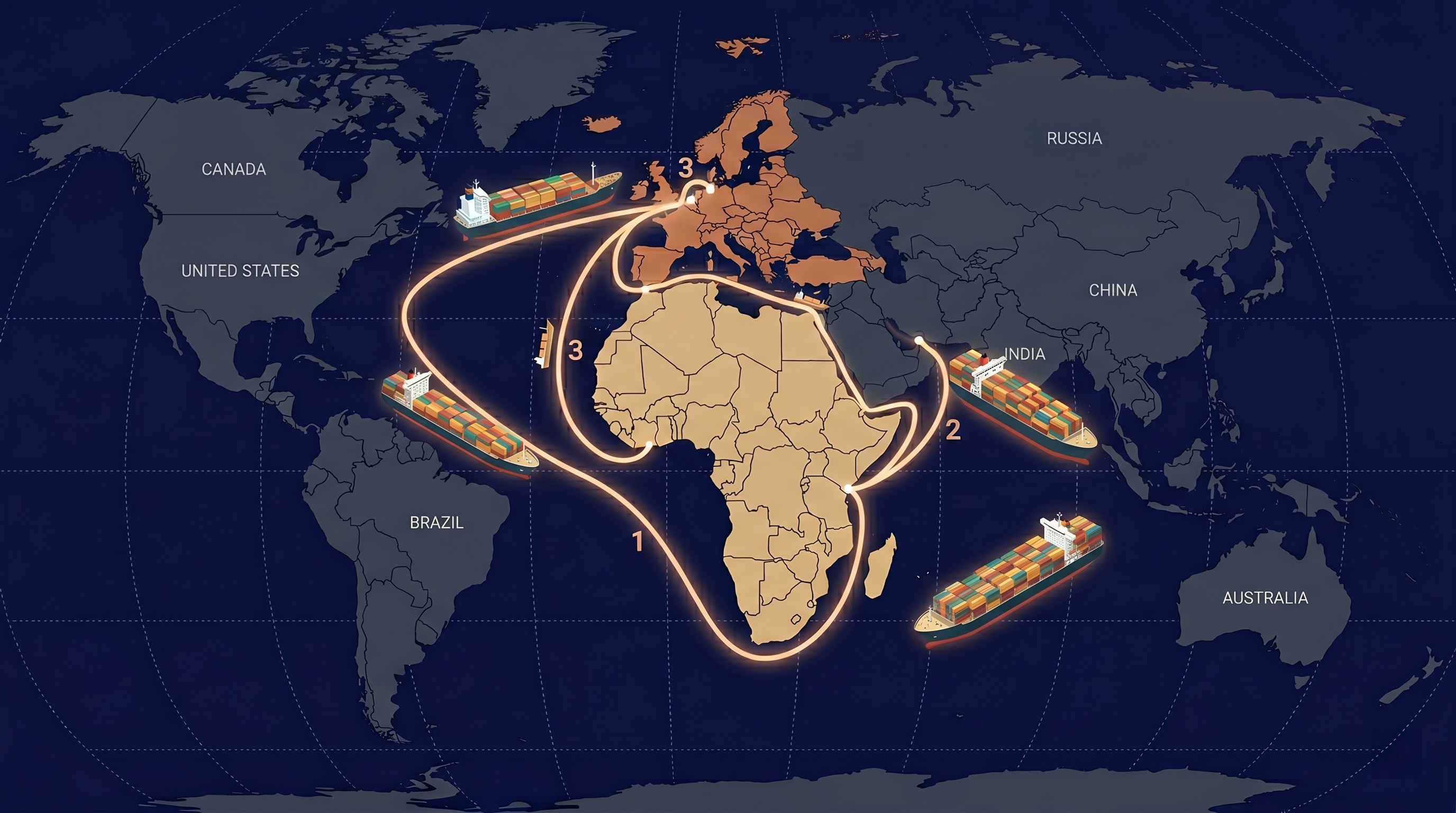
That is why we source straight from the farms themselves, and why the grower behind every shipment matters to us as much as the crop.
The next time you sit down to eat, someone you will never hear of made it possible.
Which of these six surprised you the most?