You Have a FMCG Product? Which GCC Market Should You Enter before 2030
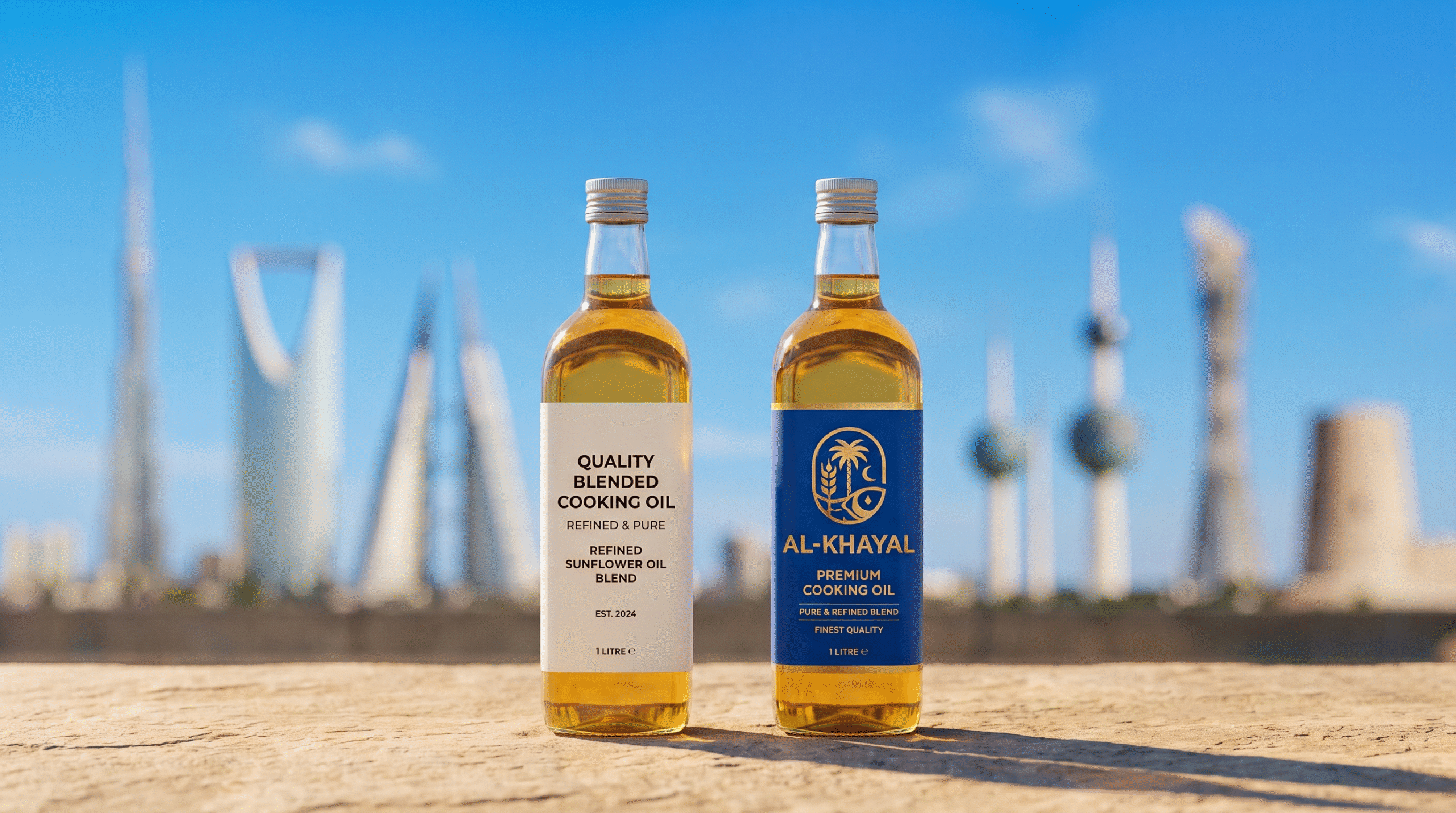
A brand owner walks into a meeting with a distributor in Dubai. She has a well-packaged snack product, decent margins, and a clear vision. The distributor asks one question: "Which market are you targeting?"
She says: "The GCC."
The distributor smiles politely. He knows that answer means she has not actually decided anything yet.
The GCC is not one market. It is six countries with different populations, incomes, retail structures, and consumer behaviors. Treating them as one bloc is how brands waste budget, burn relationships, and walk away convinced the region "did not work" — when the real problem was a mismatch between product and market from day one.
Here is how to get that decision right.
The GCC FMCG Opportunity Now
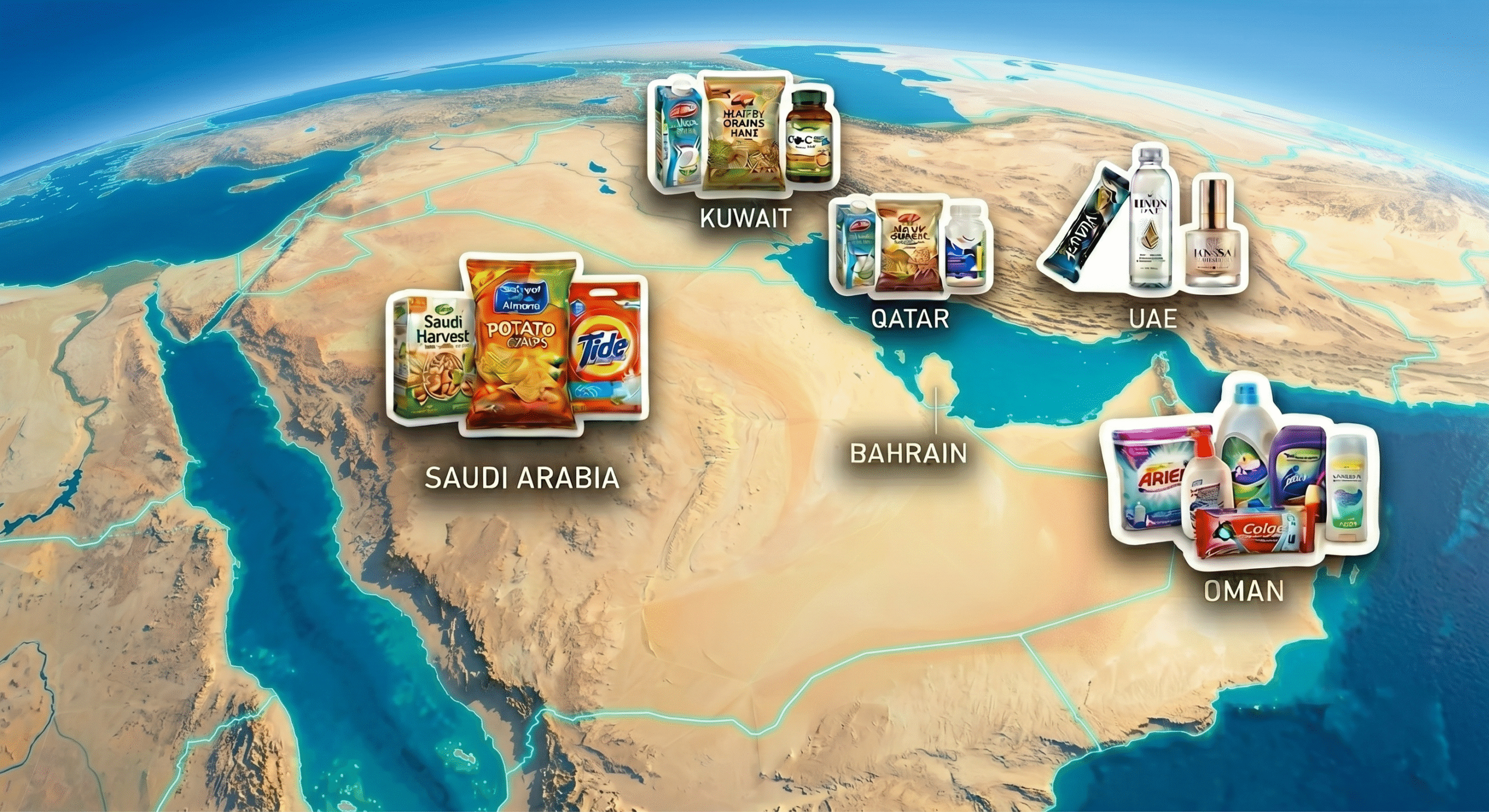
The six GCC countries — Saudi Arabia, UAE, Kuwait, Qatar, Bahrain, and Oman — collectively represent one of the most concentrated pockets of consumer spending on the planet. The IMF projects average GCC economic growth of 4.2% in 2026, outpacing both the global average and most advanced economies. Non-oil sectors are driving much of this momentum, and FMCG sits right at the center of it.
But the numbers only tell part of the story. Saudi Arabia holds the largest market by volume, with a food and beverages sector valued at $38.38 billion in 2026. The UAE commands the highest per capita FMCG spend in the region, estimated between $1,600 and $1,800 per person annually. Kuwait and Qatar lead the GCC in growth rates for functional and health-focused food products. These are not interchangeable facts. They point to fundamentally different entry windows depending on what you sell.
So: what do you sell?
Premium Food and Beverages
Target market: UAE
If your product sits at the premium end of the shelf — specialty ingredients, artisan formats, health-forward positioning, clean labels — the UAE is where you want to be in 2026.
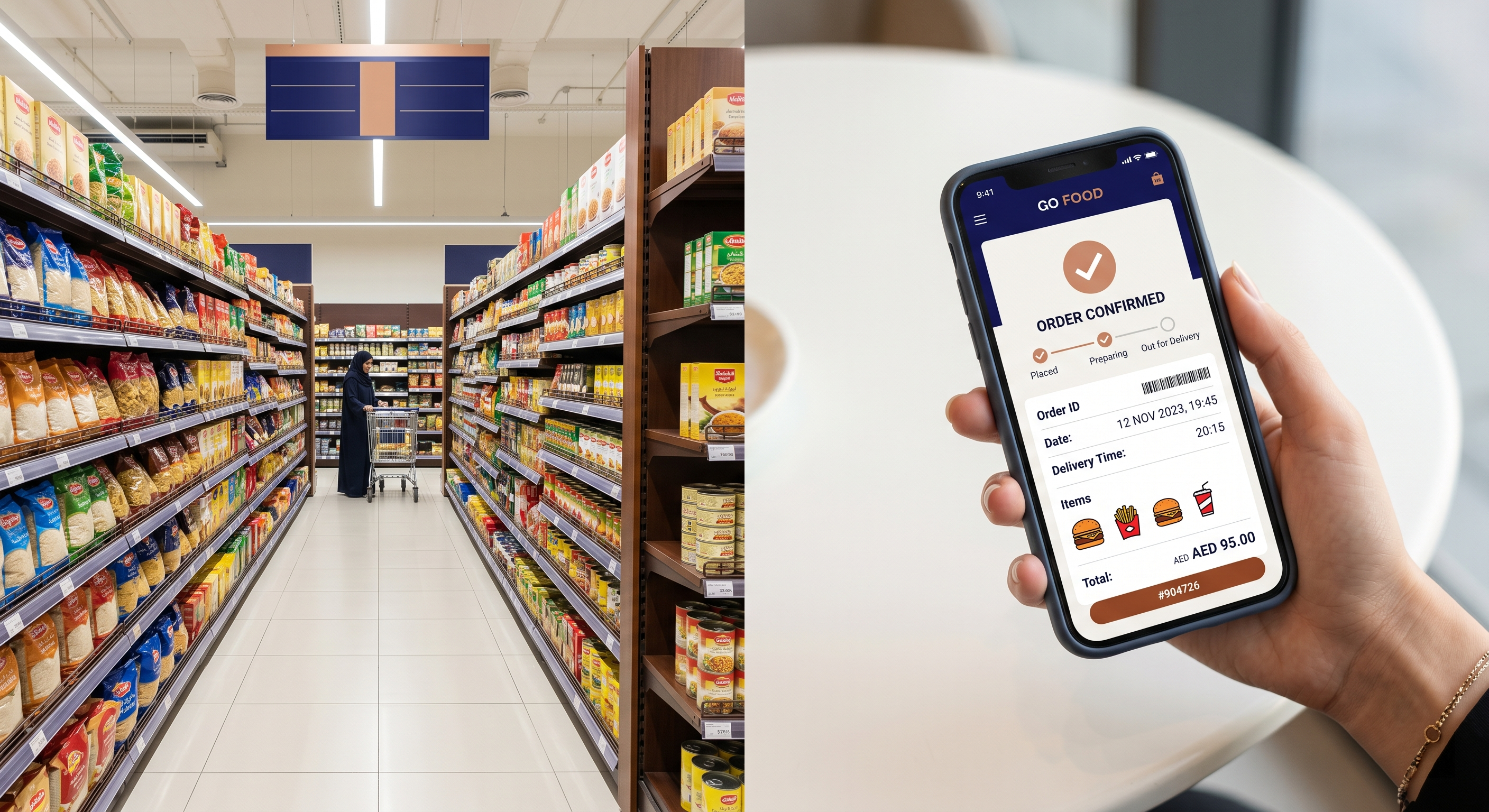
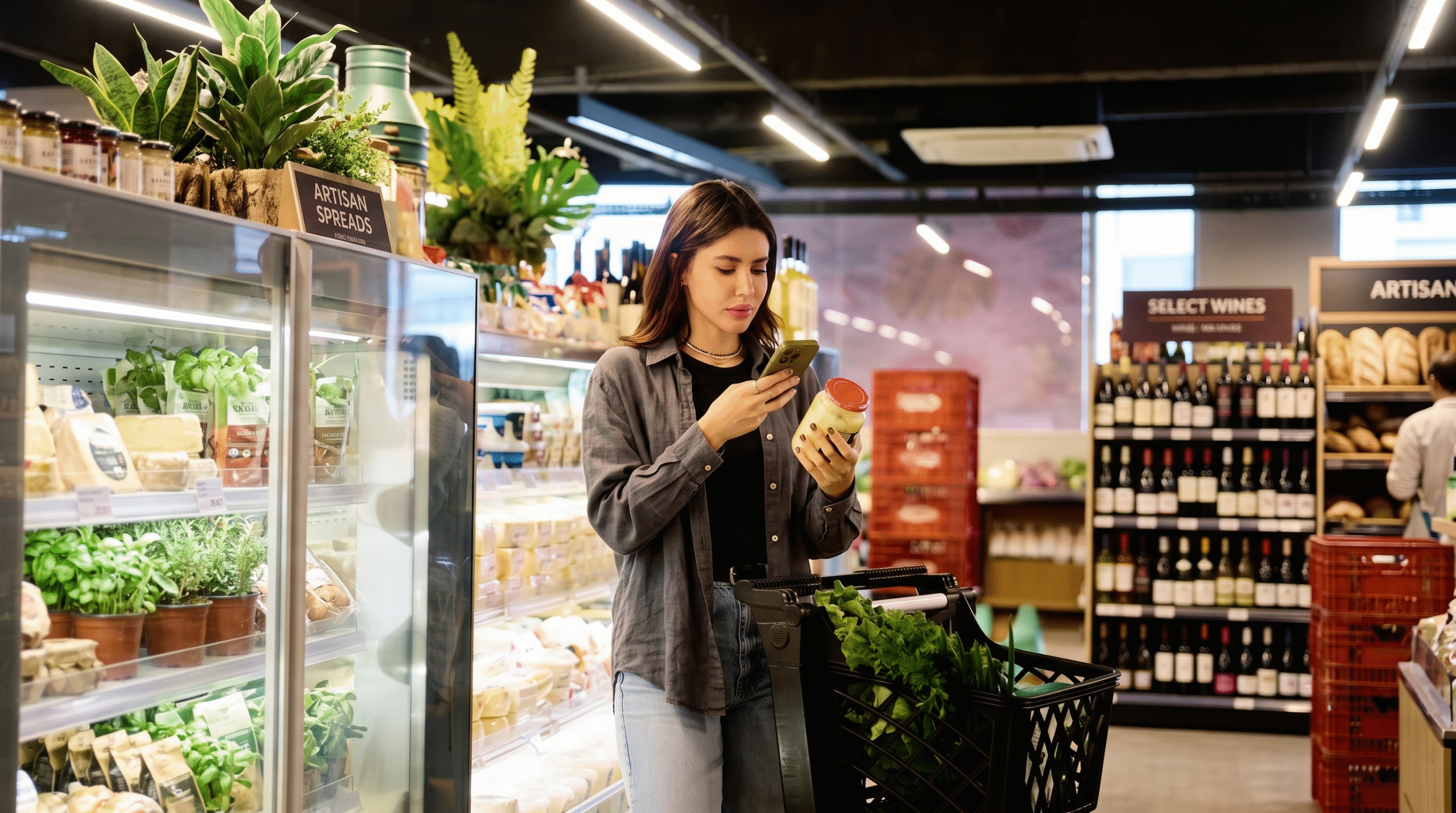
The UAE imports approximately 85 to 90 percent of its food requirements, which means the shelves are already built for international brands. The consumer base is among the most diverse in the world. The country's expatriate population spans Western professionals, South Asian households, Arab nationals from across the region, and a growing class of long-term residents attracted by the Golden Visa program. Each group carries distinct food preferences, and the retail infrastructure is mature enough to serve all of them. Lulu, Carrefour, Spinneys, Waitrose, and Choithrams are not just supermarkets. They are the gatekeepers to a consumer base willing to pay for quality.
Beyond traditional retail, e-commerce channels are expanding fast. Platforms like Noon Daily, Talabat Mart, and InstaShop have normalized premium delivery. For a brand that wants to test market reception without committing to full shelf distribution, D2C and quick commerce offer a lower-risk entry path.
The categories gaining traction right now include protein-enriched snacks, functional beverages, plant-based alternatives, organic staples, and specialty ethnic foods. Subcategories within personal care are following the same premium curve, with K-beauty, derma-cosmetics, and natural formulations growing at 8 to 12 percent annually in a market already worth $3 billion.
The challenges: listing fees are high, shelf competition is intense, and regulatory compliance including halal certification requires proper preparation. But for a premium FMCG brand with a strong story, the UAE remains the most logical first door in the GCC.
Mass Market Food, Packaged Goods, and Household Staples
Target market: Saudi Arabia
If your product is built on volume, if your margin model works at scale, and if your category serves everyday household needs — Saudi Arabia is the market to be in.
Saudi Arabia is home to over 35 million people, with a population expected to reach 40 million by 2030. More than 60 percent of that population is under 35 years old. These are consumers who are urbanizing rapidly, earning more, and spending a greater share of that income on convenience-oriented packaged goods. The food and beverage market alone is growing at a 5.59 percent CAGR through 2031, with savory snacks leading category growth at 8.31 percent.
The government has directed $70 billion into food processing infrastructure and is actively reducing barriers for international brands that localize meaningfully. The Saudi Food and Drug Authority (SFDA) has tightened quality controls, but this actually benefits credible brands by raising the floor on competition.
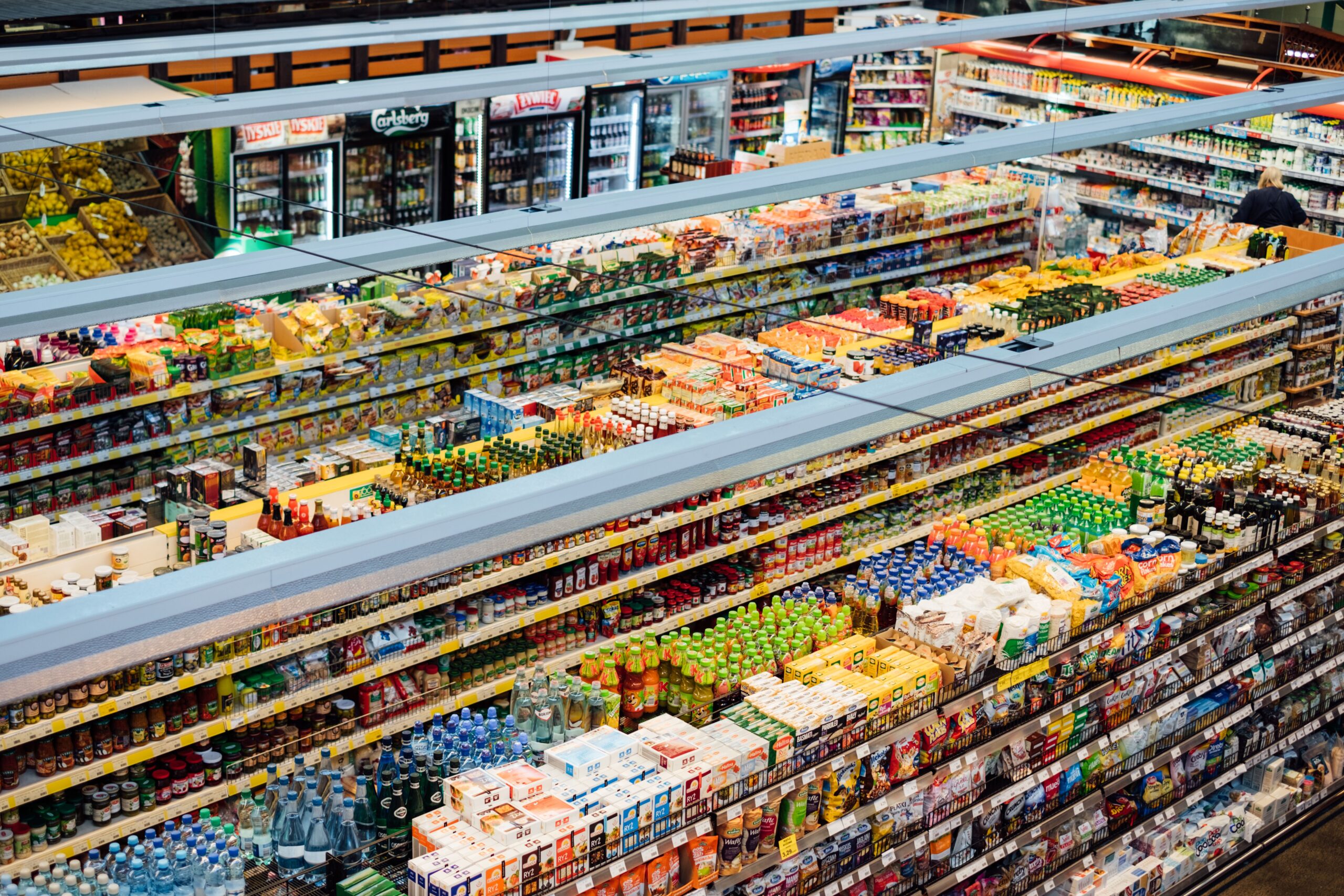
Supermarkets and hypermarkets account for 57 percent of all food and beverage sales in the kingdom. Panda, Othaim, Tamimi, and Carrefour Saudi control enormous foot traffic. Online retail is growing at nearly 8 percent CAGR through 2031, accelerated by nationwide 5G rollout and last-mile infrastructure improvements.
For household care products specifically, Saudi Arabia is the clear destination. The category makes up 7.2 percent of the total FMCG market, with laundry and home cleaning leading that segment. A growing middle class, larger household sizes compared to the UAE, and rising disposable incomes create consistent volume demand that does not depend on premium positioning.
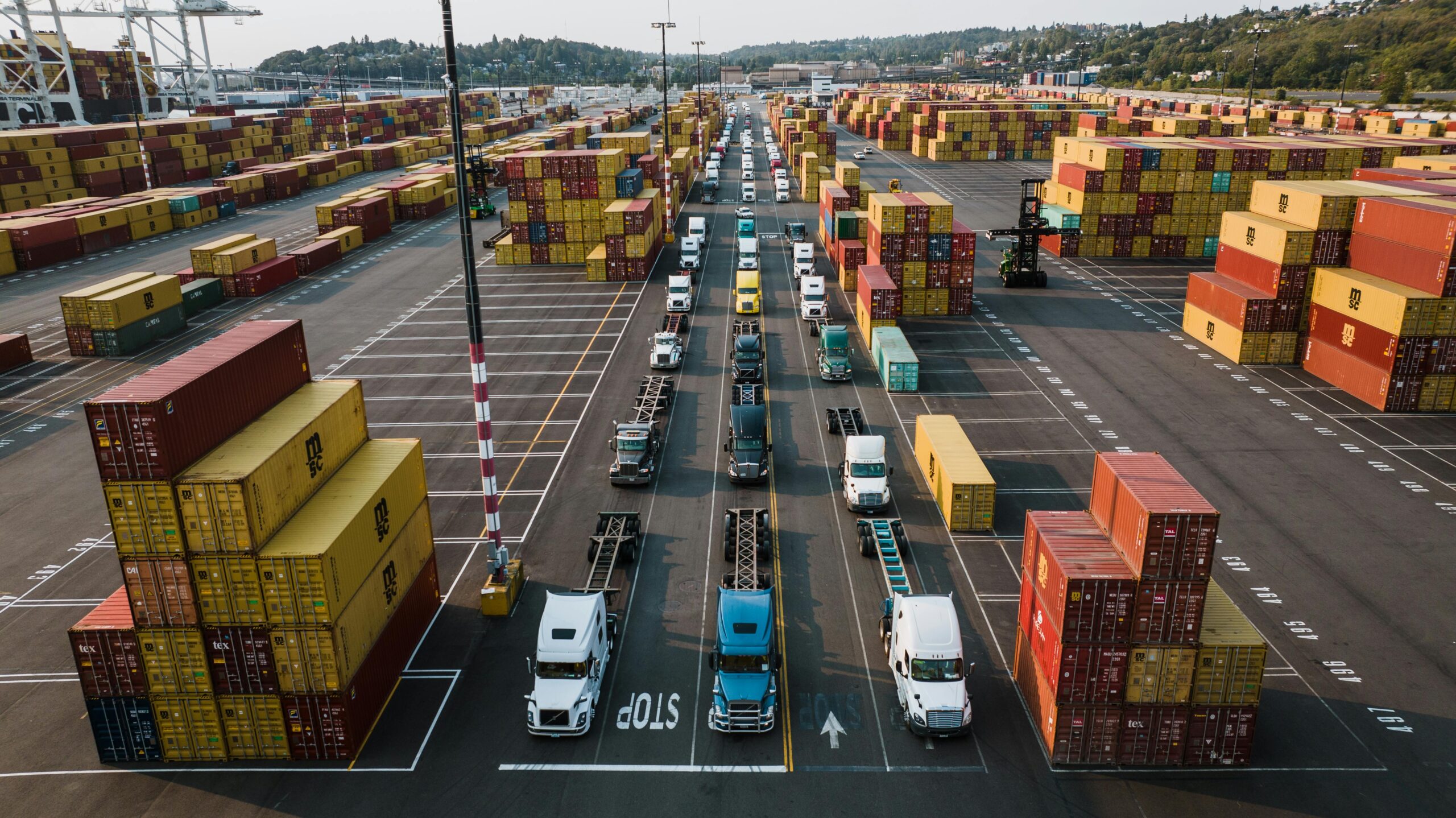
The dynamics here reward brands that understand seasonal peaks. Ramadan, Hajj, and national celebrations generate sharp spikes in consumer demand. Brands that plan their supply chain around those cycles — and have the logistics muscle to execute on them — gain a durable advantage. This is where working with an experienced commodity and distribution partner, the kind that already moves goods through GCC trade routes, makes a tangible difference in execution.
Functional Foods and Health Products
Target market: Kuwait and Qatar
This is the fastest-growing FMCG subcategory in the GCC, and two markets that often get overlooked are leading it.
The GCC functional food and beverage market was valued at $20.18 billion in 2026 and is projected to reach $56.8 billion by 2036 at a 10.9 percent CAGR. Within that regional picture, Kuwait leads all GCC countries in functional food growth at 11.8 percent CAGR. Qatar follows at 11.5 percent. Both markets benefit from extraordinary per capita wealth — Qatar's GDP per capita exceeds $85,000, combined with a growing cultural awareness around preventive health and nutrition.
The strategic case for entering Kuwait or Qatar first, rather than the UAE or Saudi Arabia, is about finding a market where your functional positioning carries more weight and competition is thinner. If your product is a probiotic beverage, a protein-enriched grain product, or a fortified cooking staple, these two markets offer a faster path to meaningful shelf presence and repeat purchase.
What You Should Do Now
The question is not which GCC market is "best." The question is which market fits your product's actual positioning.
If you sell premium or specialty food, start with the UAE. The infrastructure, the consumers, and the retail ecosystem are already aligned for you.
If you sell at volume with everyday positioning, go to Saudi Arabia. The population size and growth trajectory make it the most consequential market for scale.
If your product carries a health or functional claim and you want faster traction with less competition, Kuwait and Qatar deserve serious attention before you look at the bigger two.
Qatar, Bahrain, and Oman each carry their own logic for specific niches — Qatar's post-World Cup infrastructure and high-income base, Bahrain's open trade environment and lower entry costs, Oman's developing modern trade sector. But for most FMCG brands making their first GCC move, the decision comes down to the three frameworks above.
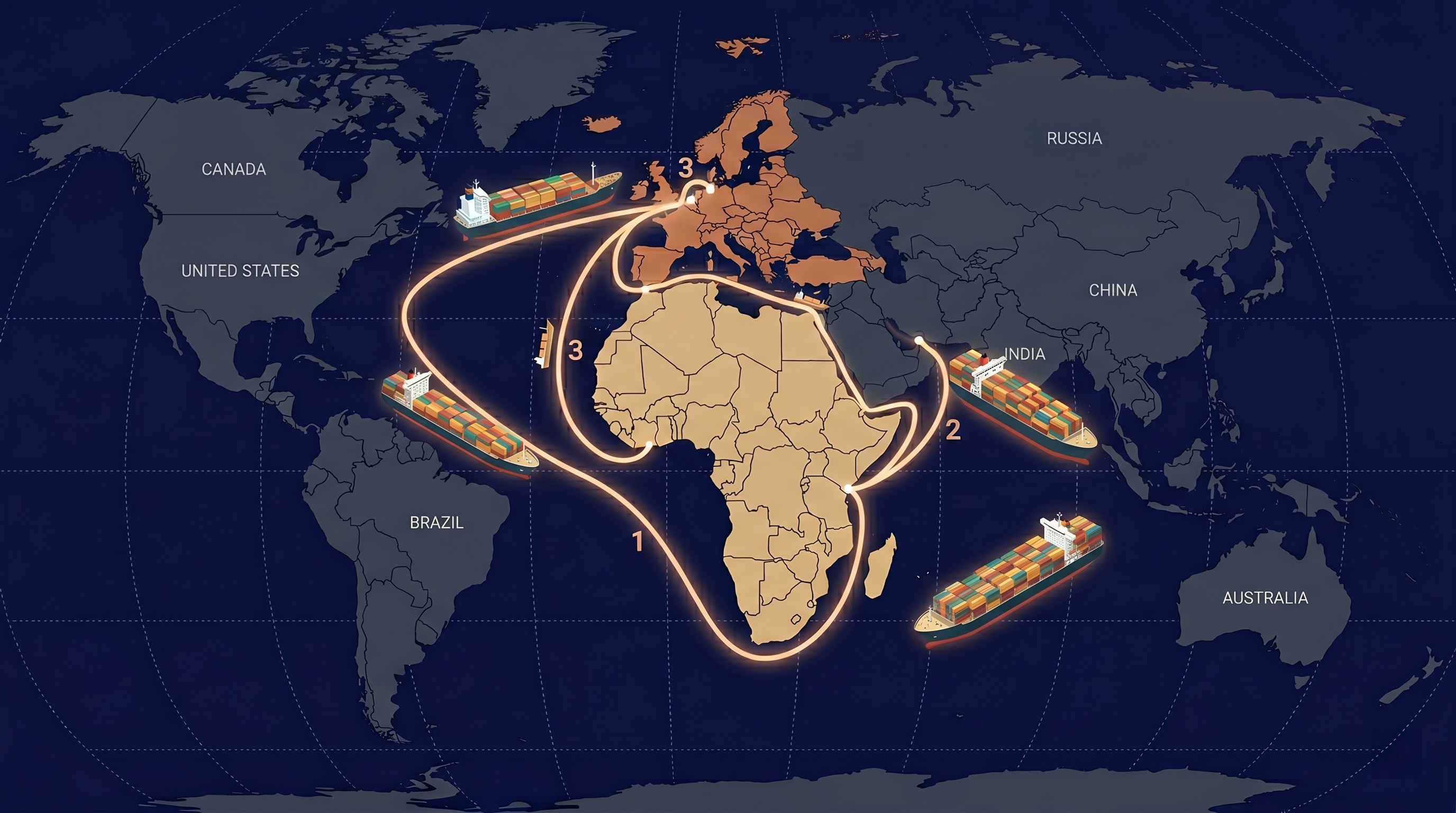
One more thing worth naming: the GCC operates on relationships. Whether you are importing grains, dry commodities, or finished consumer products, who you work with in the region determines how fast you move and how far you get. A distributor with real market depth, the right retail connections, and an understanding of supply chain dynamics from origin to shelf is not a nice-to-have. It is the decision that determines whether your entry succeeds or stalls.
If you have an FMCG product and are considering the GCC, we are happy to talk through your options. ASAFI works across trade routes, supply chains, and distribution networks throughout the region. Reach out at info@asafi.com or through the contact page at asafi.com.
Sources: Bagason Distribution Insights — UAE FMCG Market Size 2026: https://www.bagason.com/blog/distribution-insights-1/uae-fmcg-market-size-2026-statistics-growth-trends-638, Future Market Insights — GCC Functional Food and Beverage Market 2026–2036: https://www.futuremarketinsights.com/reports/gcc-functional-food-beverage-market, Mordor Intelligence — Saudi Arabia Food and Beverages Market 2026–2031: https://www.mordorintelligence.com/industry-reports/saudi-arabia-food-and-beverage-market, Cross Arabia — FMCG Distribution in Saudi Arabia 2025: https://crossarabia.com/saudi-arabias-fmcg-market-distribution-insights-for-2025/, Maersk — Top Trends Driving FMCG Growth in Saudi Arabia and UAE: https://www.maersk.com/insights/growth/2025/10/28/top-fmcg-trends-in-saudi-arabia-and-uae, Mordor Intelligence — GCC Foodservice Market 2026–2031: https://www.mordorintelligence.com/industry-reports/gcc-foodservice-market, PwC — Five GCC Economic Themes to Watch in 2026: https://www.pwc.com/m1/en/blog/five-economic-themes-to-watch-2026-gcc.html, World Economic Forum — How Gulf Countries Golden Schemes Are Paving the Way to a Sustainable Future: https://www.weforum.org/stories/2025/04/gulf-countries-golden-schemes/