How to Choose a Long- Term Commodity Supplier: 7 Essential Factors.
A government buyer in West Africa once signed a contract for 50,000 metric tons of wheat. On paper, the deal looked clean. The price was right, the timelines were tight, and the supplier had a polished pitch deck. Three months later, the shipment arrived short by 8,000 tons, failed moisture content tests, and triggered a national food shortage scare.
The contract was not the problem. The supplier was.
In commodity trading, your supplier is not just a vendor. They are a direct extension of your credibility, your reliability, and in some cases, your country's food security. Choosing the wrong one does not just cost you money. It costs you trust, and trust is not easily rebuilt in this industry.
So what does a good supplier actually look like? And what should you check before you sign?
1. Quality Certification First
Every serious commodity supplier will hand you a stack of certificates. ISO 22000, HACCP, BRCGS, organic certifications, phytosanitary clearances. These matter. But they tell you what a supplier was capable of at the time of their last audit. They do not tell you what is happening in their silos and processing facilities right now.
Third party verification closes that gap. Reputable inspection firms like SGS, Bureau Veritas, and Intertek conduct pre-shipment inspections that assess moisture content, foreign matter levels, protein content, aflatoxin levels, and dozens of other quality indicators depending on the commodity. For grains and pulses especially, moisture control is critical. A load of chickpeas stored at even slightly elevated humidity can arrive moldy, chemically altered, and entirely unsellable.
Ask your supplier which inspection protocols they follow. Ask who verifies them. Then ask to see the actual lab reports, not just the summary certifications.
2. Traceability From Farm to Freight
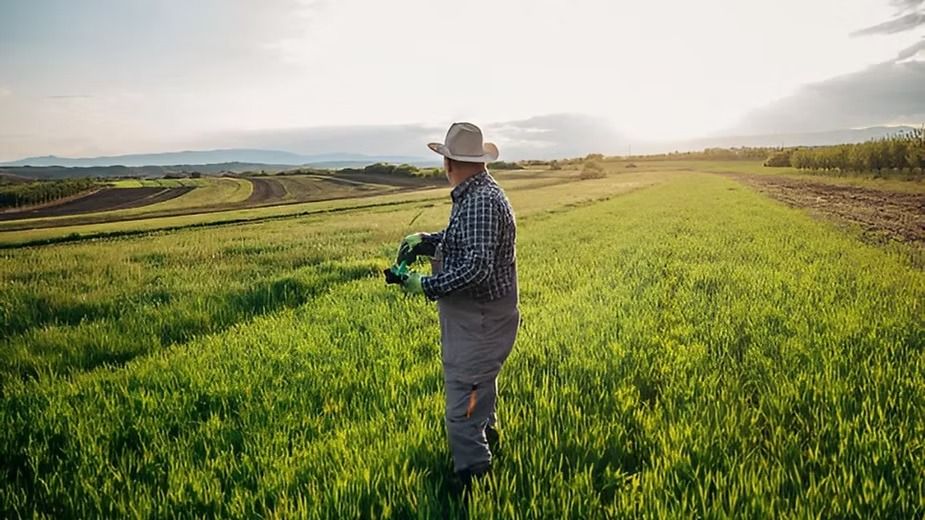
You need to know where the commodity came from before it reached your supplier.
The ability to trace a product back to its origin protects you from fraud, from contamination events, and from sourcing products linked to deforestation, forced labor, or other practices that can expose you to legal and reputational risk in your destination markets.
The European Union's Deforestation Regulation, which applies to commodities like coffee and grains, now requires importers to prove that products were not grown on deforested land. Buyers targeting regulated markets who cannot provide that traceability are simply blocked from selling there.
A supplier with genuine traceability infrastructure can show you origin documentation, GPS coordinates of production zones, and in some cases, blockchain verified records that confirm every step the commodity took between a farmer and a freight container. When a supplier can confirm that their processing aligns with legal requirements for product designation, that origin claims are accurate, and that relevant batch information is available for rapid identification, you are dealing with a professional operation.
If a supplier cannot tell you where their product came from, they are hiding something. Or they simply do not know. Either answer is a problem.
3. Logistics Capability and Track Record
A supplier who can grow or source a commodity and a supplier who can reliably deliver it across continents are not always the same thing.
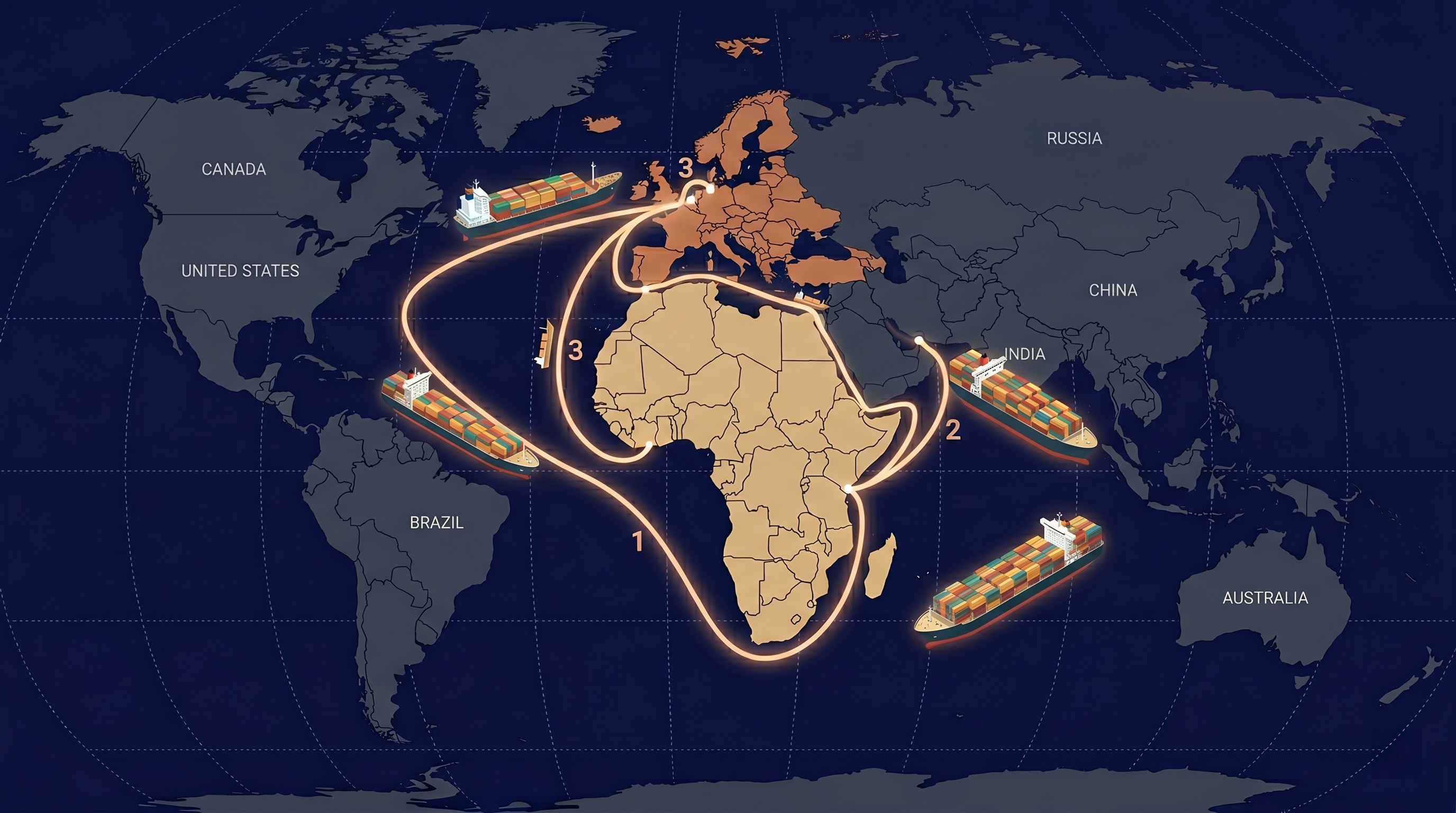
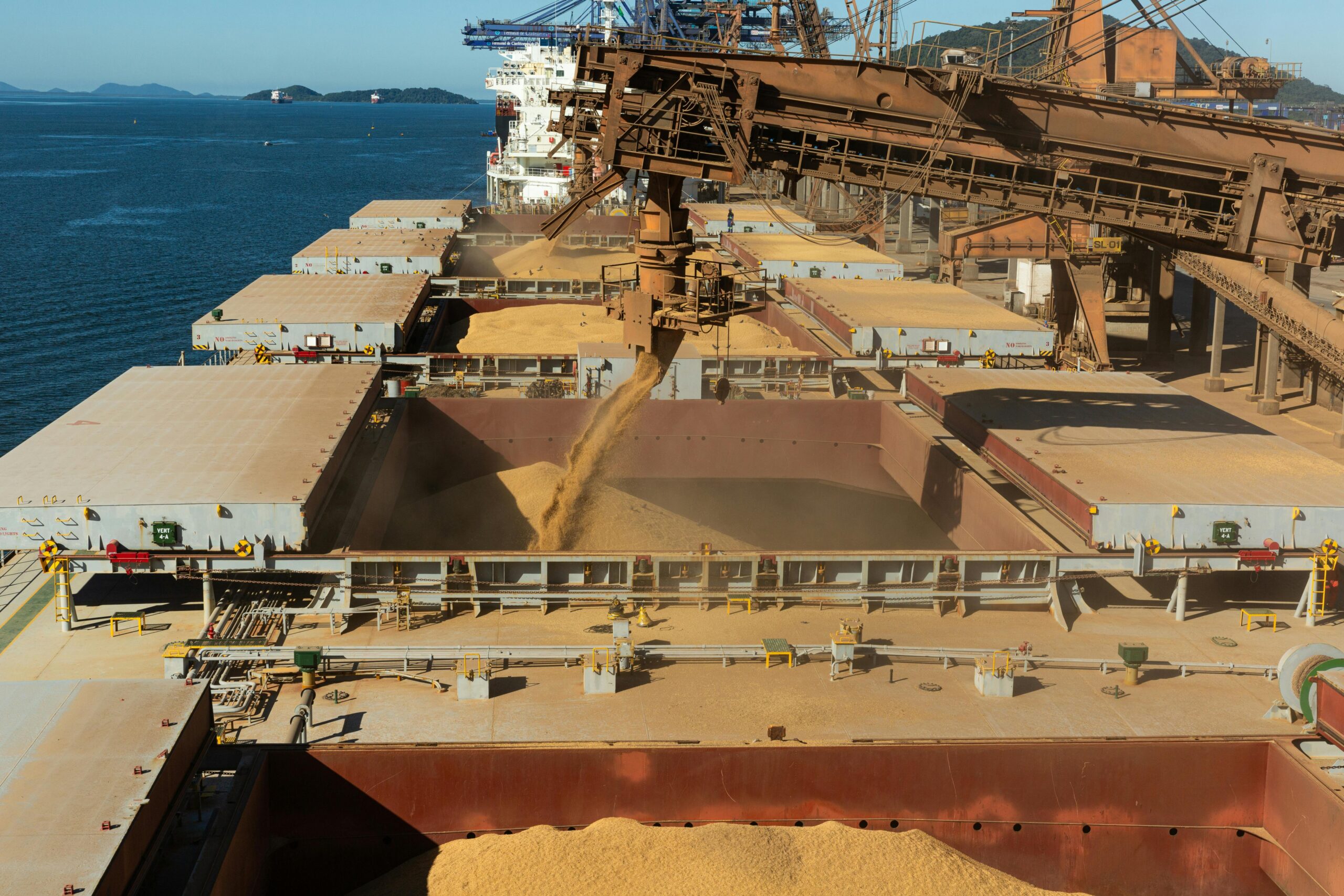
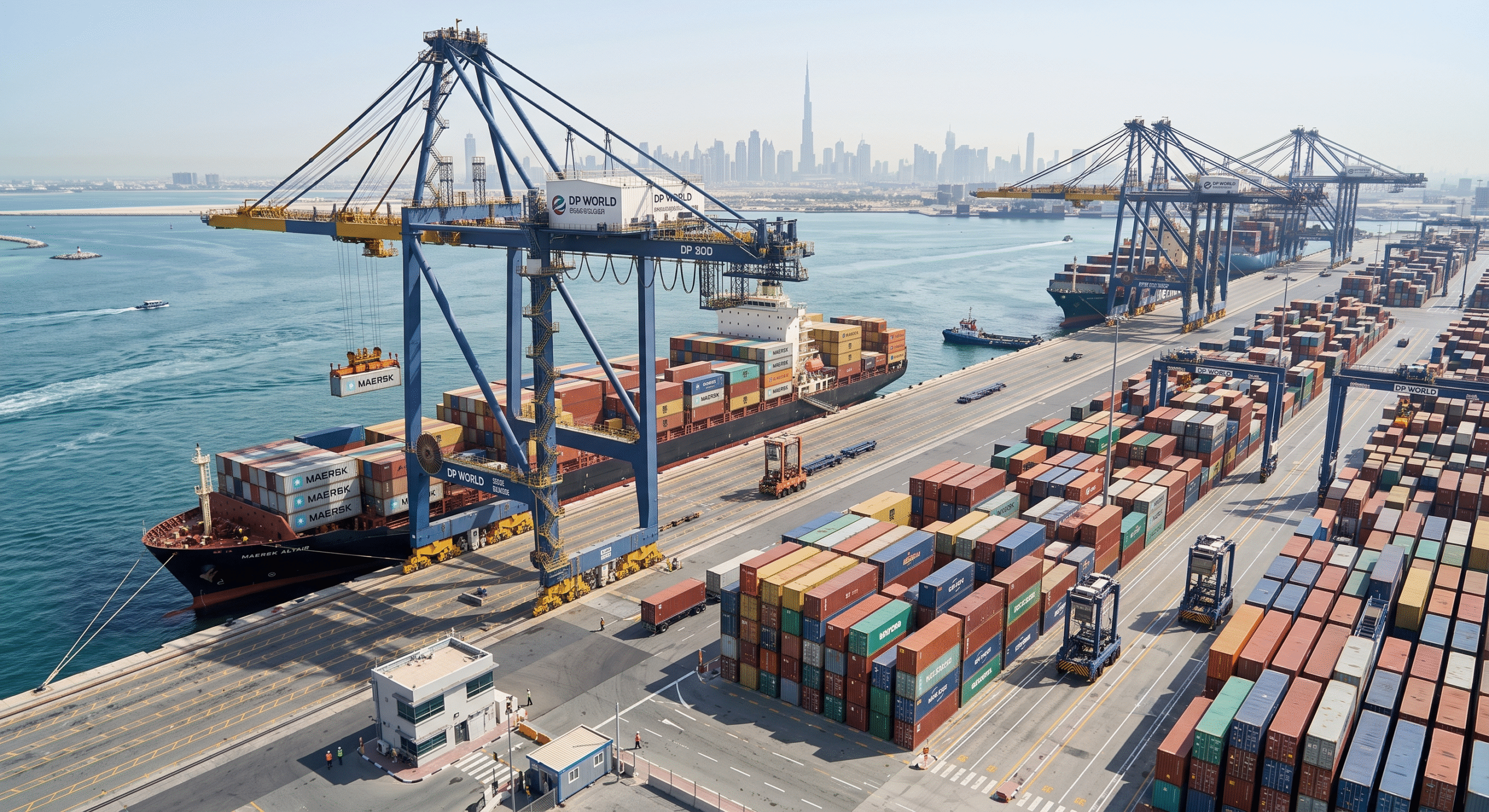
Global commodity logistics involves vessel booking, freight forwarding, port agent relationships, customs documentation, and real-time cargo tracking. For bulk shipments of grains and pulses, delays at port can mean demurrage charges that run into thousands of dollars per day. Missed shipping windows can cascade into spoilage, contractual penalties, and broken downstream supply chains.
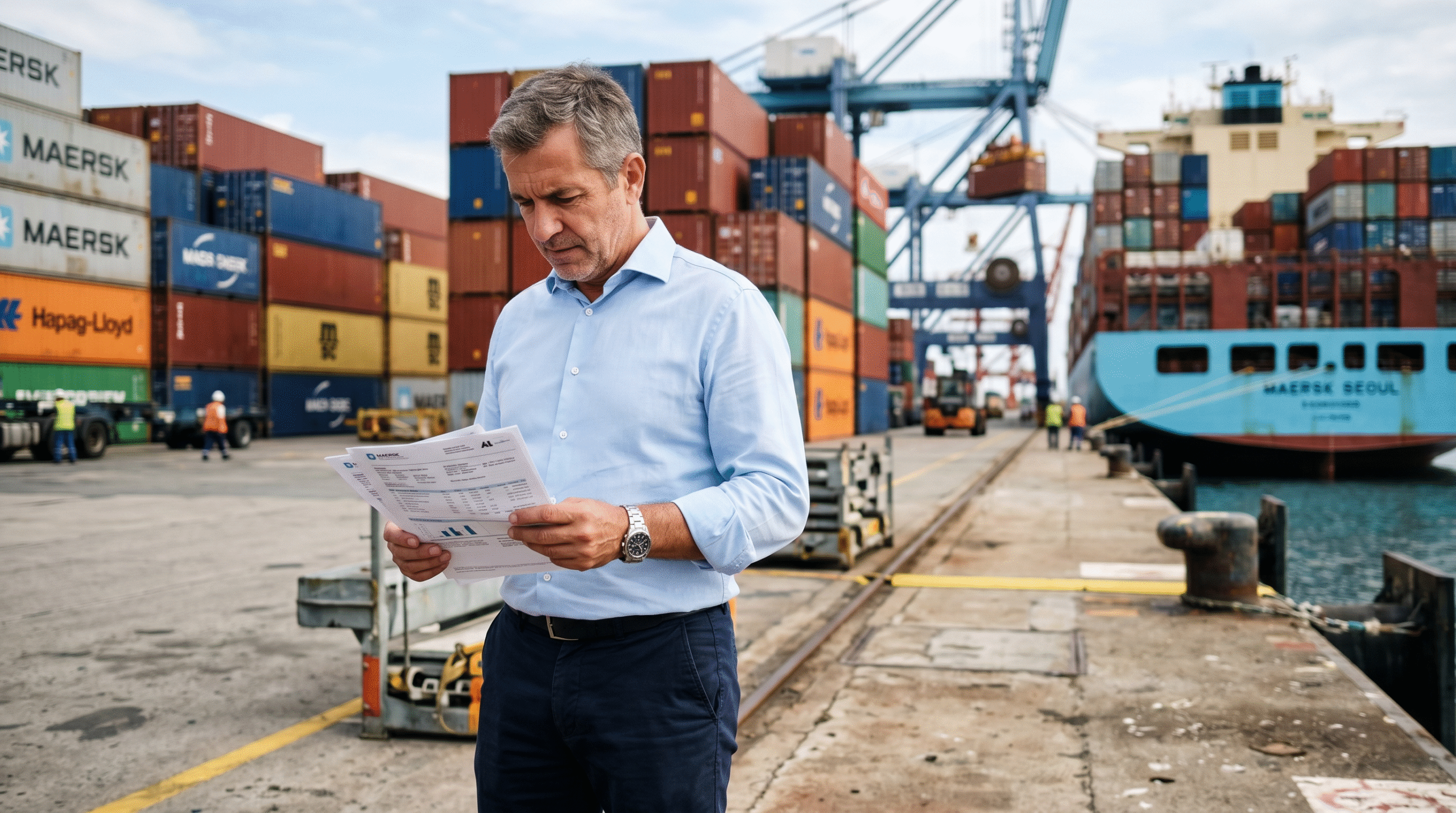
Before committing to a supplier, check their logistics track record. How many shipments did they execute in the past 12 months? What was their on-time delivery rate? Do they manage their own logistics or outsource entirely? What happens when a shipment is delayed?
A supplier with strong logistics capability will manage a sophisticated network of transportation solutions, optimize routes, maintain carrier relationships, and use tracking technologies that give you real-time visibility over your shipment. If a supplier cannot give you a tracking update without a phone call, they do not have the infrastructure you need.
4. Financial Stability and Contract Compliance
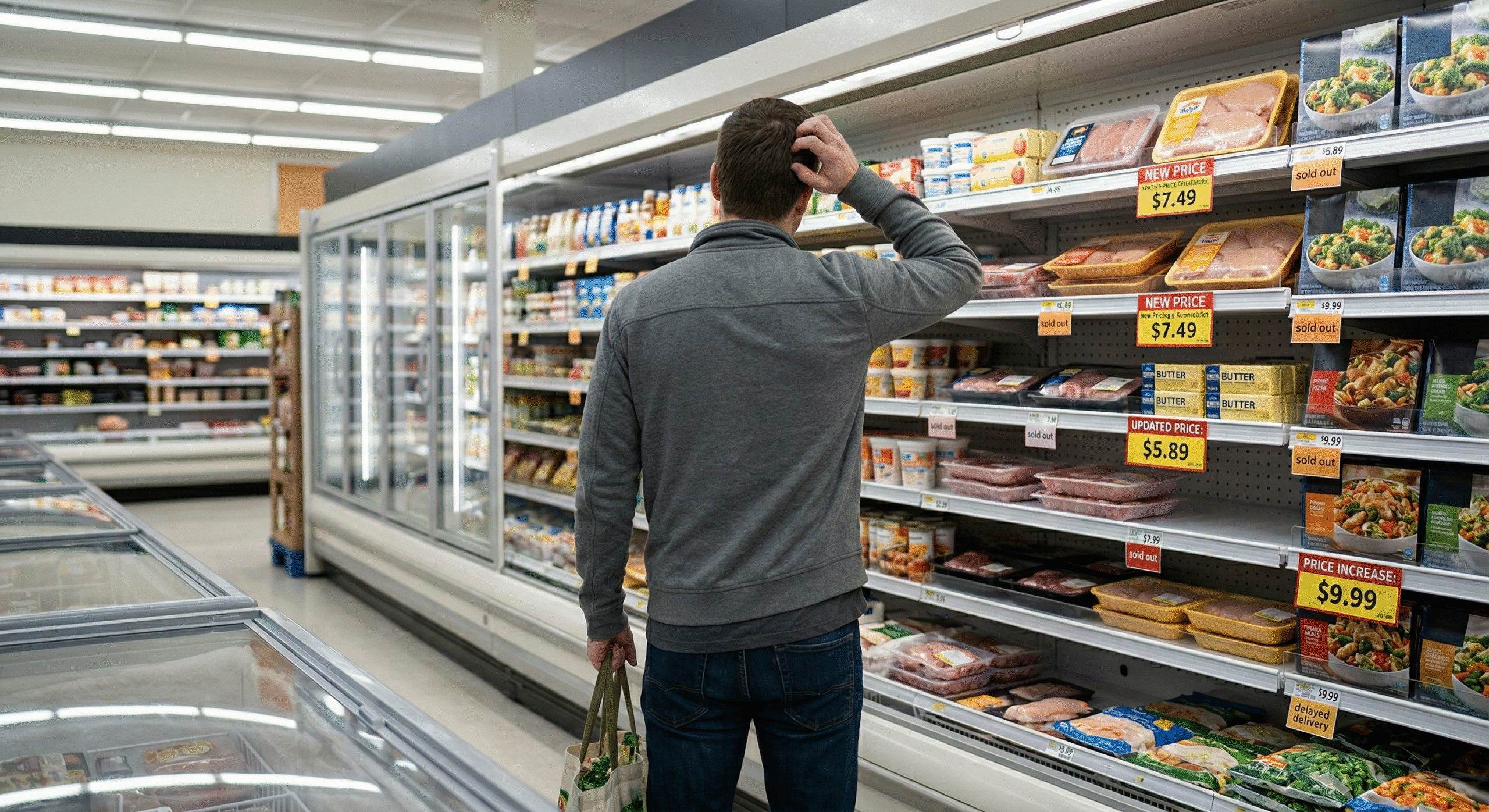
Commodity markets are volatile. Wheat prices, green coffee prices, and pulse prices can swing dramatically within weeks due to weather, geopolitical events, and currency shifts. When prices move against a supplier, less stable counterparties face pressure to default, deliver short, or substitute with lower quality goods.
You protect yourself by checking your supplier's financial health before you lock in a long-term contract. Ask for references from other major buyers. Review whether they have had previous dispute records. Check whether they have access to credit lines and trade financing that allow them to honor contracts even when market conditions tighten.
Supplier diversification strategies must now account for tariff risk as a formal variable alongside quality, price, and lead time. That means spreading your sourcing across multiple suppliers and origins wherever possible, so that a single counterparty failure does not bring your entire supply to a halt.
5. Regulatory Compliance Across Targeted Markets
The commodity that is legal to trade in one country may be subject to strict phytosanitary restrictions in another. Import quotas, maximum residue limits for pesticides, aflatoxin tolerances, and country of origin requirements vary market by market. Your supplier needs to understand the destination market's requirements, not just their own country's export regulations.
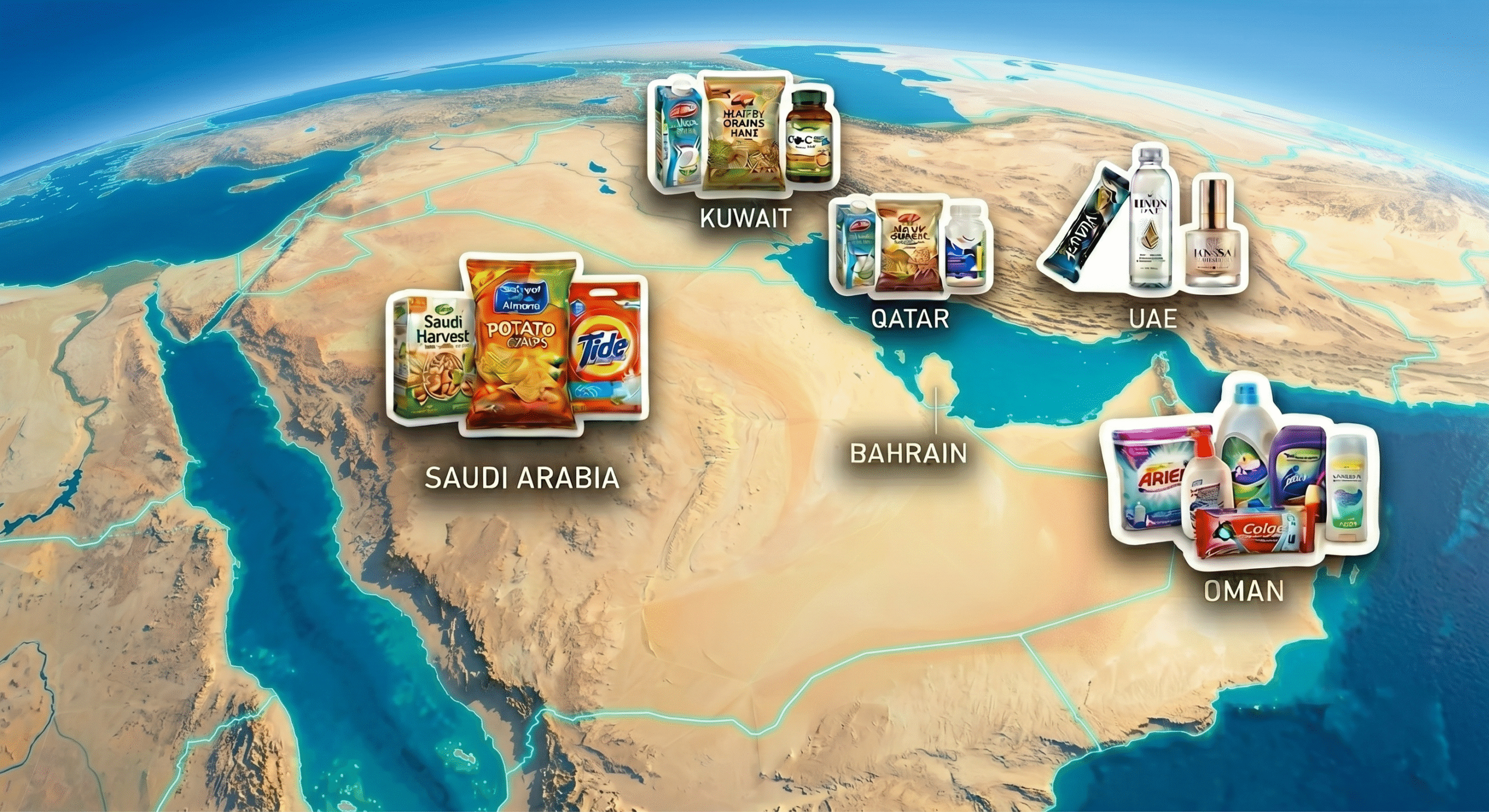
This matters especially for grain and pulse shipments destined for GCC countries, which have specific requirements around country of origin labeling and food safety standards. Green coffee buyers sourcing for European roasters face increasingly strict sustainability certification requirements.
A supplier who is not current on destination market regulations will create compliance problems that land on your desk, not theirs. Ask them directly which markets they have successfully supplied. Ask which certifications and documentation they routinely prepare. A supplier who has never shipped to your target market is a higher risk proposition than one with an established track record there.
6. Sustainability and Ethical Sourcing
This used to be the last item on the list. Now it is moving to the top.
Major institutional buyers, including governments, food manufacturers, and retail chains, increasingly require verified sustainability credentials as a condition of purchase. Suppliers linked to environmentally damaging practices or labor rights violations can expose you to regulatory sanctions, reputational damage, and loss of contracts.
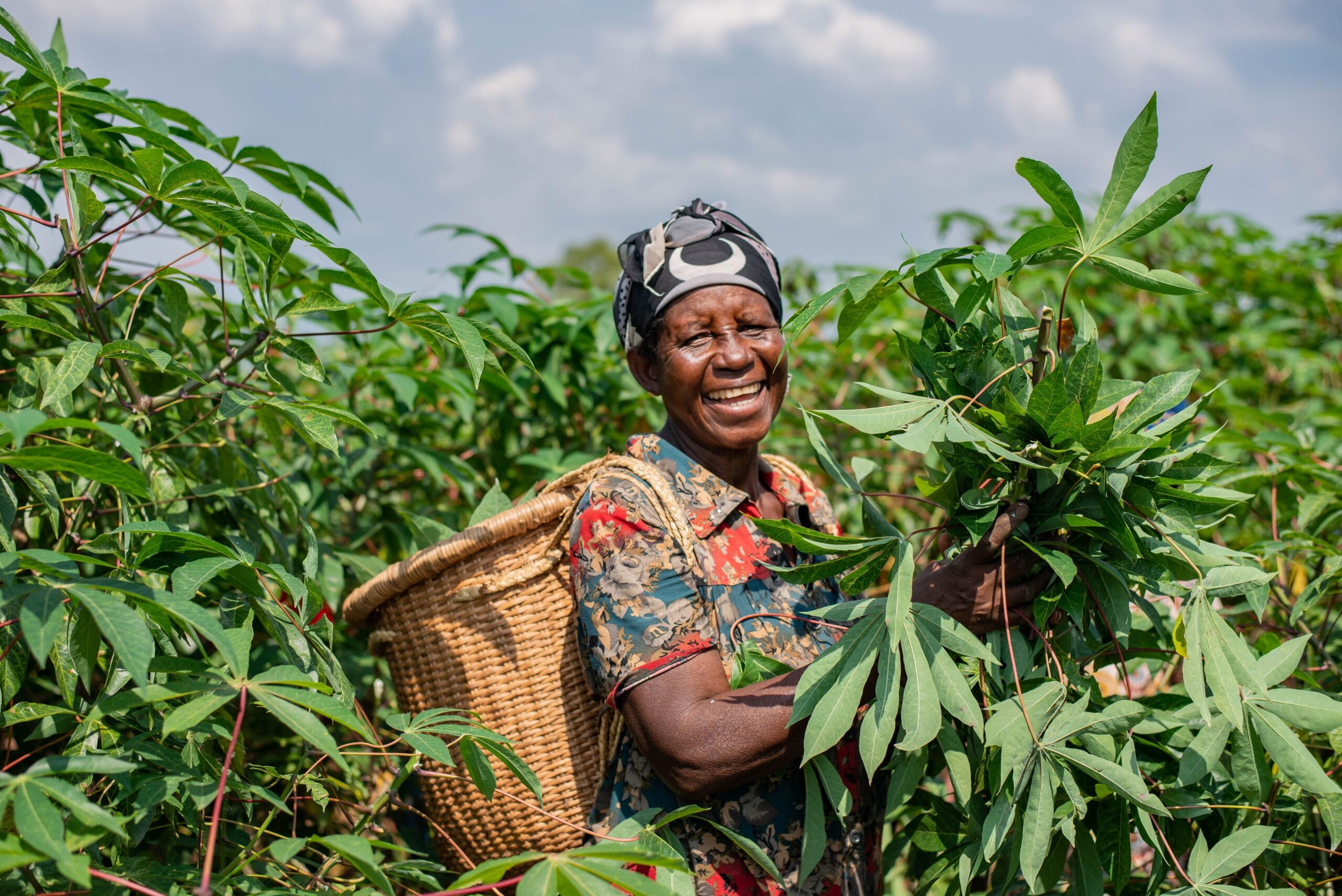
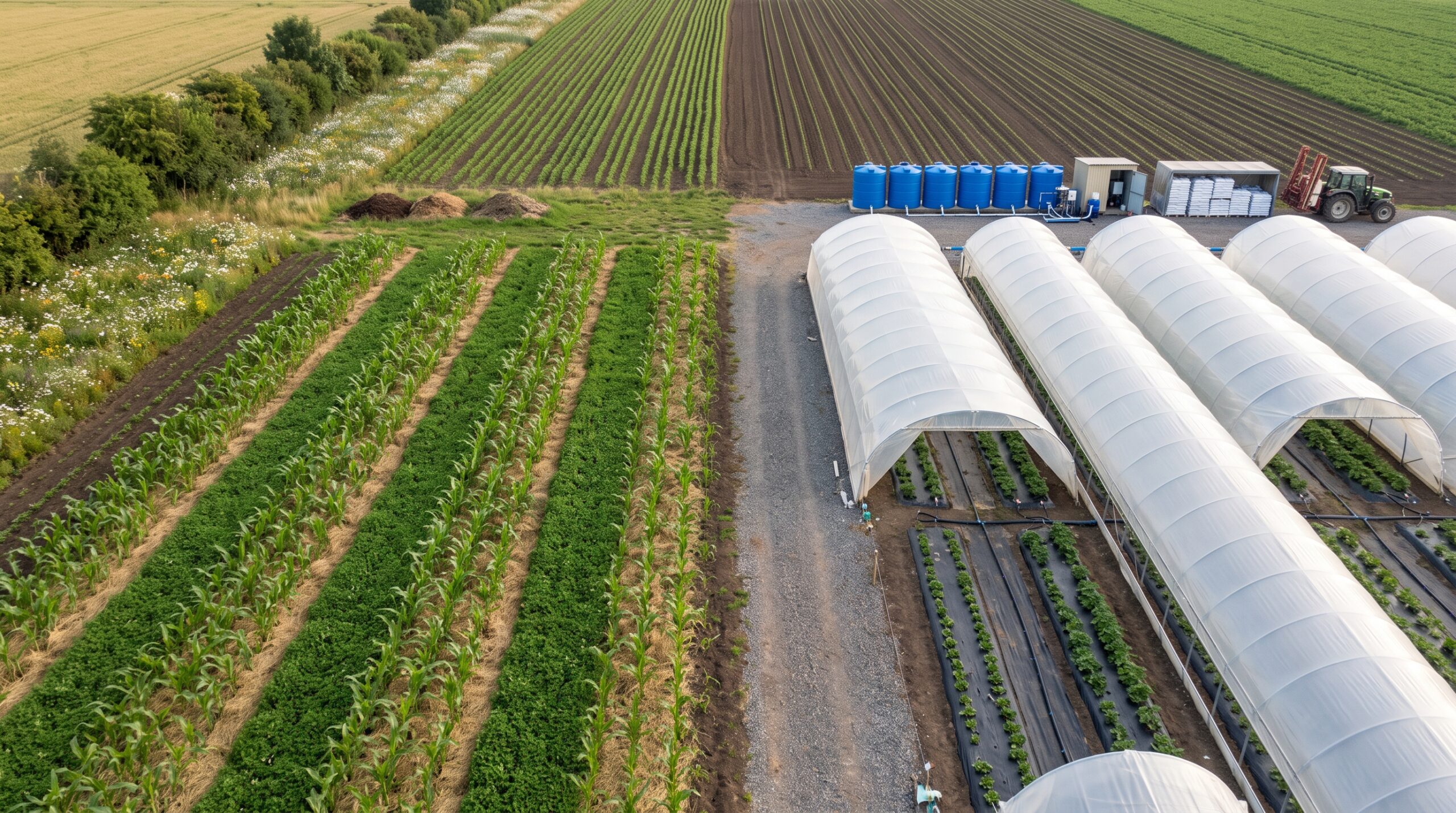
Sustainable sourcing is not just about compliance. It is about supply chain security. Suppliers who engage directly with farmers, invest in soil health, and maintain long-term growing relationships are more resilient. They are less vulnerable to the kind of production shocks that have rattled commodity markets in recent years.
ASAFI's sourcing approach reflects this reality. Their teams evaluate suppliers based on quality standards, ethical practices, and sustainable farming methods, recognizing that the integrity of the supply chain starts at the point of production. For buyers across the Global South and GCC markets, working with a trading partner who applies that level of diligence upstream provides a layer of protection that price alone can never give you.
7. Communication, Relationship Depth
None of the above factors matter if your supplier goes quiet the moment a problem arises.
In commodity trading, problems are not exceptional. They are part of the business. Vessels are delayed. Crops underperform. Inspections flag issues. The question is not whether challenges will arise. The question is how your supplier behaves when they do.
A supplier worth working with picks up the phone before you call them. They send updates before you ask. They present solutions alongside problems. They have account managers who understand your business, not just salespeople chasing the next deal.
Before you sign a major contract, run a smaller test shipment if you can. How the supplier manages a 500 ton test order tells you everything you need to know about how they will manage 50,000 tons.
Getting the Decision Right
Choosing a commodity supplier is not a procurement exercise. It is a business risk decision that affects your ability to deliver to your own customers, meet your contractual obligations, and protect the people who depend on the food you move.
The cheapest offer is rarely the least expensive option in the long run.