Retail VS Online F&B UAE Market: Which One Offers a Higher Profit Margin?
A brand owner in Dubai once told us. Her sales had doubled in one year. Online orders were flying. Every metric looked strong. But her bank account told a completely different story. She was making more revenue and keeping less of it.
That gap between revenue and margin is the real conversation no one in the UAE F&B space wants to have out loud. Everyone talks about growth. Few talk about what actually survives after the platform takes its cut, after the distributor collects its percentage, after the packaging and logistics bills land.
So here is the honest answer. Neither channel automatically gives you a higher margin.
What matters is understanding exactly what each one costs you, and then matching that to your product.
What Online Actually Costs You
The appeal of online is real. You skip the physical shelf. You skip the expensive in-store promotions. You reach a customer in Dubai Marina while sitting in an office in Business Bay. The UAE online grocery market reached USD 3.4 billion in 2024 and is projected to hit USD 18.3 billion by 2033. The volume is there.
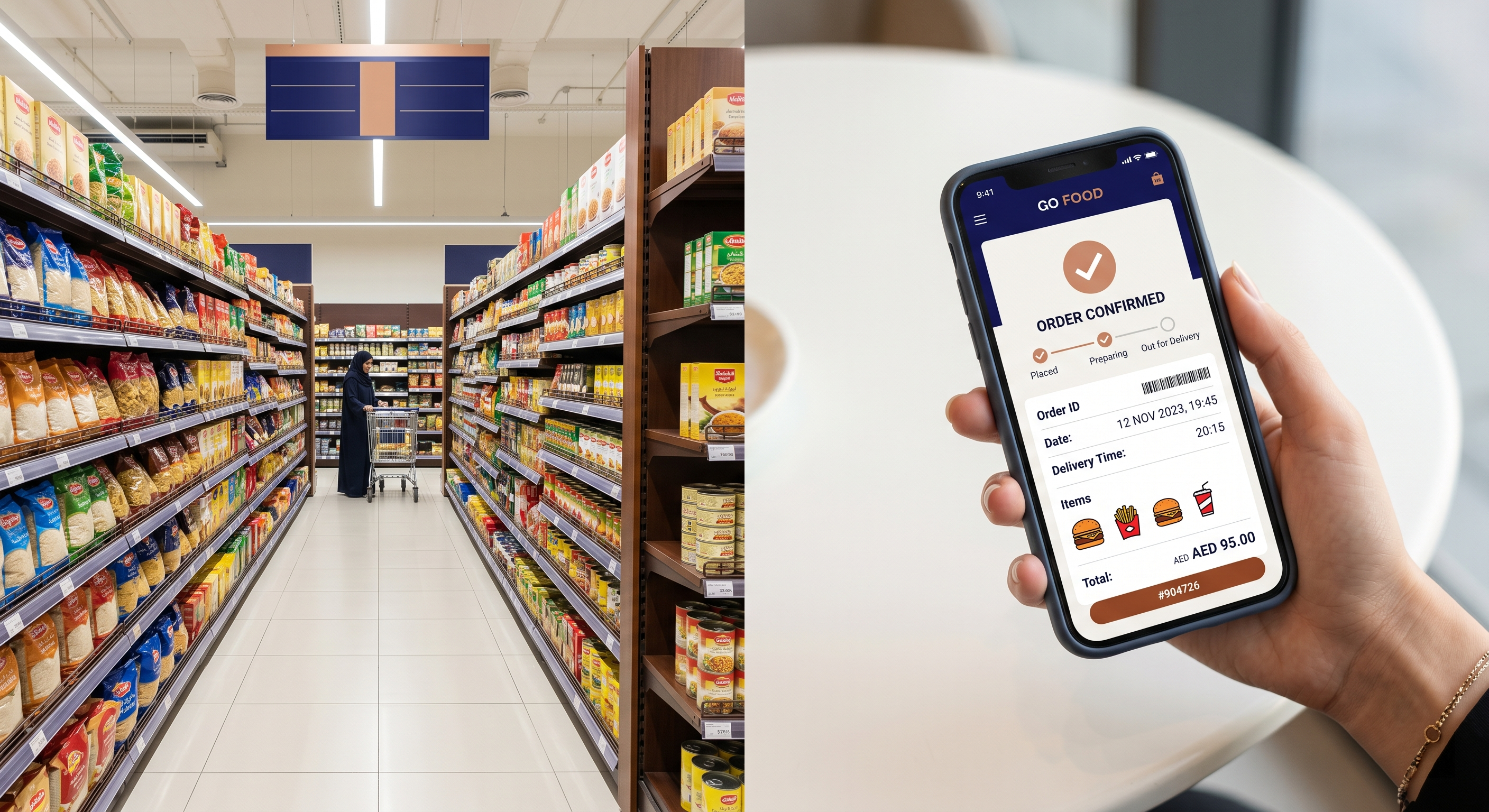
But the moment you list on Talabat, Deliveroo, or Noon Food, a fee structure activates that most brands underestimate. Platform commission rates in the UAE typically fall between 20% and 30% of the total order value, covering delivery, payment processing, and platform access. For premium placements, featured listings, or promotional campaigns, that number climbs further.
Run the numbers on a product that retails for AED 50. A 25% platform commission leaves you with AED 37.50 before you account for packaging, the cost of goods, last-mile logistics, or returns. If your gross margin on that product was 40%, you just handed most of it to the platform. Your net margin on that order could easily fall below 5%, and that is before factoring in the cost of acquiring that customer in the first place.
Restaurants relying exclusively on third-party delivery apps in the UAE are seeing profits shrink due to commission fees that average 25% to 35% per order. F&B brands selling packaged goods face the same math.
What Physical Retail Actually Costs You
Physical retail has its own fee structure. It is just less visible.
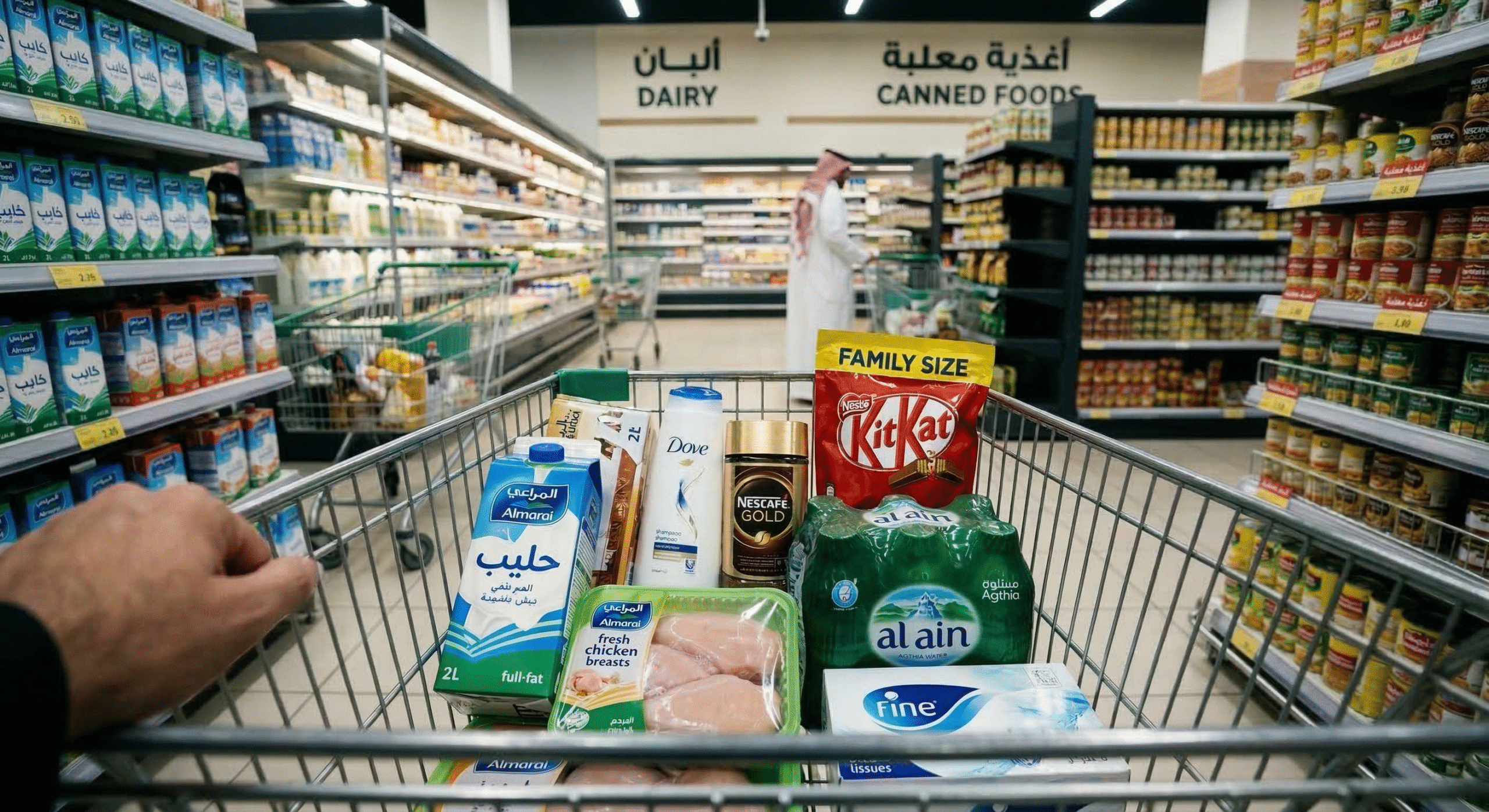
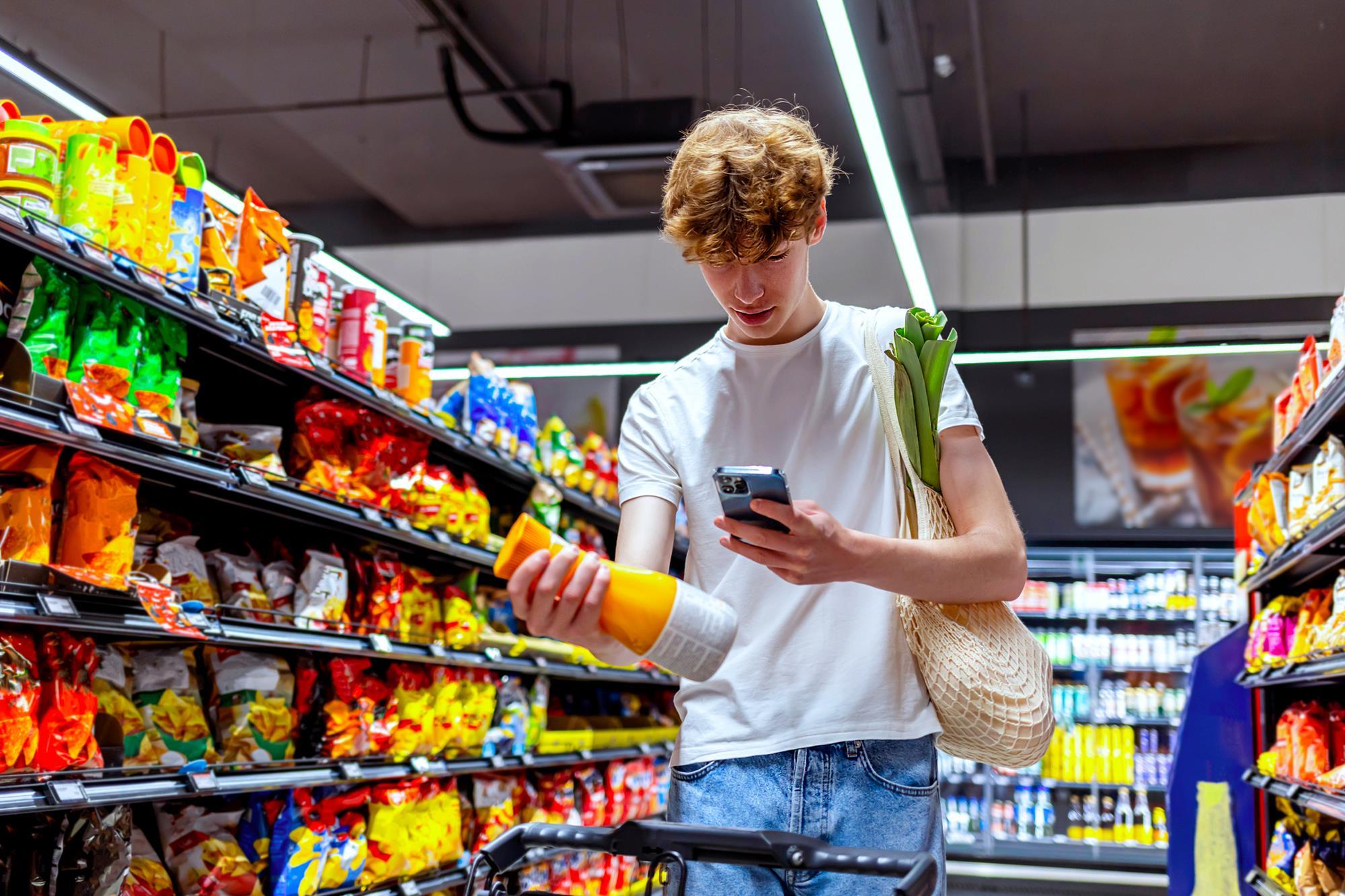
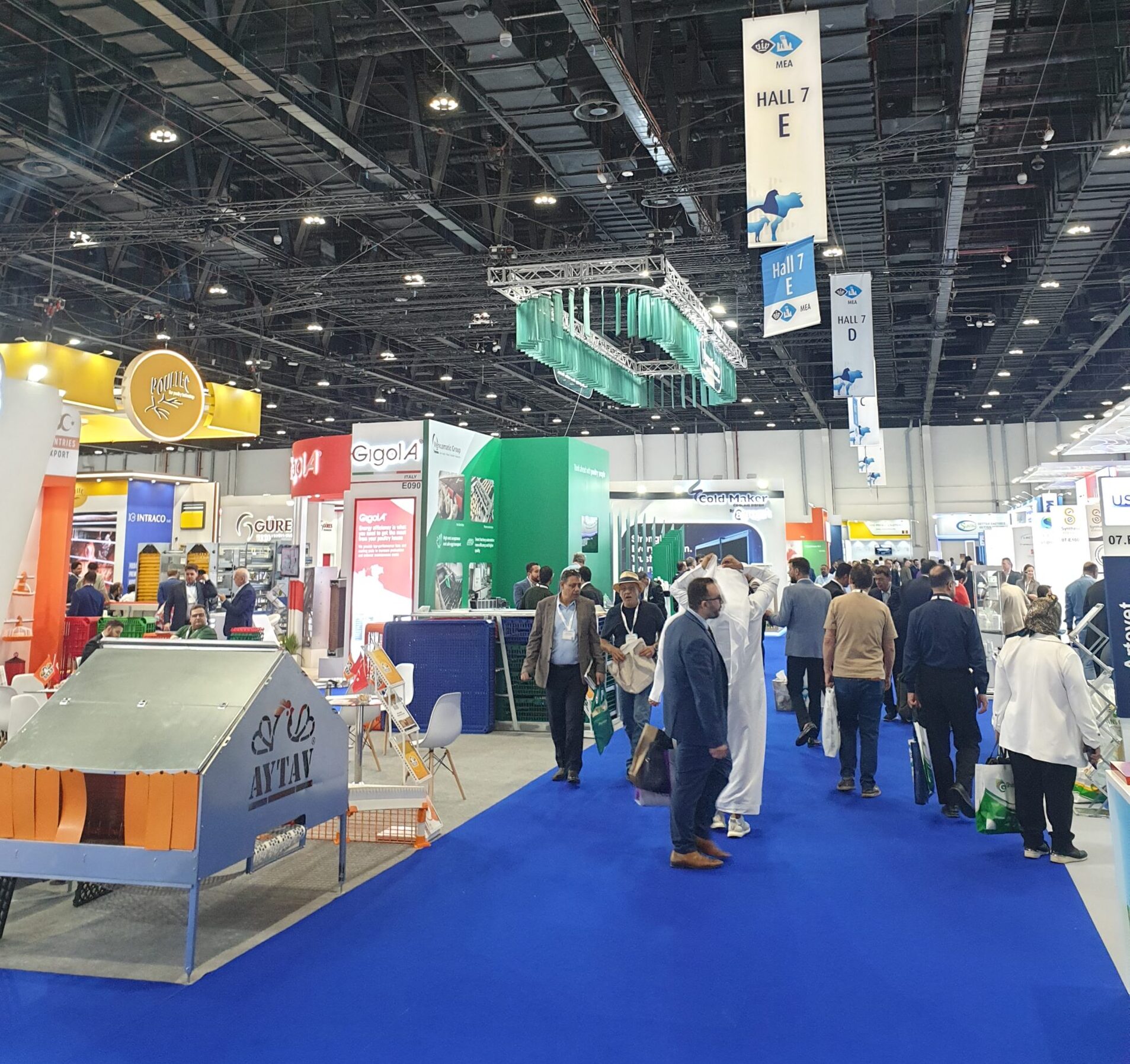
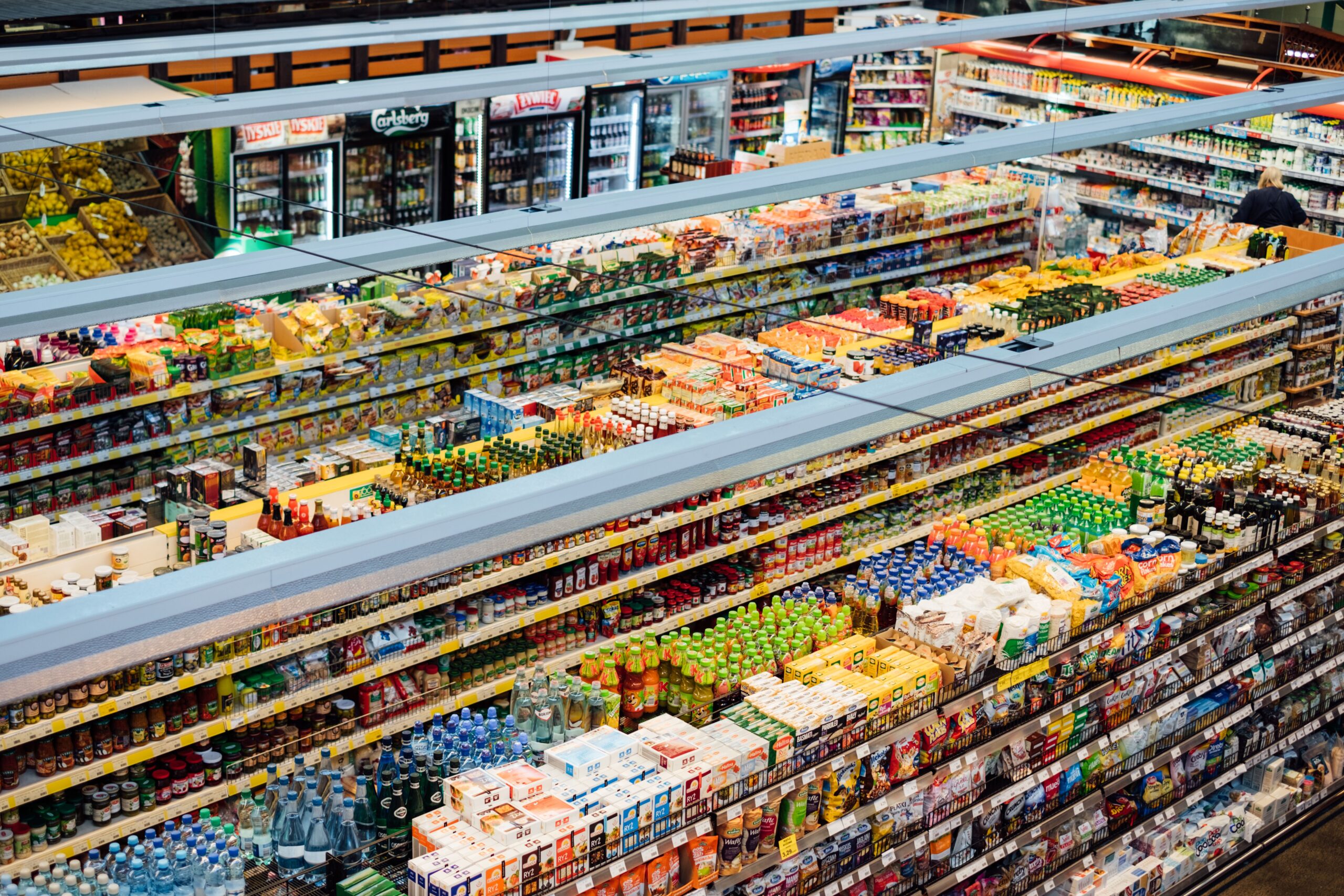
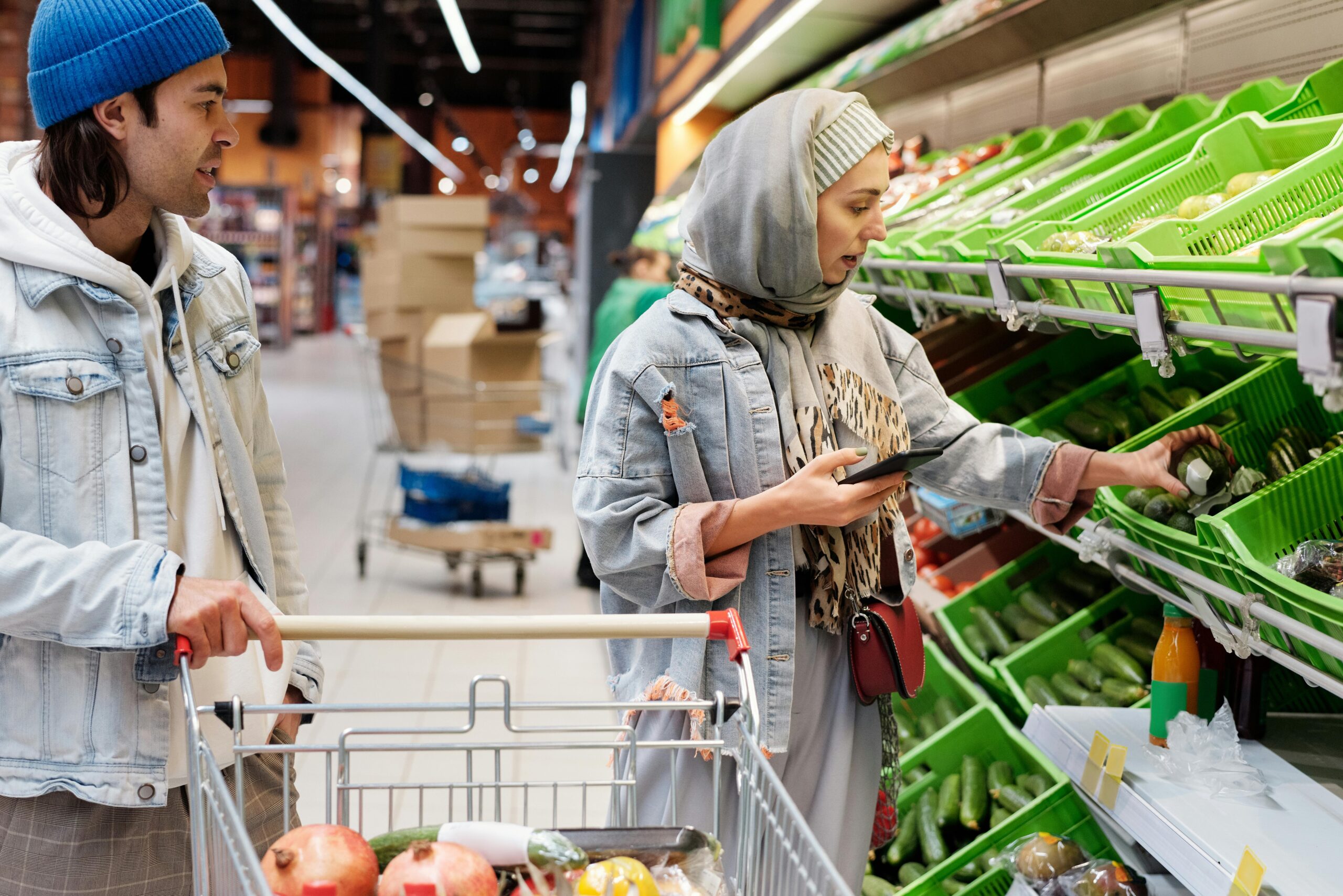
To get your product into a UAE hypermarket or supermarket, you typically work through a distributor. That distributor takes 20% to 30% of your wholesale price as their margin. The retailer then adds their own markup on top. By the time your product sits on a Carrefour shelf, you may have already surrendered 40% to 50% of the final retail price to intermediaries before a single unit sells.
Add slotting fees (the cost of securing shelf space), in-store promotional requirements, and mandatory participation in retail discount campaigns, and the real cost of physical retail for a food brand is rarely below 35% of revenue.
Market saturation in UAE retail leads to price wars and reduced profit margins, which can affect business sustainability, forcing brands to rely heavily on discounts rather than delivering genuine value.
So physical retail is not cheap either. The difference is that its costs are distributed across more parties and buried in contracts, while online platform fees show up as a clean line item after every order.
Who Actually Wins on Margin?
The honest comparison looks like this. Physical retail through a traditional distributor typically leaves a food brand with a net gross margin of 15% to 25% on the shelf price, depending on category, volume, and distributor terms. Online through a third-party platform leaves you with roughly 10% to 20%, once commissions, packaging, and logistics are accounted for. The gap is real but not dramatic.
The true margin winner is direct online, meaning your own website or app where no platform takes a commission. Every dirham of gross margin stays with you. The problem is volume. Building your own direct channel in a market dominated by Talabat, Noon, and Carrefour requires serious marketing investment, and that investment eats margin in a different way.
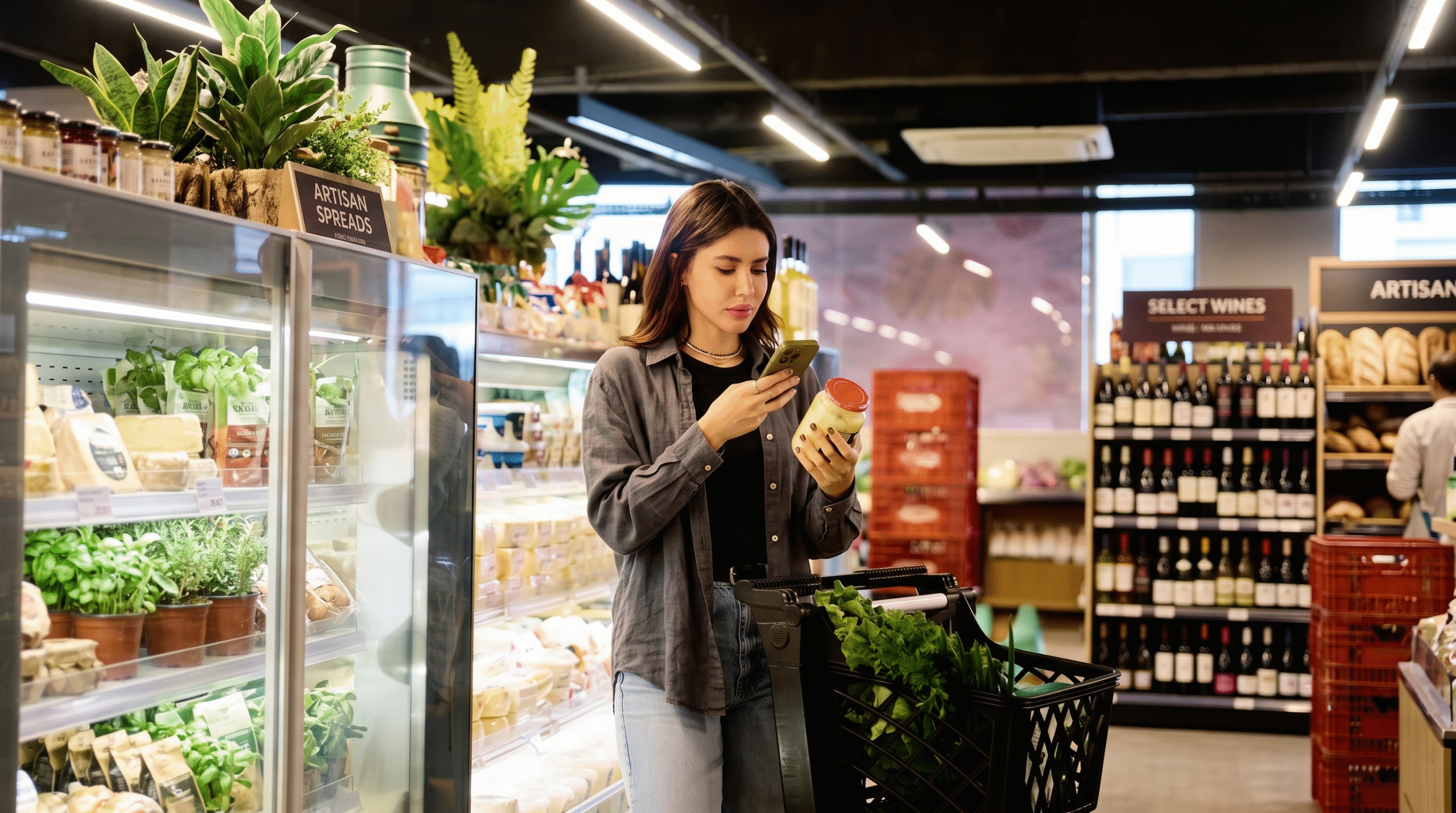
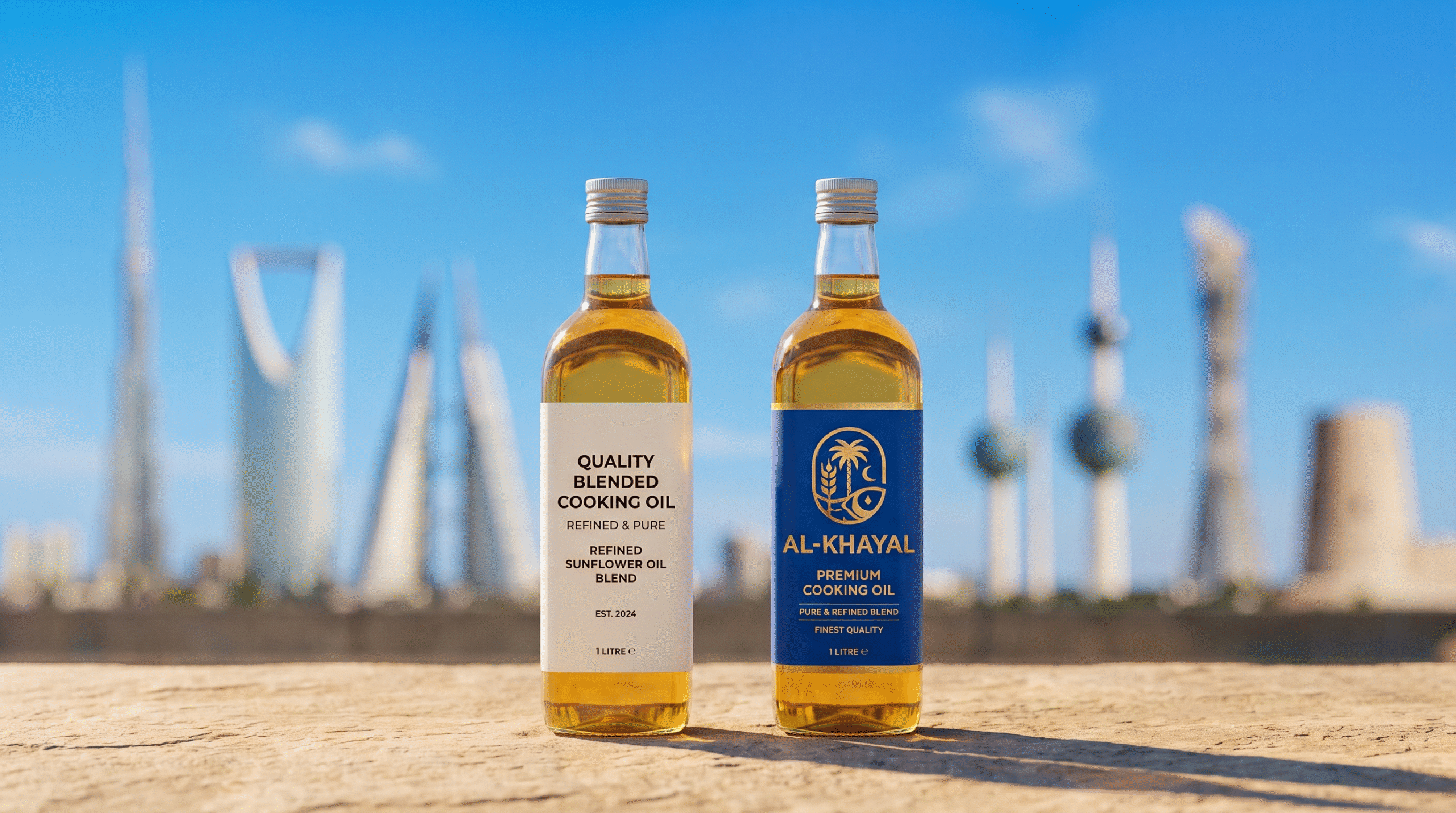
The category also matters enormously. High-ticket, low-frequency items like premium oils, specialty grains, or artisan products tend to perform better online where the customer is making a considered purchase and your margin can absorb delivery costs. Fast-moving, low-ticket items, think everyday cooking staples, rice, pulses, canned goods, tend to do better in physical retail where impulse and convenience drive volume that compensates for thinner per-unit margins.
So Which One Should You Choose
Based on your category . High-ticket, low-frequency items like premium oils, specialty grains, or artisan products tend to perform better online where the customer is making a considered purchase and your margin can absorb delivery costs. Fast-moving, low-ticket items, think everyday cooking staples, rice, pulses, canned goods, tend to do better in physical retail where impulse and convenience drive volume that compensates for thinner per-unit margins.
Bottom Line is This
You do not have to choose one channel and abandon the other. The UAE F&B brands growing most consistently use physical retail to build trust, online platforms to capture convenience demand, and direct channels to protect margin on their highest-value products.