The Middle East is Building New Trade Routes, Which one will your shipment take?
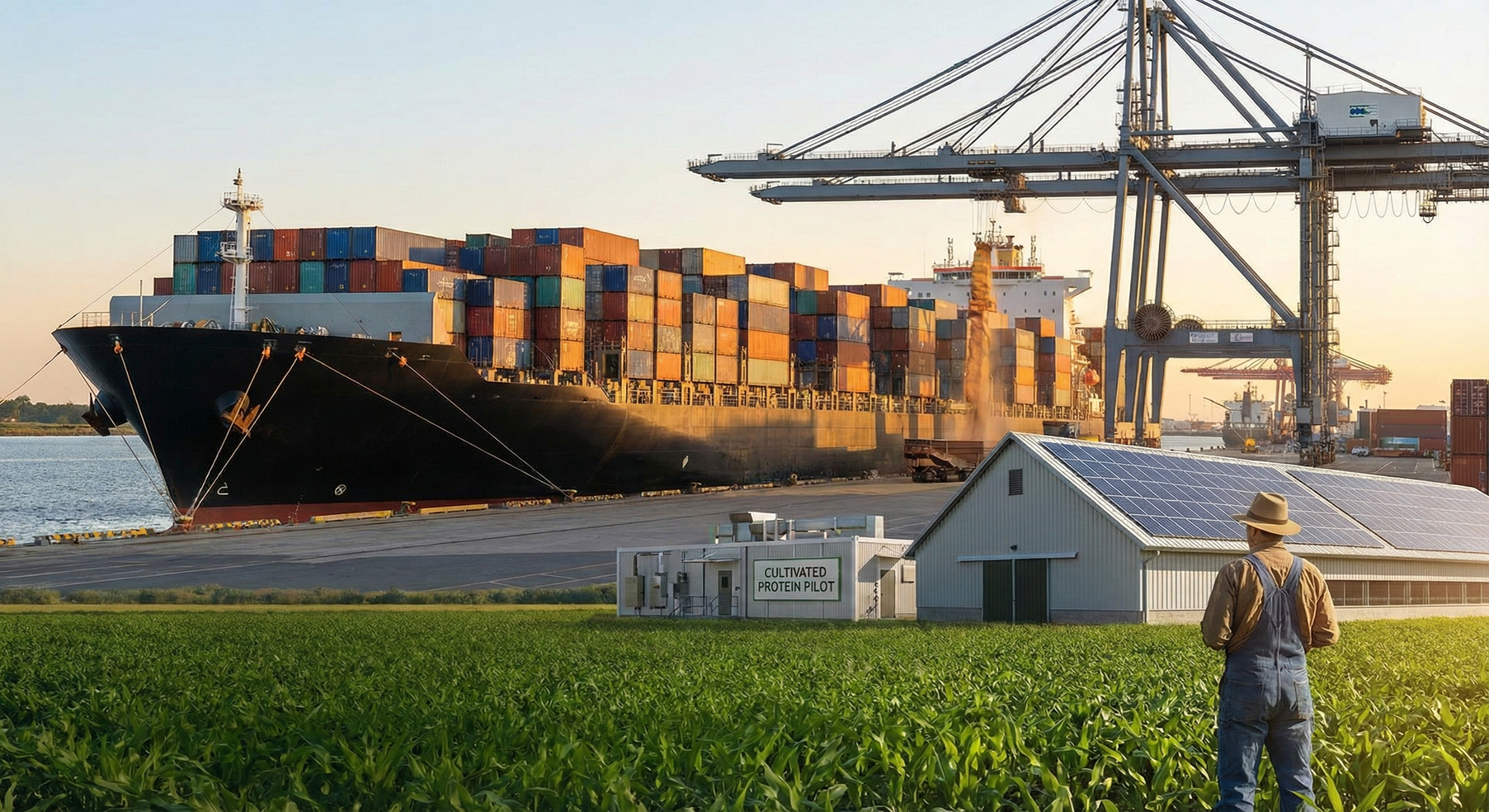
The straits are still on the map. What changed in 2026 is that the region stopped treating them as the only way through, and because of that it started spending on alternatives at a pace nobody expected.
Those alternatives have owners. Ports are being handed to operators on thirty-year concessions, while rail interiors are built and run by single governments, so the corridors now compete for the same cargo. As a result, picking a route has become a commercial decision with a political shape, and it is worth knowing whose corridor your goods are sitting on.
Why did everyone move so fast?
Everyone in trade watched Hormuz close on 2 March 2026 and Bab al-Mandab turn hostile on 22 July. Still, the more useful question is why governments that had lived with this risk for fifty years finally moved on it within a single season.
Three things happened at once, and each one broke an assumption the region had been trading on.
A route can fail before anyone closes it
Marine insurers withdrew war risk cover for the Gulf during the first week of March. Premiums on hull value then went from roughly 0.125% per transit to somewhere between 2.5% and 5%, which works out near $5 million for one large tanker crossing. Because of that, tanker traffic fell by more than 90% in the first weeks of March.
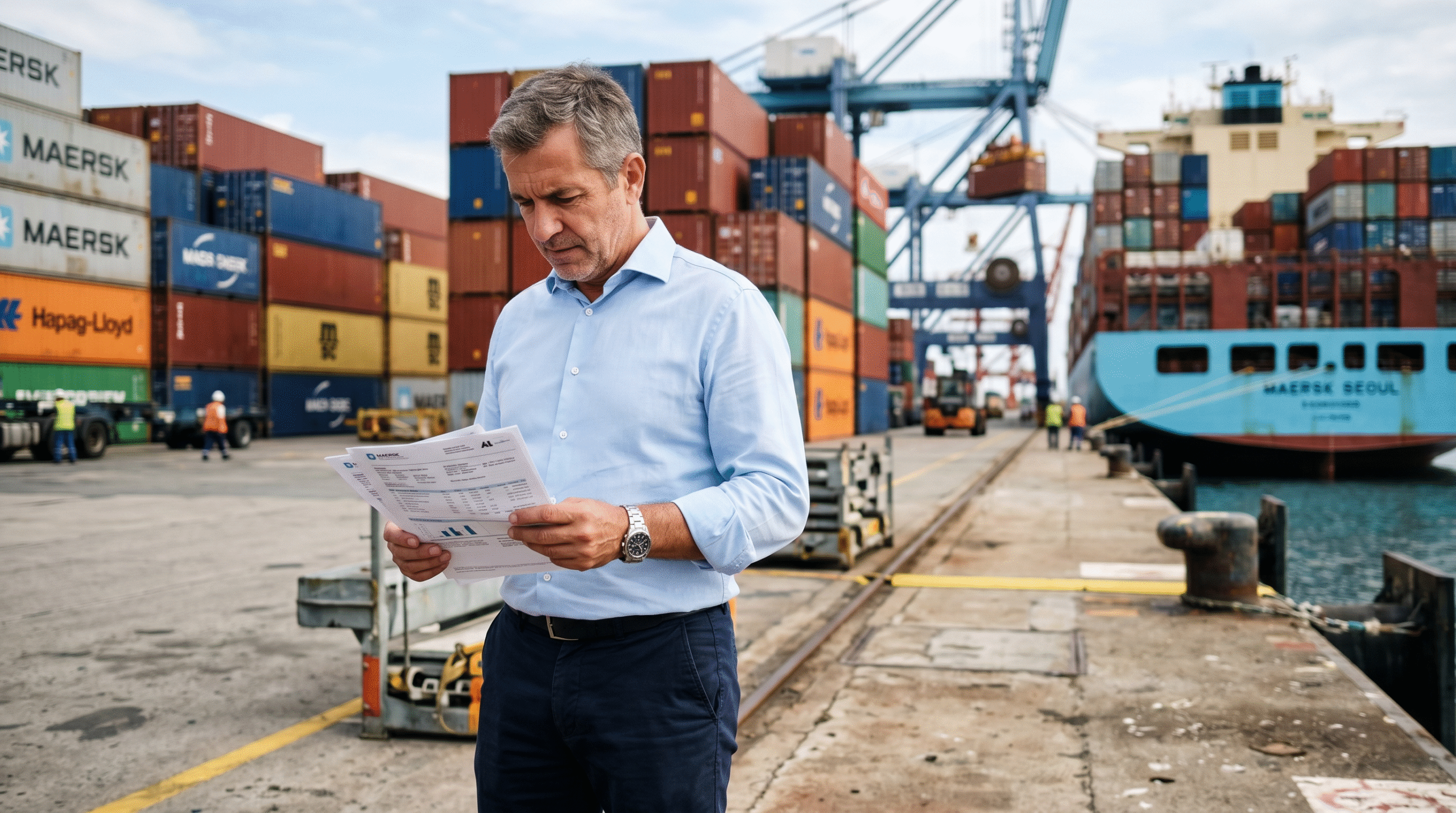
Maersk, MSC, CMA CGM and Hapag-Lloyd all suspended transits, while Jebel Ali began backing up with diverted vessels. By early May, more than 1,550 ships and about 22,500 crew were stuck in and around the strait.
The alternatives were smaller than advertised
Hormuz normally carries about 20 million barrels a day. Although the region had pipelines built to work around it, those lines were already running close to full. As a result, genuine spare capacity on the first day of the crisis was roughly half a million barrels a day.
The backup route failed too
Saudi crude moved to the Red Sea, and then the Red Sea came under attack in July. So one alternative turned out to be worth very little.
The head of ADNOC called it a dangerous precedent once a single country is allowed to hold the world's most important waterway hostage. Gulf officials told CNBC that Iran had created a trust gap that may never close. In short, governments do not spend on infrastructure because a risk exists. They spend when the risk arrives with a bill attached.
Why were the pipelines never enough?
Three countries had prepared decades in advance.
Saudi Arabia runs the East-West line, also called Petroline, from the eastern oilfields to Yanbu on the Red Sea, with a design capacity of 5 million barrels a day. However, Iranian forces struck it in April and cut throughput by roughly 700,000 barrels a day. Meanwhile the UAE has the Habshan to Fujairah line, loading tankers on the Gulf of Oman side at around 1.8 million barrels a day. Iraq is also restarting Kirkuk to Ceyhan at 250,000 barrels a day, while Egypt's SUMED still moves crude from the Red Sea to the Mediterranean.
Together these offer somewhere between 7 and 10 million barrels a day on paper, against a strait that carried 20.
Construction has picked up since. For example, the UAE is roughly halfway through a second Fujairah line that doubles its export capacity, due in 2027. Saudi Arabia is also weighing an expansion of 2 million barrels a day on the Red Sea route, and Turkey has agreed preliminary terms with Iraq for a new line from Basra to Ceyhan carrying 1.5 million barrels a day. In addition, Goldman Sachs counts seven regional pipelines under construction or planned, with combined capacity possibly passing 14 million barrels a day by the end of 2028.
Still, none of this moves a container. For everything else, the answer had to be built on land.
Which routes does your cargo actually take?
Oman holds the useful geography
Duqm and Salalah sit outside both Hormuz and Bab al-Mandab, which makes them the only major ports in the region clear of both. While Duqm exports rose by about 0.35 million tons over two months, Sohar sits only 120 kilometres from Iran and lost 32% of its export tonnage.
Dubai Customs opened a Green Corridor on 14 March under Notice 04/2026. Cargo bound for Jebel Ali can land at an Omani port, clear customs there, and then cross into Dubai under bond through Hatta and Al Wajajah. However, uptake has been slow, because the Empty Quarter separates Oman from the rest of the peninsula and the overland leg stays expensive.
Saudi rail is the route carrying weight
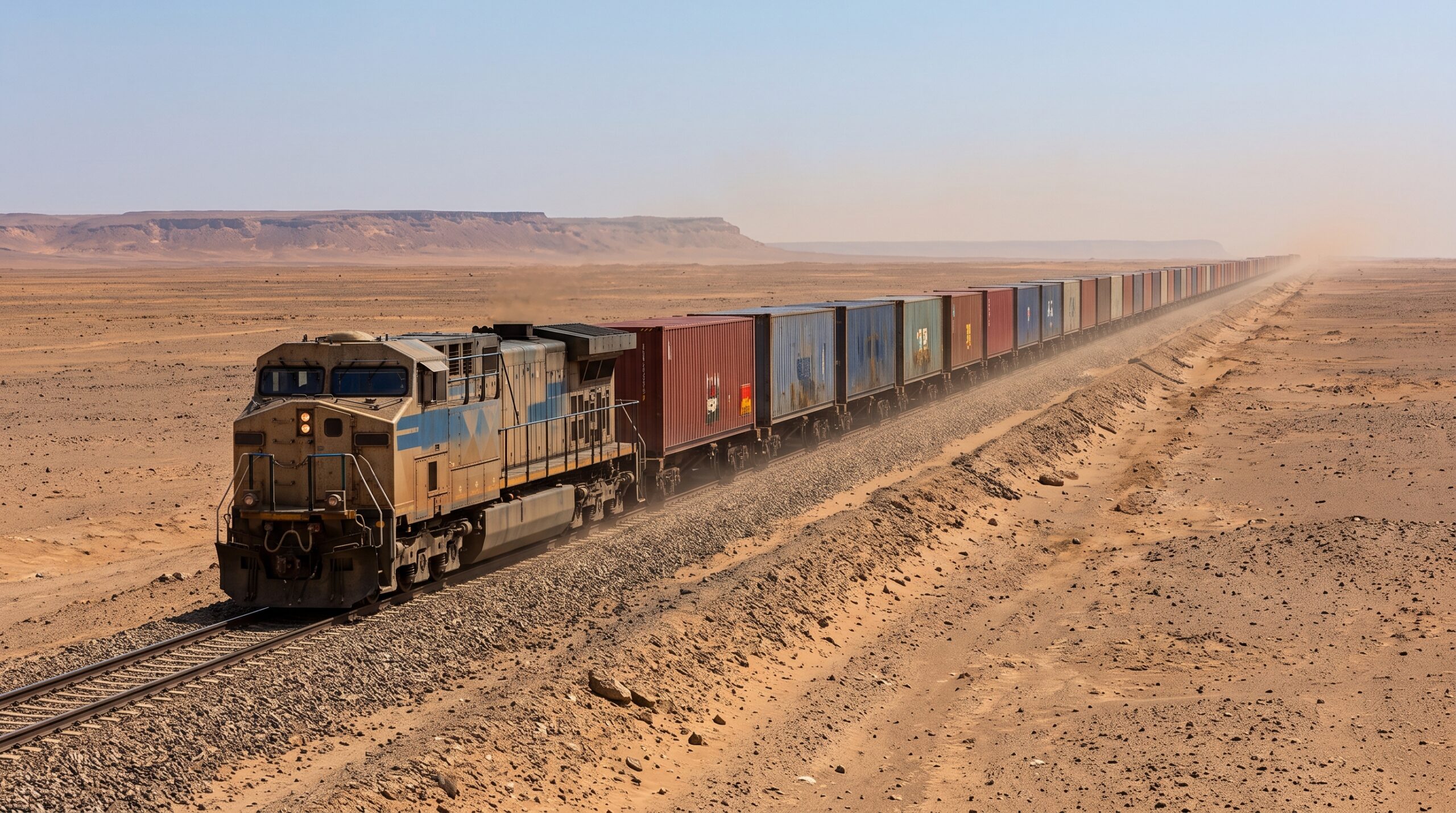
Saudi Arabia Railways activated a freight corridor on 26 March running 1,700 kilometres from Dammam and the Jubail ports to the Haditha crossing with Jordan. Each train carries more than 400 containers and halves the transit time of road haulage. Behind it sits a network that moved over 30 million tonnes of freight in 2025 across 5,500 kilometres of track.
Jordan and Syria open the Mediterranean exit
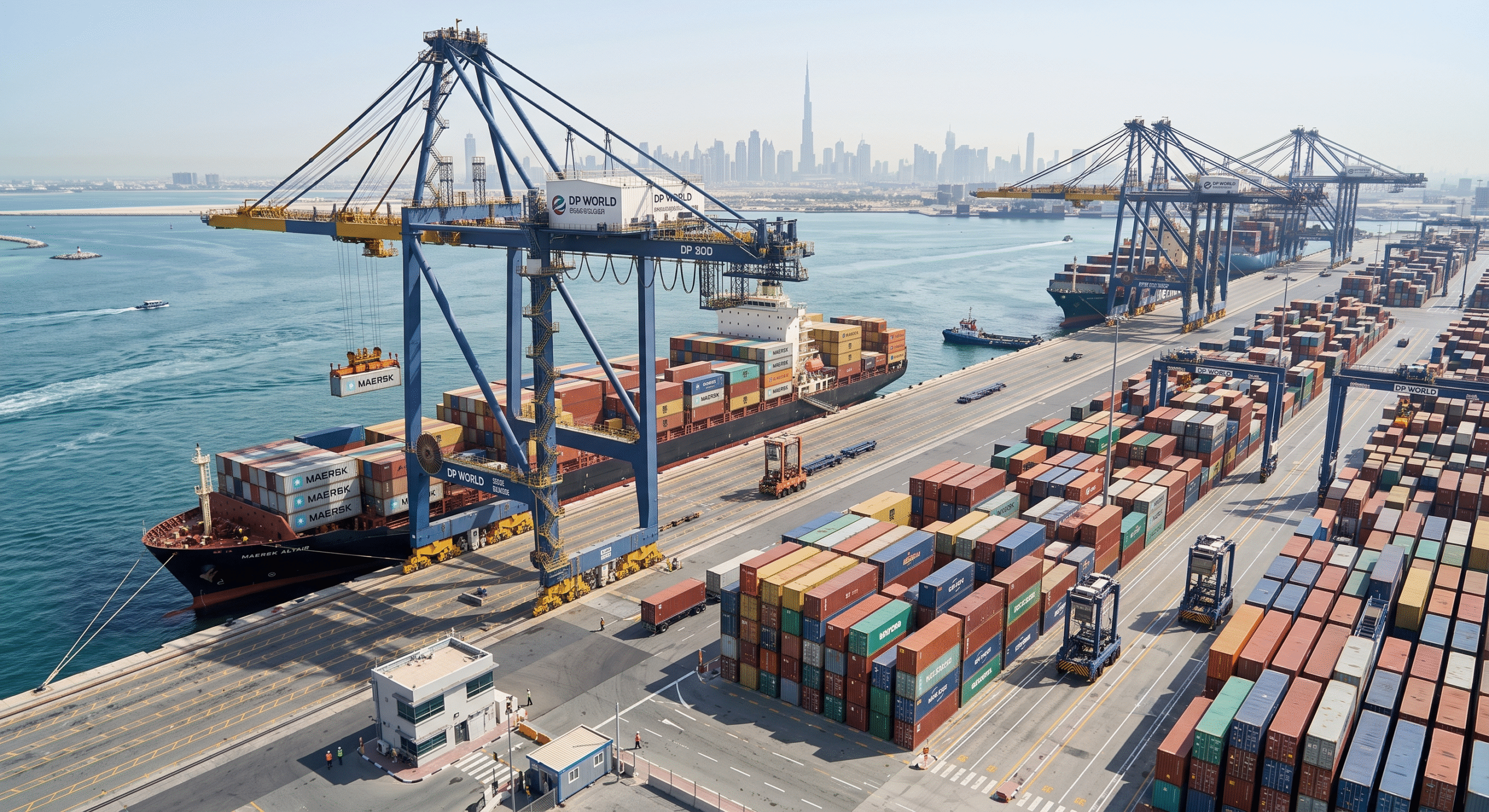
Jordan is where the Gulf meets the Mediterranean, and Emirati operators arrived there first. In February, AD Ports Group signed a 30-year concession to run Jordan's Aqaba Multipurpose Port, taking 70% of the joint venture. Aqaba handles around 80% of Jordanian exports and 65% of imports.
Syria opened next. A transit container reached Latakia from Aqaba on 5 April, the first such movement through Syrian territory in years. DP World holds a 30-year, $800 million concession at Tartus and began operating in November, while AD Ports took a 20% stake in the Latakia container terminal, which CMA CGM runs under a separate 30-year deal worth about €230 million. Latakia handles over 95% of Syrian container traffic and is expanding from 250,000 TEU to 625,000 TEU by the end of 2026.
Turkey, Syria and Jordan also agreed in April to develop a north to south corridor, eventually on a revived Hejaz Railway. Turkey and Syria then signed a road transport agreement on 28 June. Before 2011, up to 115,000 trucks a year crossed between the Turkish and Jordanian borders.
Which projects will not help you yet?
Iraq is building the largest single piece of infrastructure in this story. The Development Road runs 1,200 kilometres from Grand Faw Port in Basra to the Turkish border, carrying road and rail together. So far, railway designs are 95% complete, highway designs 85%, and the submerged tunnel at Faw has reached 86%. Abu Dhabi Ports Group holds a joint venture with the Iraqi ports authority to develop Faw and its economic zone, while Iraq, Turkey, Qatar and the UAE have signed a supporting memorandum.
First phase 2031. Full capacity 2050. Useful for a five-year plan, although of no help to a shipment this quarter.
Iran built its own bypass long before the war. The Goreh to Jask pipeline carries crude to the Gulf of Oman with a nameplate of a million barrels a day, although throughput has rarely cleared 300,000. Chabahar, the only Iranian deep-water port outside the strait, has not filled the gap either. After US strikes damaged the terminal India had leased there on 8 July, New Delhi allocated nothing to the port in its 2026-27 budget.
Who loses when everyone else builds?
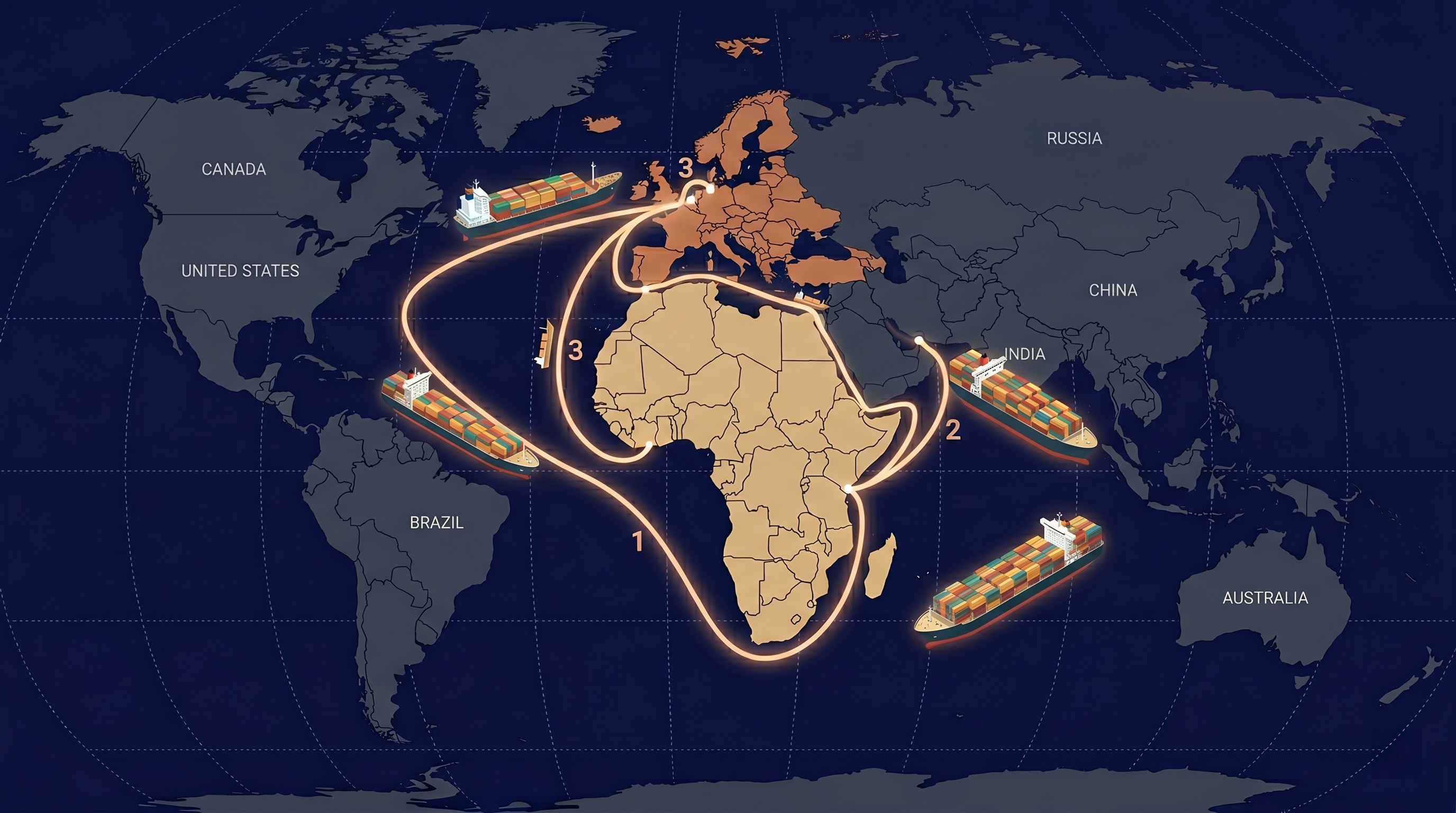
Every corridor around Hormuz doubles as a corridor around Suez. Because carriers began routing around the Cape of Good Hope, canal revenue fell by roughly 60% in 2024, a loss near $7 billion.
Cairo has answered by expanding Ain Sokhna, Safaga and Port Said with rail links and inland dry ports, so cargo has a reason to stop instead of passing through. A separate push aims inland, with a Cairo to Cape Town highway positioning Egypt between the Mediterranean and the African interior. In addition, Saudi Arabia has committed to financing a $4 billion causeway across the Gulf of Aqaba.
Why is everyone fighting to be the gateway?
Reading all of this as regional cooperation would be a mistake.
The corridor originally drawn from India to Europe through the UAE is being rebuilt through Riyadh and Doha. In February, Saudi Ports Authority and Qatar Ports Management signed a memorandum covering joint maritime corridors and shared distribution centres. Meanwhile the interior stretch from the Gulf coast to the Jordanian border is Saudi built and Saudi run. Abu Dhabi kept the exits and lost the entrance.
At the other end of the same problem sit Qatar and Kuwait. Because 93% of Qatari LNG moved through Hormuz with no pipeline alternative, QatarEnergy halted production on 2 March and declared force majeure two days later. Kuwait and Bahrain then cut oil output once storage filled. In short, geography decided who kept trading.
For anyone booking cargo, competition between corridors means separate customs regimes, separate operators and separate paperwork depending on the route. Interoperability was never designed in.
Which routes are ready, and which are not?
Working now, oil and gas
- Petroline, Saudi Arabia. Eastern oilfields to Yanbu on the Red Sea, around 5 million barrels a day.
- Habshan to Fujairah, UAE. Loads past the strait on the Gulf of Oman side, around 1.8 million barrels a day.
Working now, containers and cargo
- Omani ports into Dubai. Land at Sohar or Duqm, then cross under bond through Hatta. Slow to scale, and the land leg costs more.
- Saudi rail to Jordan. Dammam and Jubail up to Haditha, over 400 containers a train.
- Aqaba into Syria. Overland to Latakia or Tartus for a Mediterranean exit, live since April.
Landing within two years
- Second Fujairah pipeline, UAE. Doubles export capacity outside the strait, due 2027.
- Latakia expansion. From 250,000 TEU to 625,000 by the end of 2026.
Everything else on the map sits behind 2030, including Iraq's Development Road and the Hejaz Railway revival. Those belong in a planning document, while the routes above can carry a shipment this quarter.
So what should you do about it?
Five things carry over from the past year.
Ask which corridor, not just which port
A booking to Jebel Ali can now arrive through Hormuz, through Sohar under bond, or by rail from the Saudi coast. Because each one has different transit times and different failure points, get the routing written down before the cargo moves.
Check who runs the port at both ends
Operators changed hands across the Levant in a single year. Aqaba sits with AD Ports on a thirty-year concession, Tartus with DP World, and the Latakia container terminal with CMA CGM. Service levels, digital systems and dispute processes all follow the operator.
Treat insurance as the early signal
War risk cover was withdrawn in the first week of March, and traffic stopped before any legal closure applied. So premiums moving is the warning. The announcement comes later.
Pre-clear a second corridor before you need it
Customs paperwork on the Oman land leg differs from the Saudi rail route, although neither was designed to talk to the other. Setting up a second route during a crisis therefore costs weeks.
Know what helps now and what helps later
The second Fujairah pipeline lands in 2027, while Iraq's Development Road opens its first phase around 2031. Neither one affects a shipment booked this quarter, so both belong in a five-year plan.
What does this mean for food and bulk?
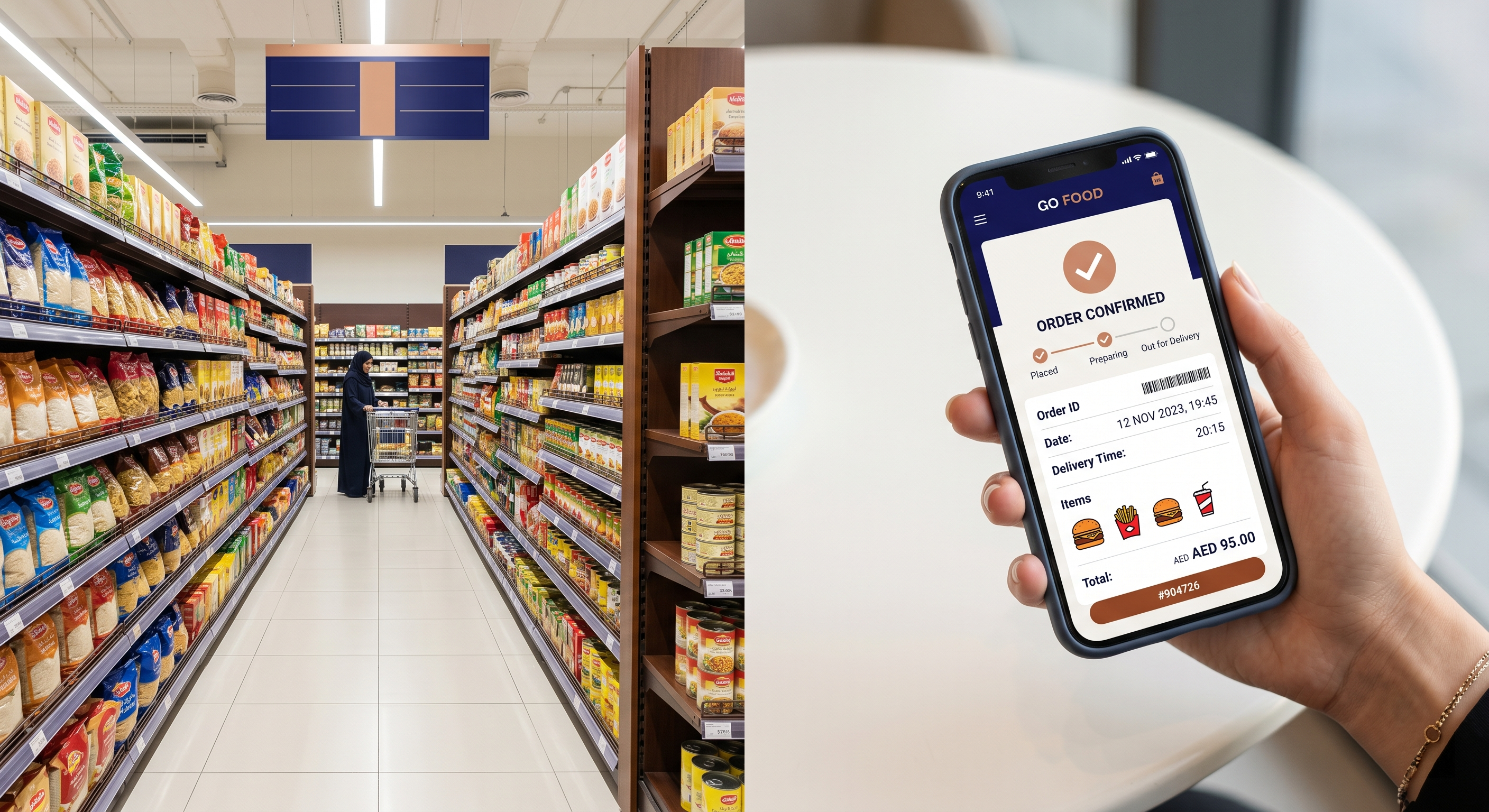
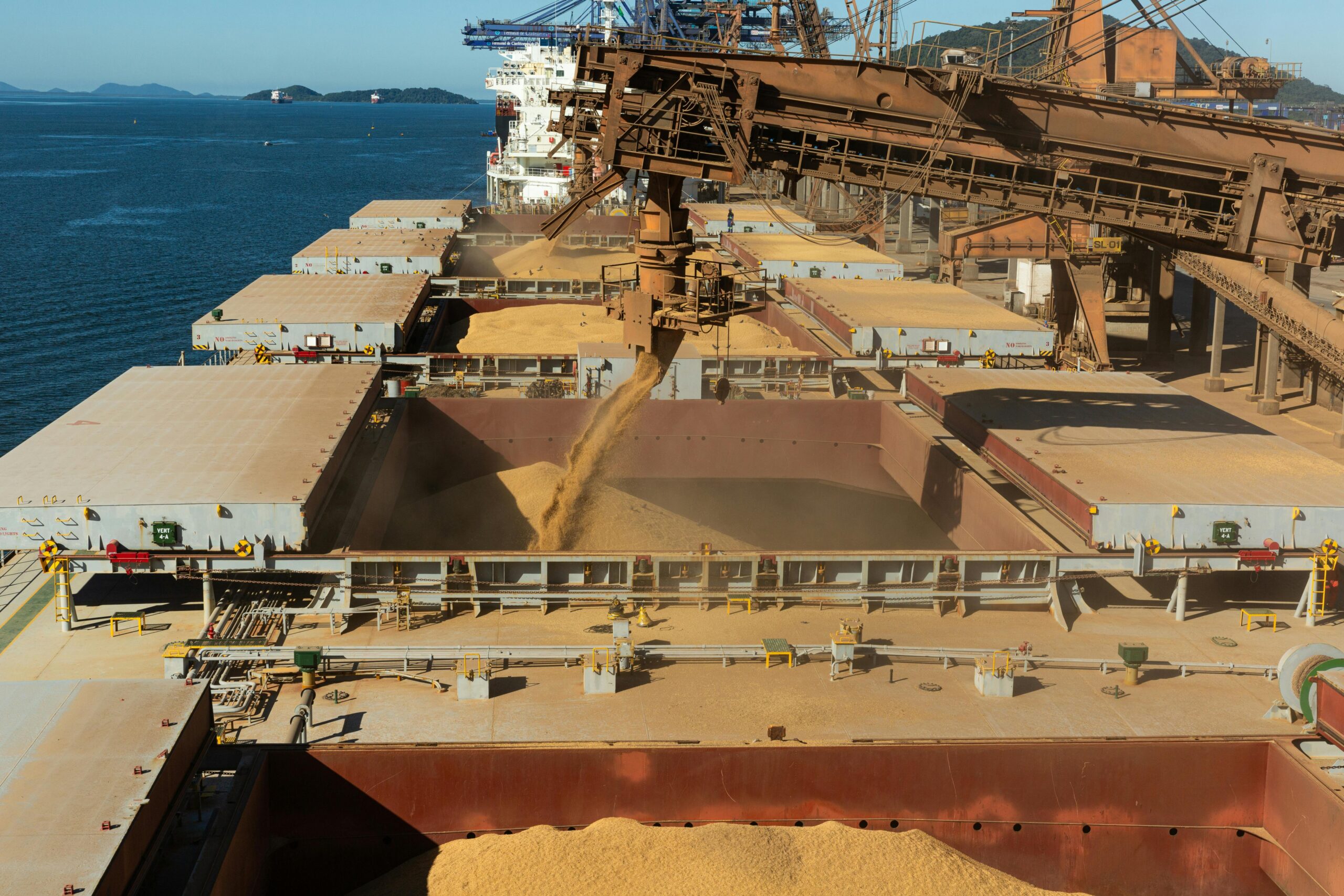
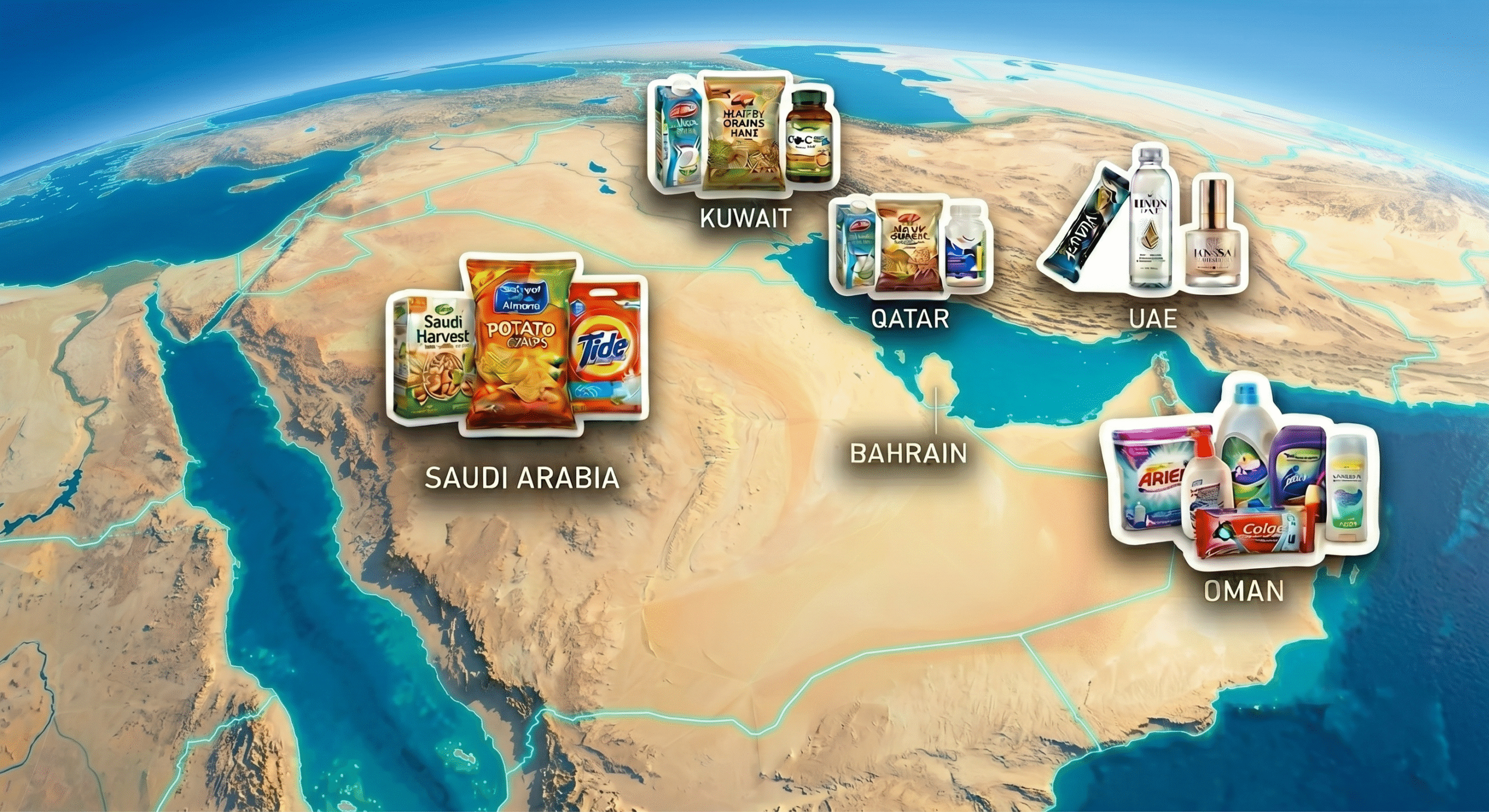
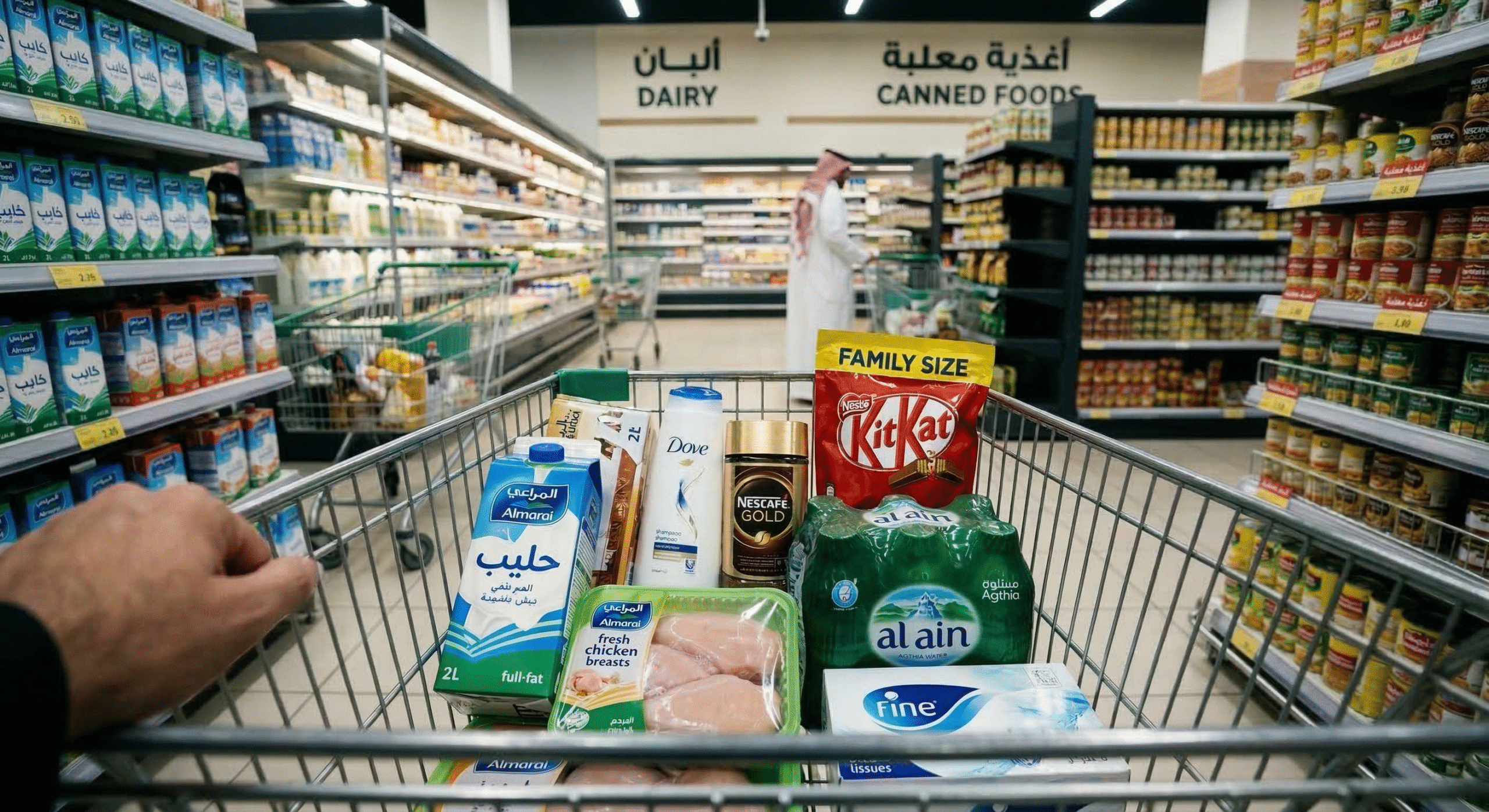
For food and other bulk, the exposure runs deeper than freight rates. Around 85% of what the Gulf eats is imported, so longer routes show up as stock cover and shelf price rather than as a line on an invoice.
Most new routes still end at a port on the Red Sea or the Mediterranean, and neither is free of risk. What changed is the number of options, and also the fact that each one now belongs to somebody. At ASAFI we plan around more than one corridor, because the past year showed what a single point of failure costs.
The straits did not go away. They stopped being the only answer.