The Gen Z FMCG Consumption Report: How to Target and Understand a Generation with $450 Billion Spending Power.
There is a generation walking the aisles of your stores, scrolling past your ads, and choosing your competitors over you.
They are not teenagers anymore. They are 14 to 29 years old in 2025. They grew up with a smartphone in hand, a pandemic in their adolescence, and a cost-of-living crisis in their early adulthood. They are skeptical of brands, loyal to values, and faster to switch than any generation that came before them.
They are Generation Z. And if you run an FMCG business, understanding them is not optional.
Who Is Gen Z?
Generation Z refers to people born between 1997 and 2012, according to Pew Research Center. In 2025, the oldest among them are 28. The youngest are 13. That range covers students, first-time workers, young professionals, and new parents, meaning their needs and spending patterns are evolving fast and in multiple directions at once.
Their collective spending power sits at over $450 billion today, according to Statista. But that number does not capture where this is going. NielsenIQ and GfK, in collaboration with World Data Lab, project Gen Z spending power will reach $12 trillion globally by 2030. And McKinsey data shows their spending is growing twice as fast as previous generations did at the same age.
Put simply: the generation that currently under-indexes on FMCG spending is on its way to becoming the dominant consumer force on the planet within the decade.
The brands that figure them out now will already own the relationship by then.
What Does Gen Z Actually Spend Money On?
The honest answer is more nuanced than most marketing reports acknowledge.
Right now, Gen Z under-indexes for total FMCG spending. In the United States, Gen Z shoppers spent 19% less than the average total FMCG spend last year, while Millennials spent 43% above average, according to NielsenIQ. That gap exists primarily because of life stage. A 23-year-old renting a small apartment with a roommate buys less food and household product volume than a 35-year-old with a family.
But two things are changing that picture.
First, Gen Z's income is higher than most people assume. The average 25-year-old Gen Z consumer in the United States earns a household income of $40,000, which is 50% higher than the average Baby Boomer earned at the same age, once you adjust for inflation, government transfers, and taxes. That is a McKinsey finding from 2025. They have real money. Many of them also have fewer fixed costs than older generations at the same age, since the median age of first-time homebuyers in the US has risen from 28 in 1990 to 38 in 2024. Less mortgage means more discretionary spending.
Second, their share of CPG spending has more than doubled in five years. Adult Gen Z held 2.6% of US CPG spending in 2020. By mid-2025, that number was 6.1%, according to Numerator data. The trajectory is clear.
In FMCG specifically, the categories where Gen Z is most active include food and beverage, health and beauty care, and personal care. Within food, they consistently over-index in snacks, functional beverages, plant-based alternatives, and ready-to-eat meals. They want food that is fast, clean-label, and aligned with their values.
The Health Angle Is Real, Not Performative
One of the most consistent findings across research on Gen Z food behavior is their orientation toward health. This is not a trend for them. It is a baseline expectation.
64% of Gen Z consumers aim for healthy eating, and 53% restrict their diet for health-related reasons, according to a 2024 Whole Foods Market survey of over 1,000 Gen Z adults. That survey also found that 49% of Gen Z prefer healthy menu options and are more likely to choose plant-based meals.
This affects what ends up on shelves. A third of Gen Z report that sustainability has a direct impact on their food and beverage purchasing decisions. 70% support climate-smart agricultural practices. And 55% say they are willing to pay more for environmentally sustainable products.
That last number is the most important one for brand owners. Gen Z is not just interested in health and sustainability as abstract values. A significant portion of them will actually spend more money to get it. The opportunity is real, but it comes with a condition: they want proof. They want ingredient transparency, supply chain visibility, and honest sourcing claims. A good-looking label without substance behind it will get called out, and on social media, that call-out travels fast.
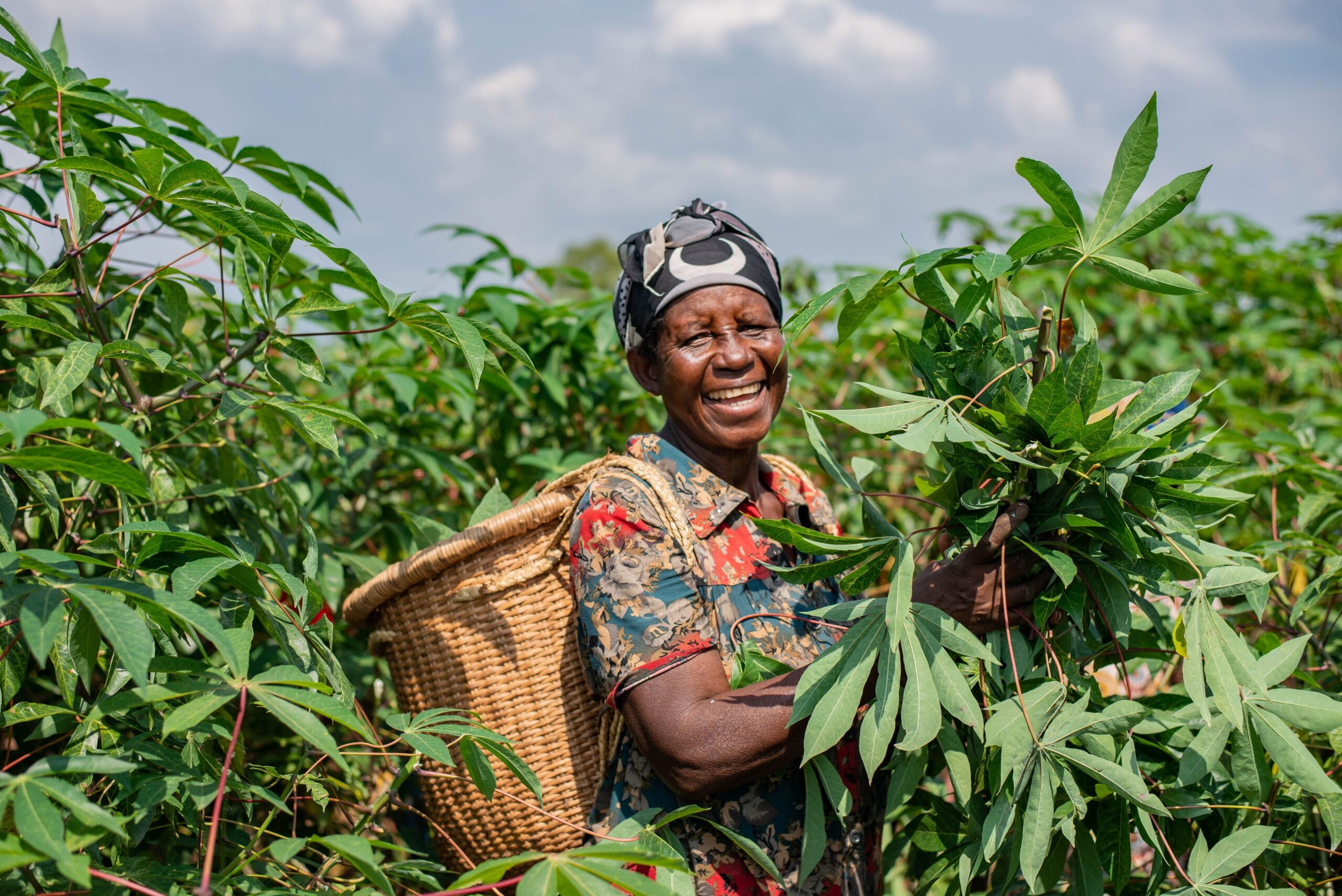
This is where companies like ASAFI have a natural advantage. Direct sourcing from farms in Africa, traceable supply chains, and relationships with producers at origin are exactly the kind of story Gen Z consumers respond to. Not because it sounds good, but because it is something you can actually verify.
The Price Sensitivity Paradox
Here is where it gets interesting.
Gen Z is simultaneously the most health-conscious and sustainability-driven consumer generation AND the most price-sensitive. Those two things seem to contradict each other. They do not.
48% of Gen Z say they do not feel financially secure, with cost of living their primary concern, according to Deloitte's 2024 Gen Z and Millennial Survey. That financial anxiety directly shapes purchasing behavior. They are not reckless with money. They research before they buy. They compare prices. They switch brands quickly if a better value appears.
The evidence is in the private label data. By mid-2026, Gen Z is forecast to spend 18.4% of their CPG budget on private-label brands, which will make them the highest private-label spending generation, ahead of Baby Boomers at 18.3%, Millennials at 17.5%, and Gen X at 17.2%, according to Numerator. That shift is already underway. 67% of Gen Z shoppers already believe private-label products are just as good as national branded products.
But here is the critical nuance: Gen Z does not associate private label with compromise anymore. They associate it with intelligence. Numerator research describes Gen Z increasingly connecting store brands with "innovation, trendiness, and premiumization." Trader Joe's and Costco's Kirkland Signature are their preferred private labels, not because they are cheap, but because they are considered smart choices.
What this means for brands is sharp and uncomfortable. 62% of Gen Z say they would consider other options even if they already have a favorite brand, especially if price or quality is better elsewhere, according to Tastewise research. You do not get loyalty by default from this generation. You earn it, and you earn it continuously.
The brands winning with Gen Z are the ones that offer transparent, justified pricing. If the price is higher than a private label alternative, something else needs to rise with it: better ingredients, a stronger supply chain story, a genuine community or social cause, or a product experience that feels worth paying for. If none of those things are present, Gen Z will notice, and they will buy the store brand instead.
How Gen Z Discovers Products
This is where FMCG marketing needs the biggest rethink.
The traditional path to purchase was linear. You saw a TV ad, you went to the store, you bought the product. That model does not describe how Gen Z shops.
80% of Gen Z discover new products through social media, according to Hootsuite data. More than half of Gen Z made at least one purchase directly through a social media platform in 2024. Gen Z's social media buyer rate stands at 56%, versus 36.5% for the general population, according to Revenue Memo analysis. Their path to purchase looks nothing like a funnel. They might discover a product on TikTok at 10am, compare prices on Amazon by noon, and buy in-store that evening.
TikTok is the dominant discovery engine for Gen Z, full stop. Gen Zers aged 16 to 19 spend 41% of their total screen time on short-form video apps like TikTok and Reels. 52% of Gen Z feel a closer connection to social media creators than to TV personalities, compared to only 32% of the general population. Gen Zers are 23% more likely to make daily or weekly purchases after viewing a TikTok ad versus other formats.
But the most important word in that data is authenticity. Gen Z can detect manufactured content instantly. They trust creators who build genuine relationships with their audiences. Research from NielsenIQ found that authenticity is a decisive factor in whether Gen Z engages with influencer content or scrolls past it. Polished brand campaigns with a big media budget do not automatically win here. A micro-influencer with 15,000 followers who genuinely uses your product and talks about it naturally can outperform a celebrity endorsement.
81% of Gen Z have changed a purchasing decision based on a brand's actions or reputation. 77% say they do not want to buy from companies with poor environmental track records. Those numbers come from GOAT Agency's 2025 social commerce report. They confirm what most brand managers already suspect but struggle to act on: values are not a nice-to-have for Gen Z. They are a prerequisite.
What Gen Z Expects From Food and Beverage Brands
Here is a direct breakdown of what Gen Z wants when they open their wallet for an FMCG product.
Ingredient transparency. They read labels. They Google ingredients they do not recognize. They share what they find. Clean-label formulations with recognizable ingredients outperform complex ingredient lists in purchase intent studies for this cohort.
Supply chain honesty. Where did this come from? How was it grown? Who produced it? These questions used to belong to premium niche buyers. They now belong to the mainstream Gen Z shopper. Brands that can answer these questions clearly have a significant advantage.
Sustainability with proof. 70% of Gen Z support climate-smart agricultural practices. 69% believe brands should work to create positive change around responsible sourcing. But vague commitments do not count. They want specifics, certifications, and evidence. Greenwashing gets noticed and punished faster than any previous generation would have done.
Convenience without compromise. Speed matters. About 20% of Gen Z cite speed of service as one of their top dining frequency drivers. Food delivery's share of global food service spending rose from 9% in 2019 to 21% in 2024. They want the food fast, but they want it good. The two demands used to cancel each other out. Gen Z expects brands to solve both.
Personalization and global flavor. Gen Z is the most diverse generation in history by almost every measure. Their palates reflect that. They are more likely than any previous generation to embrace global cuisine, flexitarian eating, and functional foods that address specific health outcomes, from gut health to mental clarity to energy management. Brands that offer a broad, globally-influenced portfolio will resonate.
The Brand Loyalty Question
Brand loyalty exists with Gen Z. But it works differently.
The old model was brand awareness leads to trial leads to loyalty. For Gen Z, the model is more like: values alignment leads to trial leads to community membership leads to loyalty. And at any point in that chain, a single mistake, a price increase that feels unjustified, an ingredient change that goes unexplained, a sourcing controversy, a tone-deaf social media post can break it.
64% of Gen Z consumers have changed their spending habits in the past year due to higher living costs, according to BRG research. That financial pressure accelerates brand switching. When money is tight, the first loyalty to go is the loyalty to brands that have not earned it emotionally or ethically.
The brands retaining Gen Z loyalty are the ones that built community, not just awareness. That means owned channels, newsletters, loyalty programs with real rewards, UGC-driven content, and consistent engagement rather than one-way broadcasting. 60% of Gen Z will switch brands for better loyalty program rewards, according to Deliverect research. A strong loyalty program is not just a retention tool for this generation. It is table stakes.
A Practical Guide for Brand Owners
If you run an FMCG brand and want to reach Gen Z consumers, here is what the data actually recommends.
Lead with substance, not style. A premium visual identity matters, but it does not substitute for a genuine story. What is the origin of your product? Why does that origin matter? Who are the farmers or producers behind it? Answering those questions builds the kind of credibility Gen Z responds to.
Invest in short-form video content. TikTok and Instagram Reels are not optional distribution channels for this audience. They are the primary discovery mechanism. Your content does not need a production budget. It needs to be real. Show your supply chain. Show the product being made. Show a founder or team member talking directly to camera without a script. Authenticity beats polish every time.
Work with micro-influencers in your category. The influencer marketing industry is projected to reach $32.55 billion by end of 2025, up from $24 billion in 2024. But bigger is not better for Gen Z. Creators with small, highly engaged audiences in specific niches (health, food, sustainability, wellness) carry more trust than large celebrity accounts. One genuine recommendation from a trusted niche creator moves product.
Price with justification. Gen Z does not reject high prices automatically. They reject prices that feel unjustified. If your product costs more than the private label alternative, explain why clearly and visibly. Better ingredients, a cleaner supply chain, a certified sustainable process, a community initiative, all of these justify a price premium in Gen Z's mind, provided you communicate them directly.
Make your supply chain a marketing asset. This is the underused opportunity across most FMCG brands. Your supply chain story, where your raw materials come from, how they are sourced, who produces them, is exactly the kind of content Gen Z engages with. It answers the authenticity question before they ask it. For commodity-based food and beverage brands, origin is one of the most powerful differentiators available.
Build a loyalty program that delivers real value. Points systems with no meaningful reward do not hold Gen Z. Think exclusive access, early product launches, genuine discounts, and community elements that make them feel part of something rather than just enrolled in a database.
Do not overweight the gender or demographic targeting. Gen Z identifies less with generational labels than any previous cohort, according to Numerator research. They respond to content that speaks to their values, interests, and needs, not to content that assumes what they want based on their age bracket.
The Numbers That Matter Most
To bring this together clearly, here are the data points every brand owner should have front of mind.
$450 billion in current Gen Z spending power globally (Statista).
$12 trillion projected by 2030 (NielsenIQ and GfK).
6.1% of US CPG spend held by adult Gen Z in 2025, up from 2.6% in 2020 (Numerator).
55% willing to pay more for sustainable products (Whole Foods Market/YouGov, 2024).
67% believe private label is as good as national brands (BRG research).
56% made a purchase through social media in 2024 (Statista).
81% changed a purchasing decision based on a brand's reputation (GOAT Agency).
62% would consider switching even from a favorite brand if a better option appears (Tastewise).
These numbers do not describe a passive consumer waiting to be sold to. They describe an active, informed, values-driven buyer who gives loyalty cautiously and withdraws it quickly.
What This Means for the Commodity and Supply Chain World
Most FMCG articles about Gen Z focus entirely on the consumer-facing end: the packaging, the marketing, the social media strategy. That is a partial view.
Gen Z consumer demand is already reshaping what gets grown, where it gets sourced from, and how it moves through supply chains. The preference for clean-label, sustainably sourced, origin-transparent products does not begin at the factory. It begins at the farm.
Brands that want to make credible claims about responsible sourcing need supply chain partners who actually operate that way. For agricultural commodities, that means sourcing from regions with traceable production, working with suppliers who can document practices, and building the kind of supply chain relationships that hold up under scrutiny.
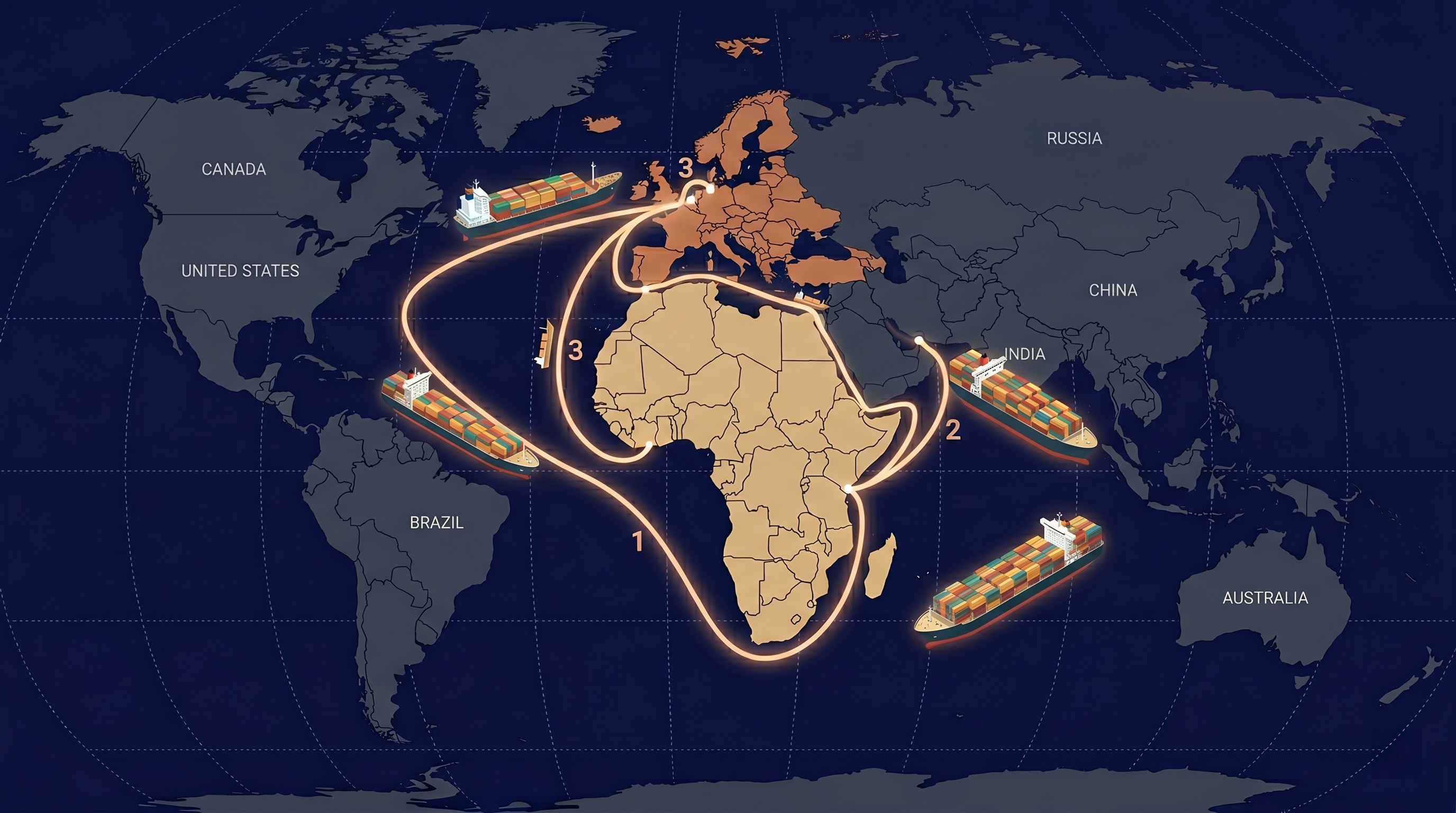
That is the work that companies like ASAFI are built to do. Direct sourcing from farming regions in Africa, building relationships at origin rather than at a trading desk, and connecting those origins to buyers who need supply chain integrity is increasingly not just the right thing to do. It is a commercial necessity as Gen Z's purchasing power scales.
The Honest Conclusion
Gen Z is not a mystery. They are a generation that grew up with more information than any group in history, experienced economic instability in early adulthood, and developed a sharp instinct for when they are being sold to versus when they are being genuinely engaged.
They will not respond to the marketing playbook that worked on Millennials or Gen X. They will respond to brands that are honest about what they are, where they come from, and what they stand for, brands that offer genuine value at a fair price, and brands that show up consistently in the places Gen Z actually spends time.
The generation that seems hardest to win is actually telling you exactly what they want. Most brands just are not listening closely enough.
The $450 billion of today is a preview. The $12 trillion of 2030 belongs to the brands that earn it now.