Dubai vs Los Angeles (FMCG Market Comparison)
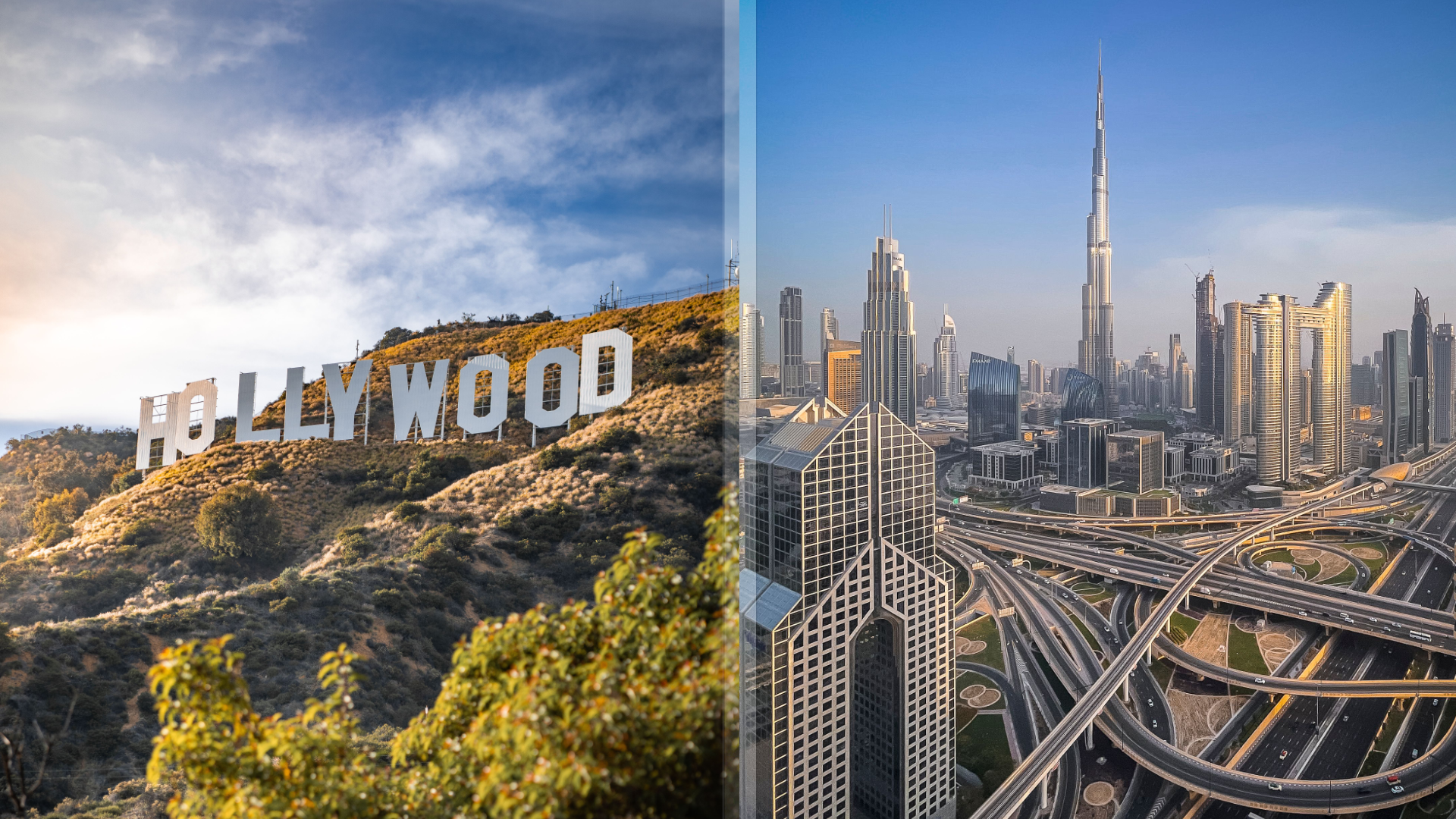
Dubai had 4,741,335 residents on 30 July 2026 and the city of Los Angeles had 3,878,704. On a population table the two look like the same size of opportunity, and a lot of brands treat them that way.
They're not the same, and the gap has nothing to do with headcount. One city is filling up with people who arrived in the last few years and have no shopping habits yet, and the other sells to families who have used the same 3 stores for 20 years and know what a bag of rice costs in each one.
This is a straight Dubai vs Los Angeles comparison for anyone with an FMCG product deciding where to go first, because that one difference decides your pack size, your price, your distributor and how long you wait before money comes back.
How to pick between the two
If your product is new and you need sales inside a year, go to Dubai. Registration runs in weeks, a small number of buyers hold most of the shelf, and the city added 161,335 residents in the first 7 months of 2026, which gives you a steady flow of shoppers who haven't settled on a brand yet.
If your product is already made at scale and you can carry a reformulation plus a year of listing costs, go to Los Angeles. Households there put $6,546 a year into food eaten at home, and the ethnic grocery scene is deep enough that a Mexican, Korean or Filipino product can build real volume without a national launch.
If you're sitting between the two, let the cash decide. Dubai costs less to enter and pays back sooner, and Los Angeles costs more, takes longer and holds more money at the end of it.
The main differences in short
- Dubai has 4.74 million residents and Los Angeles has 3.88 million, so the two cities are close on size and on nothing else.
- Dubai's shoppers mostly arrived in the last few years, and LA's shoppers have been there for decades.
- A few hypermarket groups hold the shelf in Dubai, and in LA the chains change from one neighbourhood to the next.
- Dubai wants your product registered and labelled in Arabic before it lands, and California wants it reformulated by 1 January 2027 and charges a deposit on every drinks container.
- Dubai gets 19.59 million overnight visitors who stay 3.7 nights and buy things while they're there, and LA gets 43.1 million domestic visitors who mostly eat out and drive home.
Who buys in each city
Dubai's resident population reached 4,741,335 on 30 July 2026, up 161,335 since the start of the year. Around 92% of those people are expats, and they come from roughly 200 countries, so there is no single national taste to build a range around. The city also lost 61,000 residents at the height of the Iran war earlier in 2026 and got all of them back within months, and that tells you how fast this population moves in both directions.
The resident number understates the demand. On an average day there are 6.392 million people inside Dubai, because 1.812 million commuters, tourists and shoppers come in on top of the people who live there. That's about 40% more demand than the resident count suggests, and it lands on the same stores.
Los Angeles is the opposite kind of city. The city itself has 3,878,704 residents, 47.2% of them Hispanic and 35.8% born outside the United States. Widen out to Los Angeles County and you get 9.76 million people, 4.76 million of them Latino, which is half the county. These are settled communities with fixed brands, fixed stores and 30 years of habit behind them, so you're taking share off somebody rather than filling an empty slot.
LA counted 49.5 million visitors in 2025, 43.1 million domestic and 6.4 million international, and they spent $42.6 billion with local businesses. Most of that money goes to restaurants, hotels and attractions rather than a grocery basket, so your product sees far less of it than the number suggests.
At ASAFI we buy from origins and supply commodities globally, and from the sourcing end the difference between the 2 cities is obvious, the UAE brings in most of its food from abroad, so an imported product on a Dubai shelf is normal rather than a special case.
What sells in Dubai and what sells in LA
One note before the numbers. Nobody publishes food sales by category for Dubai city or for Los Angeles city, so the Dubai figures here are UAE-wide and the LA figures cover the wider metro area, which takes in Orange, Riverside and San Bernardino counties as well.
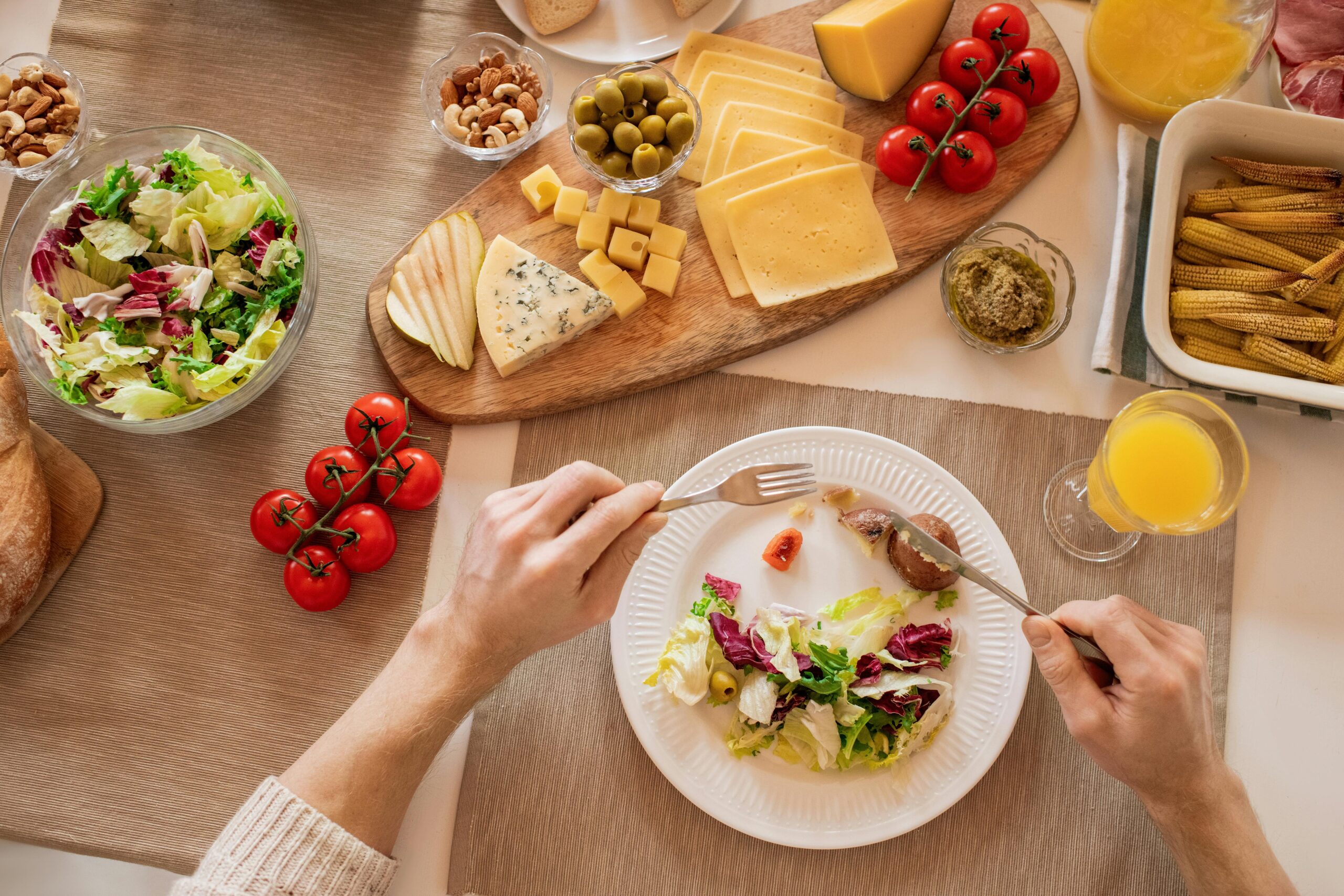
Retail sales of fresh and packaged food across the UAE came to $17.3 billion in 2025. Fresh food was $9.75 billion of that, with meat the biggest single category at $3.1 billion and vegetables second at $2.7 billion. Packaged food was $7.68 billion, led by staple foods at $2.7 billion and dairy at $2.3 billion.
Drinks are where the growth sits. Soft drinks are forecast to reach $4.5 billion by 2030 on 6.1% growth a year, and inside that, ready to drink tea is growing at 9% a year and ready to drink coffee at 8.3%. Food bought online came to $1.2 billion in 2025 and is forecast to grow 8.5% a year through 2029.
LA reads differently because the data comes per household rather than per market. A household in the LA metro area spends $90,594 a year in total and puts 13.1% of it into food. Of that food money, $6,546 goes on food eaten at home and $5,312 goes on eating out, so 44.8% of the food budget never reaches a grocery shelf. The US average is 39.1%, so an LA household eats out more than the country does and your share of their food spend is smaller than the headline income makes it look.
Where people buy their groceries
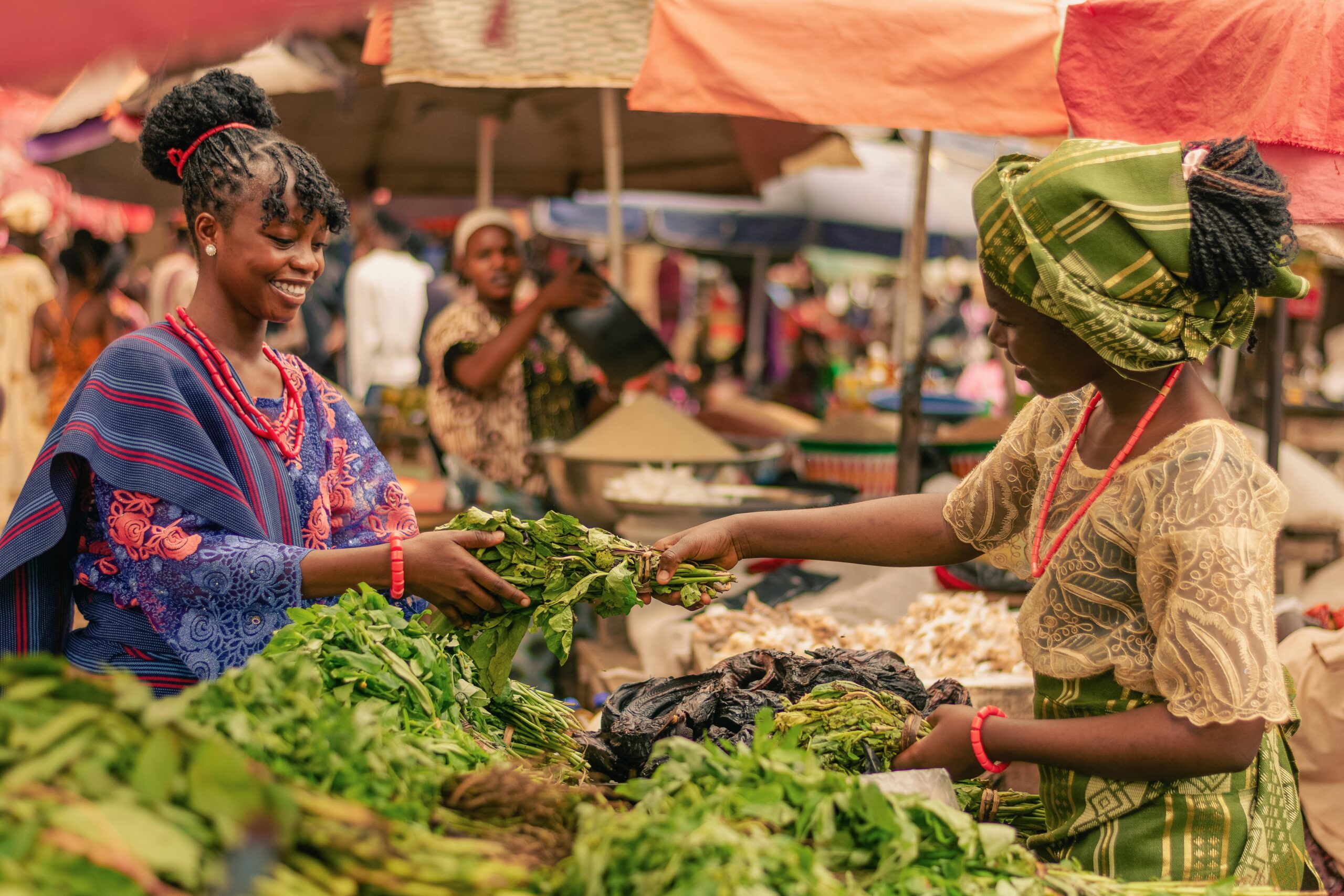
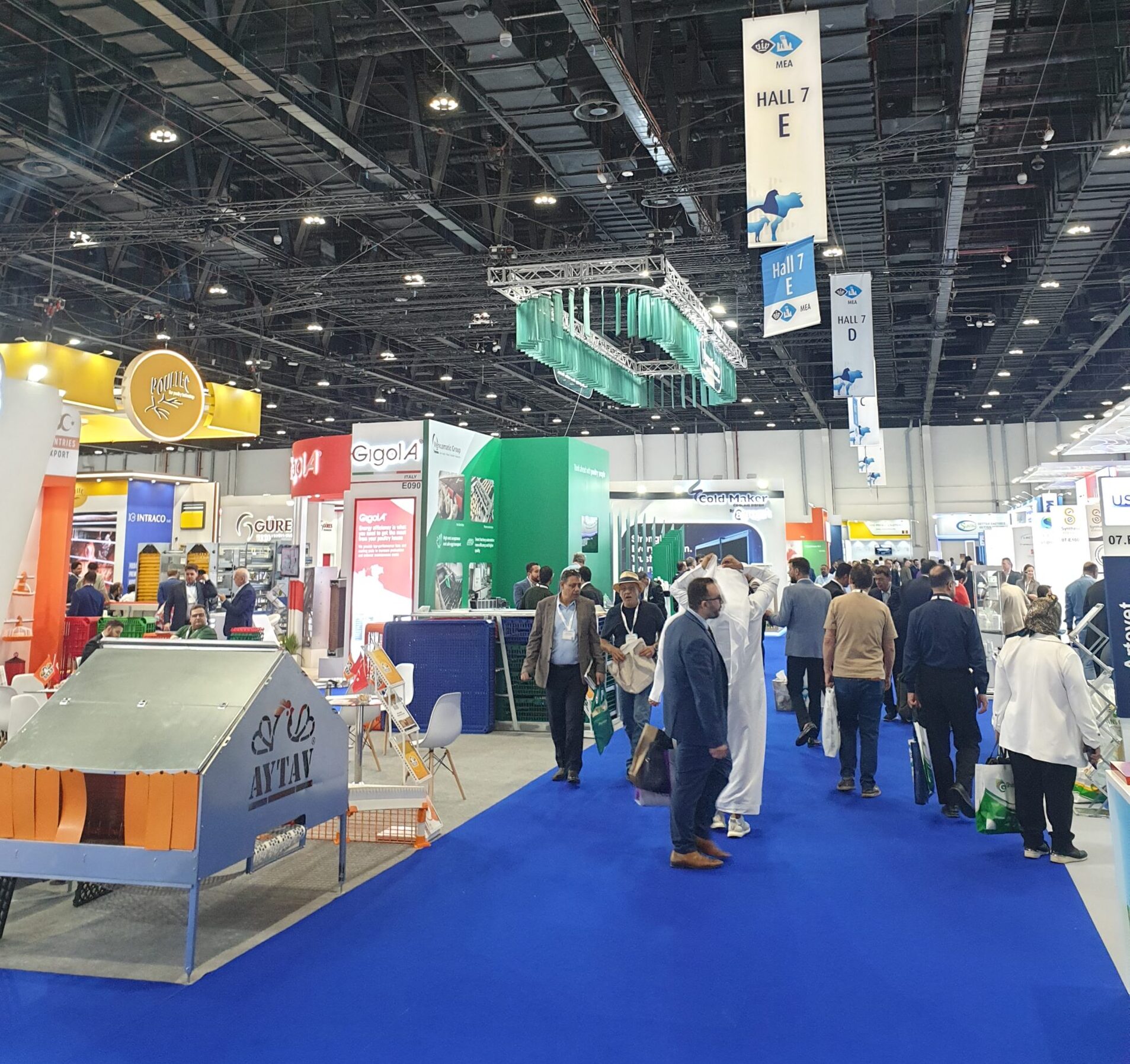
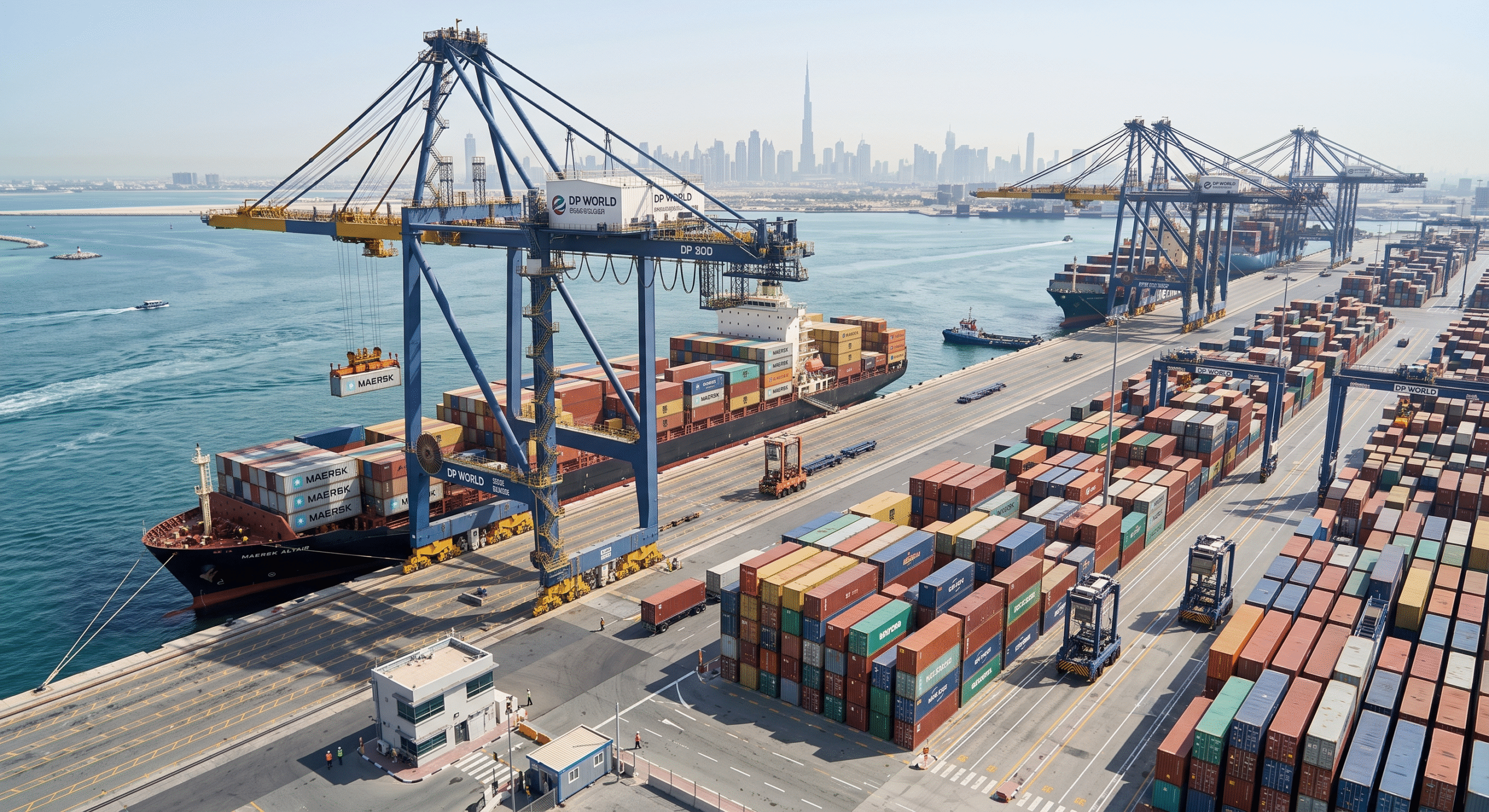
In Dubai the shelf sits with a short list of groups. Carrefour runs under Majid Al Futtaim, and then you have Lulu, Union Coop, Spinneys, Choithrams, Nesto and Viva. Land 2 or 3 of those and you're in front of most of the city, which is why a Dubai launch lives or dies on a handful of buyer meetings.
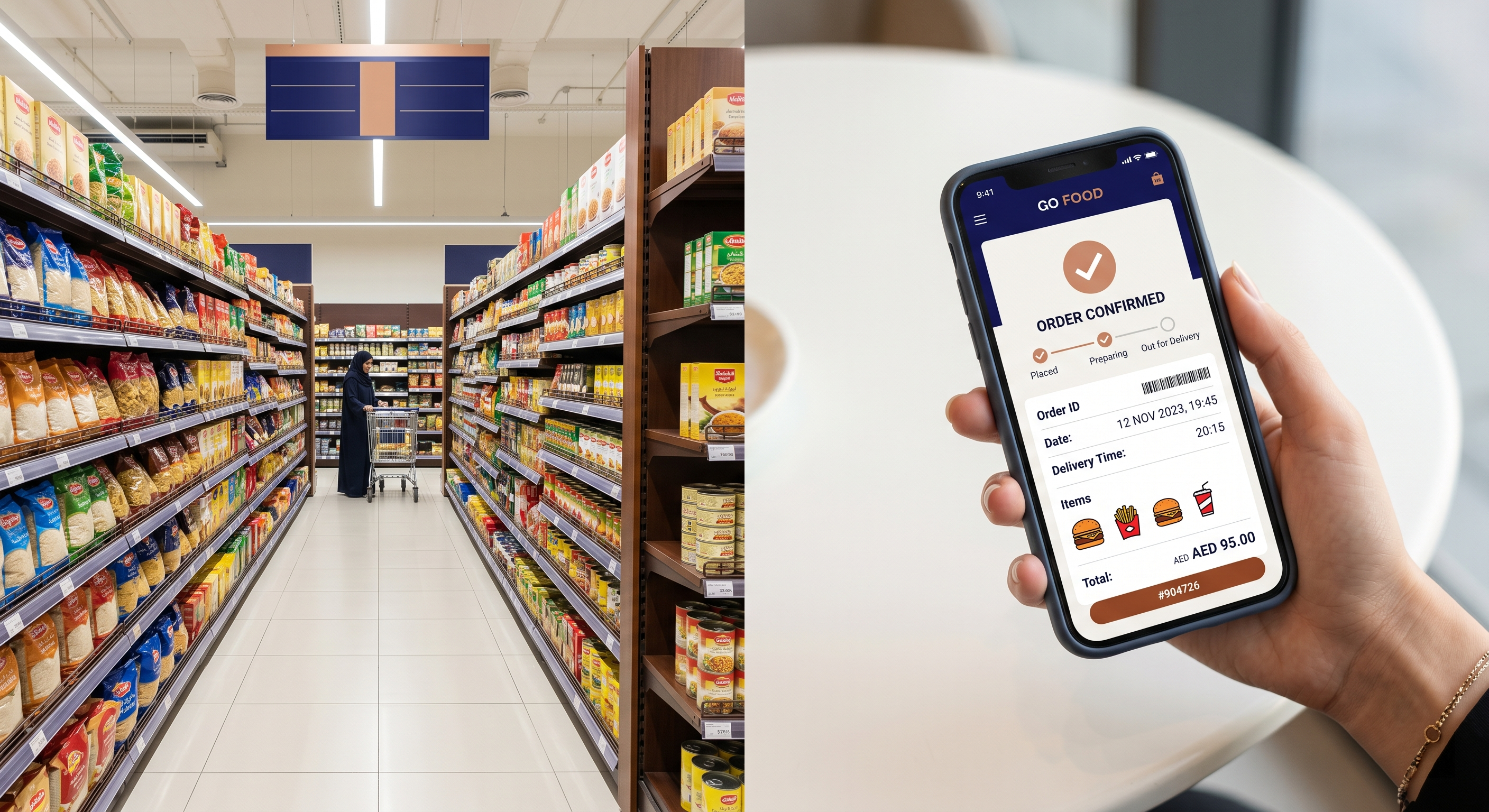
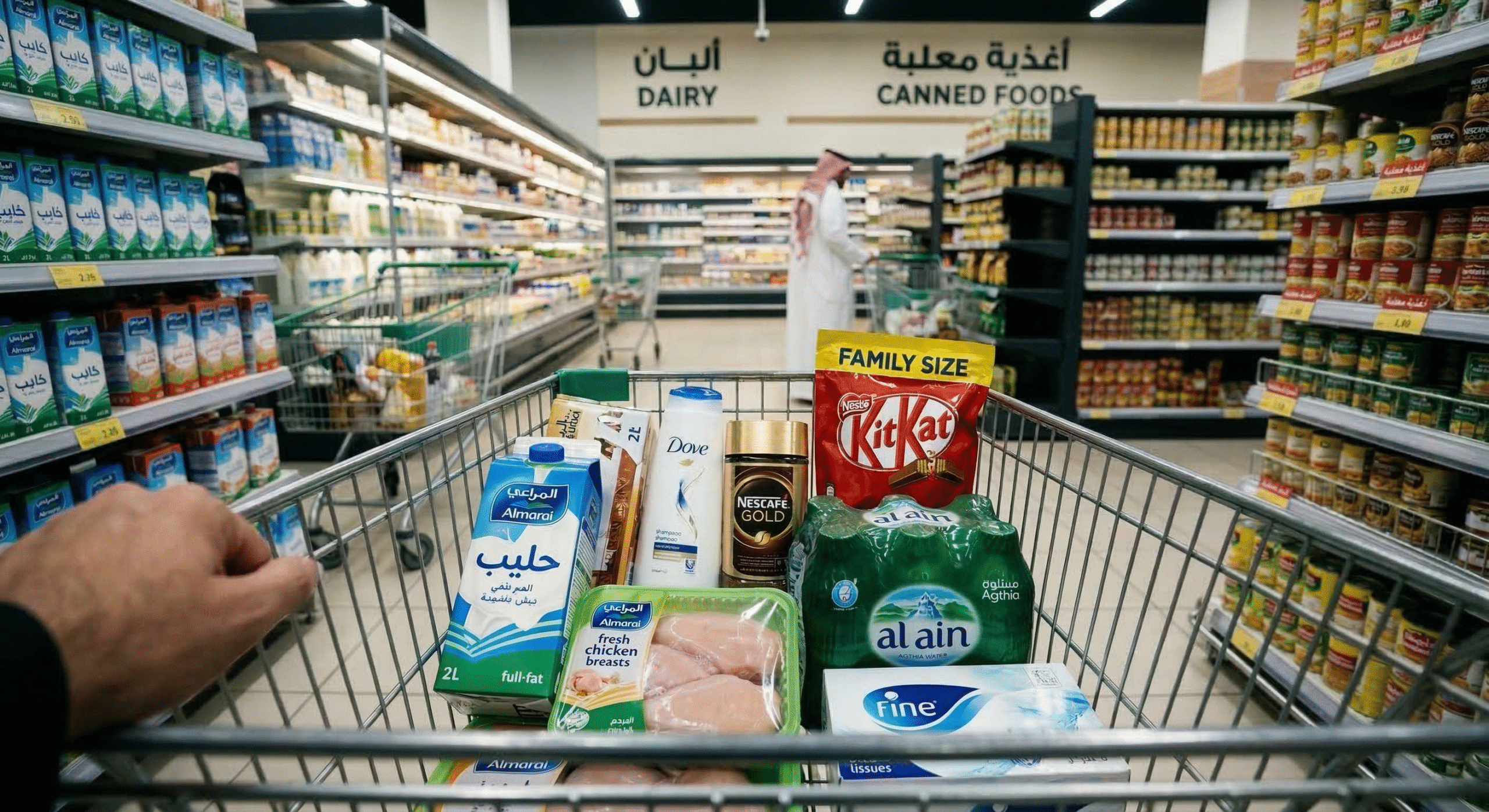
Sitting on top of that are the delivery apps, InstaShop, Noon, the Carrefour app and Lulu Online, and they matter more here than the store count suggests, because $1.2 billion of food buying in the UAE already happens online. If a shopper can't find you in the app search, you lose the sale to whoever they can find.
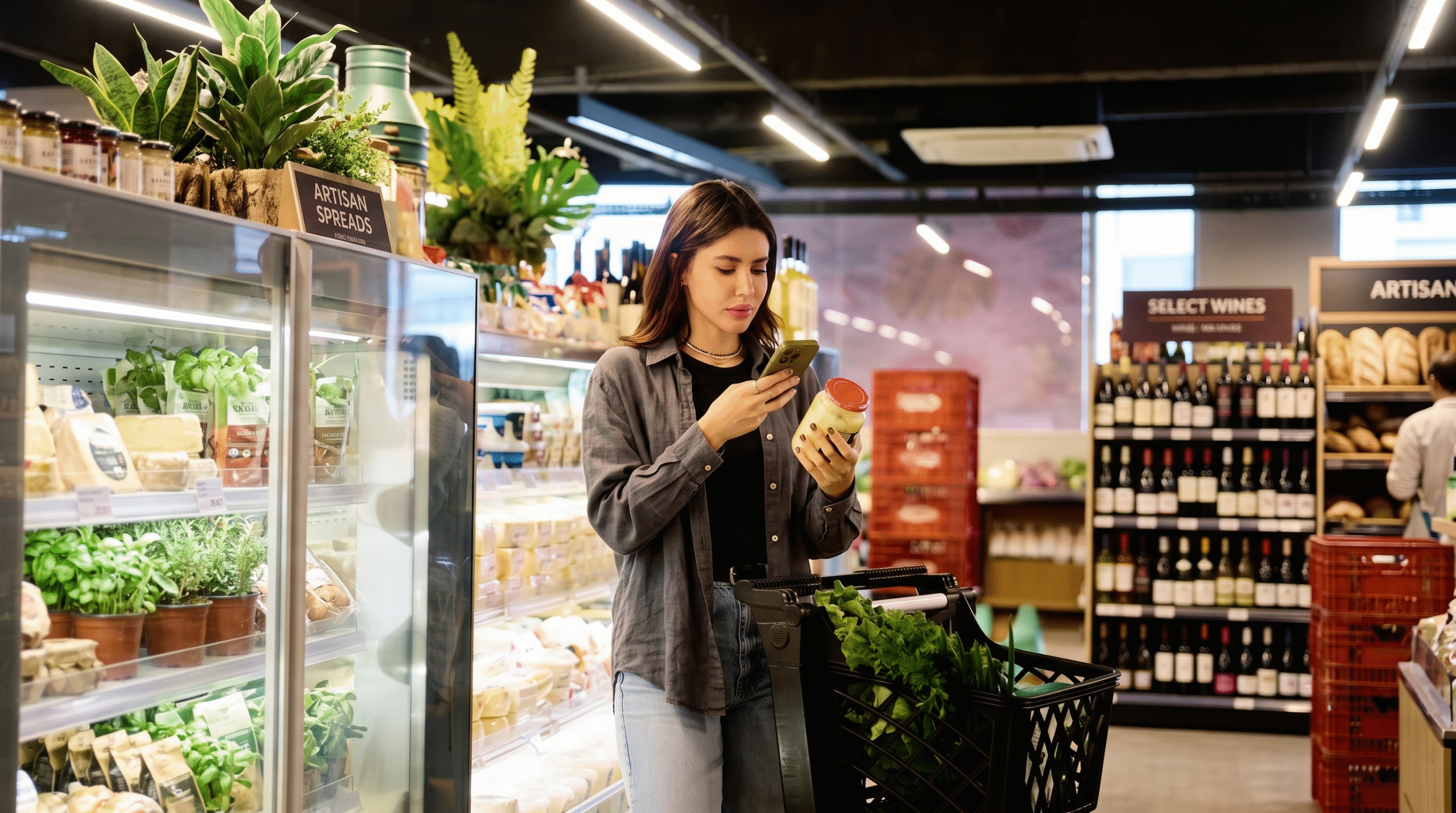
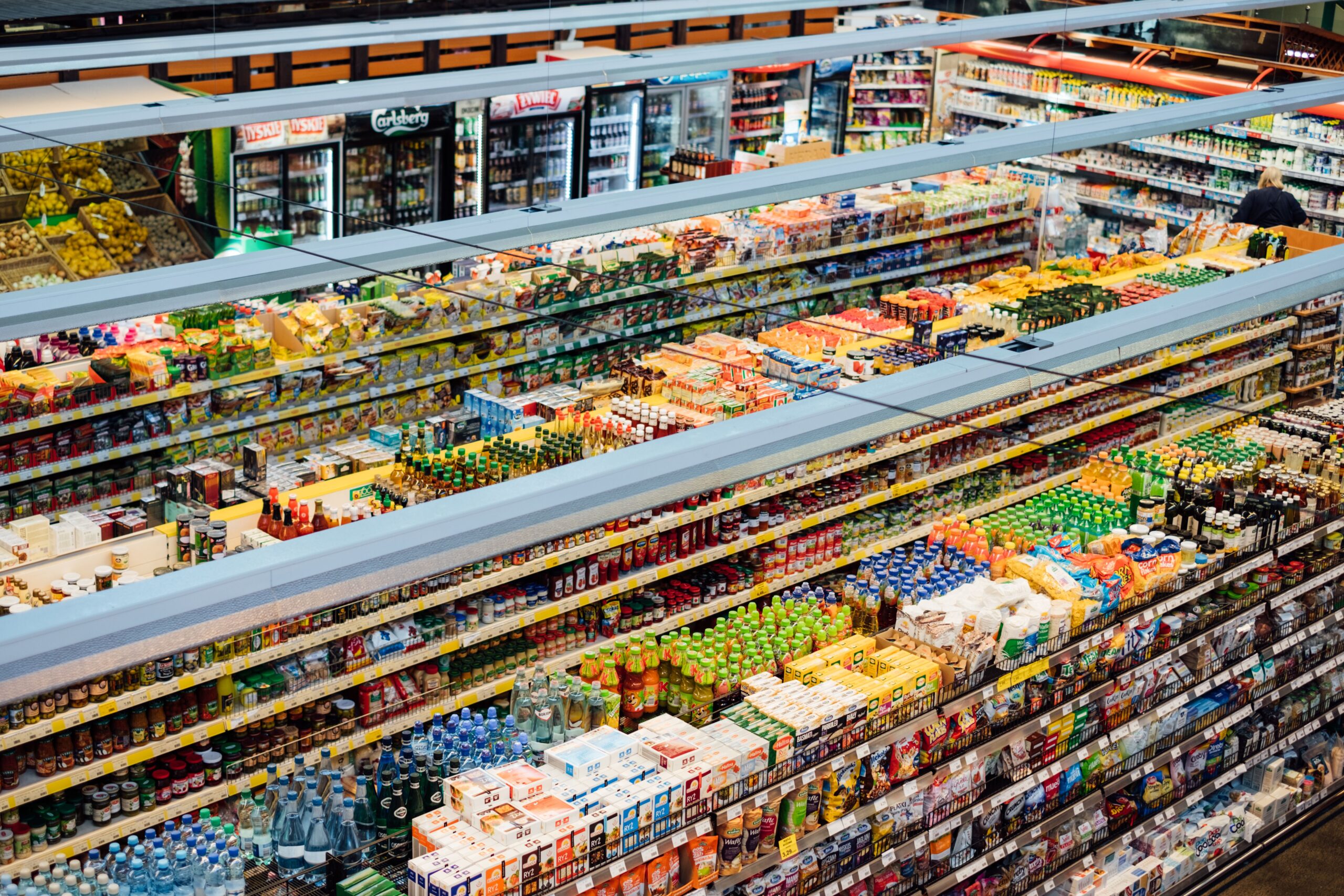
Los Angeles has no short list. Ralphs under Kroger and Vons and Pavilions under Albertsons cover the mainstream, Food 4 Less, Smart & Final, Grocery Outlet and ALDI cover value, and Gelson's sits at the top end. Then you have a whole separate layer of grocers that a lot of foreign brands miss completely, Northgate González, Vallarta and Superior Grocers serving Latino neighbourhoods, and 99 Ranch and H Mart serving Asian ones. The chains near a shopper change from one part of the city to the next, so a listing with one chain reaches one slice of LA and nothing else.
What each city asks for before your product can enter
Dubai makes you register first. Every food product has to go into the Food Import and Re-export System with Dubai Municipality, which is the online file where you declare the product before it ships, and first-time items get sent for laboratory testing. Labels have to be in Arabic, or in Arabic and English together. Arabic stickers are allowed, and they have to go on before the goods leave the exporting country rather than after they land. Only one set of production and expiry dates is allowed and it has to be printed on the original label. If the registration isn't done, your container sits at the port.
California makes you reformulate. Under AB 418, the California Food Safety Act, from 1 January 2027 you can't make, sell, distribute or even hold a food for sale in the state if it contains red dye 3, potassium bromate, brominated vegetable oil or propylparaben. Penalties run to $5,000 for a first violation and $10,000 for each one after. That's roughly 3 months away, so if your recipe has any of the 4 in it, your California plan is a reformulation plan.
Drinks carry a second cost. You pay a deposit on every container, 5 cents under 24 ounces, 10 cents at 24 ounces and over, and 25 cents on wine and spirits sold in boxes, bladders or pouches. California also published its packaging rules under SB 54 in May 2026, which put recycling obligations on the producer rather than the council.
At ASAFI we move commodities into markets with rules like these on both ends, and the paperwork is usually what decides whether a container clears in days or sits for weeks.
Immigration enforcement is keeping LA shoppers at home
There's one more thing sitting on Los Angeles that won't show up in any market report you buy. UCLA's Latino Policy and Politics Institute published a study in July 2026 looking at what immigration enforcement did to trade in Latino neighbourhoods, and the numbers are heavy.
In the 2 weeks after the June 2025 enforcement surge, businesses within half a mile of 9 enforcement sites lost 46,000 customer visits and about $3.16 million in revenue. Scaled across the county the researchers put the loss at roughly $52 million in 2 weeks and $114 million over a month. Of the business owners surveyed, 59% said sales fell by more than half, 68% closed or cut their hours, and 51% had staff stay away from work out of fear.
This matters to you because those are the exact neighbourhoods an ethnic food brand would target first. The stores are there, the demand is there, and the foot traffic through the door is not what it was. A year after the surge, 95% of those business owners still reported financial stress and only 43% were breaking even.