How Much of the Food You Buy at the Grocery Store Is Still Healthy?
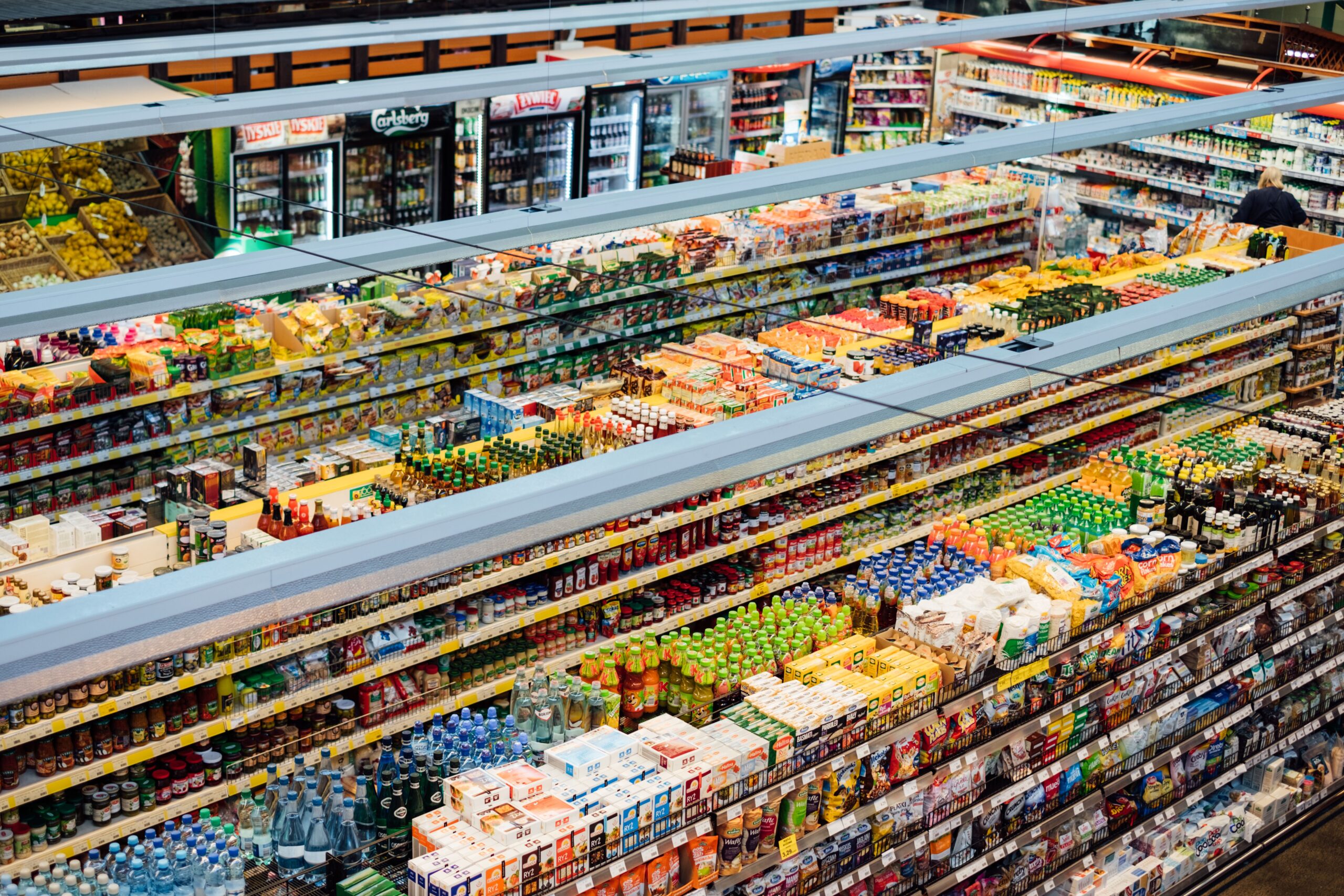
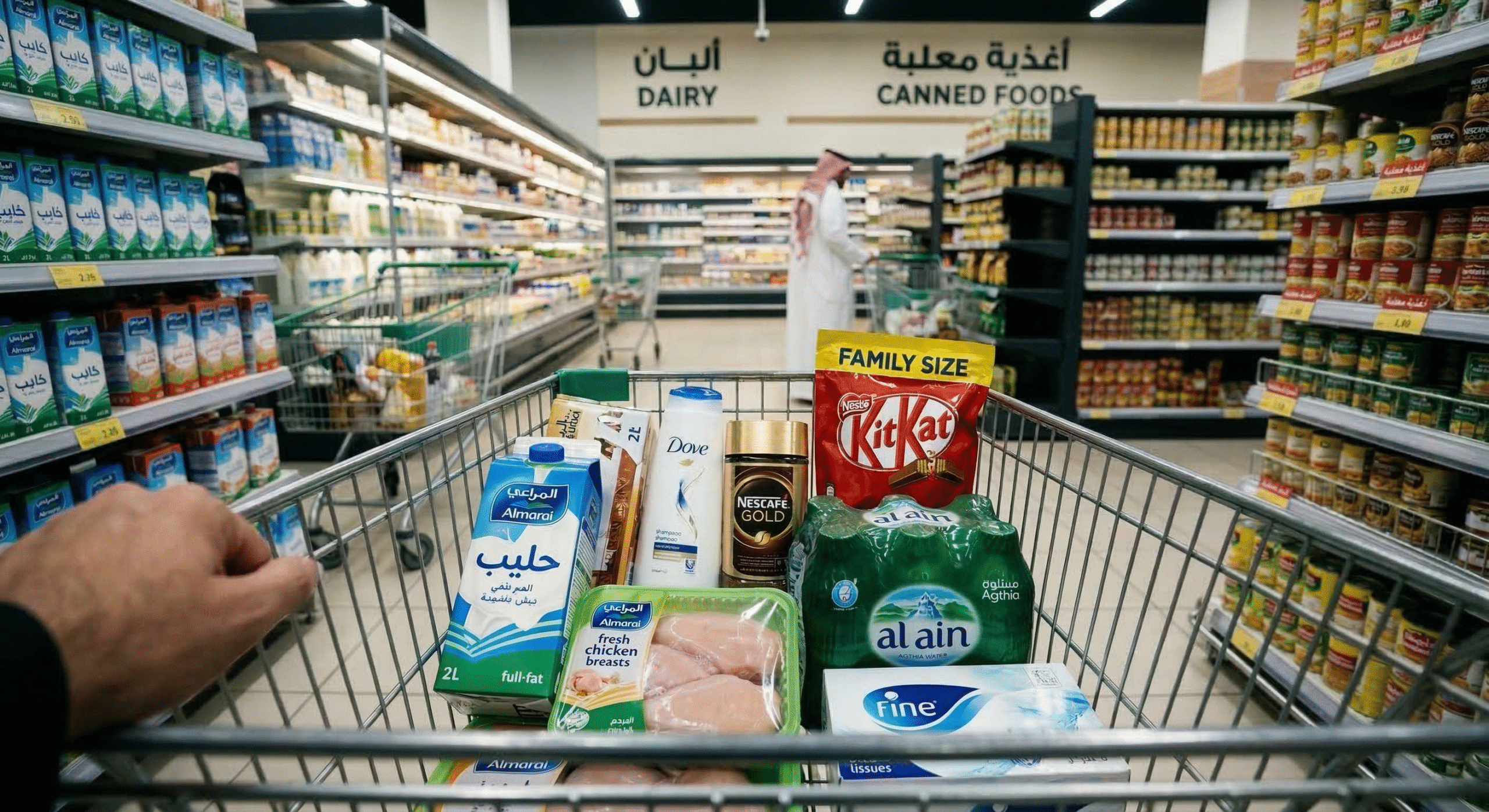
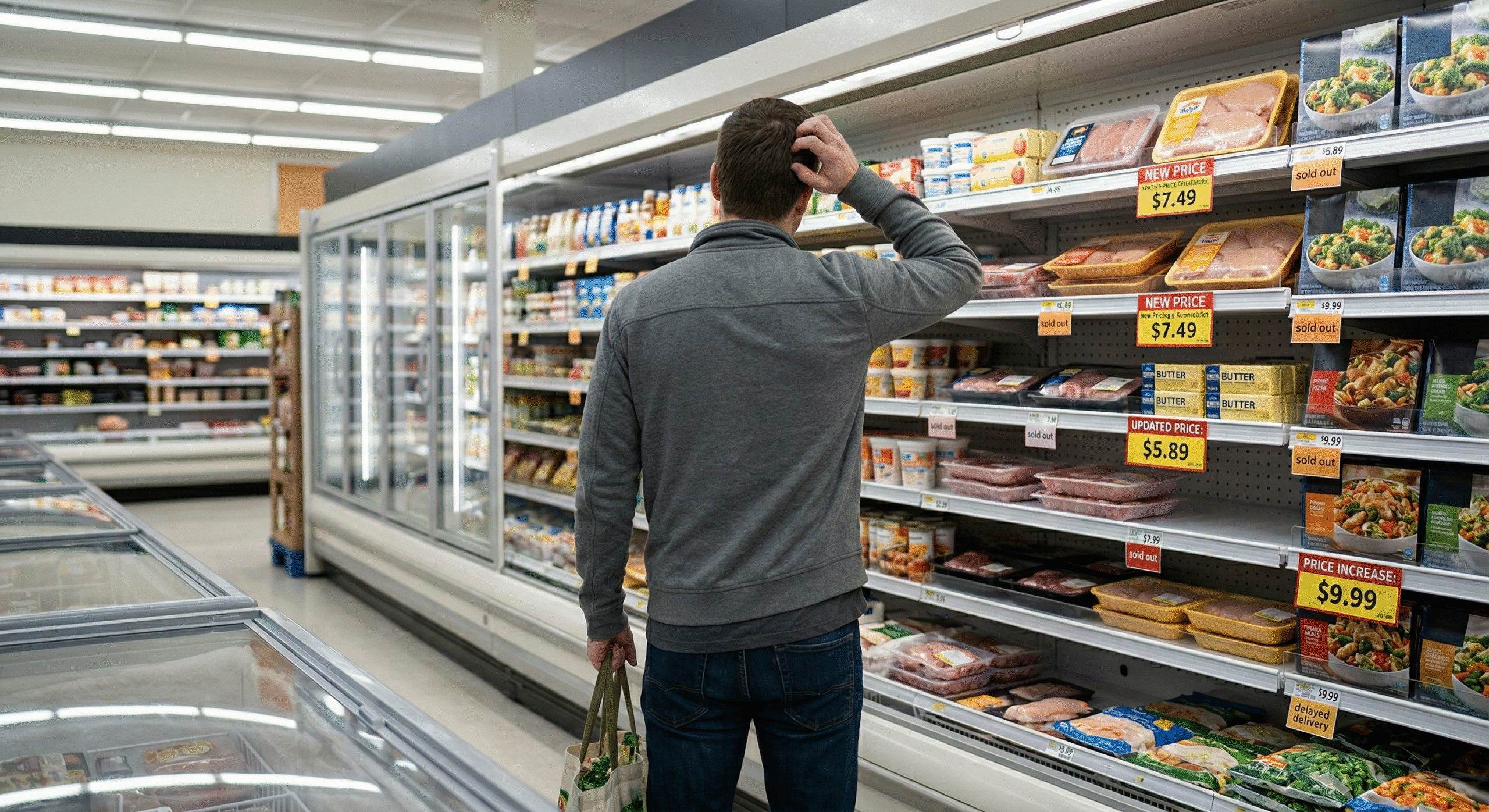
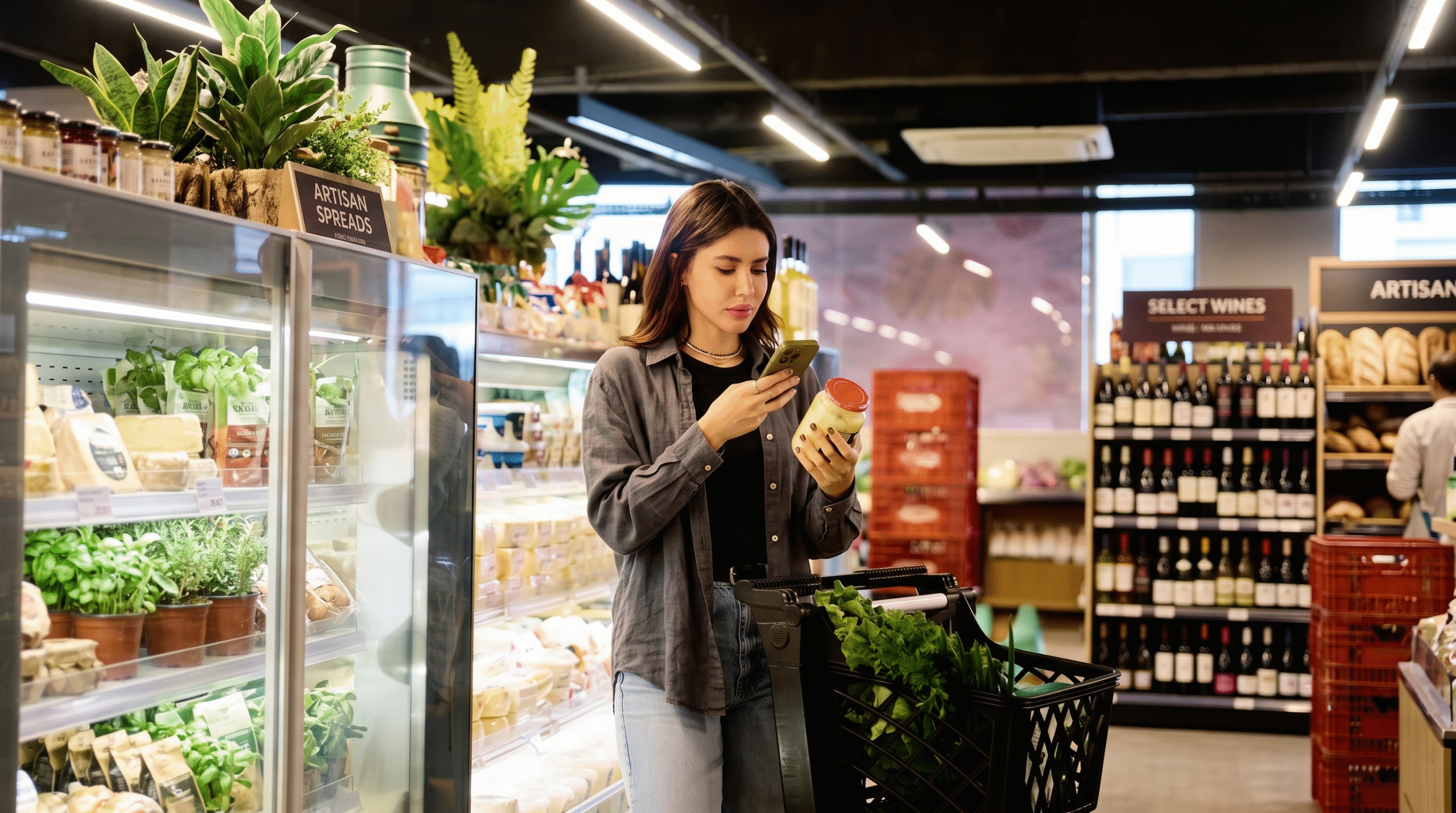
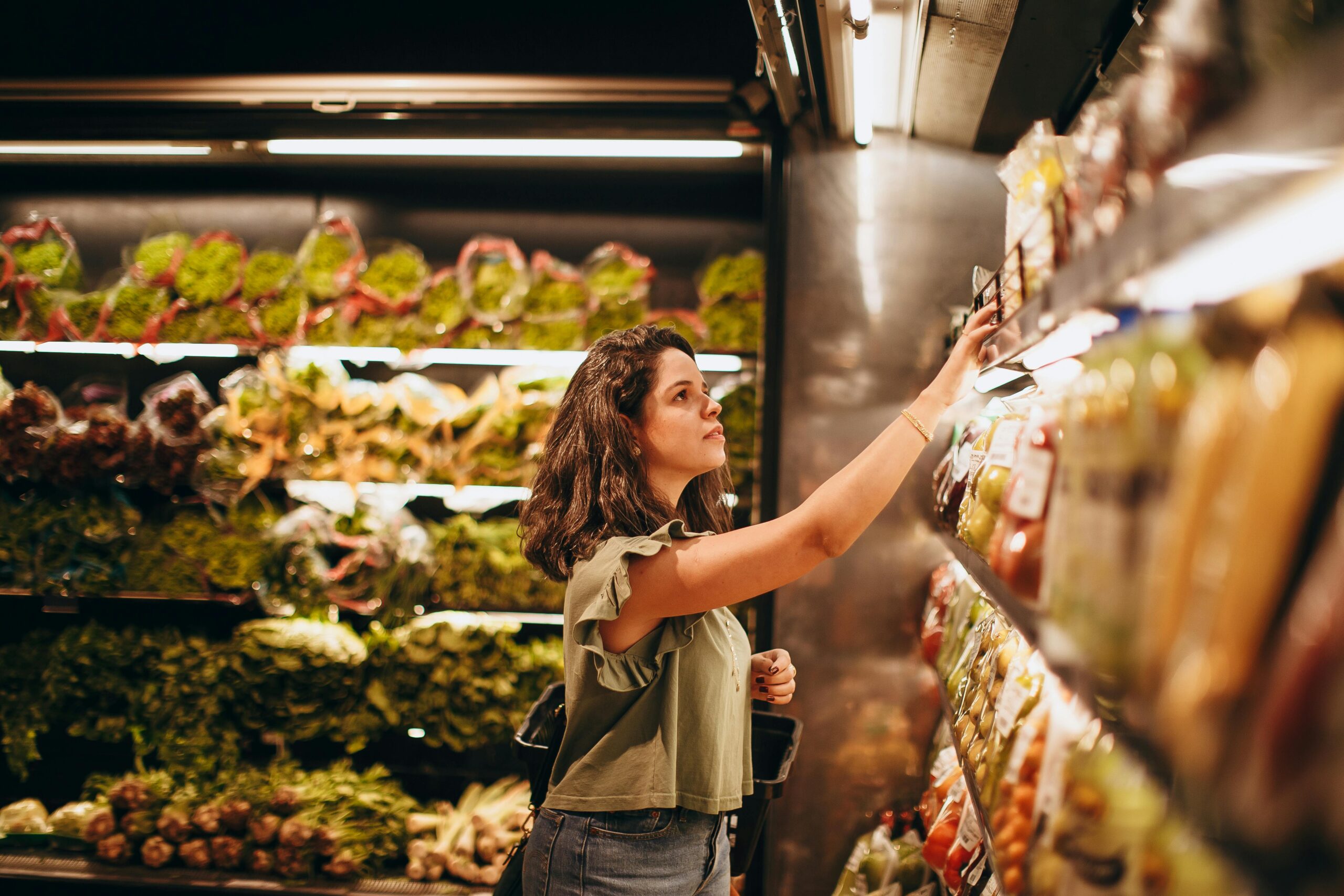
You walk into the grocery store, fill your cart with what looks like reasonable food, and head home feeling like you made decent choices. Whole grain bread. Breakfast cereal. Some yogurt. Maybe a few canned goods.
Here is the uncomfortable part. Most of what just went into that cart is ultra-processed. Not because you made bad choices. Because the grocery store, as it exists today, is largely built around food that has been engineered, not grown.
What Has Changed In The Food
Researchers at Northeastern University built GroceryDB, a database that analyzed over 50,000 food items sold across major U.S. supermarkets. The finding was striking: roughly 70% of the food supply in the average grocery store qualifies as ultra-processed. Johns Hopkins Bloomberg School of Public Health puts that number closer to 75%.
These figures come from peer-reviewed research, published in 2025, using machine learning to assess ingredient lists at scale.
So what counts as ultra-processed? The NOVA classification system, developed by researchers at the University of São Paulo, defines ultra-processed foods (UPFs) as products that contain at least one ingredient not typically found in a home kitchen. Think emulsifiers, artificial colors, high-fructose corn syrup, modified starches, flavor enhancers. These are industrial ingredients added to extend shelf life, improve texture, or make a product more addictive.
The trick is that UPFs do not always look like junk food. A cart with instant ramen and soda contains UPFs. So does a cart with whole grain bread, breakfast cereal, and strawberry yogurt. The category is far wider than most people realize, and that is precisely why it matters.
The Numbers Behind This Change
The CDC published data in August 2025 from the National Health and Nutrition Examination Survey covering 2021 to 2023. The result: Americans get 55% of their total calories from ultra-processed foods. For children between the ages of 1 and 18, that figure rises to 61.9%.
Think about that. More than half of what the average American eats every day comes from products that did not exist in their current form 60 years ago.
A 2024 umbrella review published in the BMJ analyzed 45 meta-analyses covering nearly 10 million people. It found that diets high in UPFs are linked to 32 distinct health conditions, including obesity, type 2 diabetes, cardiovascular disease, colorectal cancer, anxiety, depression, and all-cause mortality.
The World Health Organization has classified ultra-processed meats, specifically meats altered in shape, flavor, and freshness through industrial processing, as a Group 1 carcinogen. That places them in the same category as tobacco and asbestos for their link to colorectal cancer.
Why the Grocery Store Looks the Way It Does
Understanding the problem requires understanding the economics.
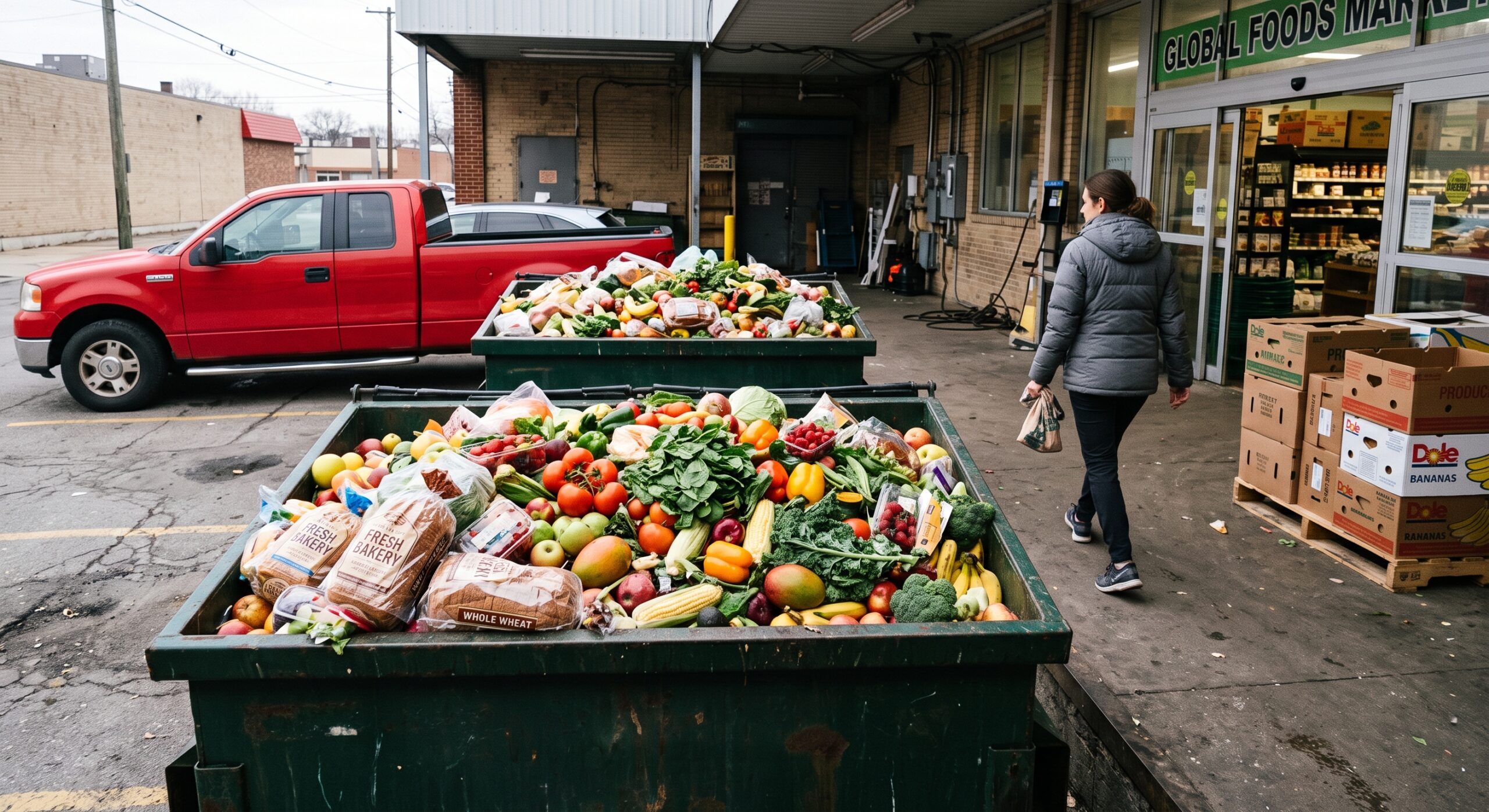
Ultra-processed food costs 55 cents per 100 calories. Unprocessed whole food costs $1.45 per 100 calories. That price gap is not accidental. Industrial food manufacturing is optimized for scale, shelf stability, and profit margin. Fresh vegetables spoil. Lentils need to be cooked. Oats require preparation. Packaged snack bars last 18 months and require no effort.
For millions of households, time and money are the real constraints. UPFs win on both. That is why, as researchers at Johns Hopkins found, the share of home-cooked calories coming from minimally processed foods dropped from 33.2% in 2003 to just 28.5% in 2018. The trend did not start last year. It has been building for decades.
Retailers also play a role. The layout of a grocery store, the placement of products, the shelf space allocated to categories, all of it reflects commercial agreements between manufacturers and retailers. Healthy whole foods are not always the ones with the biggest marketing budgets or the most shelf presence.
What Is Still Healthy in the Grocery Store
The picture is not entirely bleak. Some categories of grocery store food remain genuinely nutritious and relatively untouched by industrial processing.
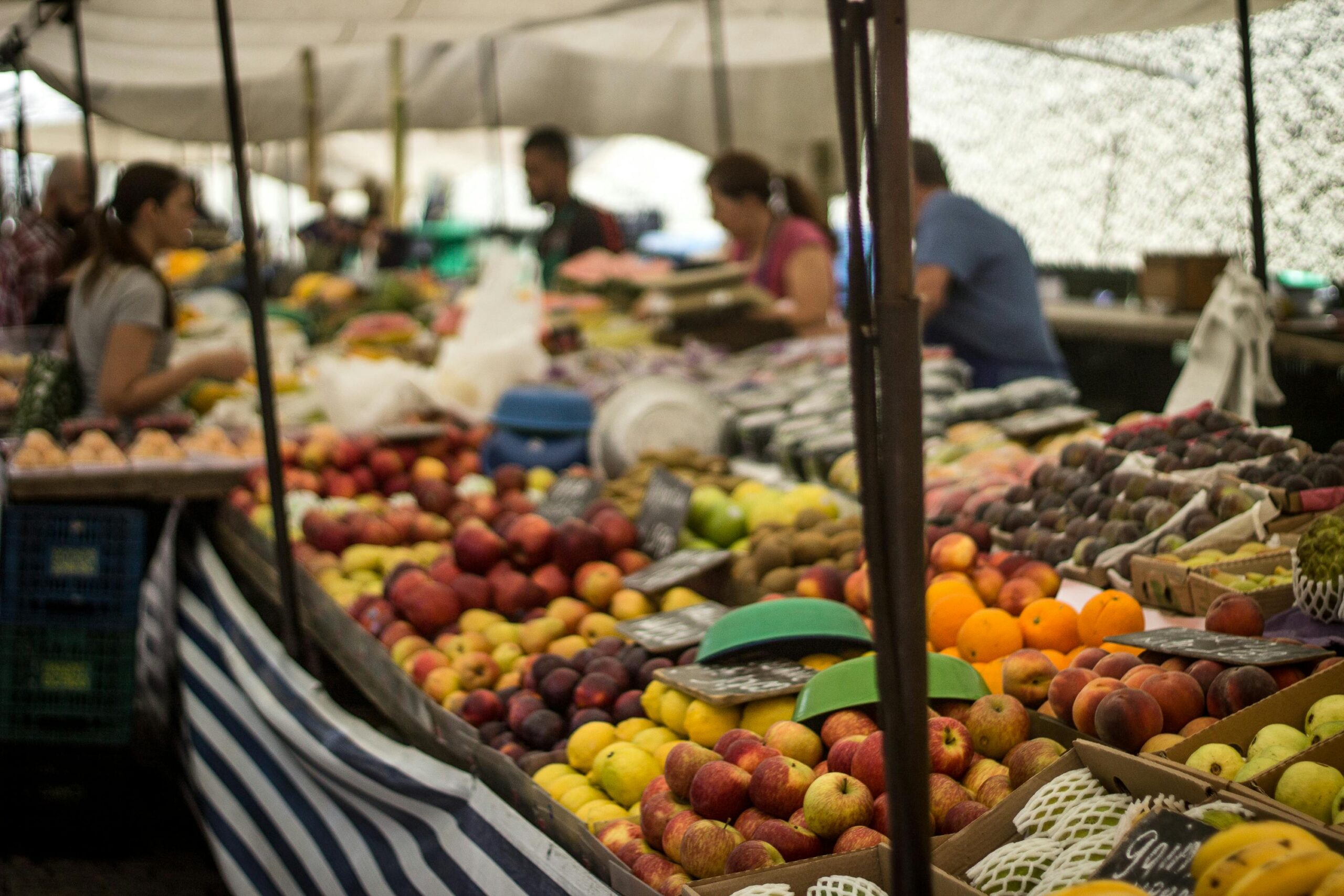
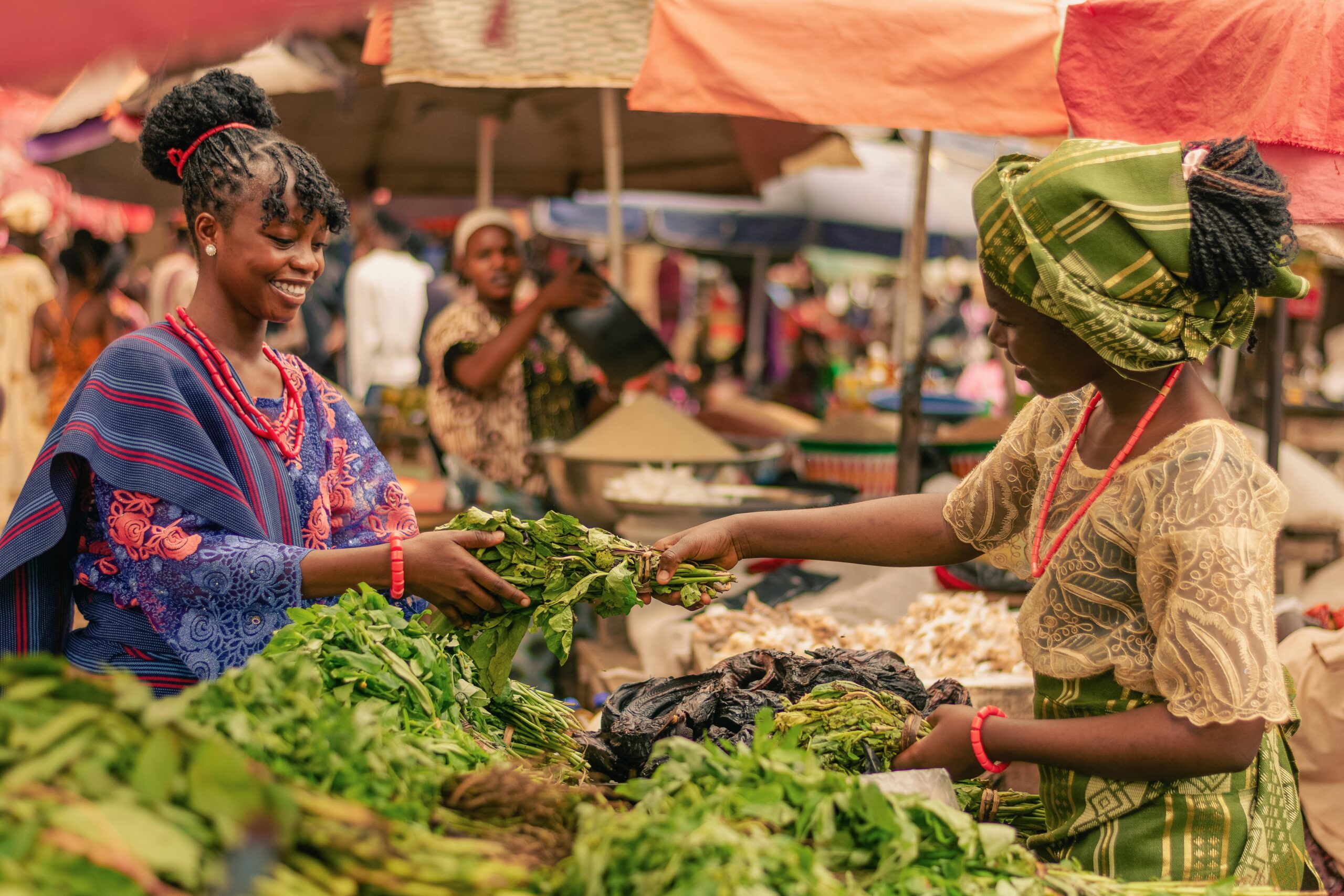
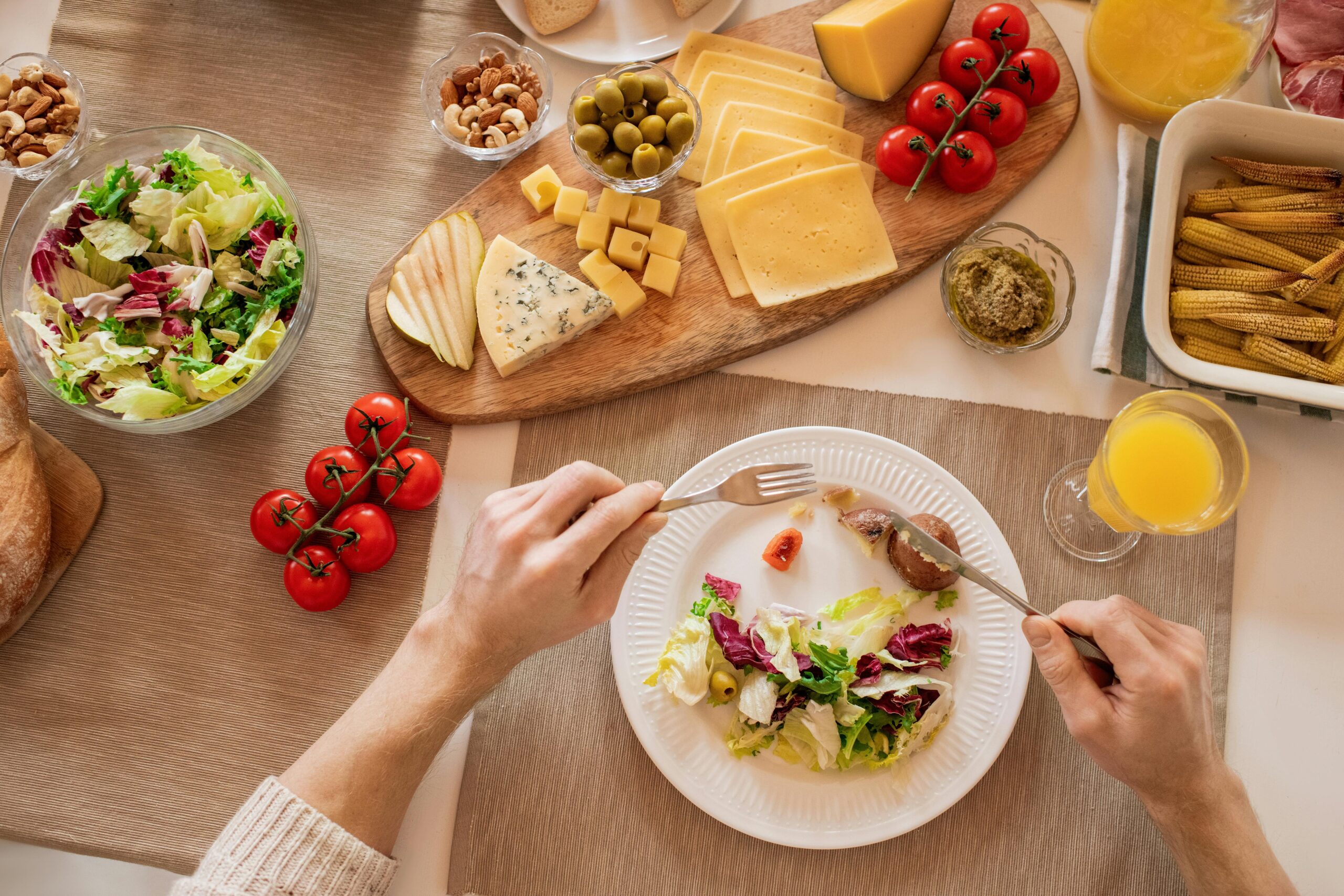
Fresh vegetables and fruit sit at the top of the list. As long as they have not been pre-seasoned, sauced, or packaged with additives, they are still what they have always been. Dried legumes such as lentils, chickpeas, and black beans are among the most nutritionally dense foods available, high in protein, fiber, and micronutrients, with no processing required beyond cooking. Whole grains in their true form (not puffed, flavored, or fortified beyond recognition) still deliver complex carbohydrates, fiber, and B vitamins. Eggs remain one of the most complete protein sources in any store. Plain frozen vegetables without sauces or additives are also largely intact nutritionally, and in some cases retain more nutrients than fresh produce that has spent days in transit.
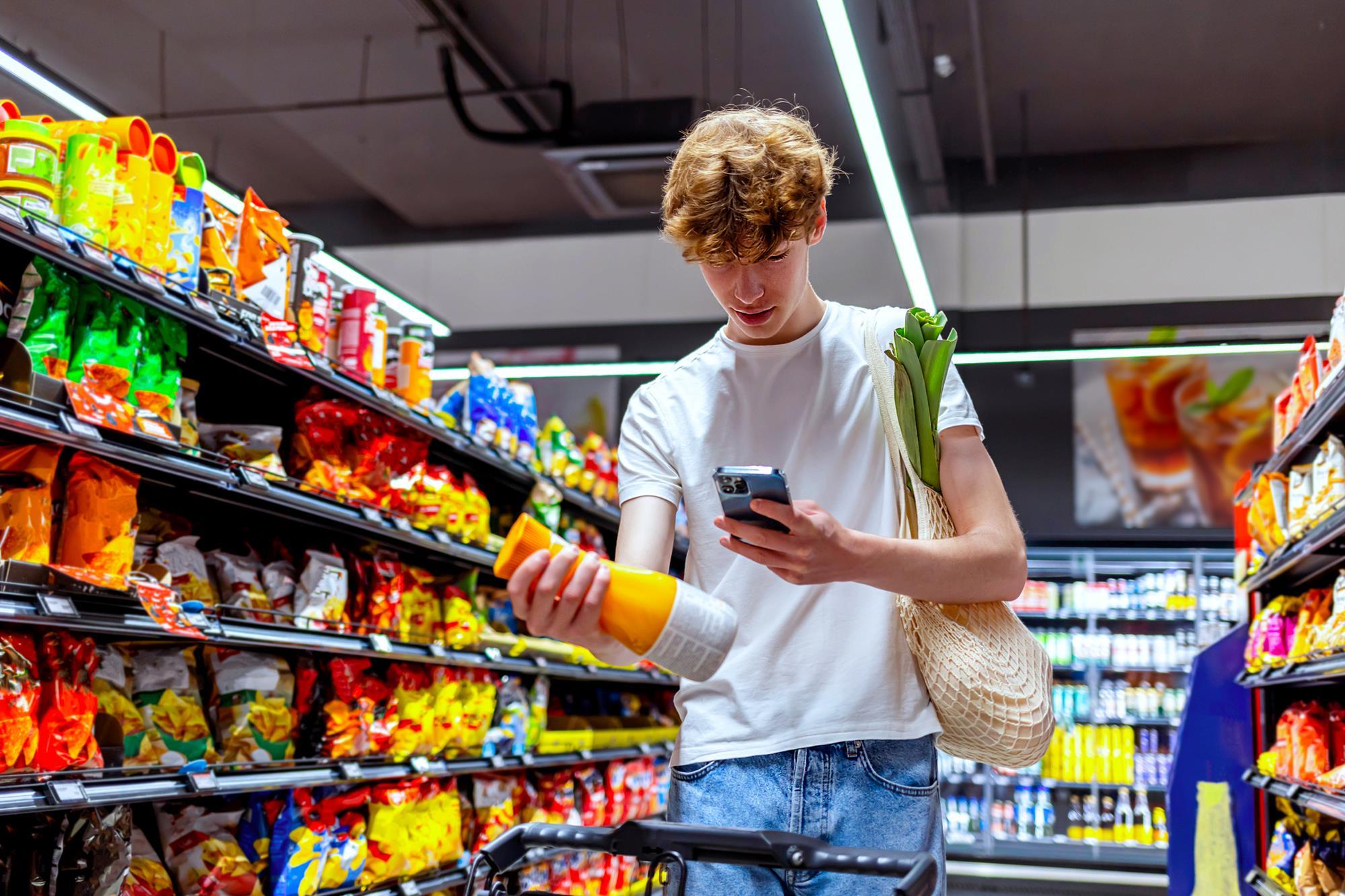
The rule of thumb is simple: the shorter the ingredient list, the closer the food is to what it actually is. A can of chickpeas with one ingredient is a different product than a flavored chickpea snack with 14 ingredients, even if they both say "chickpeas" on the front.
Where the Food Chain Starts
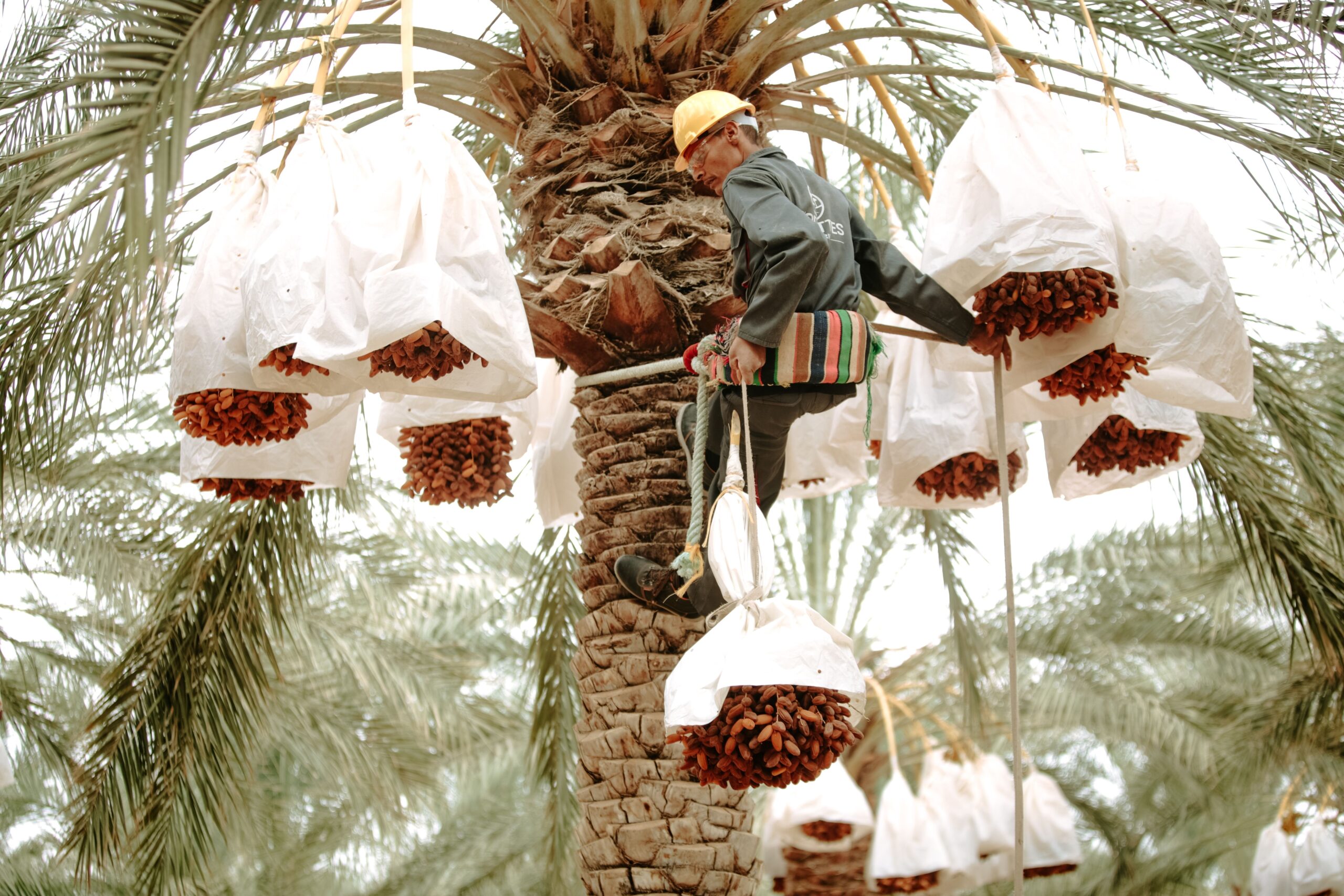
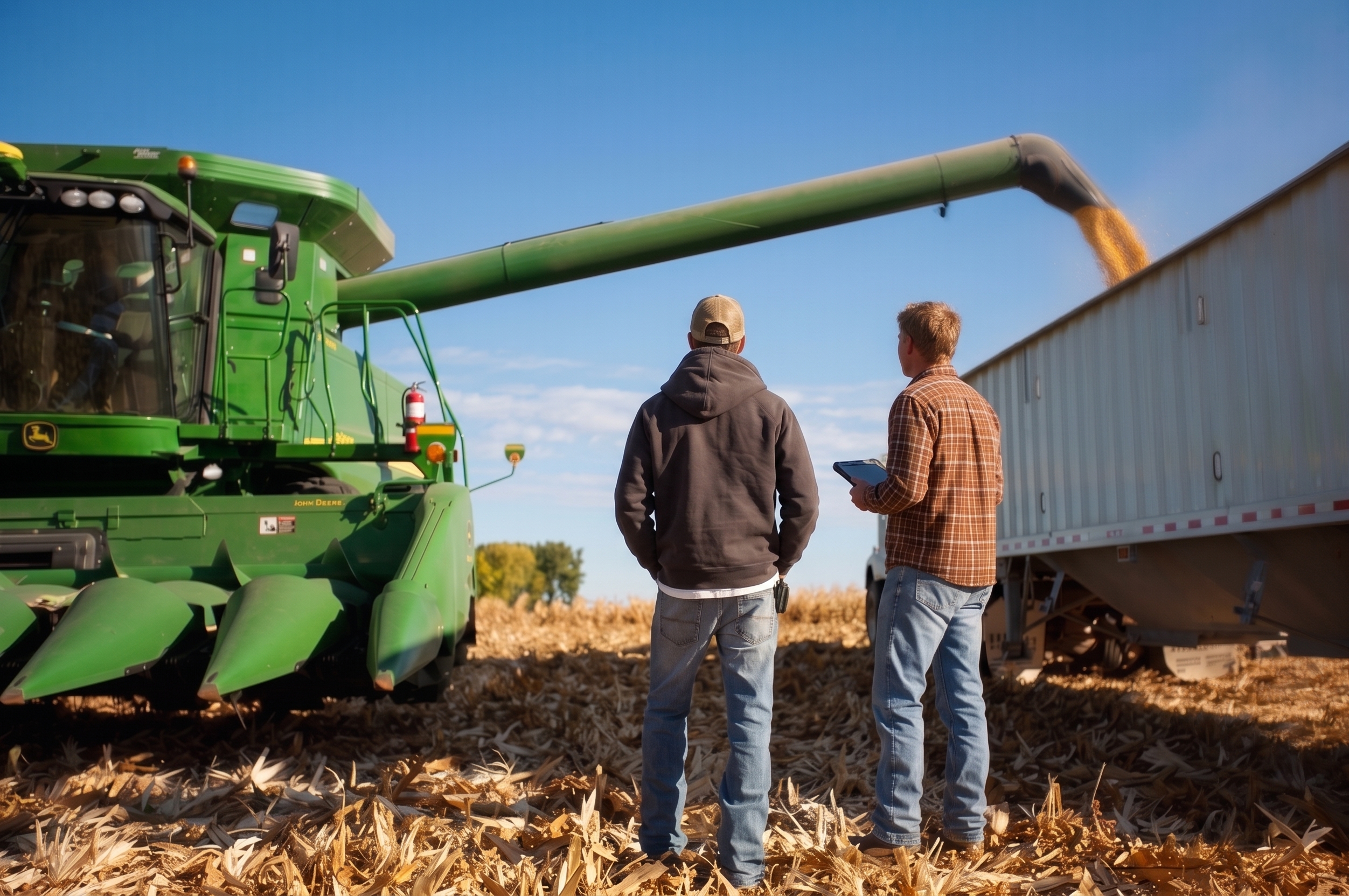
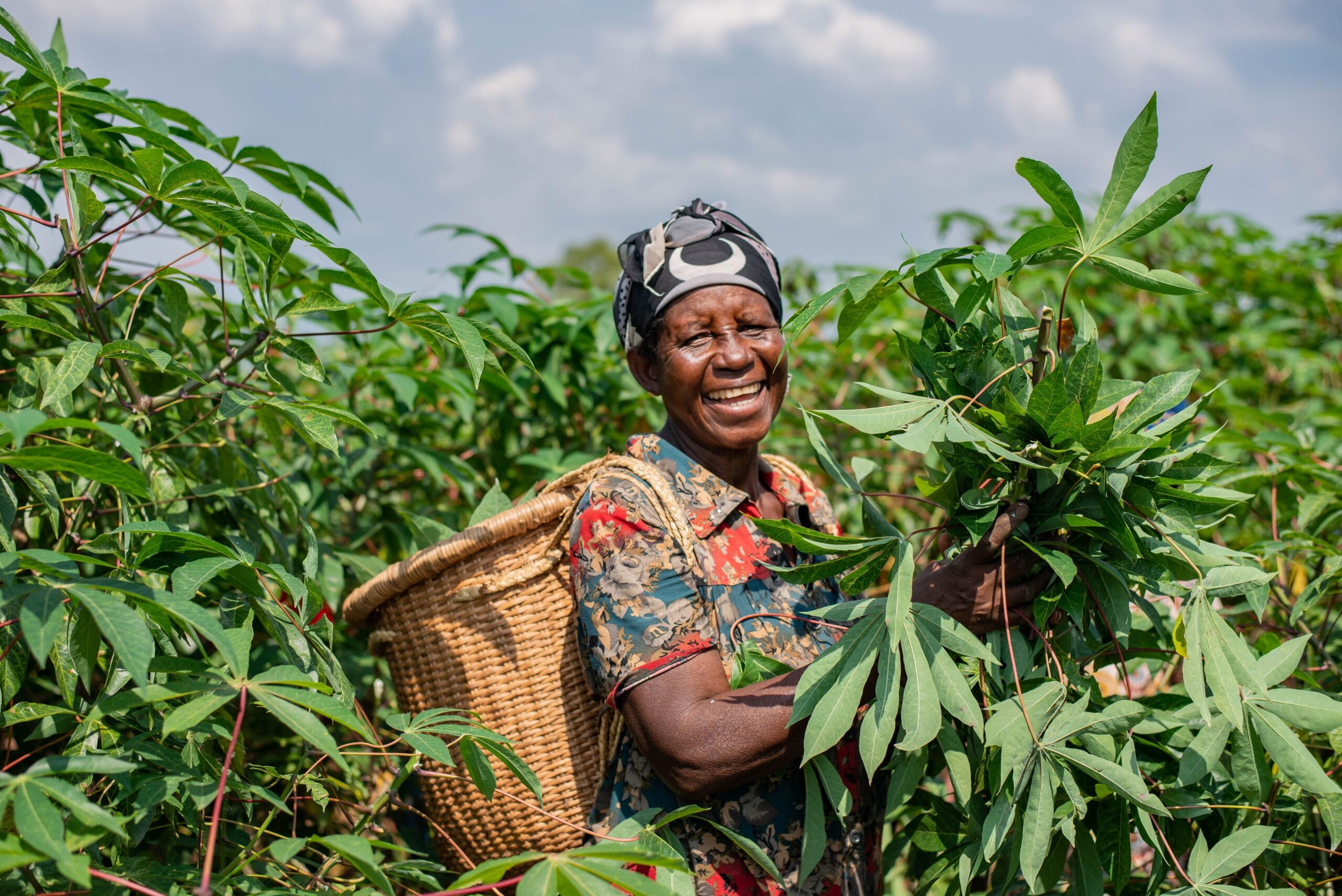
Most people think about food health at the point of purchase. But the nutritional value of any food is determined far earlier, at the source.
A whole grain that leaves the field intact, stored correctly, and traded without unnecessary processing, arrives at a mill or a kitchen with its full nutritional profile. The moment industrial processing begins, fiber gets stripped, vitamins get removed, and additives get introduced to compensate for what was lost.
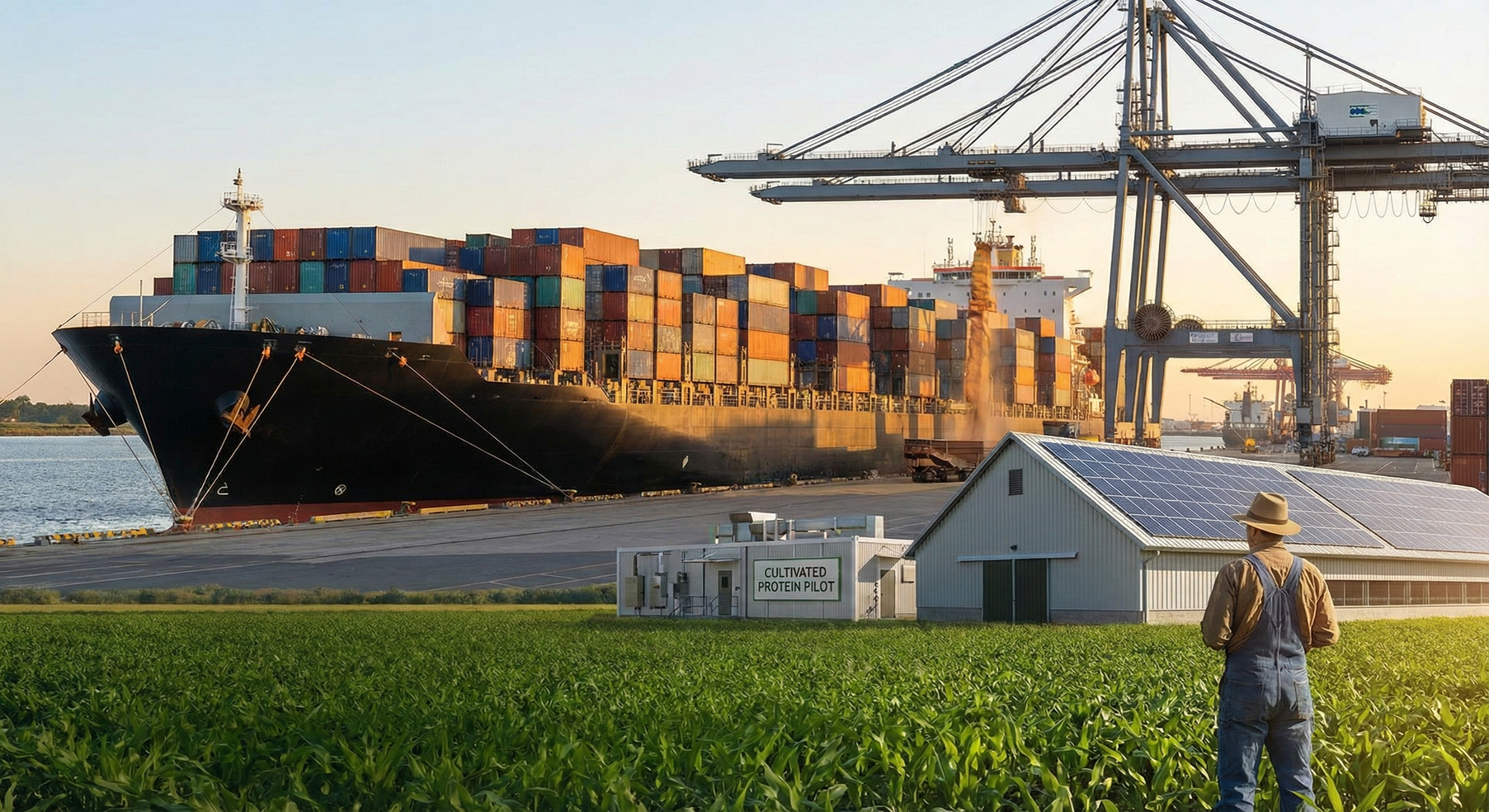
This is what makes commodity sourcing a genuinely important issue in the food health conversation. At ASAFI, the products we trade, grains, pulses, oilseeds, and edible oils, are handled at the stage where nutritional integrity is still intact. The decisions made at the supply chain level, about sourcing quality, handling, storage, and distribution, directly affect what ends up in your bowl.
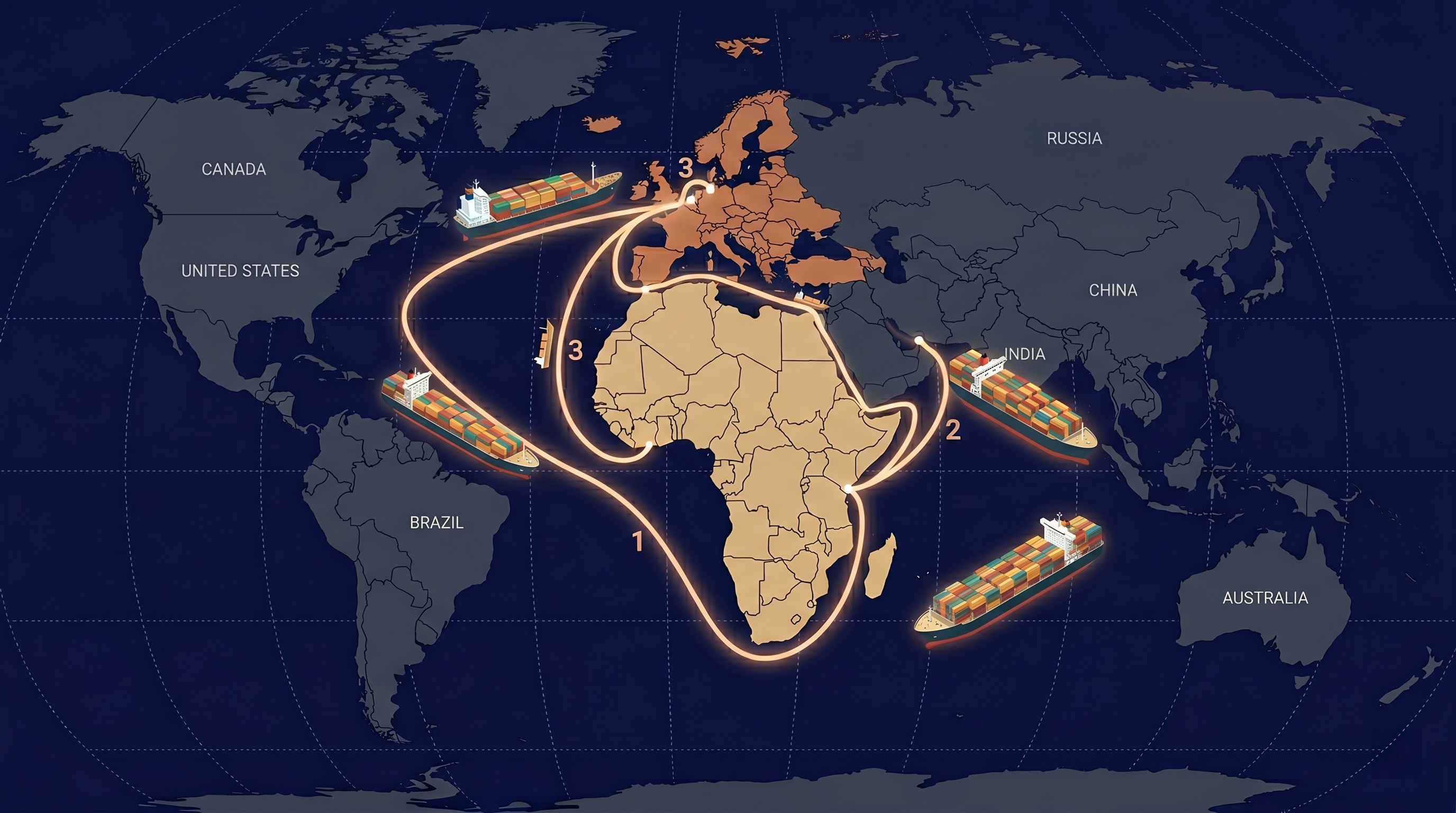
When food moves through a transparent, well-managed supply chain from origin to end buyer, far less is lost. When it travels through opaque, fragmented networks with multiple reprocessing steps, the degradation begins long before it reaches the shelf.
What Can You Do About It
You cannot avoid the grocery store. But you can read it differently.
Start at the edges. Produce sections, whole grains in bulk, dried legumes, and plain dairy tend to live on the perimeter of most stores, while the center aisles are where ultra-processed products dominate. Read ingredient lists, not nutrition labels. A product can claim to be "high in fiber" or "low in fat" while still containing a dozen industrial additives. Look for products where every ingredient is something you could find in a kitchen.
Price is a real constraint. Whole foods cost more per calorie. But legumes and grains are exceptions. They are among the most affordable whole foods available, which is one reason they form the backbone of traditional diets across most of the world.
The goal is not perfection. It is awareness. Knowing that 70% of what lines the average grocery shelf is ultra-processed changes how you think about those aisles.
The grocery store has not stopped selling healthy food. It has just made it harder to find.
What do you think? Have you started reading food labels differently?