The 5 Most Commonly Faked Foods in Your Kitchen, and How to Spot Them
Almost half the honey arriving at Europe's borders is suspected of not being honey.
That number comes from the European Commission. Between November 2021 and February 2022, inspectors in 16 EU member states plus Norway and Switzerland pulled 320 honey consignments imported from 20 countries. The Commission's Joint Research Centre then tested every single one. 147 of those samples, 46% of the total, were suspected of containing added sugar syrup.
Honey is only where this starts.
Food fraud is one of the oldest businesses on earth, and it is running today, in your supermarket, on products you buy every week. So here are the nine foods most commonly faked, what they get faked with, and what you can actually do about it while you are standing in the aisle.
Why anyone bothers faking food
Fraud follows price. When a product costs a lot per kilo, when it is easy to grind or blend or dilute, and when the fake is hard to see, someone eventually tries it.
The industry term is economically motivated adulteration. Researchers analysing the US Pharmacopeial Convention's food fraud database found that 95% of recorded cases involved replacement, which means a real ingredient was swapped out partly or completely for a cheaper one. Olive oil, milk, honey, saffron, orange juice, coffee, and apple juice sat at the top of that list.
Processing is what opens the door. Whole peppercorns are difficult to fake because you can see them. Ground pepper is simple. Therefore the more a food gets broken down before it reaches you, the more room there is to put something else inside it.
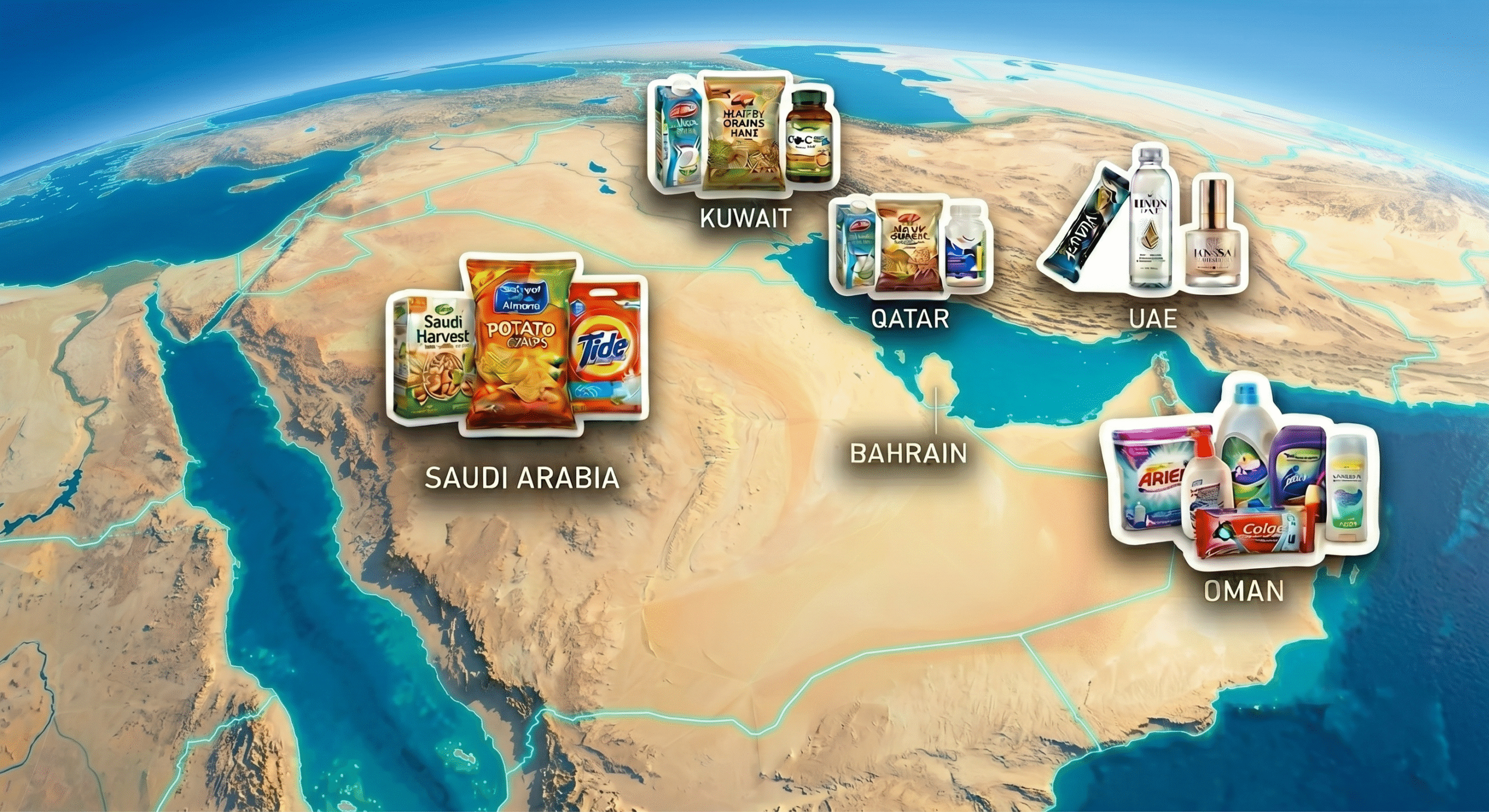
At ASAFI we buy agricultural commodities directly at origin and move them into Gulf and European markets, so every lot gets sampled and tested against a written specification before it goes anywhere. Most of what follows is that same logic, scaled down to one person and a shopping trolley.
1. Honey
Honey gets cut with sugar syrup made from rice, wheat, or sugar beet.
The border testing numbers are the headline. 46% of 320 imported consignments came back suspicious in the 2023 operation. An earlier EU control plan running from 2015 to 2017 found 14% of samples failing. Part of that jump comes from better science, because the labs used far more sensitive methods the second time around. The rest is the market moving. Syrups made from maize have mostly vanished from fraud cases, since the standard isotope test catches them easily. Rice, wheat, and beet syrups slip straight past that test, so those are what fraudsters now reach for.
You cannot test honey at home. The crystallisation trick and the water drop test you have seen online do not work, and no amount of stirring will tell you what is in the jar.
What you can do is read the label. EU rules now require honey jars to name the countries of origin. A jar marked as a blend of EU and non-EU honeys tells you almost nothing useful. Honey from one named country, packed by someone willing to state the harvest, carries far less risk. Watch the price as well, because real honey has a production cost floor, and anything sitting well below that floor arrived there for a reason.
2. Olive oil
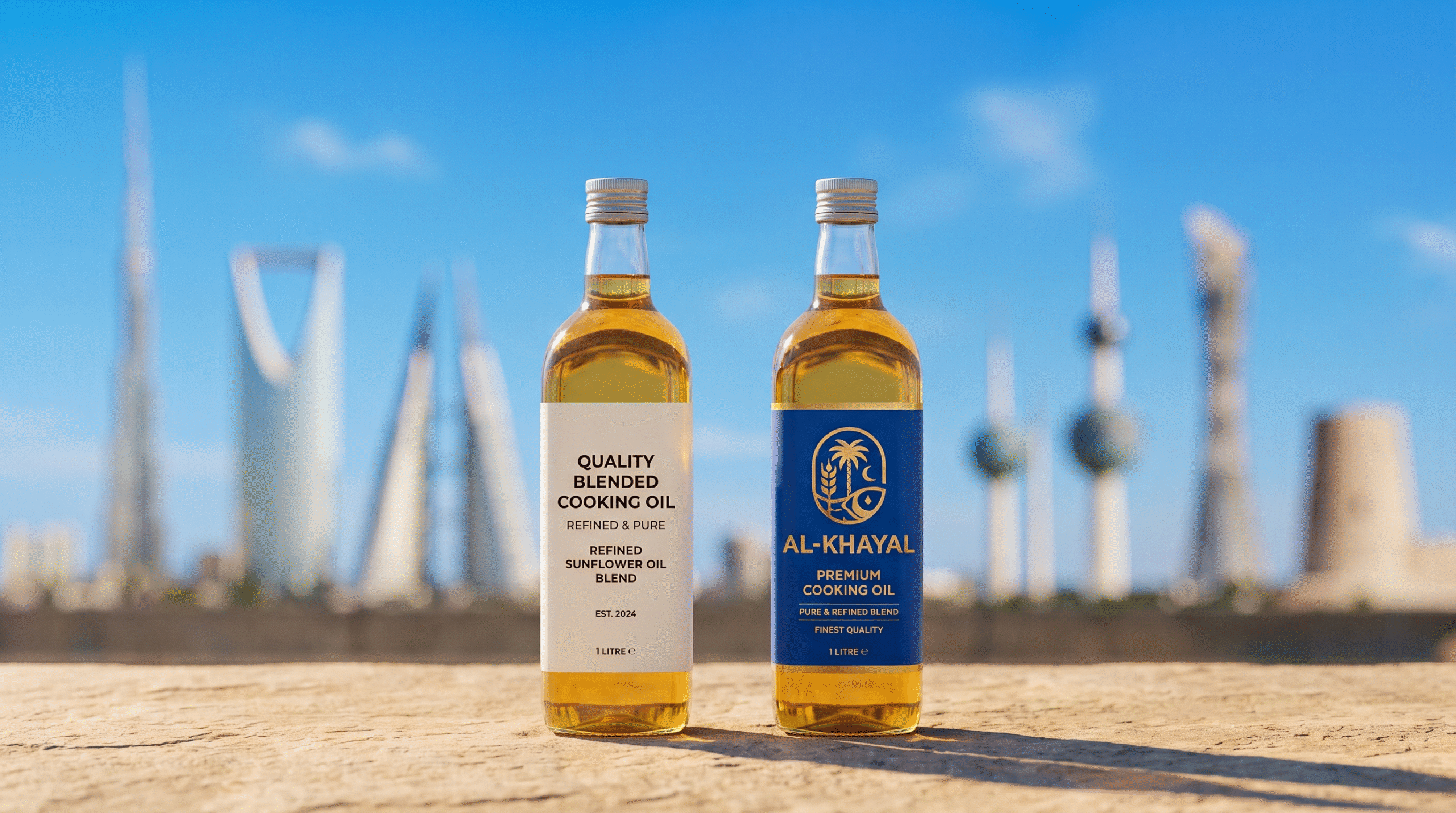
Extra virgin olive oil gets diluted with cheaper oils such as sunflower, canola, or refined olive oil. It also gets relabelled as a grade it never earned.
Extra virgin is a legal category with defined limits. Under EU rules the oil must come from olives by mechanical means only, it must have acidity below 0.8%, and it must carry zero sensory defects. One defect and it stops being extra virgin.
A University of California, Davis study in 2010 tested imported oils sold as extra virgin and found that 69% failed to meet the standard. The problem has not gone anywhere since. In July 2024, Italian authorities in Puglia seized 42 tonnes of counterfeit olive oil already packaged for sale, alongside 177,690 fraudulent labels. Seven people were charged.
Buy in dark glass or tin, because light degrades oil, and a clear bottle tells you the packer was not troubled by that. Look for a harvest date on the label. Real extra virgin should taste slightly bitter and peppery, and it should catch at the back of your throat. That catch comes from polyphenols, which is most of what you are paying for. Oil that tastes of nothing is not doing its job.
3. Spices
In 2021 the European Commission published the largest spice authenticity study ever run. Twenty one member states plus Norway and Switzerland collected 1,885 samples. The Joint Research Centre then performed nearly 10,000 analyses. Overall, 17% of samples were suspicious of adulteration.
The breakdown is where it gets uncomfortable.
Oregano was the worst by a wide margin, with 48% of samples suspicious, mostly bulked out with olive leaves. Black pepper came in at 17%, where peppercorns get mixed with papaya seeds, and ground pepper gets extended with starches, buckwheat, and rice. Cumin sat at 14%, commonly padded with mahaleb, peanut shells, and almond husks. Turmeric was 11%. Paprika and chilli were lowest at 6%.
Two findings matter more than the dilution. First, 2% of spice samples contained non-authorised dyes, including Sudan I, Tartrazine, and Auramine O. Second, one turmeric sample contained substantial amounts of lead and chromium, which points to lead chromate, a bright yellow pigment used to fake turmeric's colour. Lead chromate is a documented cause of lead poisoning.
There is an allergen problem here too. Nine cumin samples contained mustard DNA, and nine pepper samples contained mustard seed. Mustard is a declared allergen that nobody on those labels mentioned.
Buy whole. Whole peppercorns, whole cumin seed, whole dried chillies. Then grind them yourself. Almost every spice fraud in that study depended entirely on the product reaching you already ground.
4. Orange juice
Orange juice sits in the top seven of that fraud database, alongside apple juice. Both are cheap to dilute and difficult to check.
The methods are straightforward. Water gets added, then the missing sweetness gets covered with sugar syrup, usually beet sucrose or high fructose corn syrup. Cheaper juice gets blended in, most often mandarin, tangerine, grapefruit, lemon, apple, or grape. Juice made from concentrate gets sold as not from concentrate.
The law helps you more than most people realise here. Under EU rules amended in 2012, adding sugar to fruit juice is prohibited outright. Therefore the phrase "no added sugar" has not been permitted on fruit juice since 2016, because no fruit juice is allowed to contain any. The consumer group foodwatch has pointed out that the claim still appears on cartons anyway. Seeing it tells you nothing about the juice and quite a lot about the packer.
Adding mandarin juice to orange juice for colour and sweetness used to be common practice. Under the current rules it has to be named in the product name.
Learn three words. Juice means 100% fruit. Nectar is fruit purée with water added, and nectar is allowed to contain added sugar and sweeteners. Juice drink can be almost anything at all. Then read the ingredients panel on the back, because the front of a carton is advertising.
5. Meat
In January 2013 the Food Safety Authority of Ireland tested 27 hamburger products. 10 contained horse DNA. 23 contained pig DNA. One Tesco burger was roughly 29% horse. The following month Findus tested 18 of its beef lasagne products and 11 came back containing between 60% and 100% horse meat.
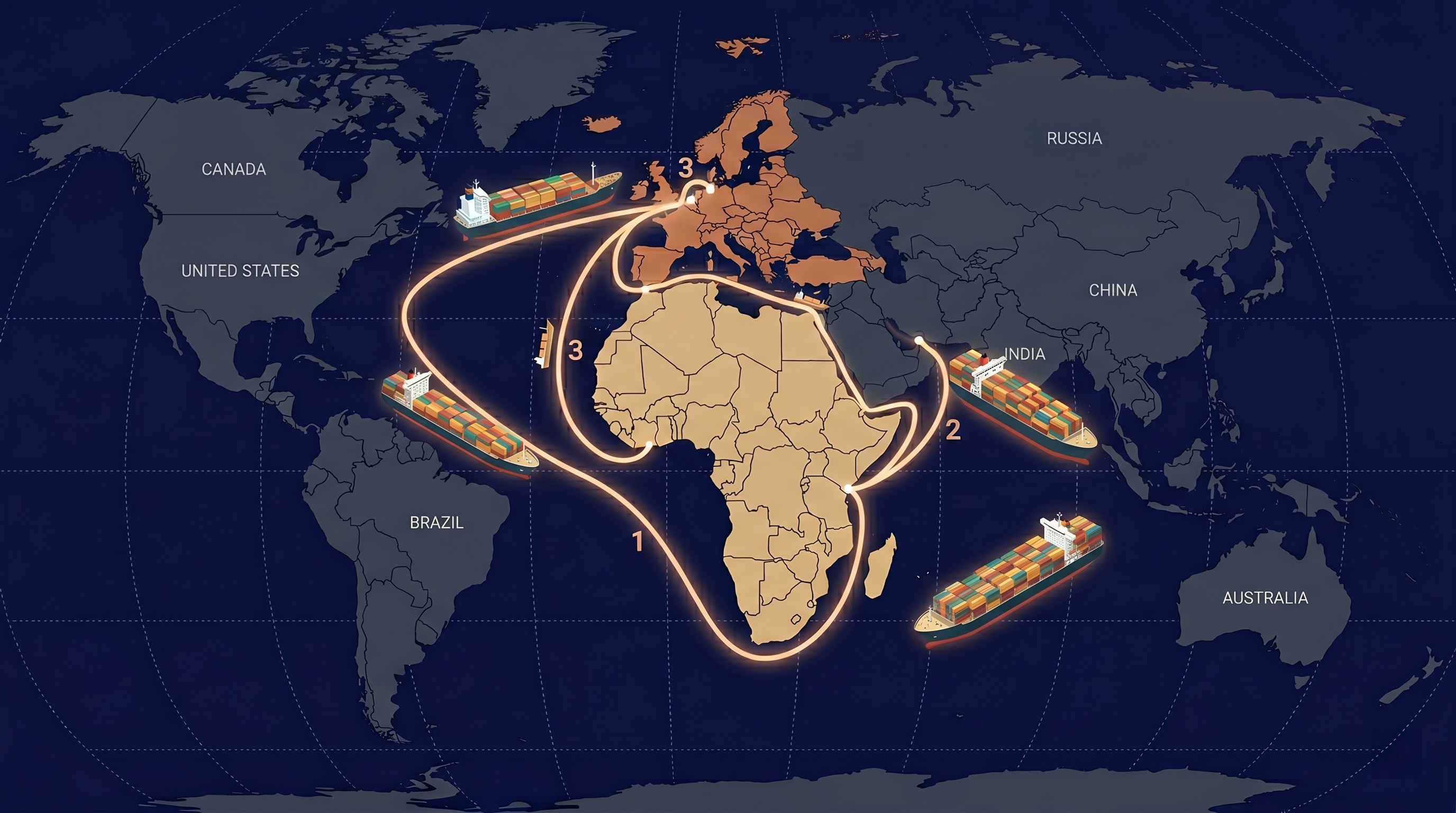
That horse meat travelled from Romanian abattoirs through a Dutch trader, a French processor, and a Luxembourg factory before reaching British and Swedish shelves labelled as beef. Nobody along that chain checked. Three men were later convicted in the UK, two of them jailed.
For readers in this region there is a more direct concern. A DNA study tested 105 samples of imported raw and processed meat products sold in the Arabian Gulf market. Horse DNA appeared in 7% of them. Pork DNA appeared in 26%.
The honest detail matters here. Most of those pork positive samples showed traces below 1%, which the researchers attributed to carryover from shared processing equipment. International standards treat 1% as the adulteration threshold. For many consumers that threshold is beside the point, since any level at all is unacceptable to them.
A separate study of processed meat products found that 7.58% of samples contained meat that was not permitted, spread across fermented sausages, frankfurters, hamburgers, hams, and cold cuts.
Notice that every number above came from processed meat. Whole cuts and joints have a face. Sausages, burgers, and ready meals are where mince from many animals gets combined, and mince is anonymous by design. Buy from a butcher who can tell you which animal and which farm.
The five rules that cover all Five
A few habits handle most of your risk.
Buy the whole version of anything you can. Whole beans, whole peppercorns, whole fish, saffron threads, blocks of cheese, whole cuts of meat. Almost every fraud in this article depends on the product being ground, blended, minced, or filleted before it reaches you.
Read the origin line. A named country beats a vague region, and a vague region beats no origin at all. Packaging that avoids the subject entirely is avoiding it on purpose.
Treat a low price as information. Real honey, real saffron, and real extra virgin olive oil each have a production cost floor. A product sitting well below that floor got there through a choice somebody made.
Look for a date that means something. Harvest date on oil. Roast date on coffee. Best before dates tell you about shelf life and nothing about authenticity.
Read the ingredients panel on the back. Front of pack claims are advertising, and the juice aisle proves some of them are not even legal.
This is roughly what ASAFI does at scale. Every lot we buy at origin gets sampled and tested against a written specification before it moves into Gulf and European markets. You are asking exactly the same question in the aisle, with fewer tools and less time.
Every fraud in this article survives on one thing, which is that almost nobody checks.
Which of these are sitting in your kitchen right now?