5 Agricultural Products European Buyers Most Start Sourcing From Africa Right Now, and Why
A direct comparison of five commodities where African origins consistently offer lower landed costs than Asian or South American alternatives for European importers — with real price benchmarks and shipping lead times.
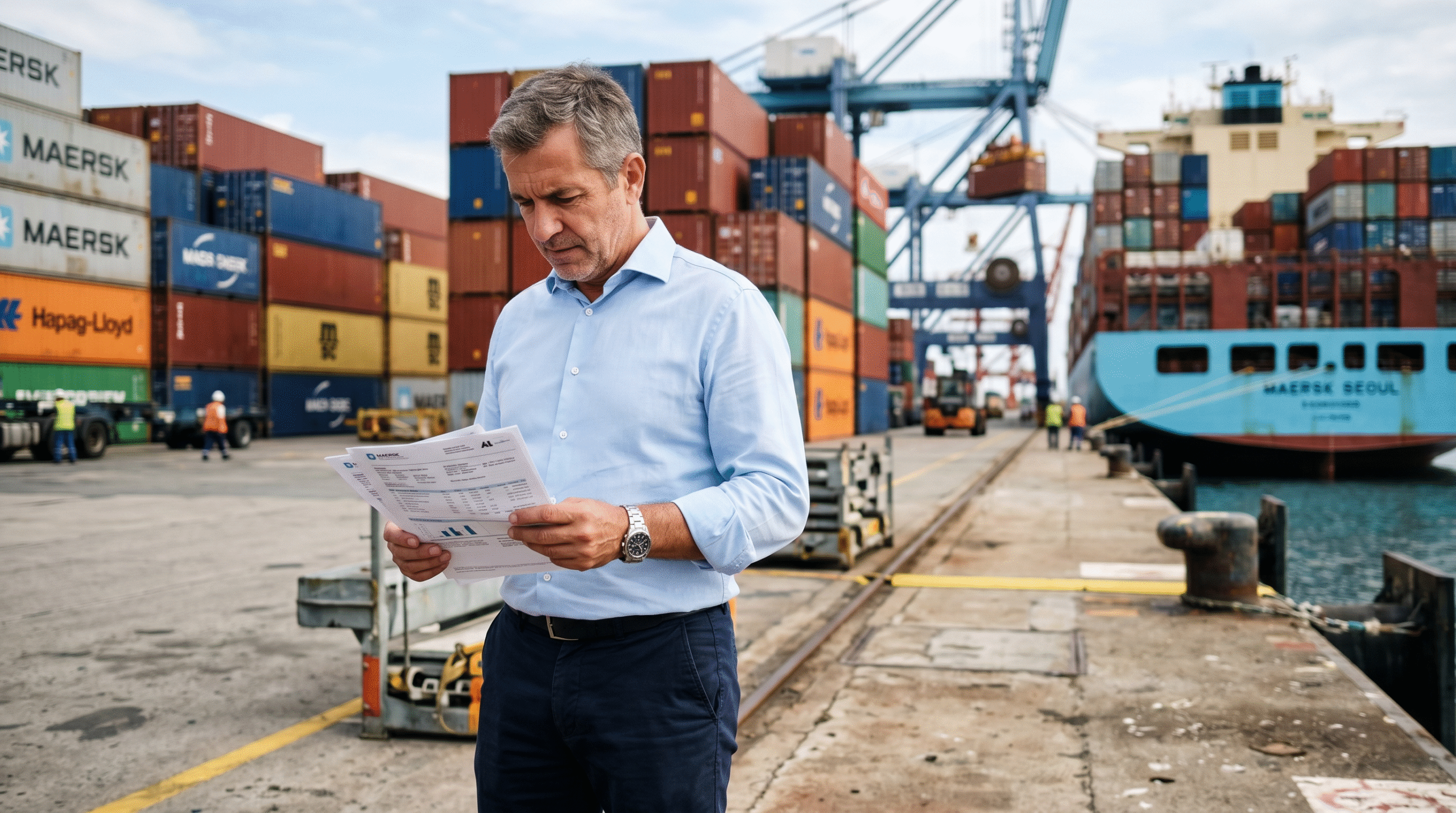
A procurement manager in Hamburg sits at her desk in early 2025, watching her Vietnamese cashew supplier quote $7.50 per kilogram for W320 kernels. The month before, the same grade from Côte d'Ivoire came in at $6.20. She does the math on a 15-ton container. The difference is not marginal — it is $19,500 per shipment. She changes her supplier.
African origins moved from being "alternative" sources to becoming the preferred option. The shift happened across five key agricultural categories. Here is what is actually driving it, commodity by commodity.
1. Cocoa Beans
The chocolate industry does not choose West Africa for ideological reasons. It chooses West Africa because the alternative does not exist at scale.
Côte d'Ivoire and Ghana together account for approximately 58–60% of global cocoa supply. After the price crisis of mid-2024, prices corrected sharply. By late 2025, cocoa was trading at around $4,000–5,500 per ton according to London futures data — still roughly double the pre-2023 average of $2,000–3,000.
For European buyers, the geography is almost non-negotiable. The Port of Amsterdam is the world's largest cocoa storage cluster. Antwerp-Bruges is the second. Both are engineered around West African supply chains. Shipping from Abidjan or Tema to Rotterdam runs 14–21 transit days in a standard container. By contrast, a Latin American origin such as Ecuador or Brazil runs 20–28 days with smaller volumes. Asian cocoa from Indonesia exists. However, European confectioners consistently pay premiums for Ghanaian and Ivorian beans because of their fermentation profile and fat content.
West Africa produces over 60% of the world's cocoa supply. The Netherlands, Germany, Belgium, and France consume the lion's share of global chocolate. The geography wrote the trade route, and no trader has found a commercially viable way around it.
2. Green Coffee
Vietnam is the world's second-largest coffee exporter by volume. In 2025, its full-year exports surged 17.5% to 1.58 million metric tonnes, according to Vietnam's National Statistics Office. That abundance drove Robusta prices lower and gave European blenders room to negotiate.
For buyers sourcing specialty-grade Arabica, however, the picture is entirely different.
Ethiopia achieved a record production of 11.56 million 60-kg bags in 2025/26 — a 9% year-on-year increase, per USDA FAS estimates. Uganda also overtook Ethiopia as Africa's top coffee exporter, shipping 7.17 million bags in the year to May 2025. Both countries are growing.
The average Ethiopian green coffee export price in 2024 stood at $5,370 per ton. Vietnamese Robusta, by contrast, hovered around $2,200–2,800 per ton for the same period. For European roasters, that gap is the point: you are not comparing the same product. Ethiopian Yirgacheffe, Ugandan Bugisu, Kenyan AA — these cannot be replicated by Brazilian Naturals or Vietnamese washed Robusta. The flavor compounds are chemically distinct.
Transit time from Djibouti or Mombasa to Hamburg or Amsterdam runs 20–25 days, which is comparable to Brazilian ports to Rotterdam at 18–22 days. So the freight disadvantage is minimal.
The EUDR Compliance Advantage
There is also a regulatory dimension worth noting. The EU Deforestation Regulation (EUDR) came into full force in late 2025. It requires complete traceability and deforestation-free documentation for all coffee entering the EU. East African coffee-growing regions are dominated by smallholder agroforestry systems. As a result, they are inherently well-positioned to meet this standard. Several Ethiopian exporters with GPS-mapped farm plots now hold a compliance advantage that Brazilian large-estate operations are still working to match.
3. Sesame Seeds
This story has a precise starting point: September 2020. The EU imposed emergency import controls on Indian sesame seeds. The reason was elevated levels of ethylene oxide — a pesticide not permitted in the EU — found in multiple shipments. Indian sesame was, in effect, locked out of the European market overnight.
African sesame from Ethiopia, Sudan, Tanzania, Nigeria, and Chad stepped into the gap. Five years later, the shift has hardened into a structural preference.
In the first half of 2025, Indian sesame exporters continued to lose EU market share. Chadian sesame, in particular, gained specific traction with EU buyers, per procurement data tracked by ProcurementResource. African farmgate prices ranged from approximately $700–900 per ton versus Indian wholesale benchmarks of around $1,100 per ton. Even after freight costs, the landed cost gap remained meaningful.
Transit from Tanzania or Ethiopia to European ports via the Suez route runs approximately 18–22 days under normal conditions. India to Rotterdam, by contrast, runs 22–28 days. Both origins faced Red Sea disruptions in 2024–2025, so neither held a clear transit advantage during that period.
Furthermore, EU buyers enforce tightened pesticide residue standards that Indian and Pakistani competitors have struggled to meet consistently. African producers — particularly in Ethiopia and Tanzania — are progressively meeting these requirements. IBM Food Trust blockchain pilots are tracking farm-level GPS data and pesticide test results in both countries, directly supporting EU compliance documentation.
4. Raw Cashew Nuts
West Africa produced approximately 51% of global raw cashew supply in 2024/25 — 2.71 million tonnes, according to the International Nut and Dried Fruit Council. Vietnam, despite dominating processed cashew exports, produces only 6% of global raw cashew supply. It imports most of its raw material from Africa, processes it, and re-exports it.
This triangular trade — African raw nuts to Vietnamese processors to European consumers — is starting to break down in Africa's favor.
Côte d'Ivoire's direct exports of processed cashew kernels to Germany grew at an average annual rate of 144% between 2020 and 2024, according to CBI market data. Specifically, it shipped 10,663 tonnes directly to Germany in 2024 — up from just 302 tonnes in 2020. Nigeria is not far behind, growing at 52% annually to German importers over the same period.
On pricing: Vietnamese W320 cashew kernels traded at approximately $7.20–7.50 per kilogram in Q4 2025. African raw cashew CNF (cost and freight) was running at $1,600–1,700 per ton by October 2025. The farm gate in Côte d'Ivoire sat at approximately $800–1,000 per ton. For European importers buying direct from West African processors, the cost advantage is significant.
Direct Shipping Times Add to the Advantage
Transit from Abidjan to Rotterdam runs approximately 14–18 days. That is faster than Ho Chi Minh City at 22–28 days. The EU-Vietnam Free Trade Agreement does reduce Vietnamese tariffs. However, African countries under the ACP/EU framework also enjoy broad duty-free access, so the tariff argument is not one-sided.
New investment in shelling and sorting capacity across Côte d'Ivoire, Ghana, and Nigeria is producing export-grade kernels that meet European food safety standards. This is not a trend — it is a structural reorientation of the cashew value chain.
5. Avocados
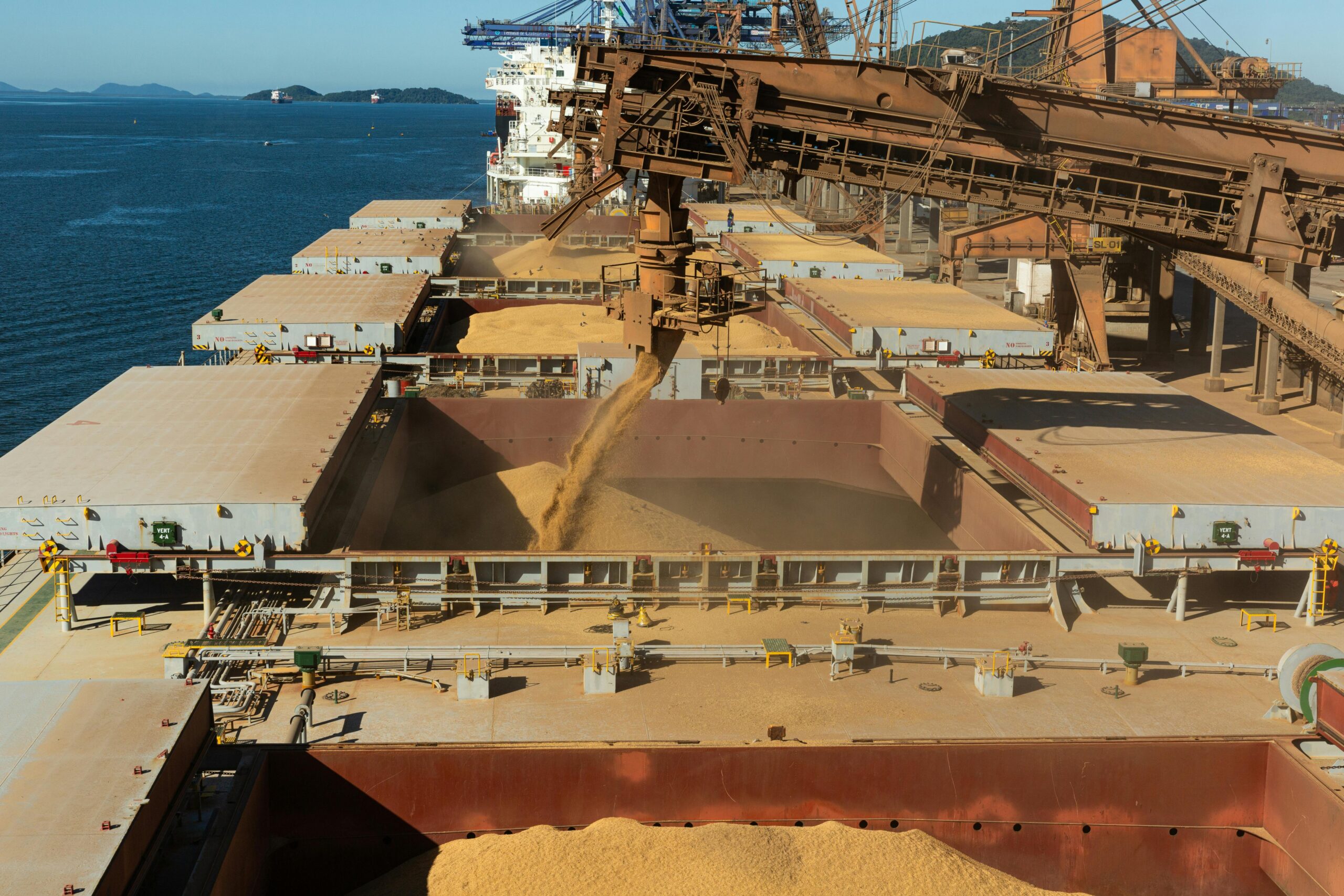
European avocado demand runs year-round. Supply does not. The February-to-May window — before Peru's summer harvest floods European docks — is increasingly owned by Kenya.
Kenya's production cost advantage is quantifiable. Agricultural labor in Kenya costs approximately $3–4 per day, versus $8–10 per day in Peru and Chile, according to Kanga Fruit Exporters. EU import tariffs on Kenyan avocados stand at 3%, compared to 5% from Mexico. Shipping a 20-foot container from Mombasa to Rotterdam costs around $2,000 — broadly in line with the $1,800–2,100 range from Latin American origins.
The seasonal window is the real competitive moat. Kenya begins exporting from late February. Peru's main season runs April through September. When Kenya is at peak volume, Peru is not yet at full capacity. That is precisely the window when European wholesale prices are higher and buyers are competing for supply.
Morocco is also worth noting. With shipping times of just 3–5 days from Moroccan ports to Rotterdam, Morocco has become a genuine winter-supply option. In 2025, Moroccan avocado exports nearly doubled year-on-year. They reached approximately 141,000 tonnes globally, establishing Morocco as a critical November-to-February supplier for European retailers.
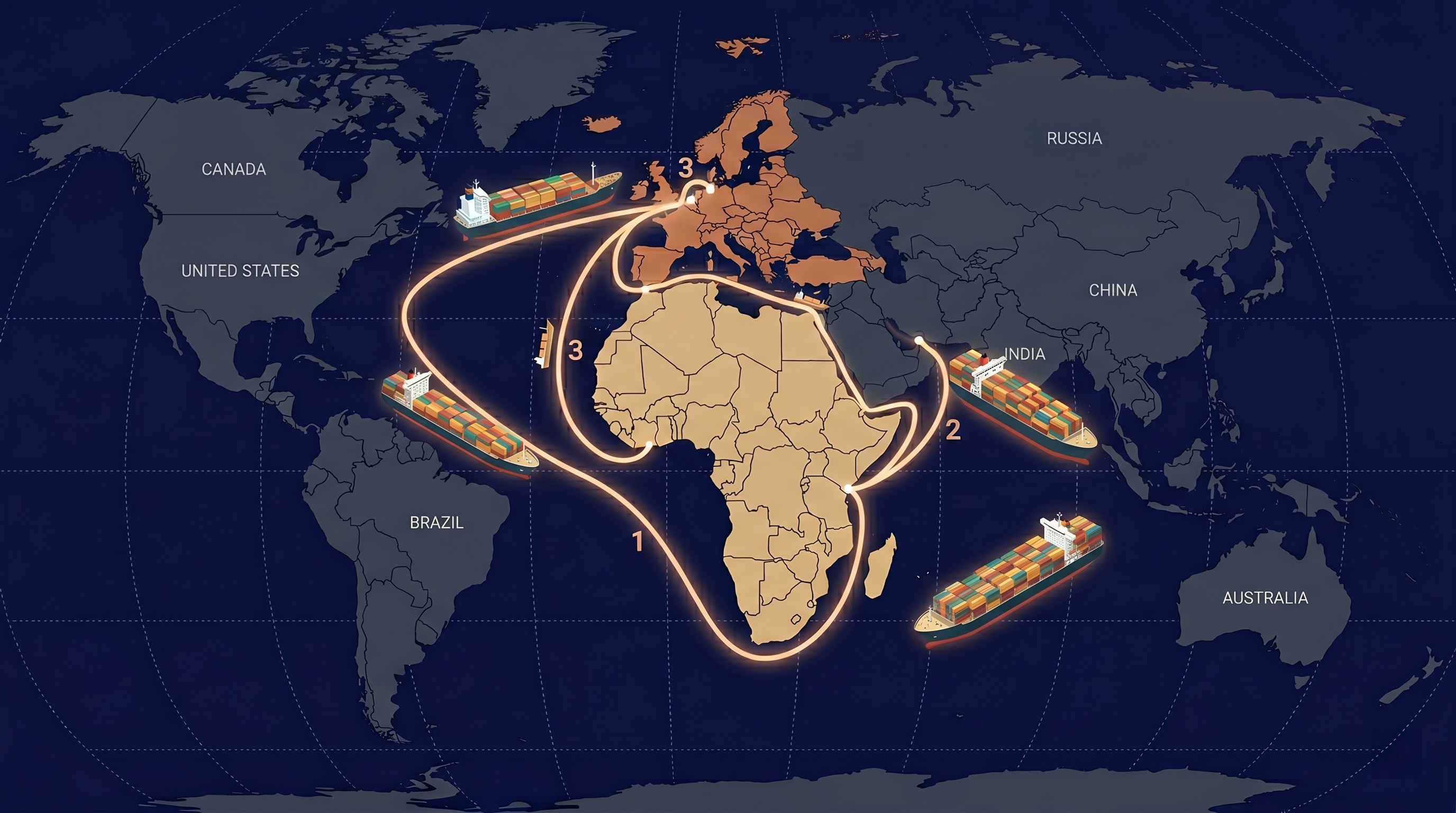
There is a real caveat. The Red Sea shipping crisis extended East African transit times by 20–25 days through 2025 as routes diverted around the Cape of Good Hope. South African avocado exports fell 6% that year, partly as a result. Some Kenyan exporters shifted focus toward Middle Eastern and Asian markets in the near term. Nevertheless, Kenya's underlying cost structure and seasonal positioning mean its role in European supply will grow as logistics normalise.
What These Five Have in Common
Look across these commodities and the same pattern emerges. Africa is price-competitive on raw material cost, geographically close to Europe, increasingly compliant with EU regulations, and — in many cases — the only viable origin at scale.
Finding origins where quality, compliance, cost, and logistics all converge is genuinely difficult work. It requires local relationships, supply chain investment, and long-term thinking. That is precisely why ASAFI, which operates directly with suppliers across African agricultural regions, has been building these corridors for years — not because it is fashionable, but because the numbers have always justified it.
The European buyers who shifted their sourcing to African origins in 2025 were not making a values-driven statement. They were doing their job.
If you are a European importer looking to open or expand an African sourcing corridor, reach out to us directly at info@asafi.com or visit asafi.com to start the conversation.