If All the World’s Food Waste Reached the Poor, Would World Famine End?
Picture two numbers side by side. In 2022, the world wasted 1.05 billion tonnes of food. In 2025, 645 million people faced hunger. Both figures come from separate United Nations reports tracking separate parts of the same food system. Once you set them next to each other, a question follows on its own. If the food thrown out every year reached the people who need it most, would hunger actually end?
That question splits into two smaller ones, and you need both answered to trust either. First, a matter of quantity. Does a year of wasted food even hold enough calories to cover what 645 million hungry people need? Second, a matter of delivery. Even if the quantity works, does that food sit anywhere close to the people who need it, or does the reason it never reaches them point to something harder to fix than a shipping route?
How Much Food Actually Gets Wasted
Start with the number you have probably already seen somewhere. The most recent global count comes from the UNEP and WRAP Food Waste Index Report, published in March 2024 using data collected in 2022. It found that the world wasted 1.05 billion tonnes of food that year, across households, restaurants, and retail combined. That equals 19% of all food available to consumers, or 132 kilograms per person.
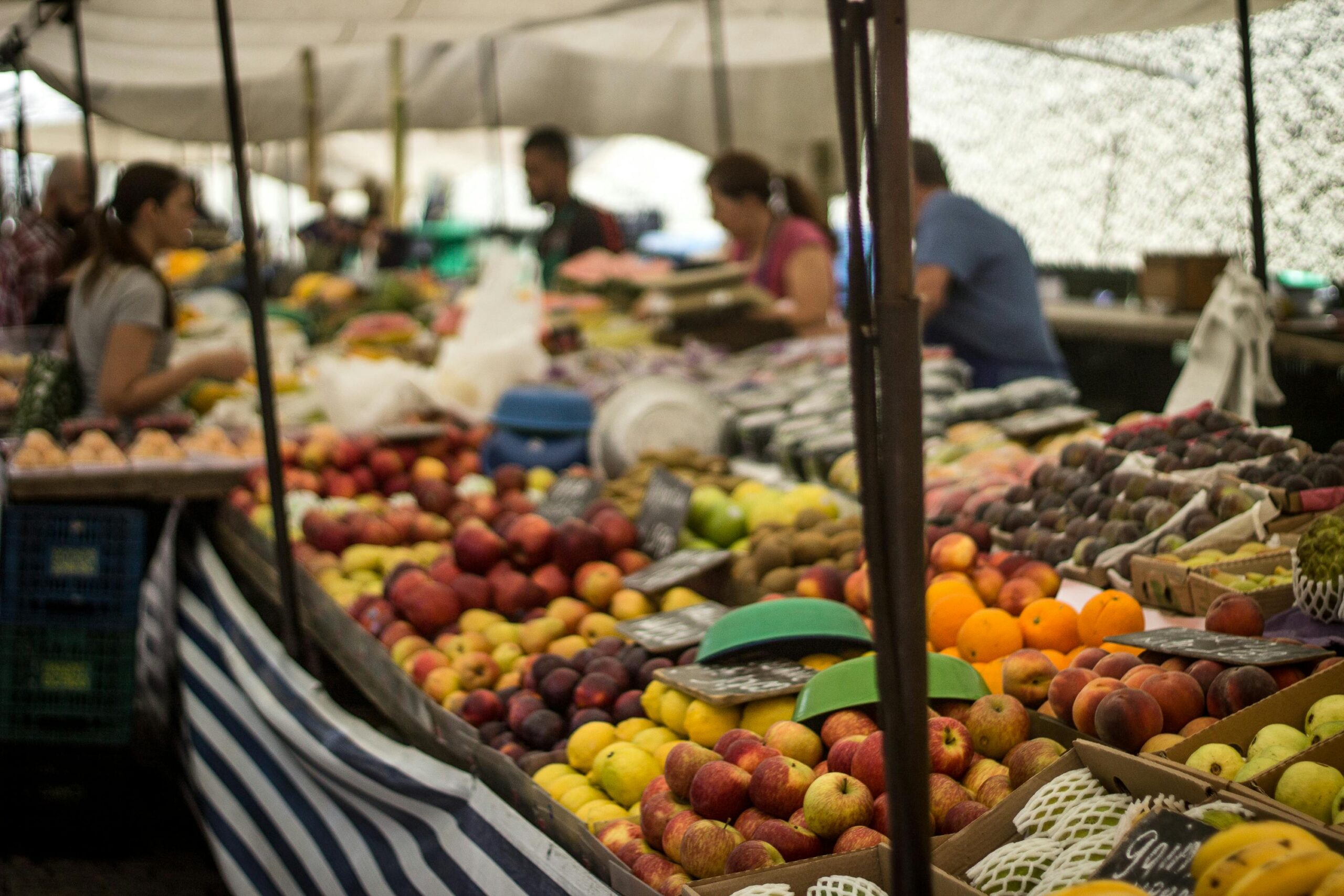
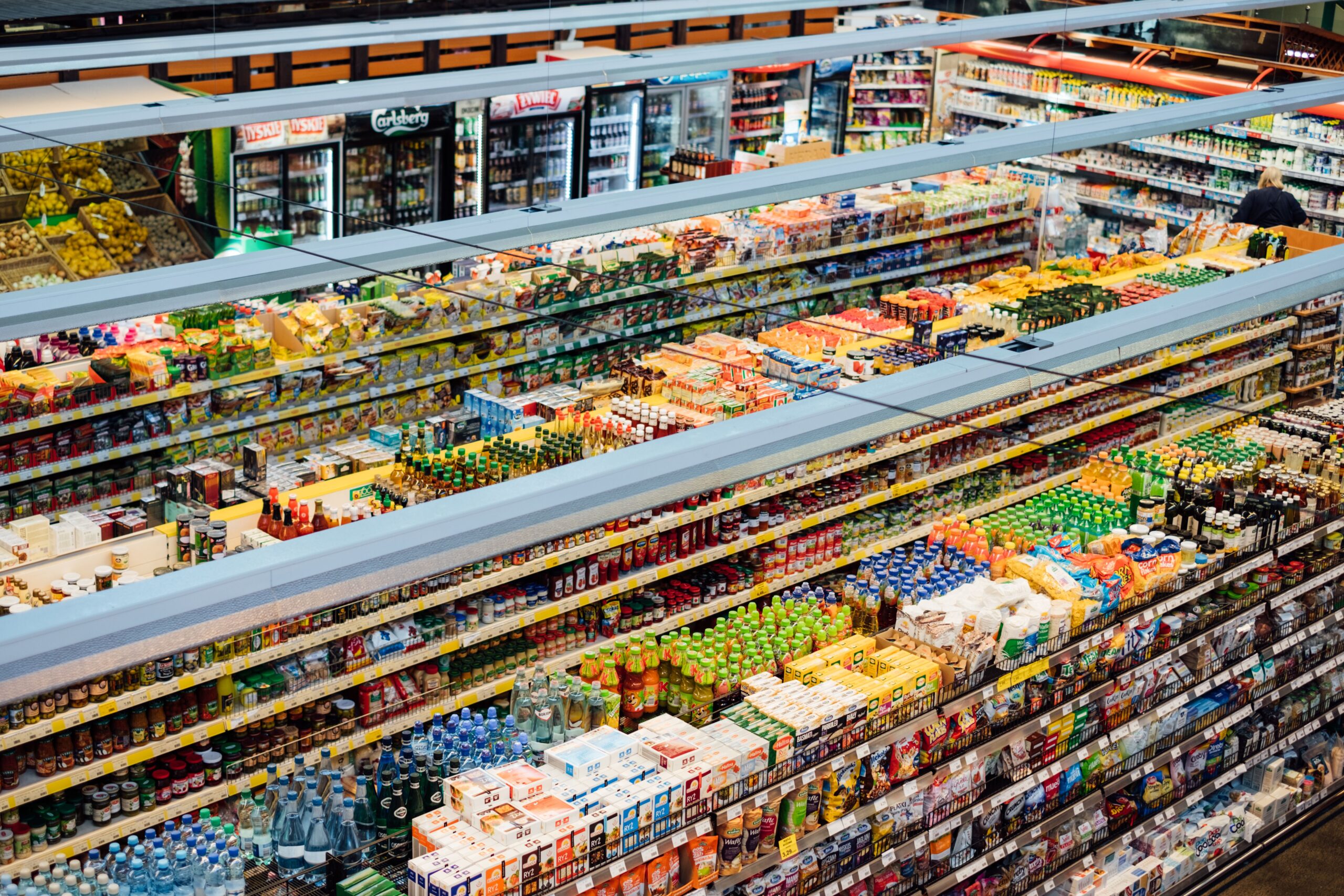
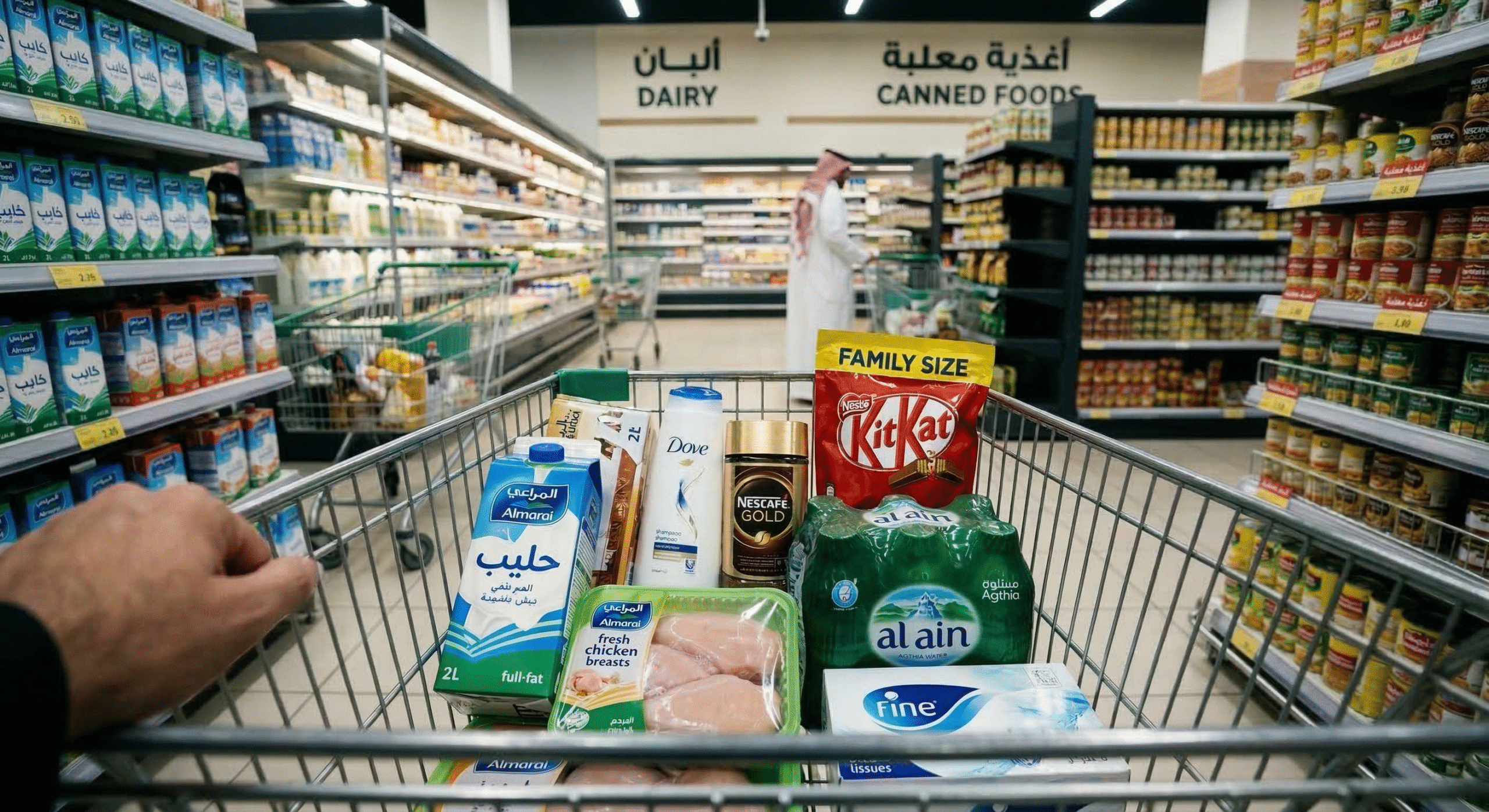
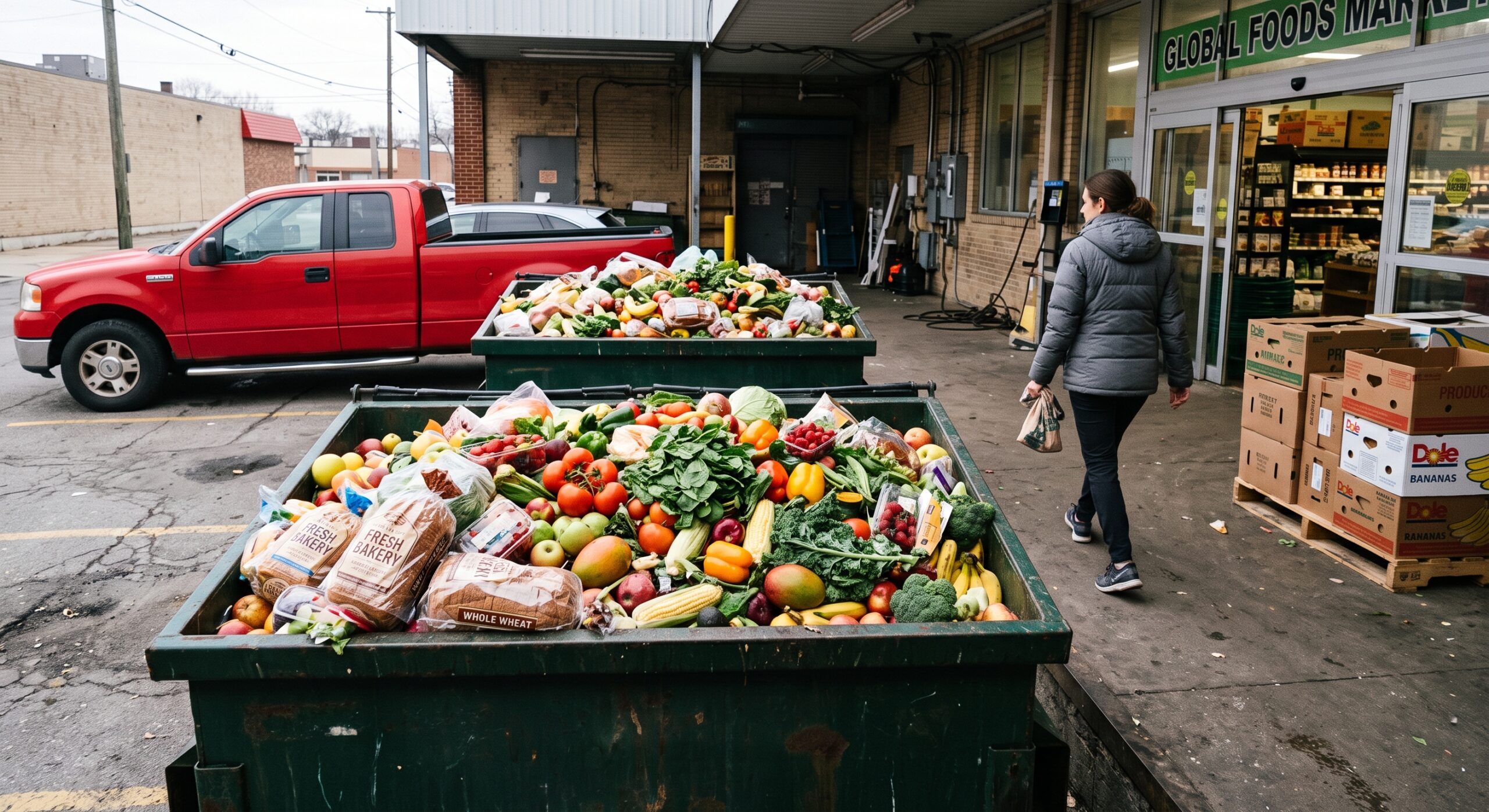
Households caused the largest share of it, 631 million tonnes, or 60% of the total. Food service accounted for another 290 million tonnes. Retail made up the remaining 131 million tonnes. Put in terms you can actually picture, households alone threw out more than a billion meals a day, and UNEP describes that as a conservative estimate. The economic toll runs past $1 trillion a year, and the greenhouse gases produced by wasted food add up to 8% to 10% of global emissions, a share close to five times the aviation industry's entire output.
What Gets Lost Before It's Even Wasted
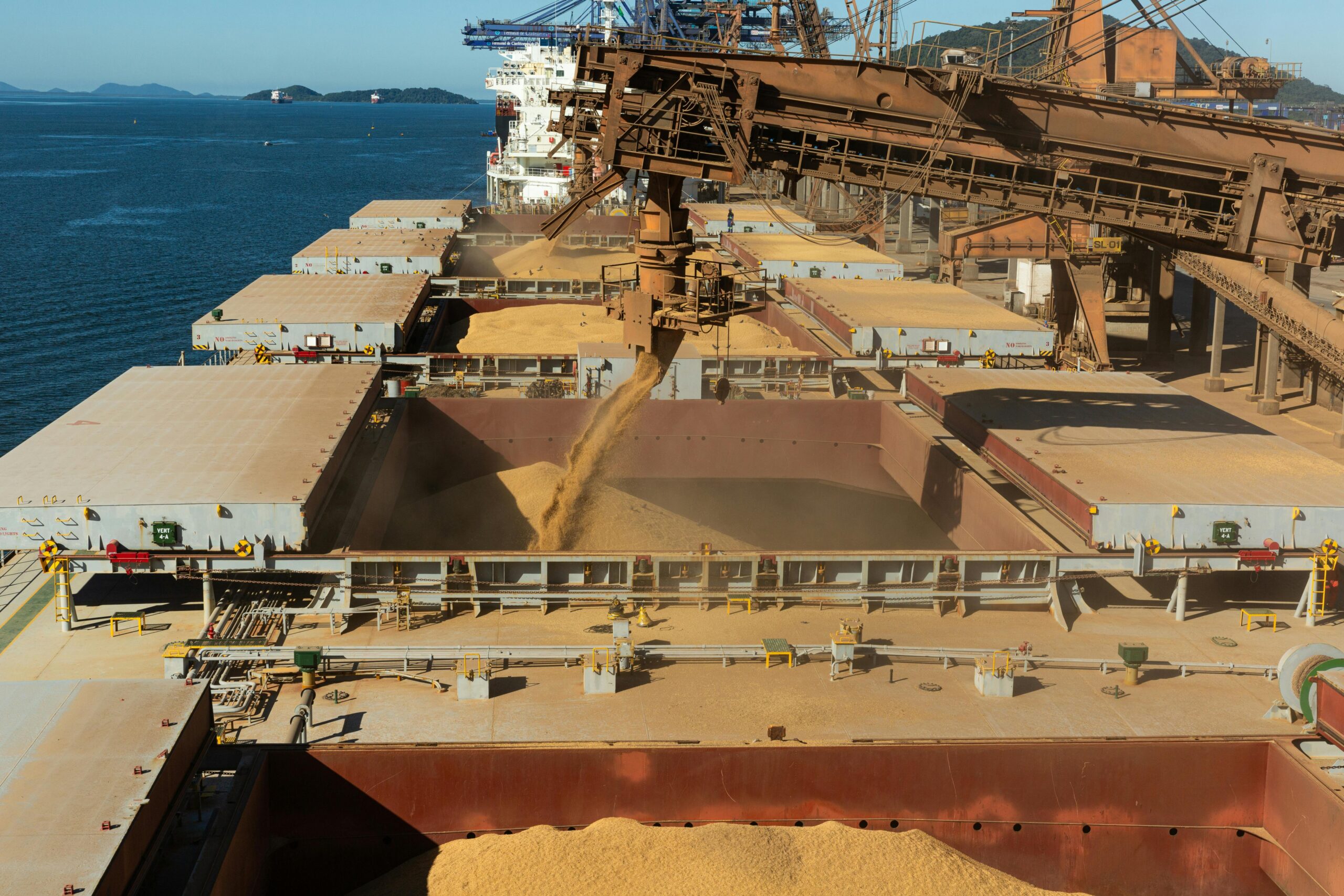
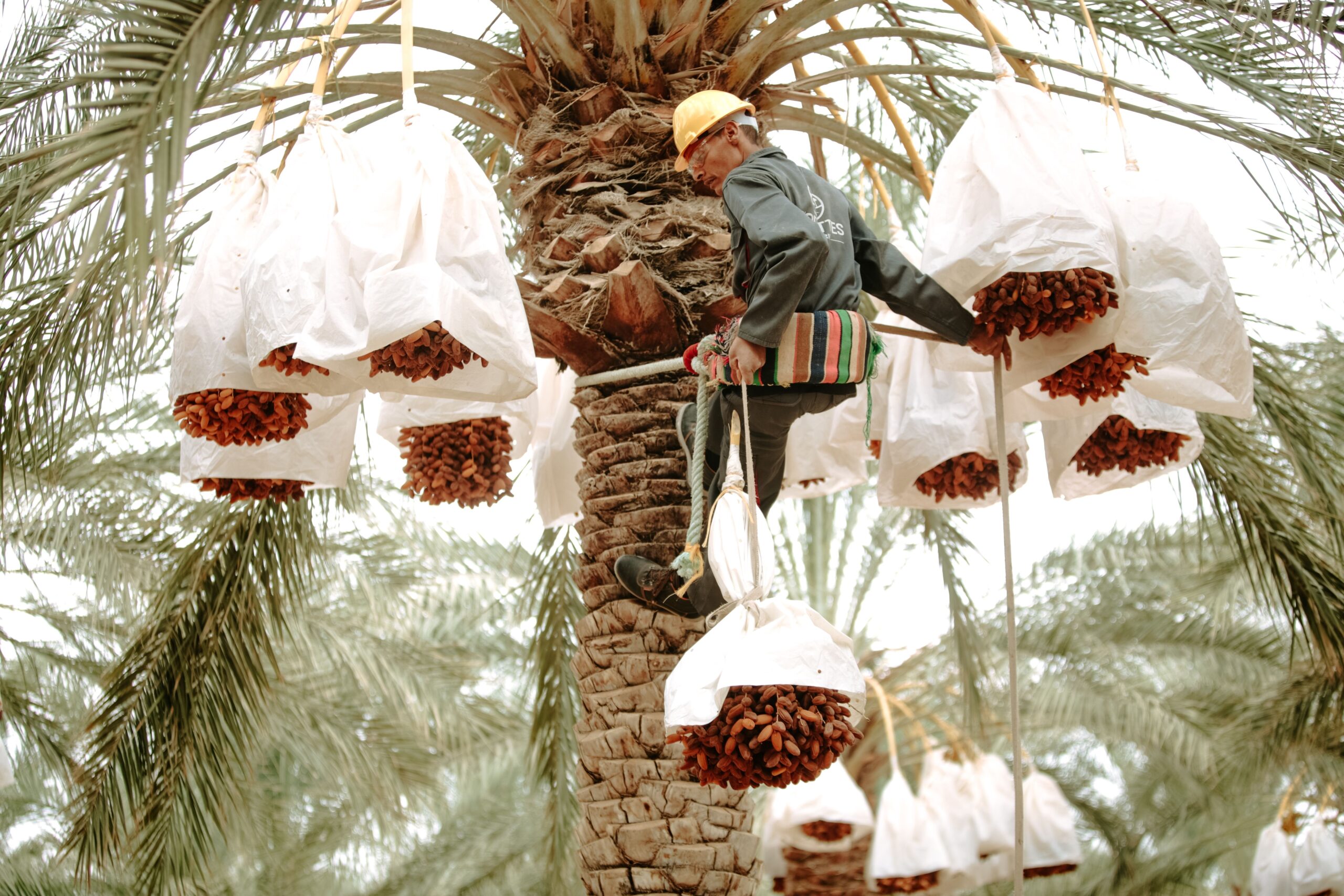
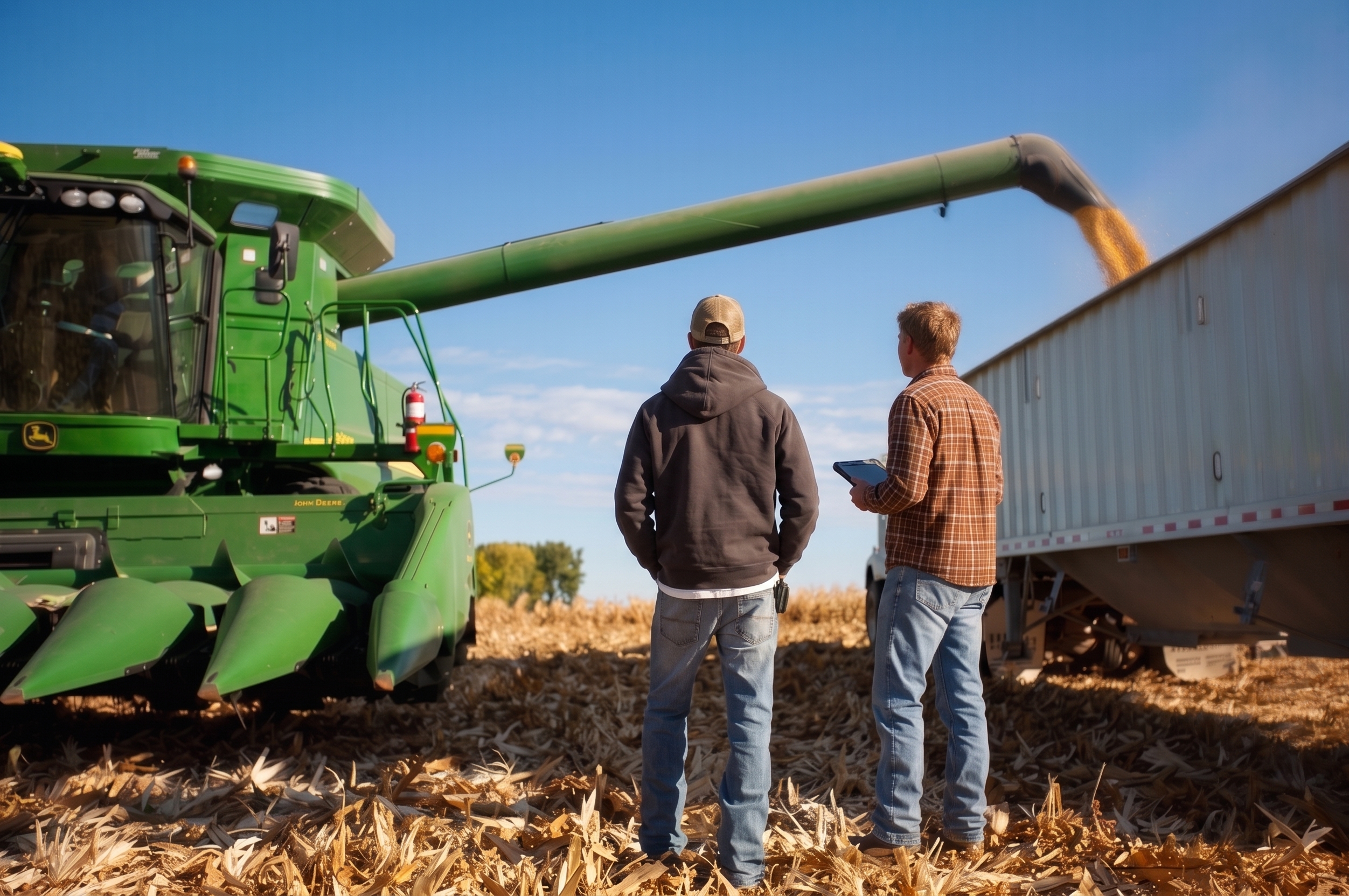
The figure above only counts what happens after food leaves the farm. The FAO separately estimates that another 13% of the world's food supply is lost earlier, on the farm and in transport, before it ever reaches a shelf. This is roughly the stretch of the chain where a trading company like ASAFI sits, moving grain and other commodities from origin farms toward Gulf and European buyers.
Add the two together and you land close to a claim you have likely heard before, that a third of the world's food goes to waste. That specific figure comes from an older FAO study published in 2011, built on a different method than the 2022 count above. The scale of the problem holds steady across both reports. The exact tonnage does not transfer cleanly from one to the other, so treat them as two related findings rather than one running total.
How Many People Are Actually Hungry
On the hunger side, the newest count comes from The State of Food Security and Nutrition in the World 2026, a joint report from FAO, IFAD, UNICEF, WFP, and WHO released in July 2026. It found that 645 million people faced hunger in 2025, or 7.8% of the world's population, down from 673 million in 2024 and from 8.6% in 2022. That marks the third straight year the number has fallen.
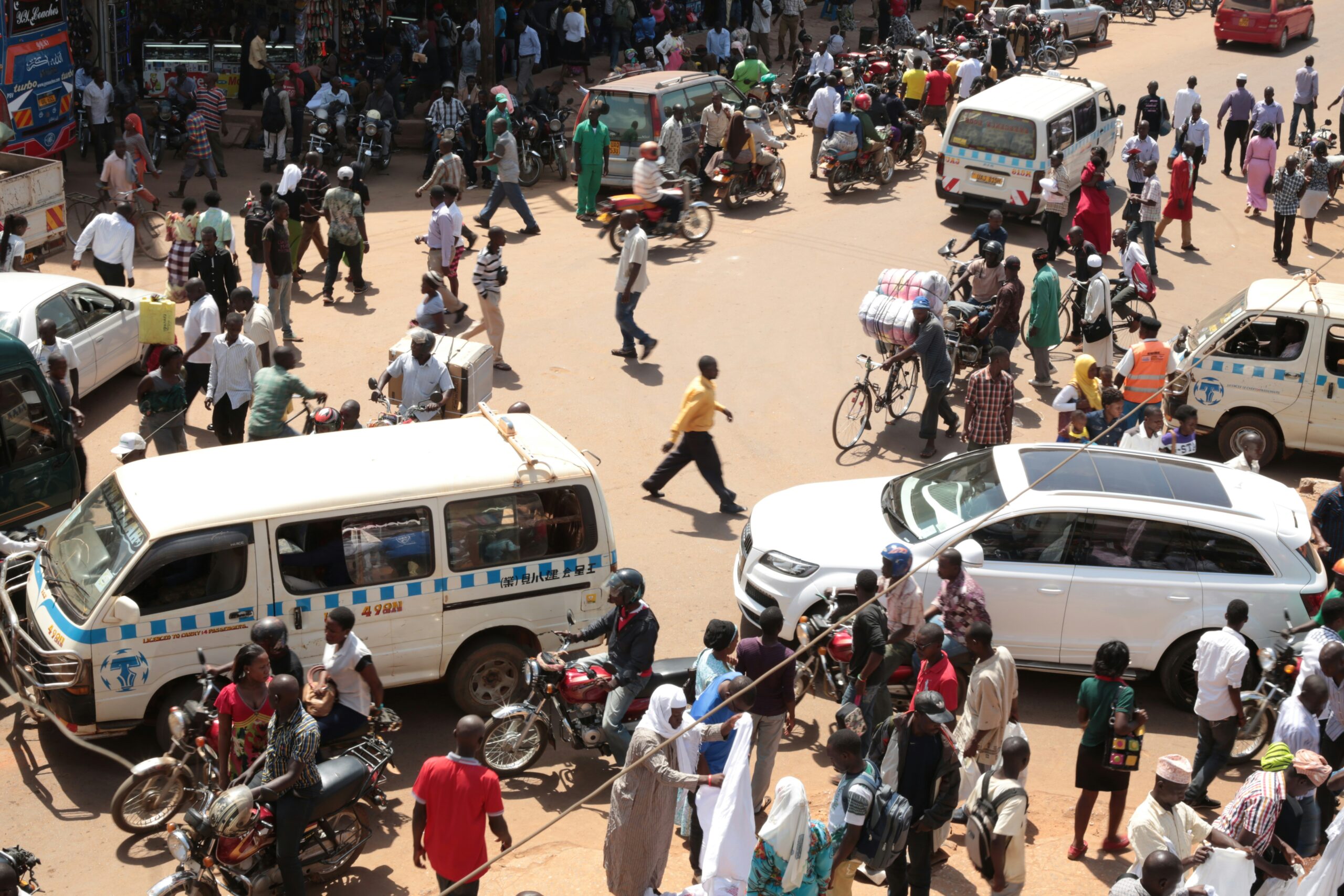
The regional split looks different than it used to. Africa now holds the highest number of hungry people of any region, around 309 million, narrowly ahead of Asia's 292 million, even as Africa's own hunger rate edged down slightly, from 20.3% to 20% of its population.
A wider circle of 2.1 billion people, or 25.8% of the world, faced moderate or severe food insecurity in 2025. That group includes people who cut back on the quality or amount of food they ate without necessarily going hungry outright. More than half of Africa's population falls into that category. In Asia, the share sits closer to a fifth.
A related but separate figure describes affordability rather than access. A healthy diet cost an average of $4.28 a day in 2025, measured in purchasing power terms, up from $2.94 in 2017. An estimated 2.69 billion people, close to a third of the planet, could not afford one. In Africa, that share climbs to two thirds of the population.
It is worth being precise about a word here. Hunger, as these reports measure it, is a different and much broader category than famine. Famine is a formal classification, confirmed only when specific thresholds for starvation, acute malnutrition, and mortality are all met at once, and it has been declared only a handful of times since international monitoring began, most notably in Somalia in 2011 and in South Sudan in 2017 and 2020. Most of the hunger tracked in these reports sits well below that threshold. It is chronic rather than catastrophic, though no less real for the people living through it.
Does the Math Actually Work Out
Return to where this started. Several independent studies over the years, including work by the FAO and a 2021 analysis by WWF-UK, have compared the calories lost and wasted worldwide against the calories needed to feed everyone currently undernourished. Both land on the same rough conclusion. The wasted food alone would cover more than double that number. This finding repeats across separate studies and separate years rather than coming from one fresh calculation against 2025 figures specifically, so you should read it as a consistent pattern rather than a precise current number.
The World Food Programme has stated the underlying point directly, and for years. Enough food already exists to feed everyone on the planet. On a pure calorie basis, the answer to the quantity question looks like yes. The wasted food would be more than enough.
Why It Does Not Reach Them
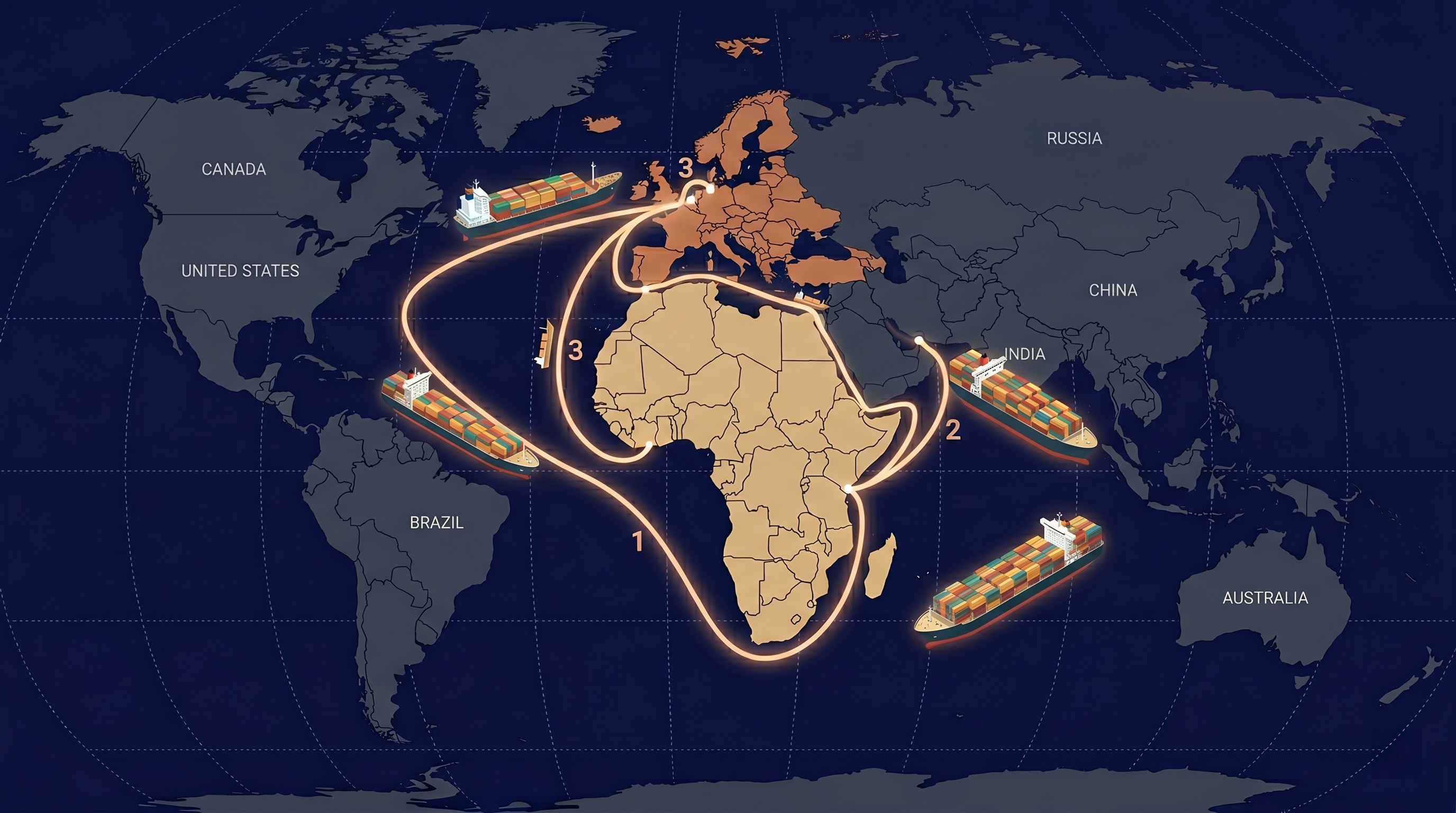
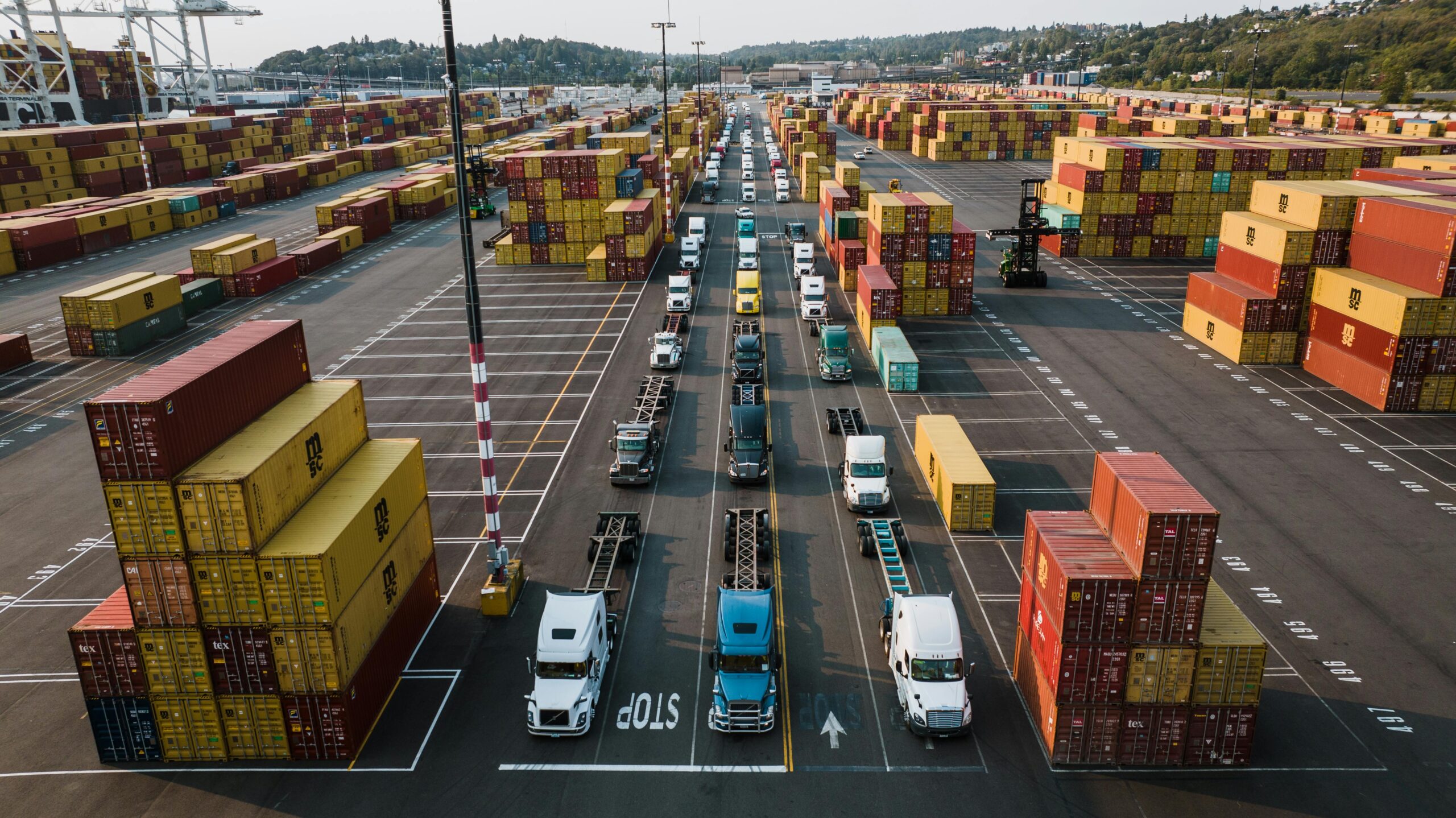
The delivery question tells a harder story. Food waste concentrates in the countries where hunger is least severe. The consumption stage, where most of the 1.05 billion tonnes occurs, sits mainly in higher and middle income households, while hunger concentrates in Africa and in countries affected by conflict. Moving surplus food between the two requires storage and transport. It also requires money that frequently does not exist where it is needed most.
There is a structural mismatch too, in what food waste actually is. Most of it does not sit anywhere as a stockpile. It is a bruised vegetable pulled from a supermarket shelf, or a half plate left at a restaurant table. None of that travels the way a grain reserve does.
SOFI 2026 points to the forces working against progress. It projects that 510 to 520 million people could still face hunger in 2030, compared with a pre conflict estimate of 503 million, citing the effect of the Middle East conflict on energy and fertiliser prices as a driver of food inflation. Weather extremes expected in 2026 and 2027 are not even counted in that projection yet.
Where the Fix Actually Sits
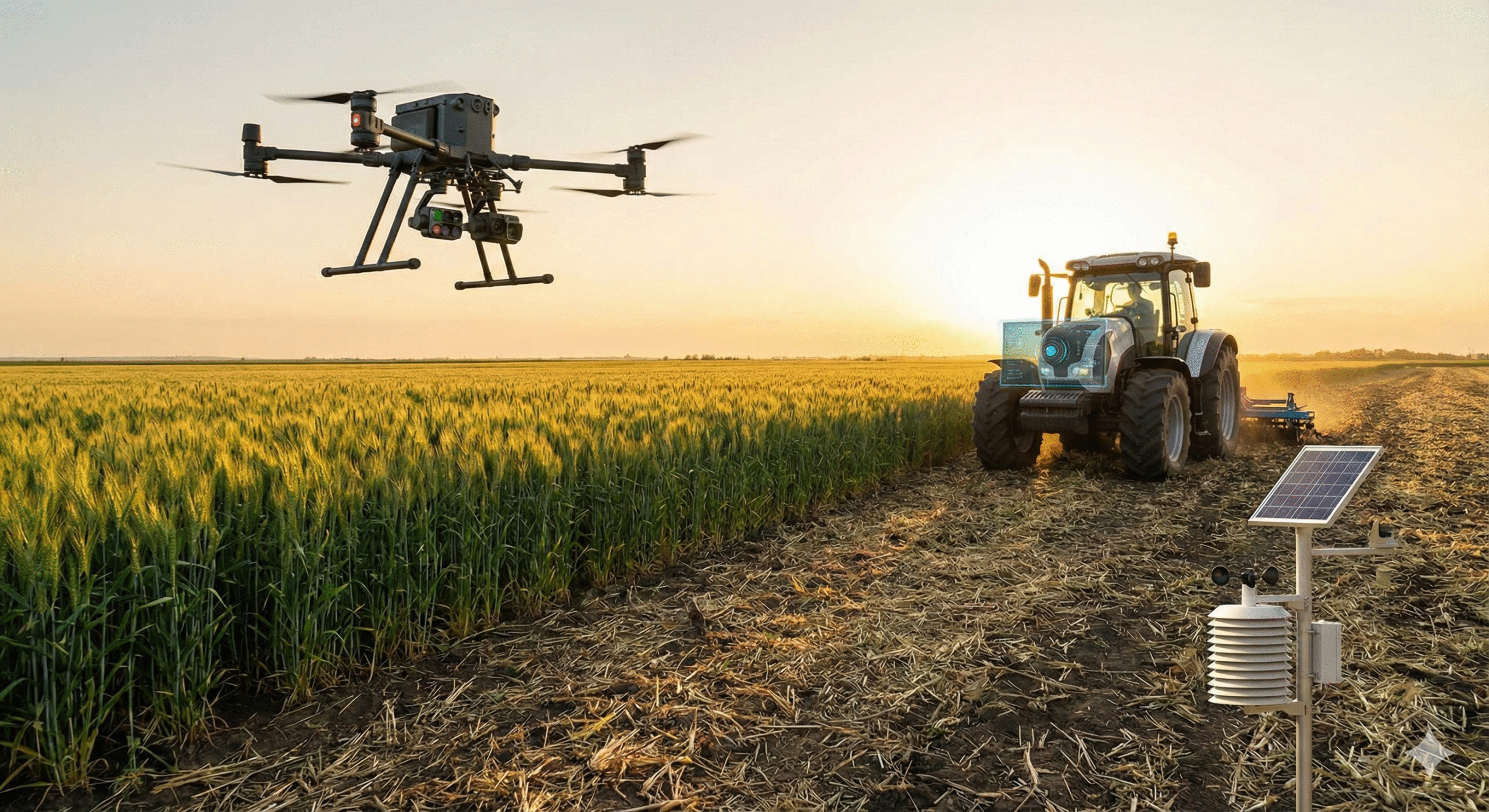
SOFI 2026 also points at where in the chain the real leverage sits. Processing, logistics, and wholesale activity, everything that happens after a crop leaves the farm and before it reaches a shopper, accounts for 70% to 75% of what consumers actually pay for food. That stretch of the chain is roughly where the FAO's 13% pre retail loss figure occurs as well.
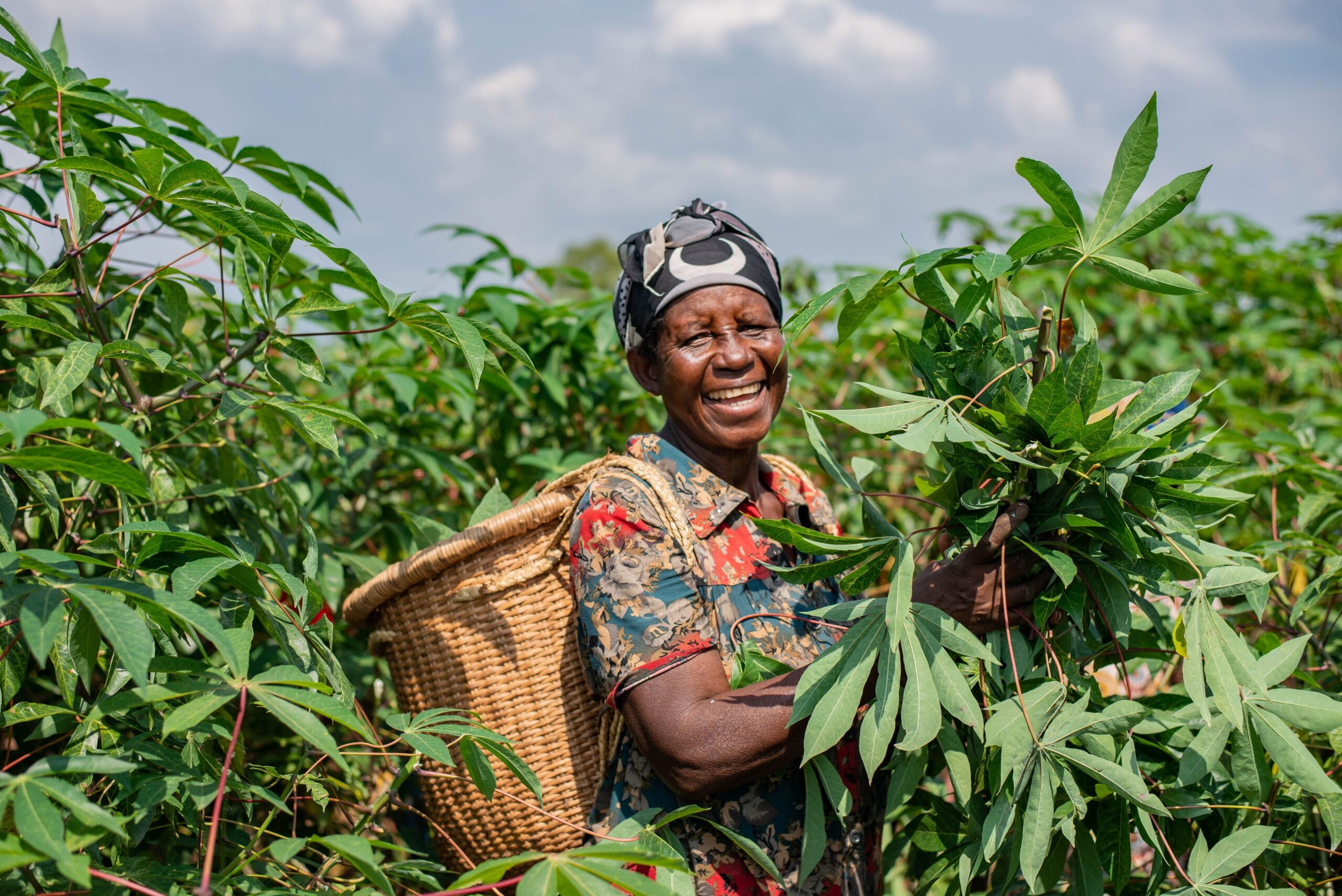
At ASAFI, sourcing directly from farms across grain, pulses, and other commodities means spending most working days inside exactly that stretch, the part between a harvest and a buyer where loss quietly builds up before it ever becomes a headline statistic. Tightening that stretch will not end hunger on its own, but it does more for the calorie math than a household composting its leftovers ever could.
So, Would It End Famine?
Go back to where this started. On a pure calorie basis, redirecting the world's food waste would cover the current hunger count several times over, a finding that holds up across more than one independent study. On delivery, the picture is weaker. The geography does not line up, the waste itself is too scattered to move like a stockpile, and the conditions keeping it from reaching people are largely the same conditions driving hunger in the first place. Conflict pushes prices up. Weak infrastructure keeps food from moving even when it physically exists.
Cutting food waste is worth doing regardless of the answer. It saves money and it cuts emissions. Every tonne of it recovered is also a tonne that does not need to be grown or shipped again from scratch. It would not, on its own, end world famine. The distance between a wasted meal and a hungry household was never really about tonnage.