Could Your Country Feed Itself (Ranking Countries by Local Food Production)
Ask someone if their country could feed itself and most people won't have an answer, because it's not a question that comes up until a harvest fails somewhere or a shipping lane gets blocked. To be honest, the interesting part isn't the yes or no. It's what you'd actually be eating if the imports stopped tomorrow.
A study out of Göttingen and Edinburgh universities checked 186 countries against 7 basic food groups, using FAO production data from 2020: fruit, vegetables, legumes, starchy staples, meat, fish and dairy. Only 1 country, Guyana, grows enough of all 7 to cover its own population without a single import. China and Vietnam come close, missing only dairy. Everyone else has at least 1 gap, and for a lot of countries, that gap covers most of what ends up on the plate.
Countries Ranked by Population, Plus The GCC Countries
| Country | Can it feed itself | Why |
|---|---|---|
| India | Yes, on grain | World's top rice exporter, but leans on imports for cooking oil |
| China | Mostly | Hits 6 of 7 food groups, only real gap is dairy |
| United States | Partial | Hits 4 of 7, strong on meat and grain, short on fruit, veg and fish |
| Indonesia | Partial | Hits 4 of 7, short on meat, dairy and vegetables |
| Pakistan | Right on the edge | Normally close to self-sufficient in wheat, imported a million tons after a weak 2026 harvest |
| Nigeria | No, on wheat | Grows about 120,000 tons of wheat a year, imports close to 7 million |
| Brazil | Yes | Hits 5 of 7, one of the world's biggest food exporters |
| Bangladesh | Split | Self-sufficient in rice, its real staple, imports almost all its wheat |
| Russia | Yes | Hits 5 of 7, world's top wheat exporter |
| Ethiopia | Disputed | Government says wheat self-sufficient since 2021, USDA data says otherwise |
| Mexico | Split | Self-sufficient in white corn for tortillas, not in feed corn or wheat |
| Japan | No | Calorie self-sufficiency sits at 37%, wheat at 16% |
| Egypt | No | World's largest wheat importer, grows about half of what it eats |
| Philippines | Mostly | Hits 5 of 7, short on vegetables and dairy |
| DR Congo | No, but not a farming problem | Conflict, not land, drives the hunger crisis |
| Vietnam | Yes | Hits 6 of 7, only gap is dairy |
| Iran | Partial | Hits 4 of 7 |
| Turkey | Mostly | Hits 5 of 7 |
| Germany | Mostly | Around 83% overall, surplus in grain and meat, short on fruit and veg |
| Tanzania | Yes | Government reports 130% food self-sufficiency for 2024/25 |
| Saudi Arabia | No | Imports 74% of its food |
| UAE | No, close to zero | Imports 89%, fails all 7 food groups |
| Qatar | No, close to zero | Imports 81%, also fails all 7 |
| Kuwait | No | Imports 82% |
| Bahrain | No | Imports 87%, highest in the Gulf |
| Oman | Best of the Gulf, still no | Imports 72%, hits 5 of 7 groups |
A few of these are worth slowing down on.
The Gulf Is Way Too Far
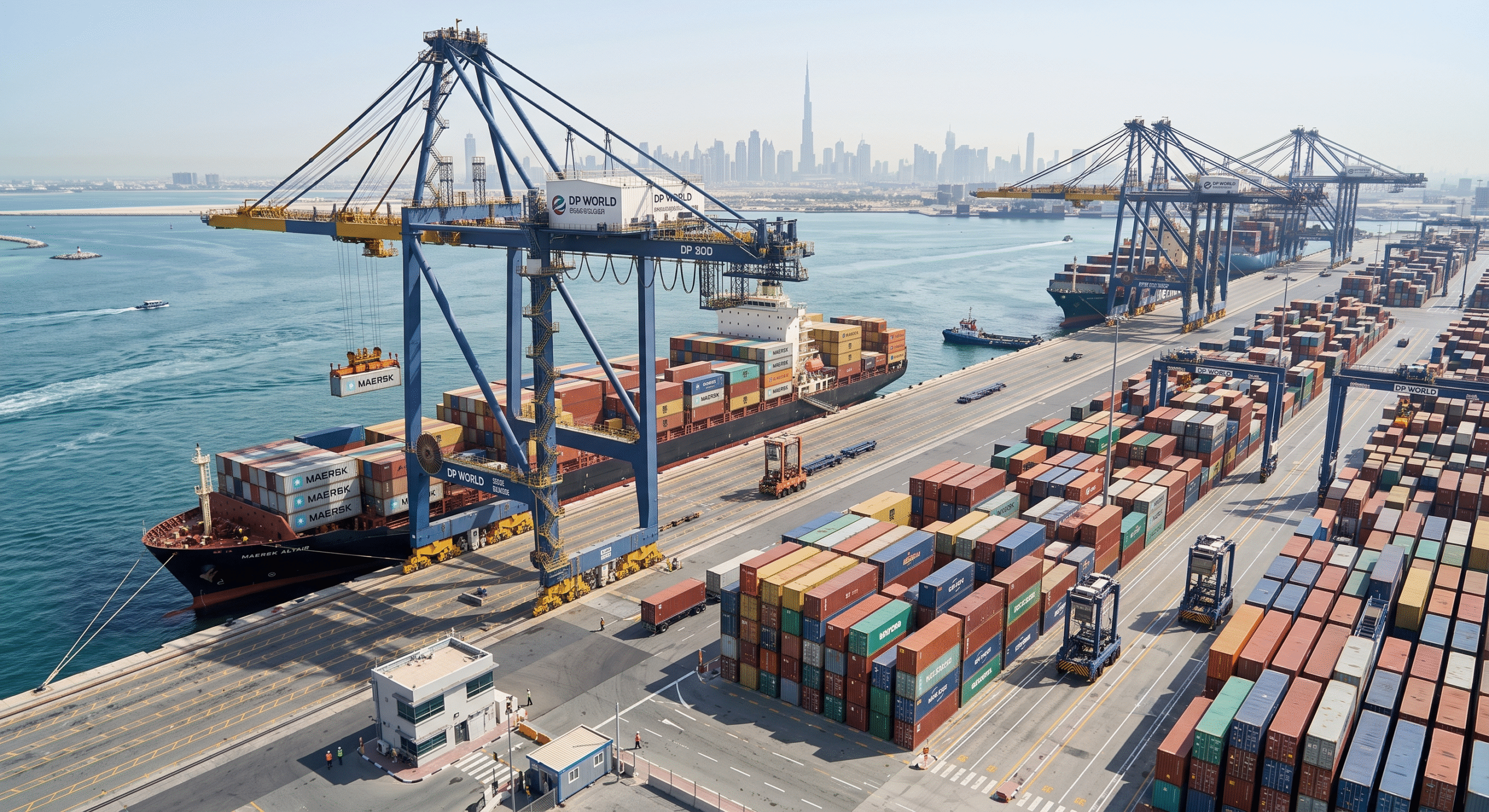
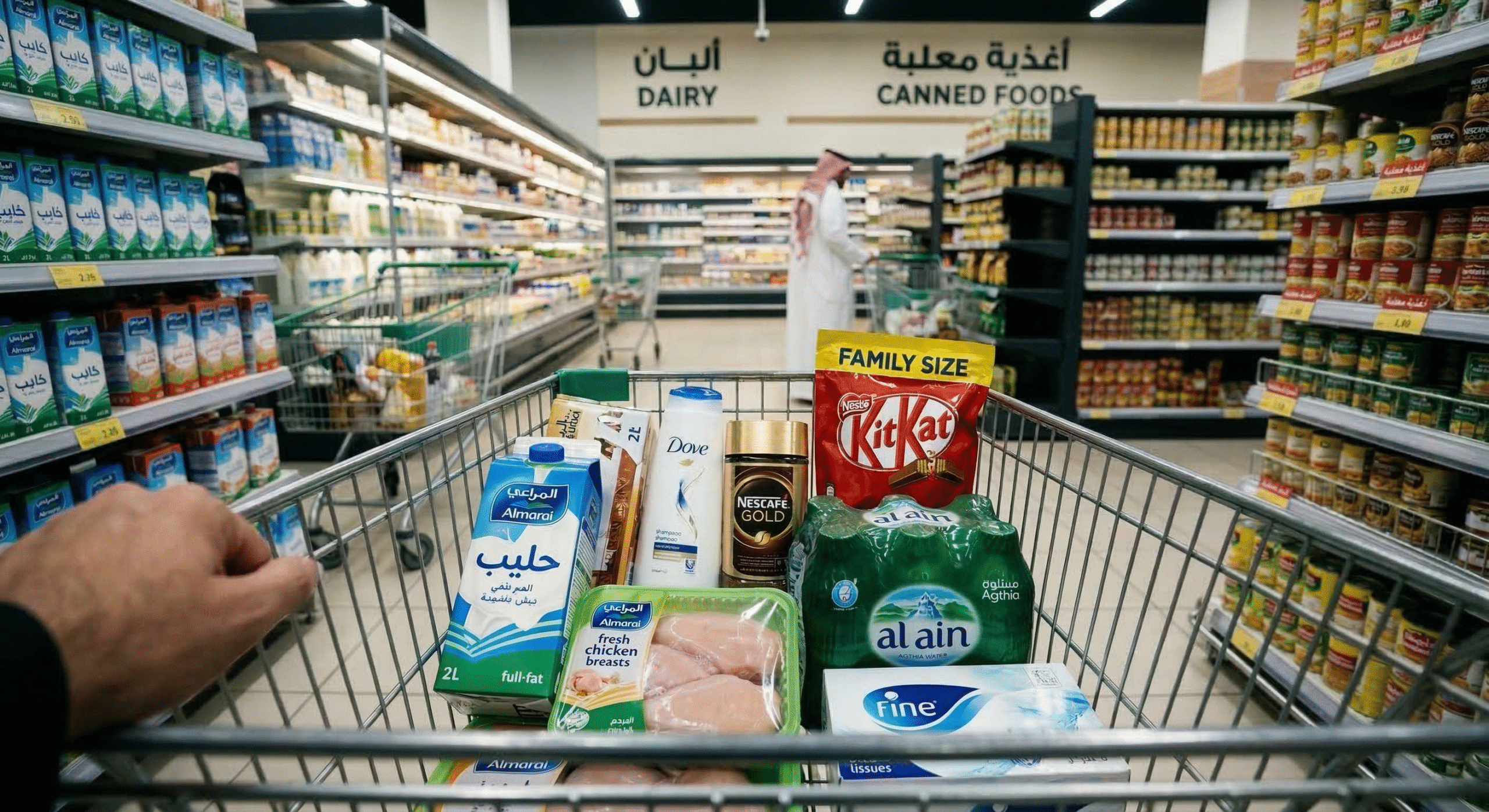
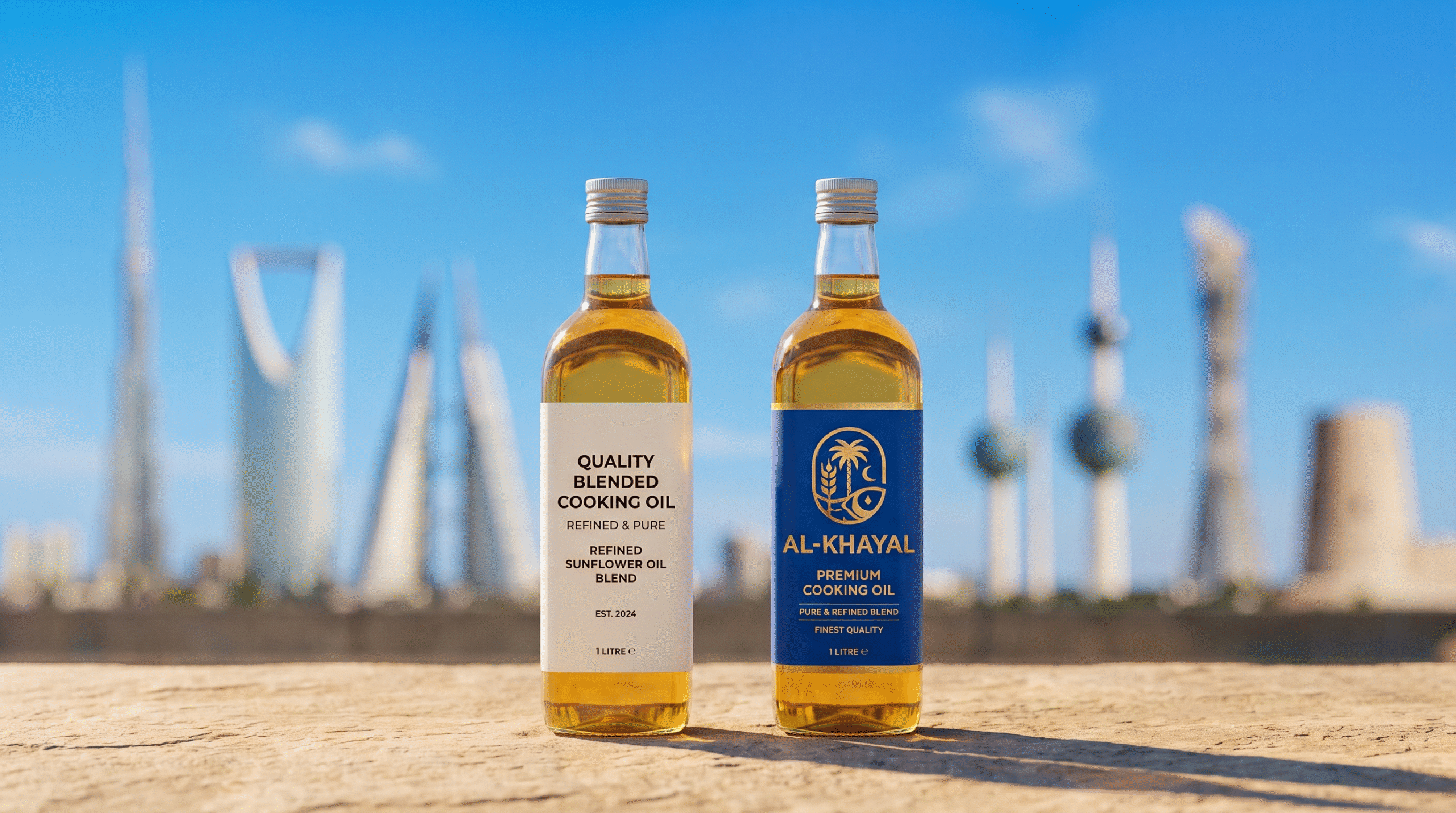
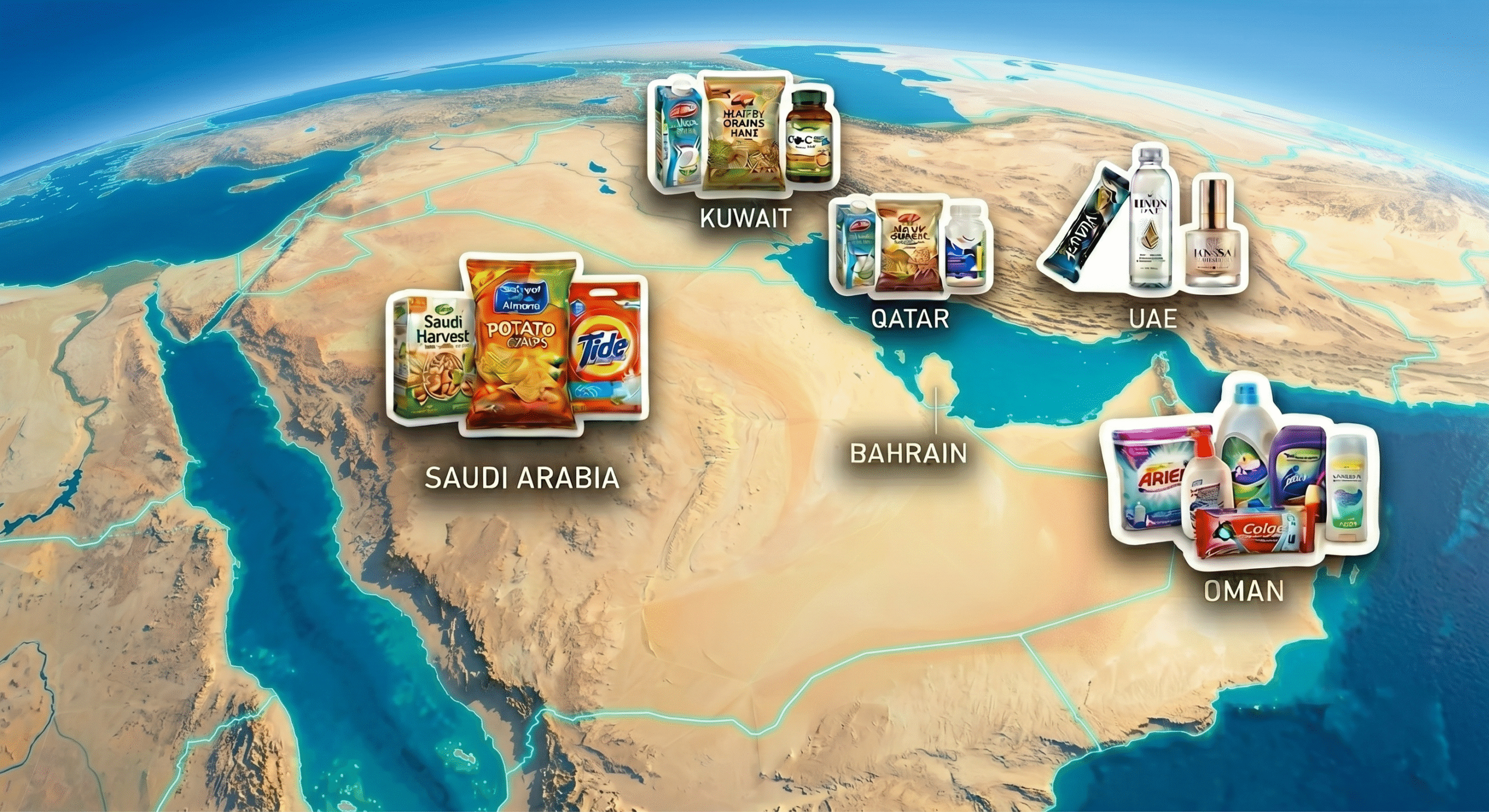
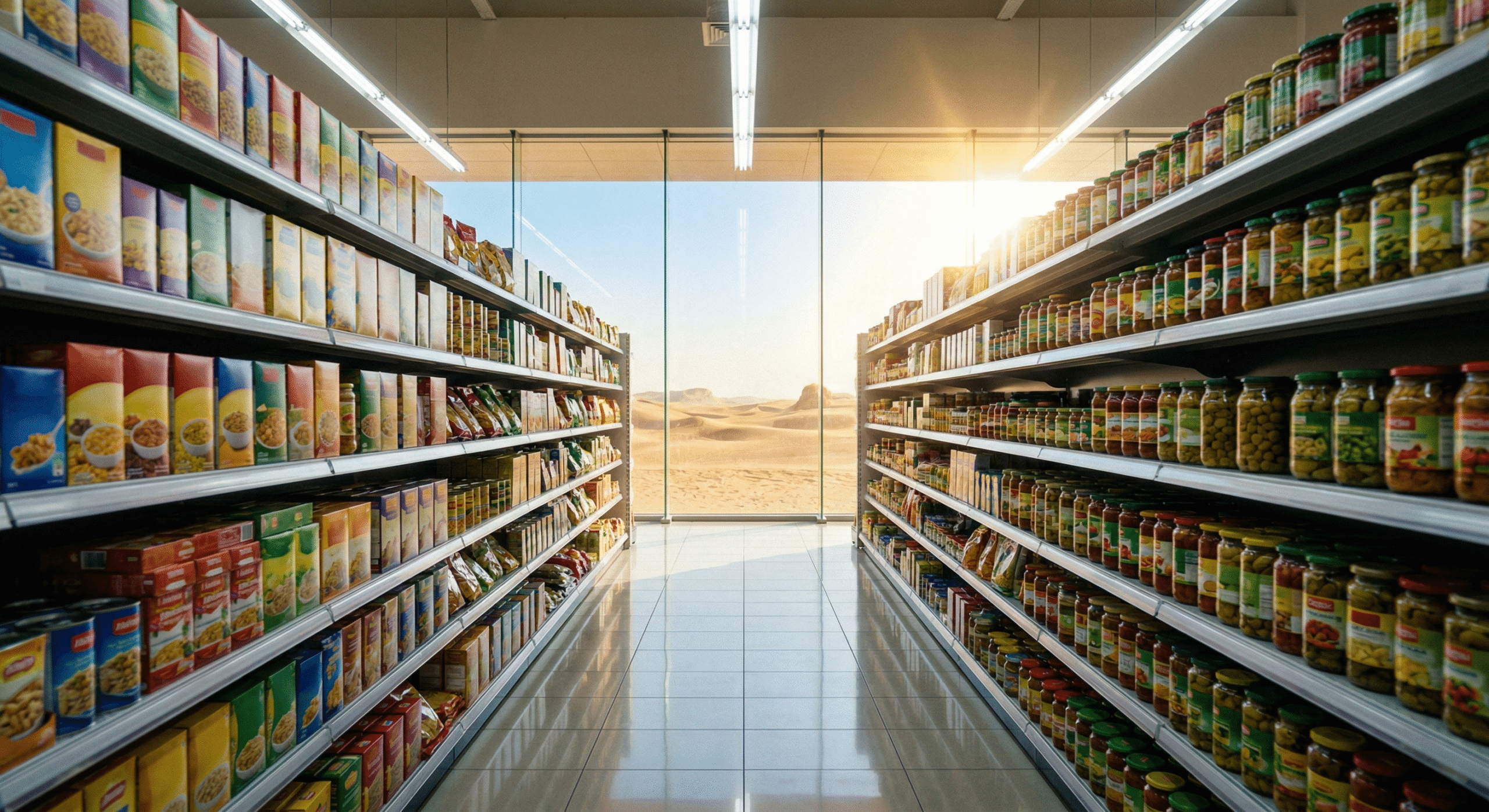
Take the Gulf. The UAE and Qatar are 2 of only 6 countries on earth where domestic production doesn't cover a single one of those 7 food groups. The UAE imports 89% of its food, Qatar imports 81%, and the rest of the region isn't far behind. Kuwait sits at 82%, Bahrain at 87%. Even Saudi Arabia, the only GCC country that grows any wheat at all, still imports 74% of what it eats, and it's scaling that program back because growing wheat in the desert costs more water than the country can spare. Oman comes closest to an exception, hitting 5 of the 7 groups, but it still imports 72% of its food and grows almost no legumes or grains of its own.
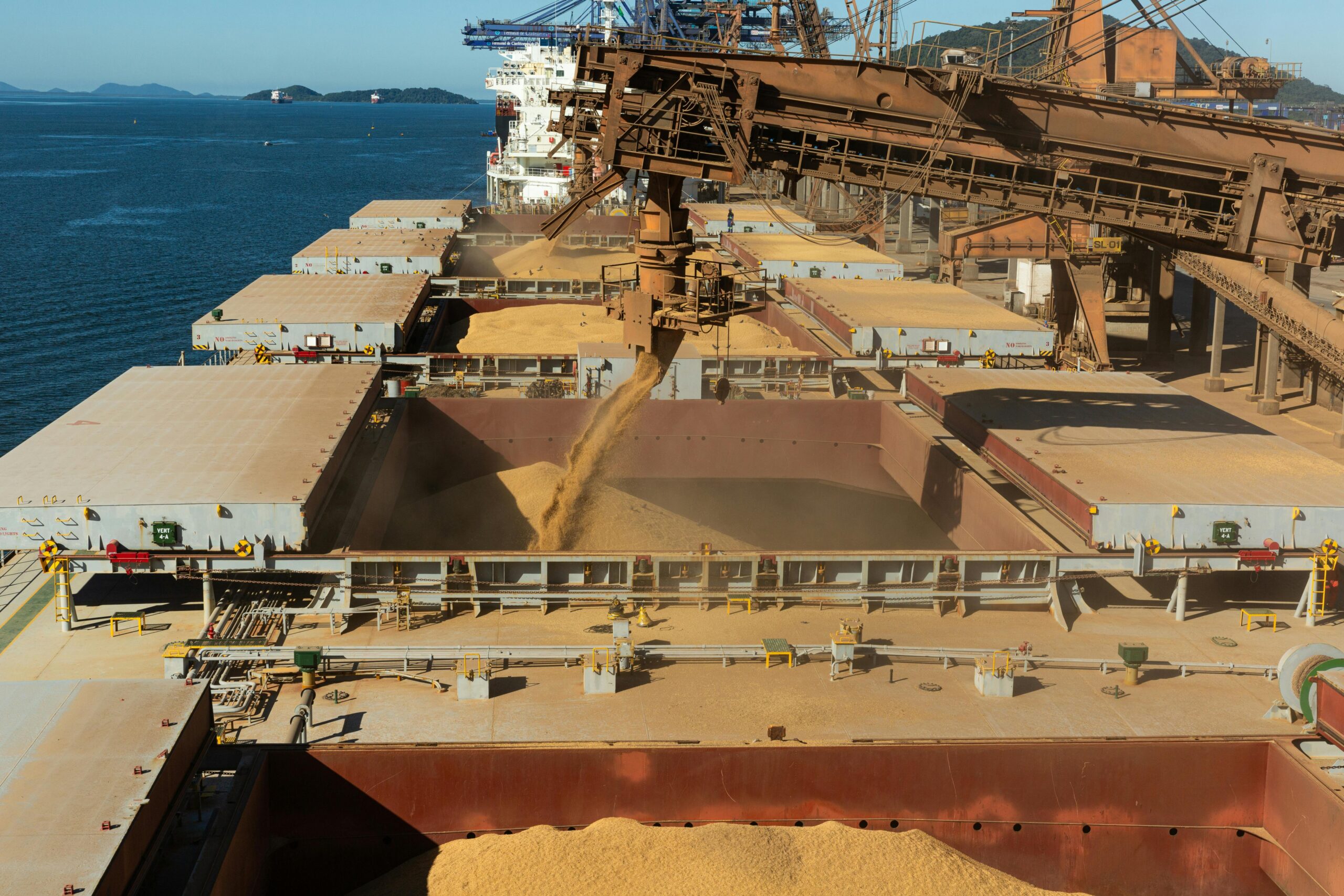
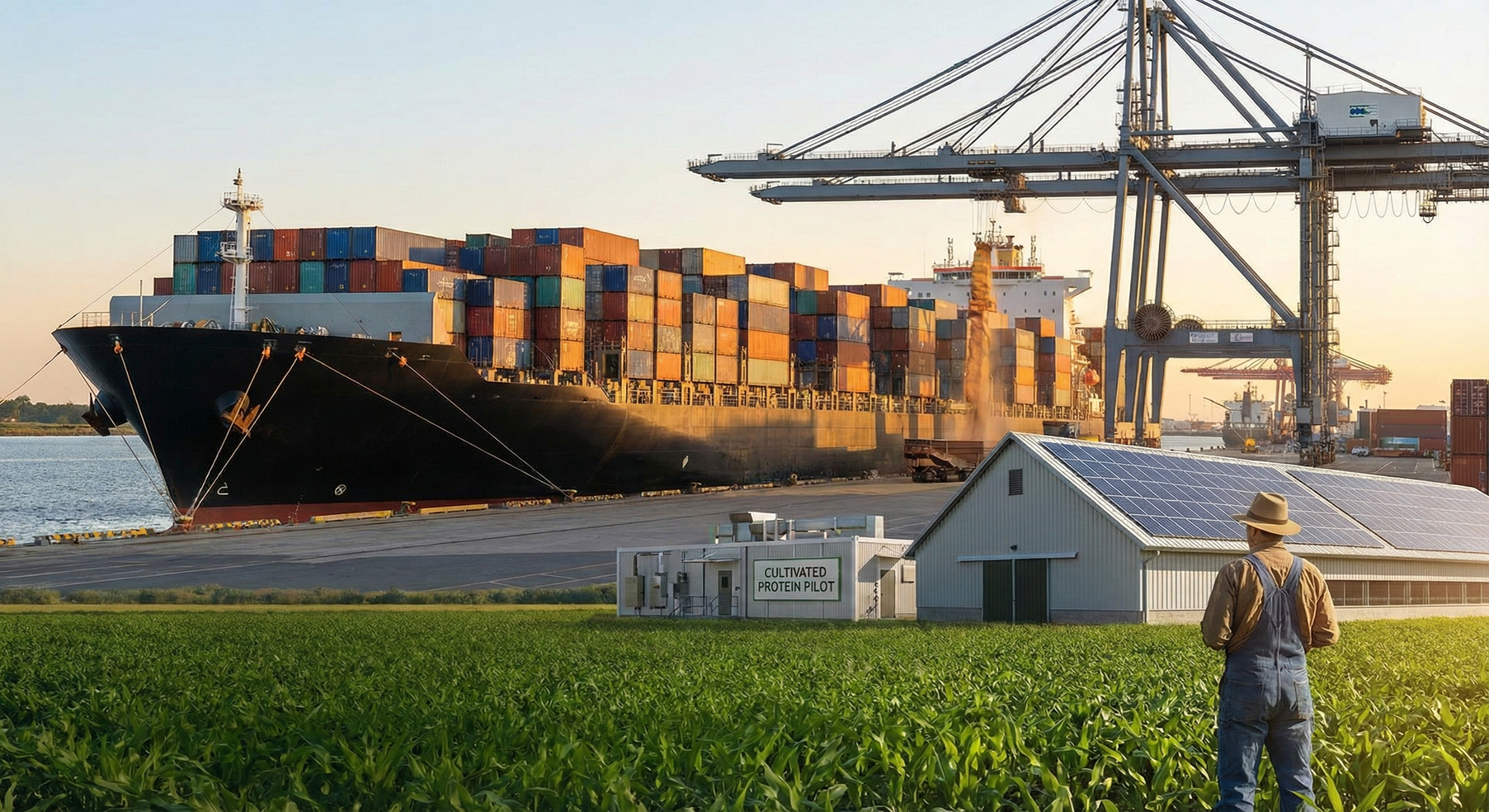
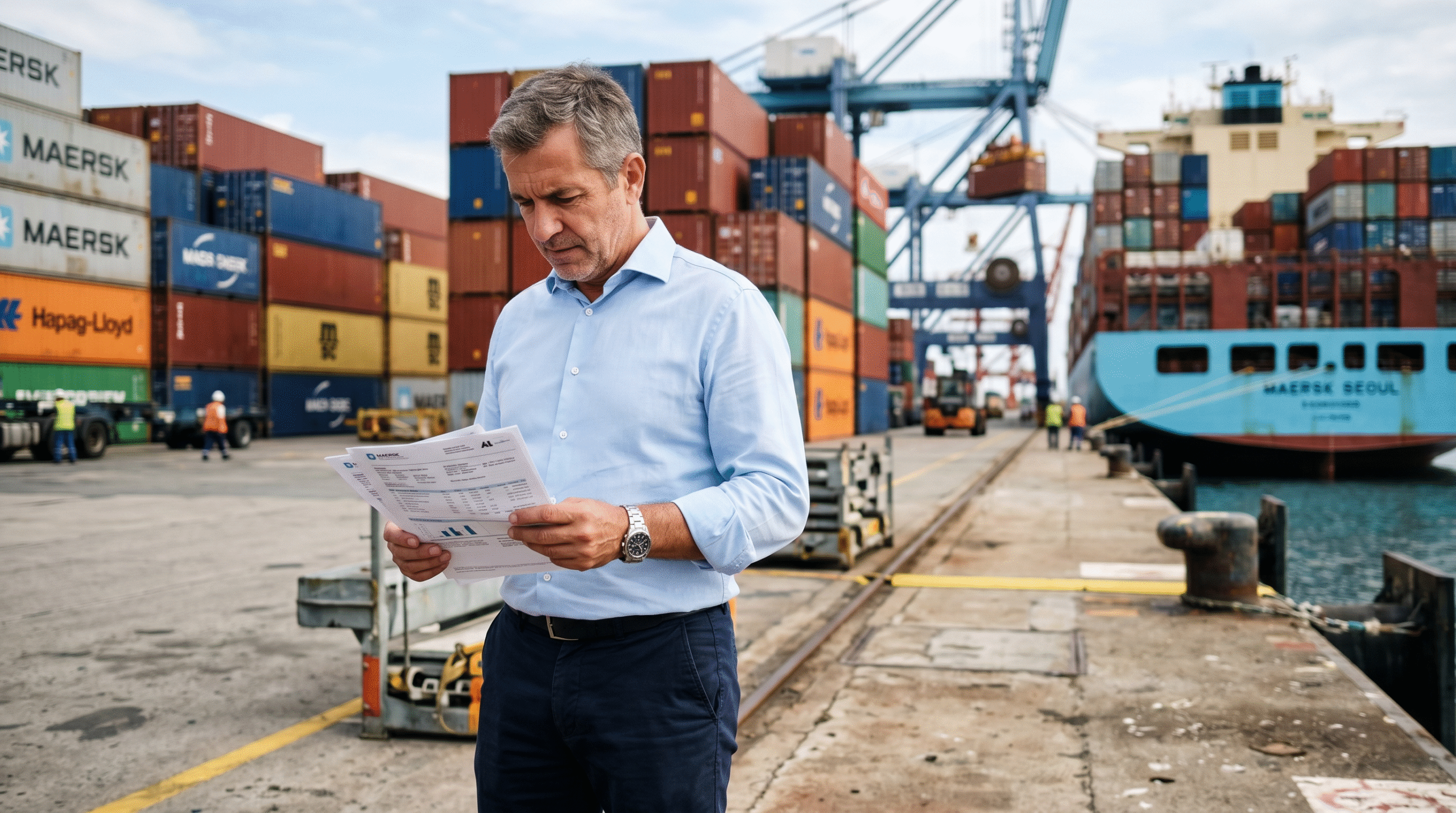
This is the gap a company like ASAFI works inside, buying grain and commodities from origin and moving them into a region that grows almost none of what it eats. If the ships stopped coming into the Gulf tomorrow, there wouldn't be much of a diet left to talk about.
Money Doesn't Feed You
Japan proves wealth and food security aren't the same thing. Rice self-sufficiency sits above 95% most years, because rice is the one crop the country protects hard. Overall calorie self-sufficiency dropped to 37% this past year, matching the lowest level Japan has recorded since it started keeping track in 1965. Wheat sits at 16%. Take the imports away and Japan is a country eating rice, and not much else.
Who'd Be Fine
Not every big country is exposed. India produces enough rice and wheat to be the world's largest rice exporter, with record harvests in both 2025 and 2026, though it still imports close to 60% of its cooking oil. Brazil, Russia and Vietnam all clear 5 or more of the 7 food groups and export whatever they don't need. China covers 6 out of 7, missing only dairy. Ethiopia says it stopped needing wheat imports back in 2021, though US Department of Agriculture figures still show more than a million tons of Ethiopian wheat imports a year, so that claim is worth taking with a grain of wheat.
The Part Nobody Sees
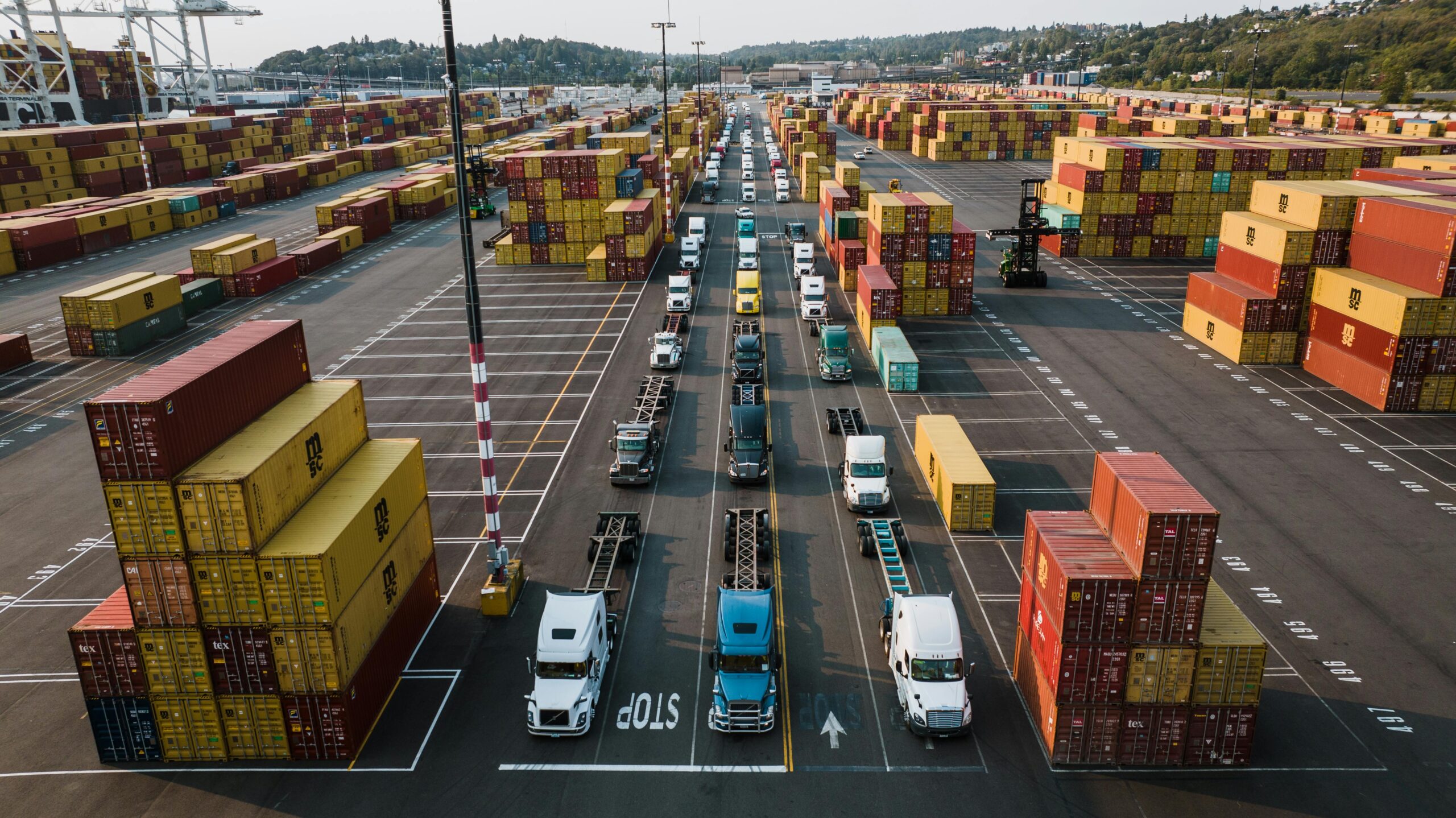
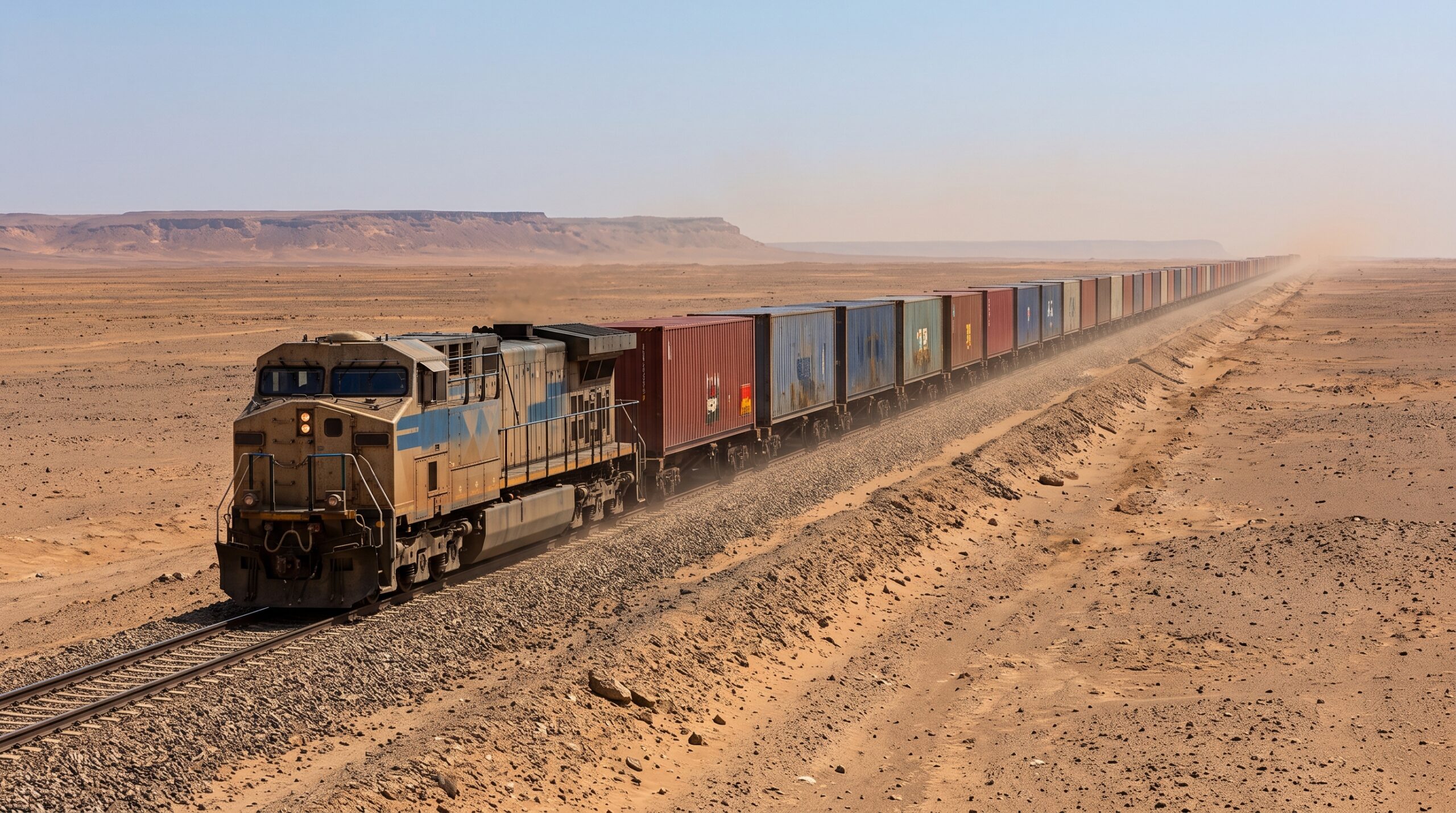
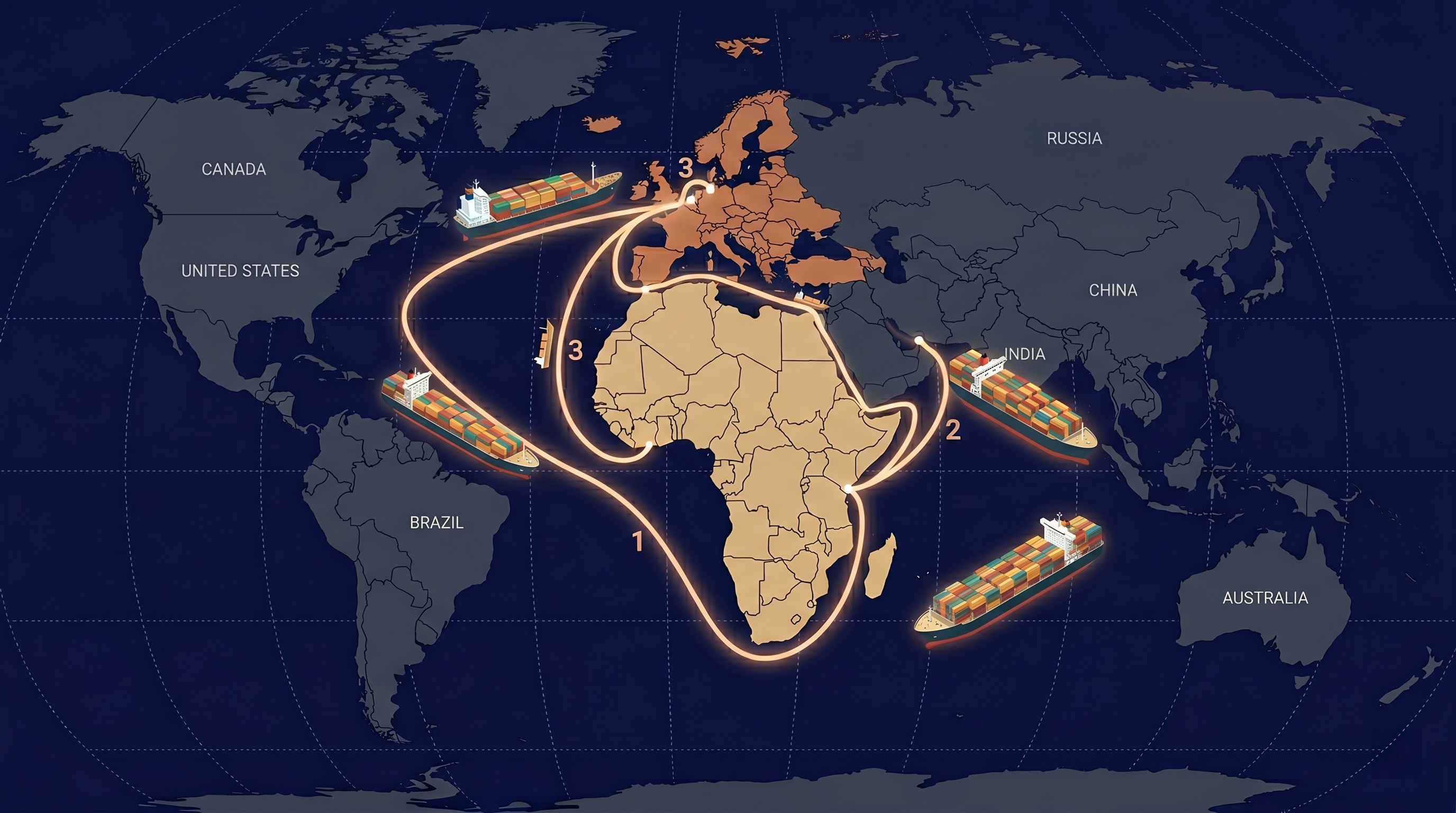
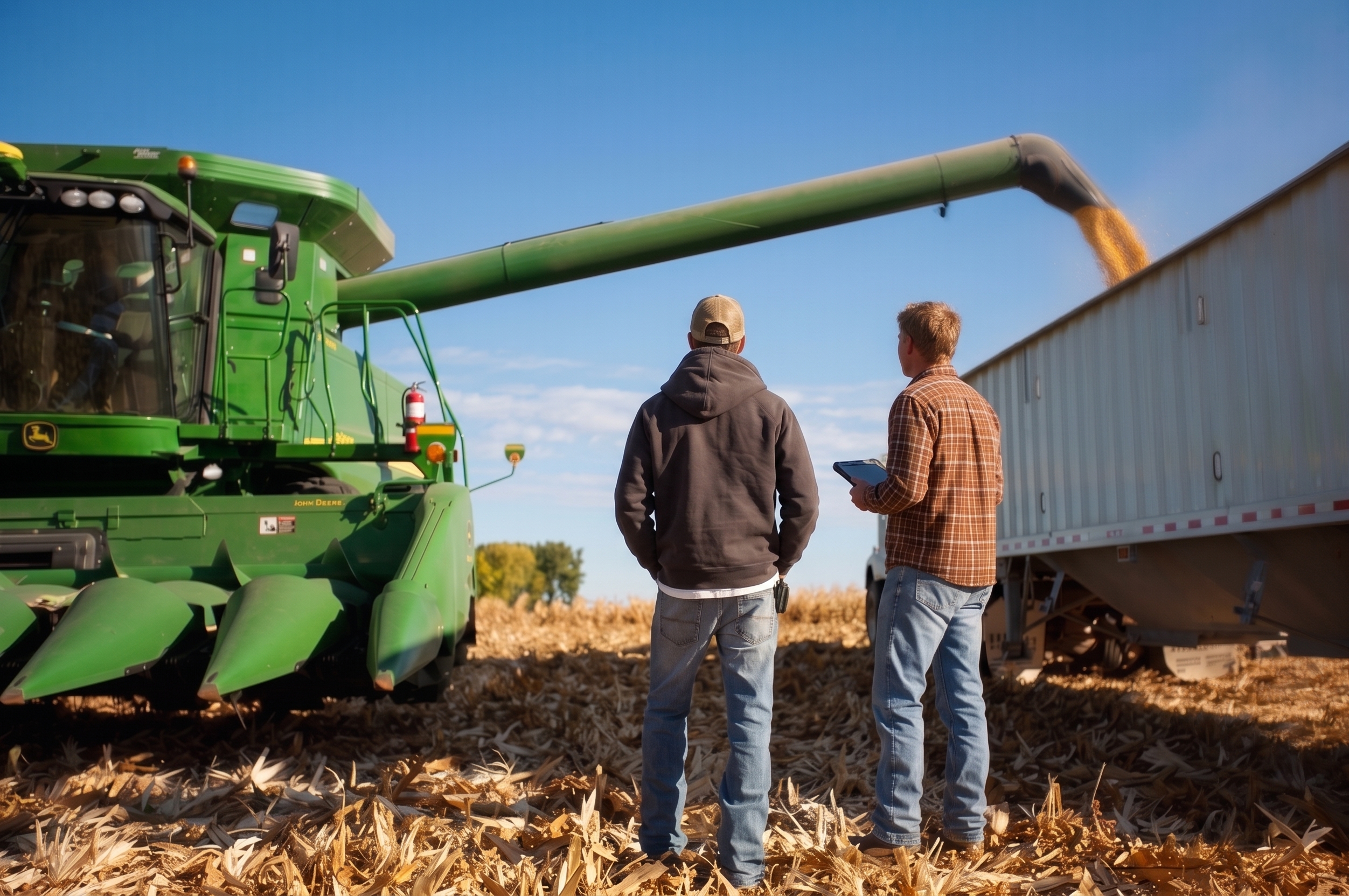
None of these numbers happen on their own. Behind almost every one of them sits a supply chain most people never think about, ships moving wheat through the Suez and the Strait of Hormuz, buyers locking in contracts a year ahead of the harvest, and traders working directly with farmers at origin long before a bag of flour reaches a shelf. At ASAFI we sit inside that chain, buying commodities directly from origin and moving them between the suppliers, manufacturers and retailers who turn a harvest into food on a plate. Almost nobody thinks about any of it until that chain gets disrupted.