Private Label or Your Own Brand, Which One Should You Build First in the Gulf
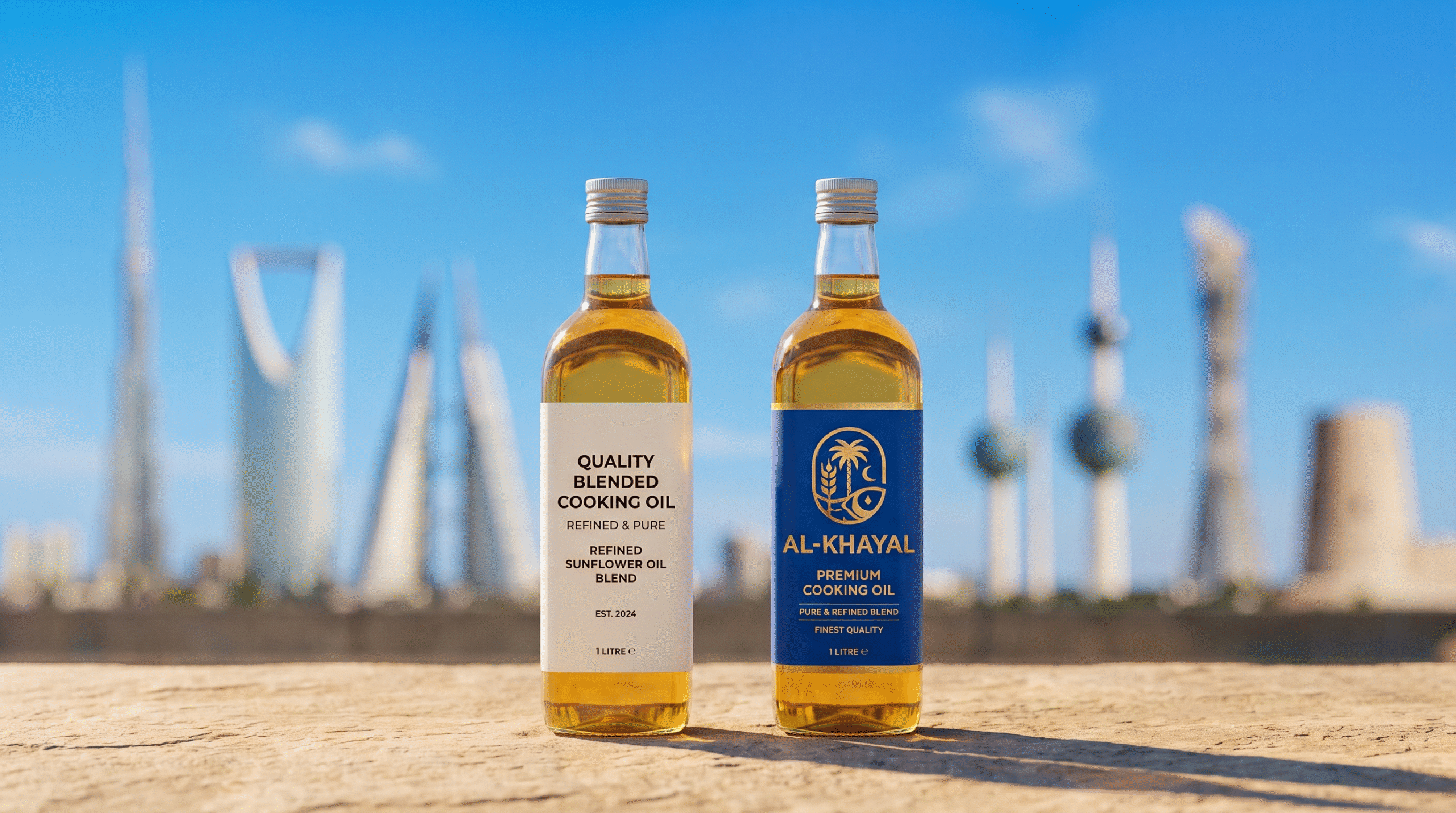
You are launching a food product somewhere in the Gulf. Now the real question sits in front of you. Do you put it on a retailer's shelf under their name, or do you build a name people will recognize as yours?
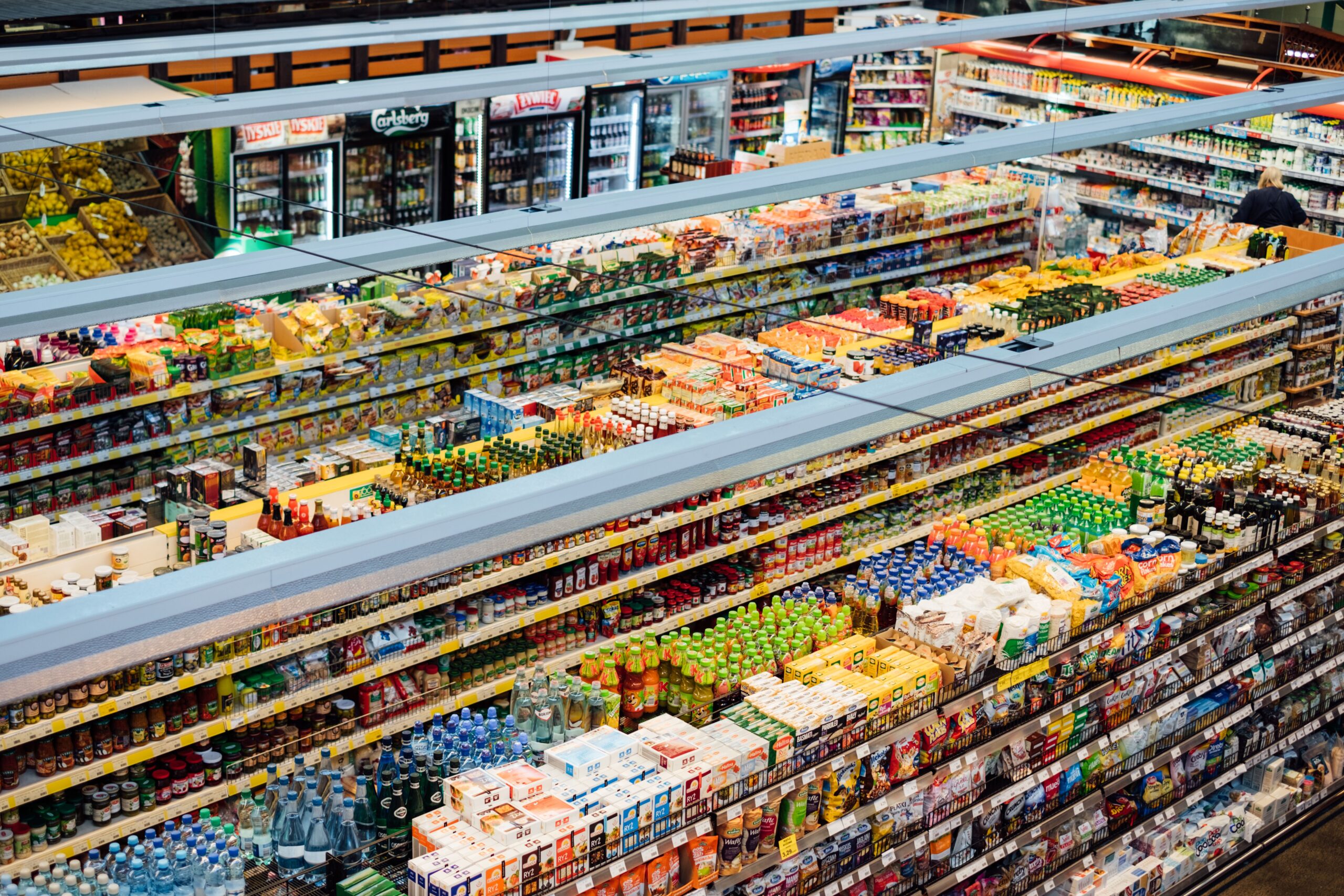
This choice plays out differently here than it does anywhere else. Retail across the GCC is expected to grow at a 4.6% yearly rate through 2028, pushing the market past $390 billion, with food retail alone already worth $127.2 billion. Inside that growth, retailers are moving fast. Lulu Group's own label range has grown past 2,500 products, built over roughly a decade, and now ranks among the retailer's best sellers across its stores in the UAE and the wider region. Carrefour runs its own label the same way, undercutting global brands on everyday items like milk powder, cooking oil, and sugar.
So the question stands, sharper here than in most places. Private label or your own brand, which comes first in a market like this? The answer sits in five places. Cost, speed, control, margin, and risk.
Why This Matters More in the Gulf Right Now
Shoppers here are watching their money closely. 44% of GCC shoppers say price is the top factor deciding what goes in their basket, and nearly a third now lean toward food that is made locally or reflects traditional flavors. That combination, price sensitivity paired with a pull toward local, makes a well built private label line hard to compete with if you are launching something new and unfamiliar.
Quick commerce adds another layer. About 30% of shoppers in the region now use apps to get groceries delivered in under an hour. A product needs to be easy to find and already trusted, and a retailer's own label sits at the top of that app, already stocked everywhere, already familiar.
The Cost of Starting Each One
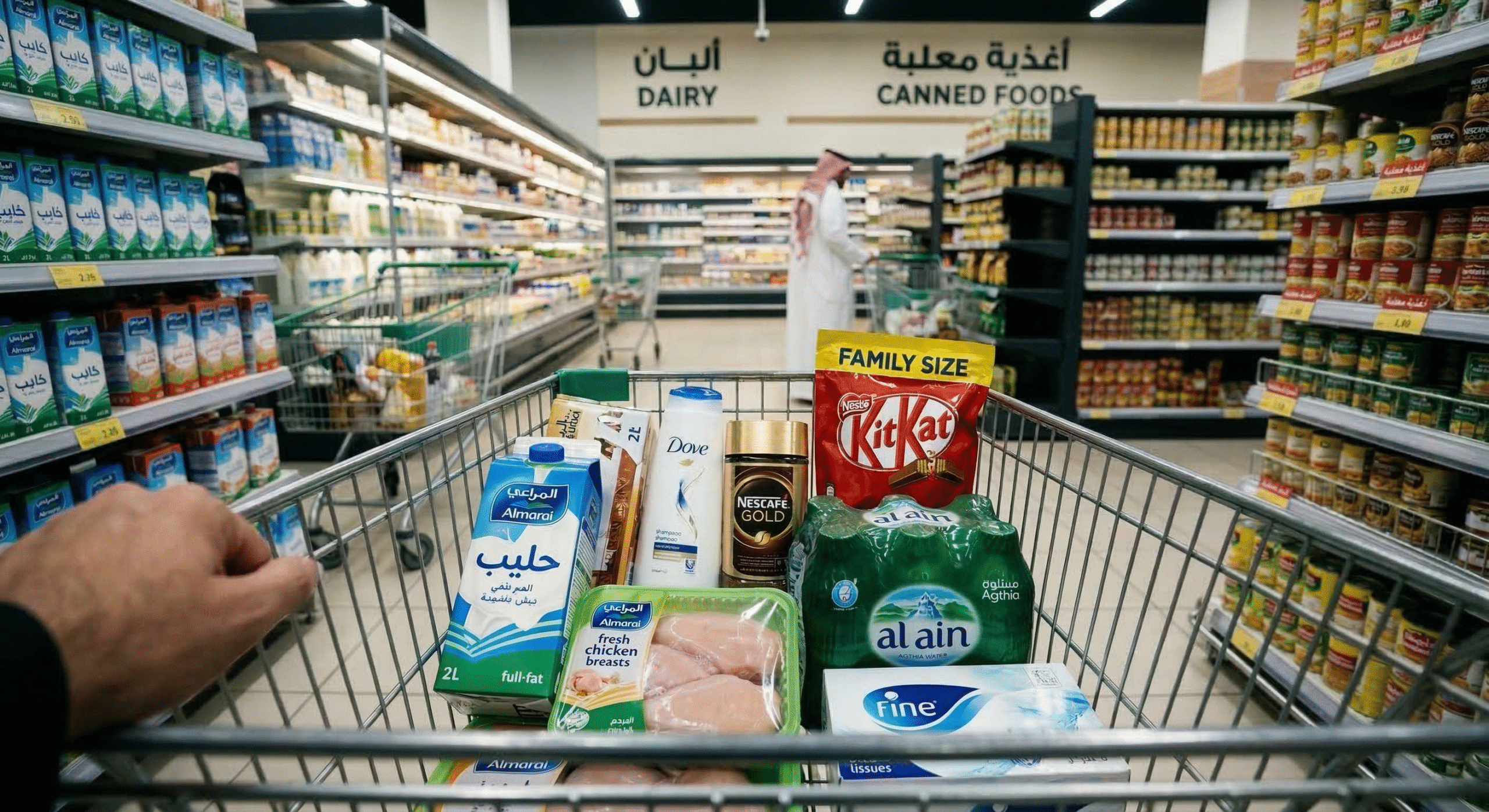
Private label here often means working through a manufacturer already supplying a major retailer. Lulu built much of its dairy, snack, and ready-to-cook range this way, partnering with regional producers like Elite Agro in Abu Dhabi and Nabil Foods, part of the UAE's Agthia Group, to manufacture under the Lulu name. You pay to fit into a supply chain that already exists, using an established factory and expertise instead of building your own.
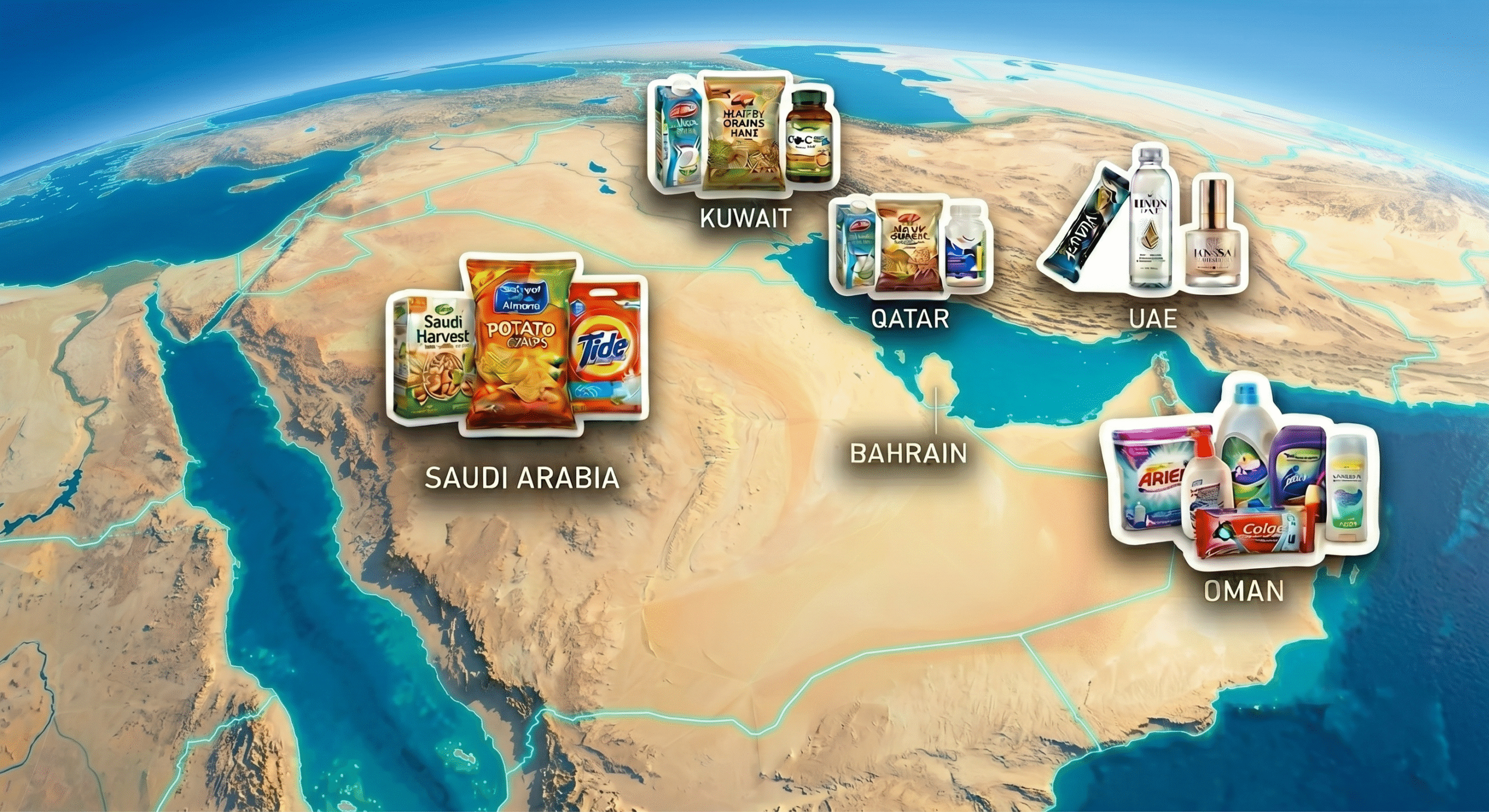
Building your own brand here carries an extra layer of cost most guides never mention. Every GCC country follows the harmonized GSO labeling standard, and each one still runs its own separate municipality registration on top of it. Saudi Arabia's SFDA requires product registration on its national platform along with full Arabic labeling before anything reaches a shelf. That is real time and real cost stacked on top of the usual expense of building a brand from nothing.
How Fast You Can Actually Sell
Private label moves at the retailer's pace, and that pace is not always instant. Carrefour's own UAE team has said its private label development cycle can run up to seven months, with products tested up to ten times a year before they reach the shelf. Once approved, though, you are selling inside a network that already has hundreds of stores and a shopper base that trusts the name on the label.
Your own brand has to build that trust country by country. A product cleared in the UAE still needs its own separate clearance in Saudi Arabia or Oman. Each market adds a registration step, and that adds months before you are selling everywhere you planned to be.
Who Owns the Customer
With private label, the retailer keeps the shopper. Lulu's private label success, more than 2,500 products deep, belongs to Lulu, not to the manufacturers behind it. Elite Agro and Agthia's Nabil Foods make the product. Lulu keeps the loyalty.
With your own brand, you keep it. You choose how a product speaks to a shopper who wants to buy local, and that instinct is strong here, close to a third of shoppers already lean that way. That story only works if the name on the package belongs to you.
Where the Money Actually Goes
Private label margins stay thin for the manufacturer, in exchange for volume and a steady order from a retailer with hundreds of stores. Saudi Arabia alone accounts for roughly half of all GCC FMCG consumption, so a private label deal with the right retailer can mean real volume fast.
Your own brand carries a higher ceiling once your name means something, and the region is actively rewarding that shift. The Middle East and Africa private label market is projected to reach $35 billion in 2026, yet branded, trusted names still command the premium shelf space, even in a market where 44% of shoppers admit price drives their choice.
Companies that source directly with manufacturers and suppliers across this region, the way we do at ASAFI, see this trade off constantly. Some suppliers take the private label deal to chase volume right away. Others slow down and build toward their own name because the long term value is worth the wait.
What You're Actually Betting On
Private label risk stays contained to one relationship, one retailer, one contract. If it does not work out, you have only lost time. Your name was never on the shelf to begin with.
Your own brand spreads risk across every country you enter, each with its own registration, its own labeling rules, its own shopper habits. That risk is real, and the reward scales with it. A brand cleared and trusted across the UAE, Saudi Arabia, and the wider Gulf is worth far more than a single private label contract, because it belongs to you everywhere at once.
How the Gulf Compares to Europe
Take a market like the UK and the picture looks completely different. Private label already fills roughly half of what the big discounters sell there. Aldi and Lidl together hold 17.7% of the entire UK grocery market, their highest share on record, and at Aldi alone nine out of ten baskets now contain only store brand items, according to Kantar. Even Tesco, a traditional grocer built on national brands, is defending its ground with premium own label lines like Finest, which added 400 new products this year and grew sales 12% year on year.
That level of saturation built a manufacturing industry around it. A platform called Keychain now connects UK retailers to a network of more than 2,000 local manufacturers and has indexed over 500,000 British products, purpose built to make private label launches faster. Decades of steady growth gave the UK time to build that infrastructure.
The Gulf sits earlier on that same curve today. Lulu's 2,500 products puts it well ahead of most regional competitors, though still far from the saturation Aldi and Lidl have reached in the UK. The manufacturer base here stays thinner too, built around a smaller group of regional names like Elite Agro and Agthia rather than thousands of specialized contract producers.
Regulation follows a similar pattern. Once a product clears the EU's main food law, it can generally move across every member state under a principle called mutual recognition, though each country still requires its own language on the label. The Gulf's GSO standard reaches for the same outcome, and each country here still runs its own separate registration on top of the shared standard. That extra layer is the price of a younger, faster growing market.
Being earlier means the shelf space is still open. It rewards whoever builds a trusted name first, before the market fills up the way it already has in London or Berlin.
The Real Test
Answer three questions before you pick a side here. Do you already know Gulf shoppers want this, or are you still finding out? Do you have the time and budget to clear SFDA registration, Arabic labeling, and separate municipality approvals across more than one country? Do you want a steady order from one retailer, or a name that means something across the whole region?
Lulu did not build a 2,500 product private label range overnight. It took roughly a decade, built through manufacturer partnerships, one category at a time. That pattern is worth copying whichever direction you choose, and we see it repeat with brands and manufacturers we work with at ASAFI across the region.
The first step is what actually needs deciding right now.
Are you ready to prove demand in this market, or ready to build a name the whole Gulf will recognize?