Why Traditional Supply Chains Still Control the African Food Market (And How We Fix It With 2 Steps)
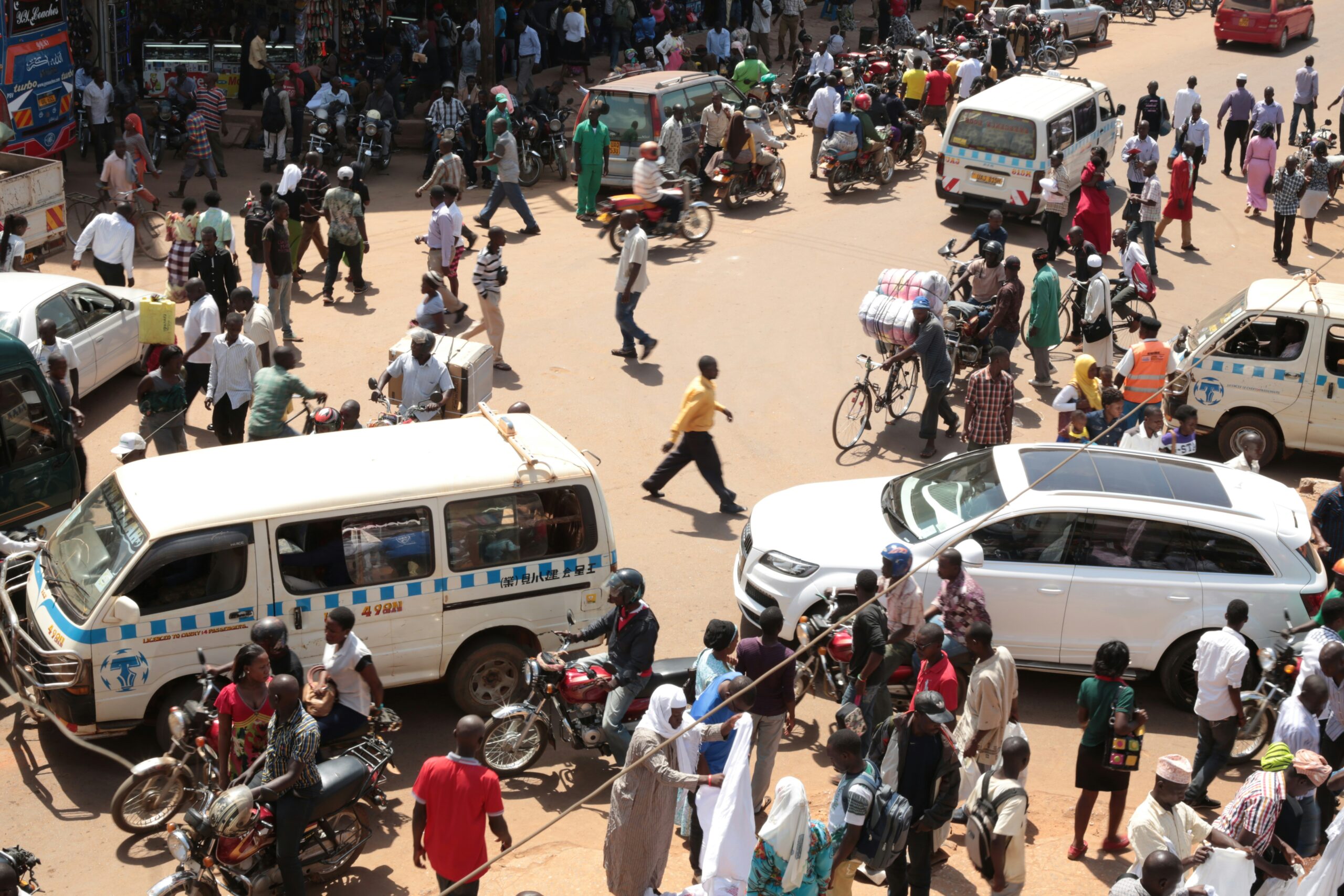
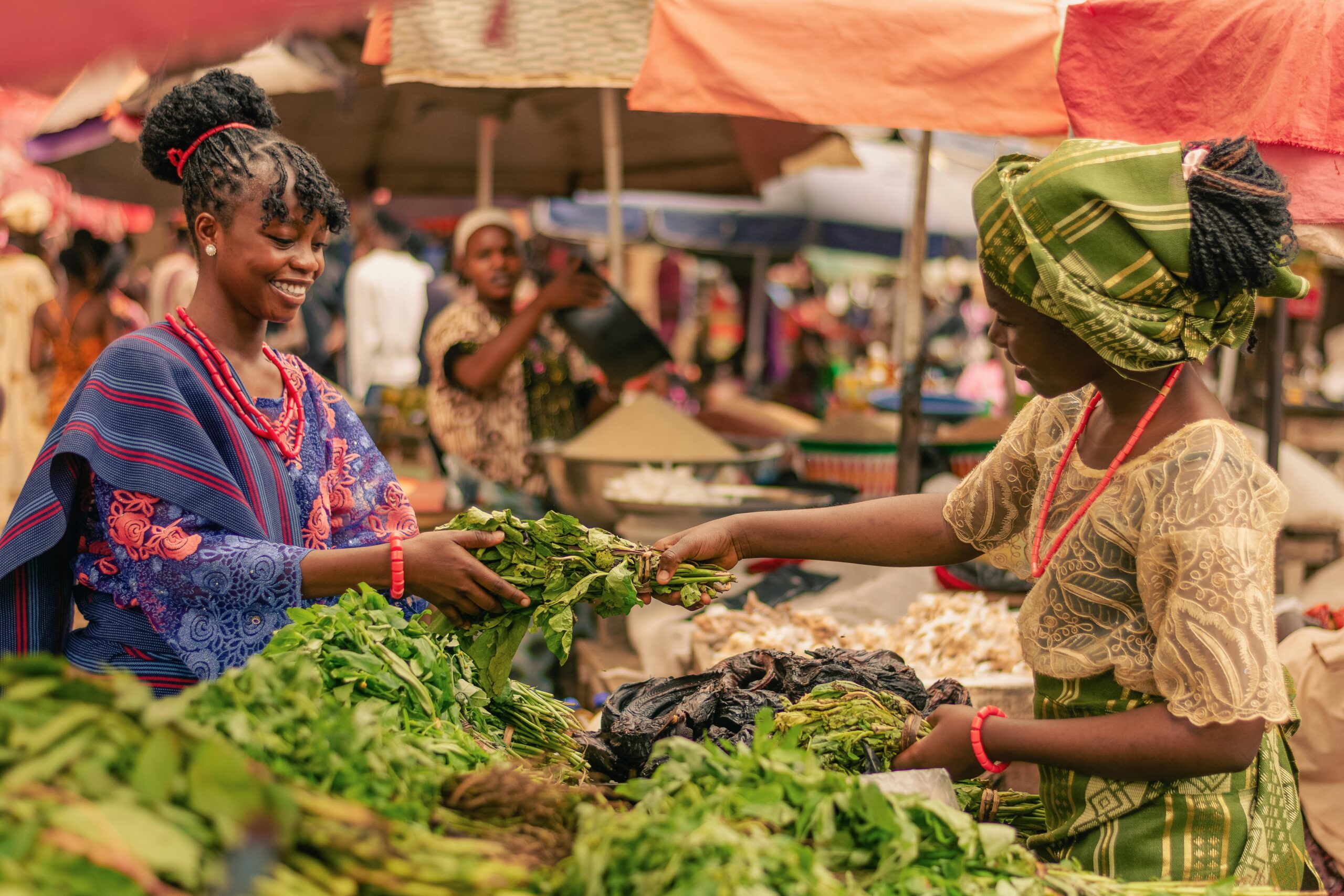
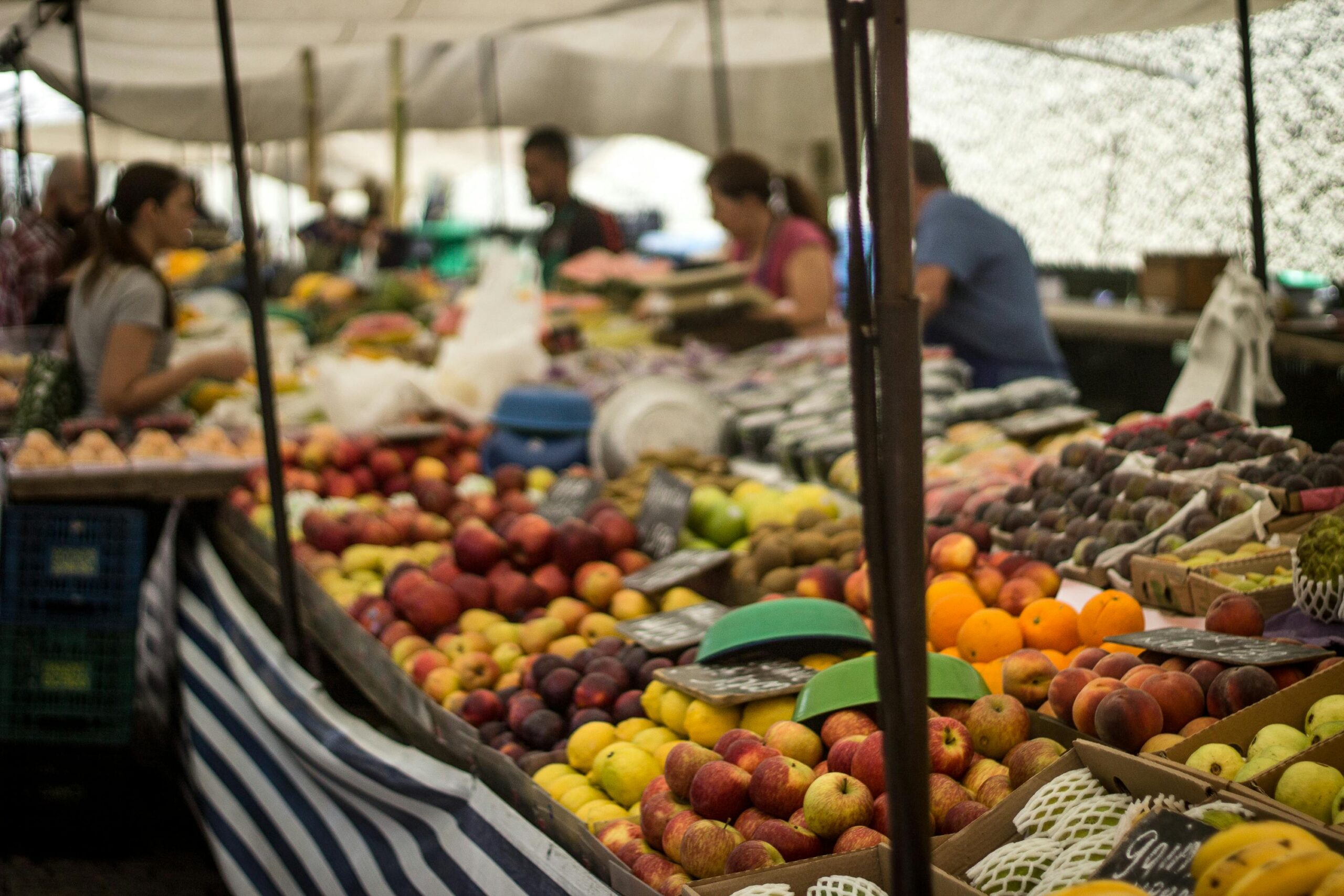
Modern supermarkets are multiplying across Lagos and Nairobi, yet most shoppers walk right past them. Instead, they flock to open-air markets, street kiosks, and roadside vendors for their daily meals.
The data supports this reality: 80-90% of food retail in Sub-Saharan Africa flows through these traditional channels. To modernize this system, we must first understand why it continues.
The Benefit of Informal Markets
Traditional supply chains dominate because they solve problems that Western-style supermarkets cannot. The informal market is a survival mechanism perfectly tuned to the African consumer.
- Micro Retail: Most consumers earn daily wages. They cannot buy in bulk. Traditional vendors break products into affordable micro-units that fit a daily budget.
- Credit Builds Loyalty: The local "Mama Mboga" offers informal credit, a financial lifeline that formal retail rarely matches.
- Closer More Convenient: Poor roads and traffic make travel difficult. Consumers choose the vendor within walking distance over the distant shopping mall.
But this system faces a logistics problem. It relies on a lot of middlemen, creating unreasonable pricing. Without cold storage, 30-50% of fresh produce rots before it reaches the plate. This "post-harvest loss" inflates prices and threatens food security.
The Solution: Hybrid Modernization
We don't need to replace the open-air market; we need to upgrade it.
1. Cutting Out the Middleman with Tech
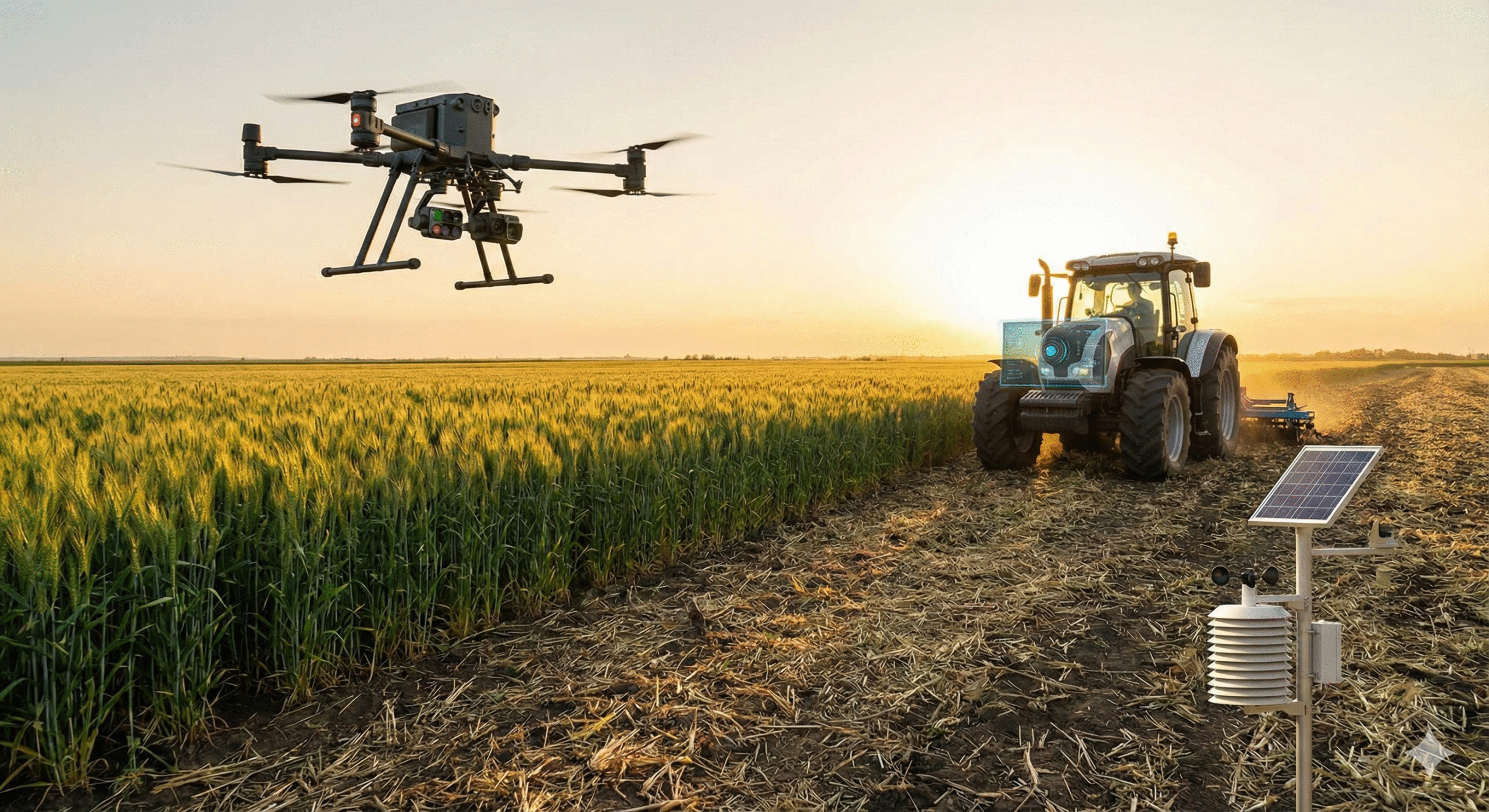
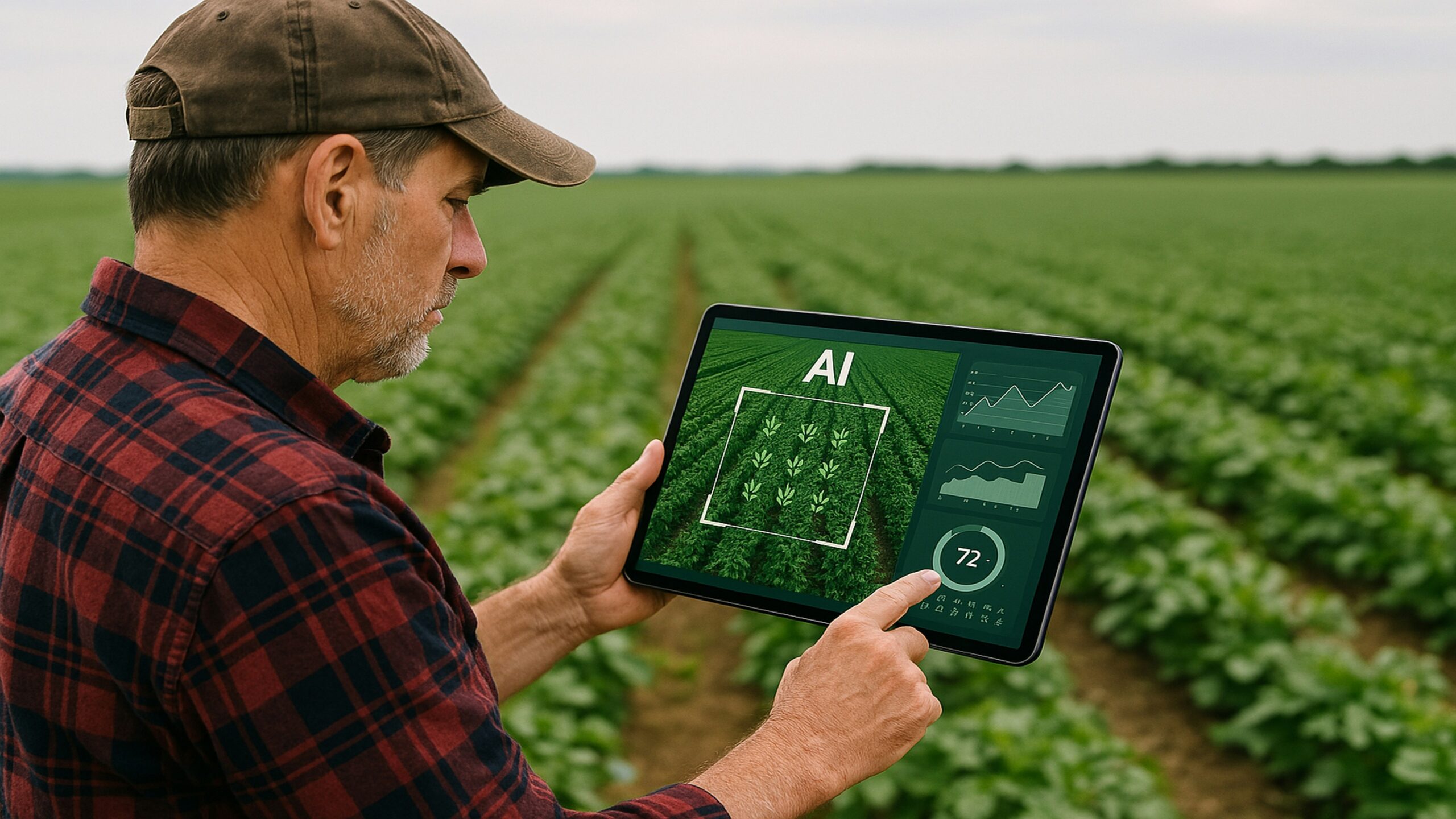
B2B e-commerce is revolutionizing logistics. Agritech startups now use mobile apps to connect farmers directly to street vendors. This Step bypasses the long chain of middlemen. Vendors order stock via phone, farmers get paid faster, and consumers pay less.
2. Cold Chain as a Service
Infrastructure is moving away from central warehouses. Innovators are installing solar-powered cold rooms directly in rural markets. Farmers now pay-as-they-store. This simple change extends shelf life from two days to two weeks, slashing waste and stabilizing market prices.
Conclusion
ASAFI Understands that The African food market needs strategic integration. By improving traditional markets with digital logistics and cold chain tools, we build a food system that is efficient, resilient, and culturally aligned.
How do you see technology reshaping agriculture in your region? Drop your thoughts in the comments below.