Which Agriculture Products Offer the Highest ROI in 2026?
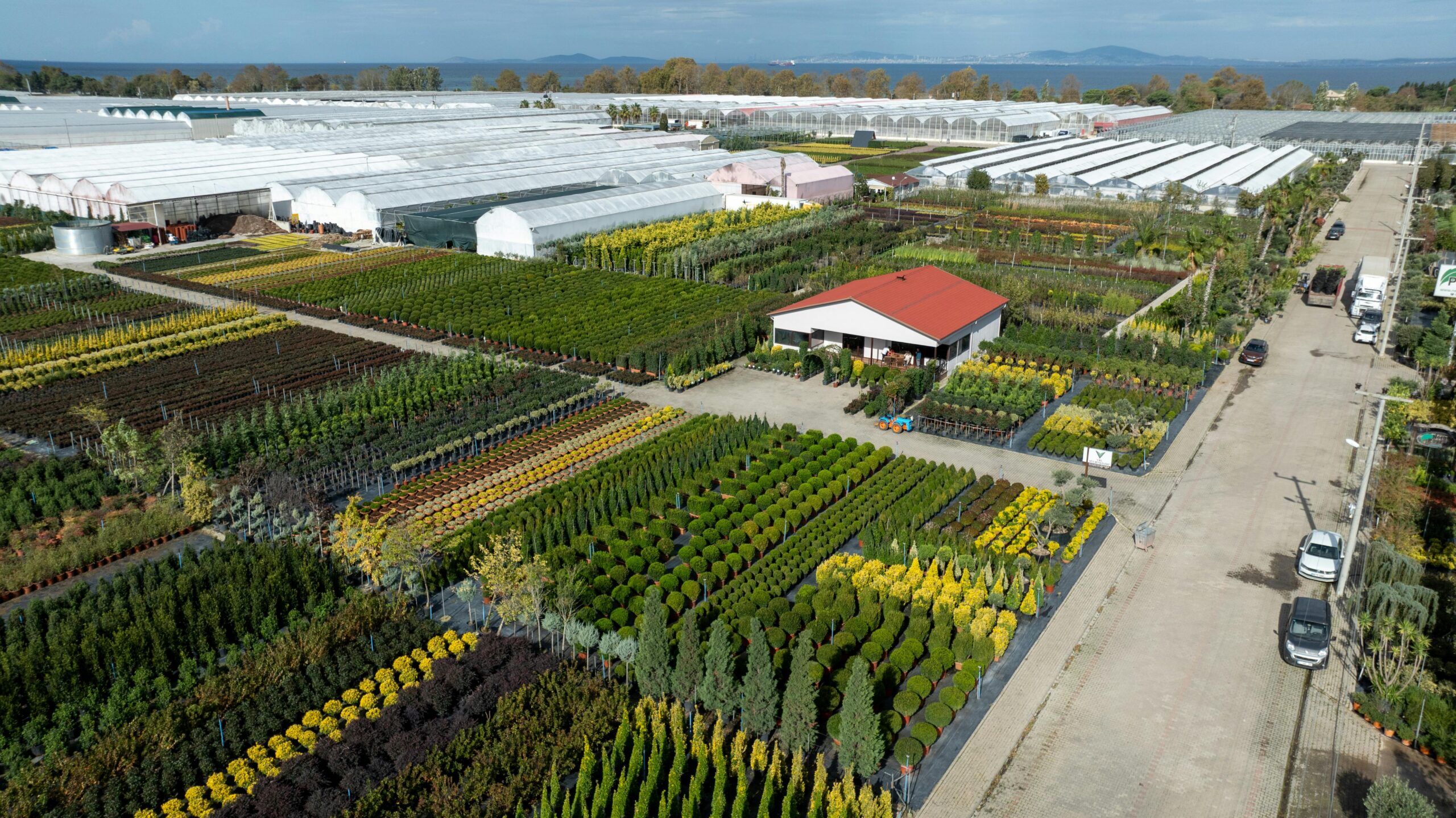
The agricultural sector in 2026 is defined by elevated input costs and a shift toward precision economics. For investors and cultivators, the highest Return on Investment (ROI) is no longer found in bulk commodity crops like corn or soy, which require hundreds of acres to achieve profitability.
Current market data indicates that maximum profitability is achieved through crops that offer either rapid turnover rates or high-value industrial applications. The following analysis outlines the top-performing agricultural products based on current yield statistics and market valuations.
1. Microgreens
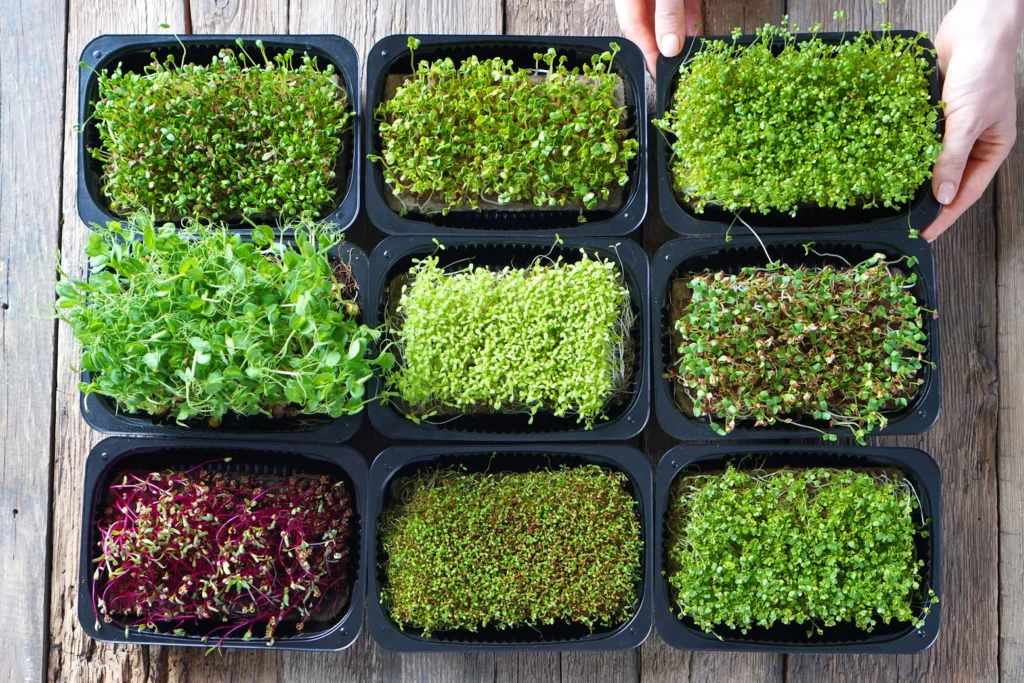
Microgreens offer the highest turnover rate in agriculture, allowing for 20 to 25 harvests per year from the same square footage.
- Harvest Cycle: 7 to 14 days from seed to harvest.
- Market Value: Retail prices range from $25 to $55 per pound ($55 to $120 per kg).
- Space Efficiency: Vertical racking systems generate approximately $10 to $15 per square foot per month in revenue.
- Growth Trend: The global market is sustaining a Compound Annual Growth Rate (CAGR) of 11.4%, driven by the high-end culinary and health sectors.
2. Medicinal & Gourmet Mushrooms
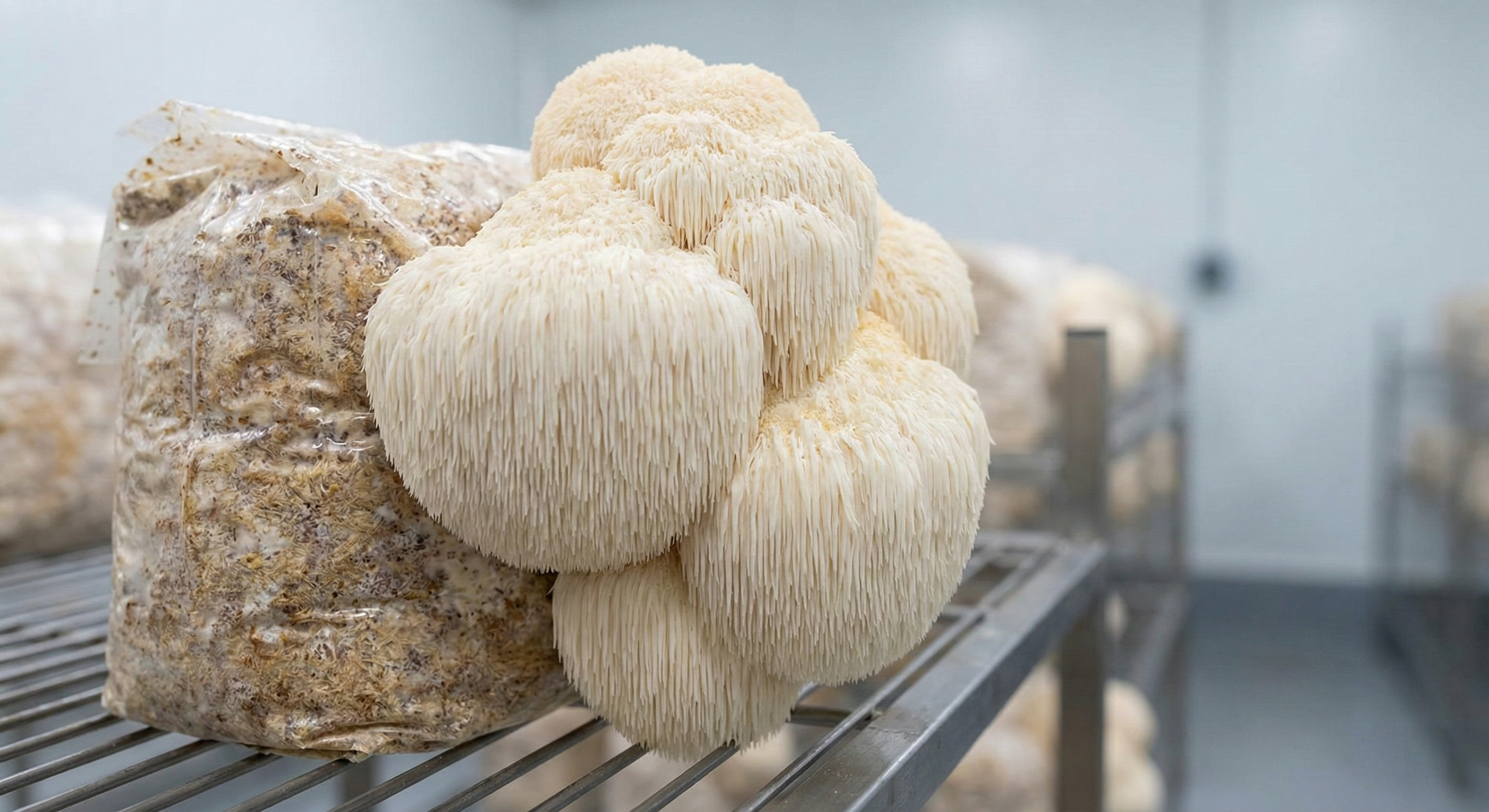
This sector utilizes low-cost agricultural byproducts (straw, sawdust) to produce high-value "functional foods." The ROI is driven by the "bio-efficiency" of fungi, which efficiently converts waste into sellable mass.
- Target Varieties: Lion's Mane and Oyster Mushrooms.
- Bio-Efficiency: Experienced growers achieve 100% biological efficiency (1 lb of substrate yields 1 lb of fresh mushrooms).
- Market Value: Specialty varieties retail between $12 and $25 per pound.
- Demand: The global functional mushroom market is projected to exceed $13 billion by the end of 2026.
3. Aeroponic Saffron
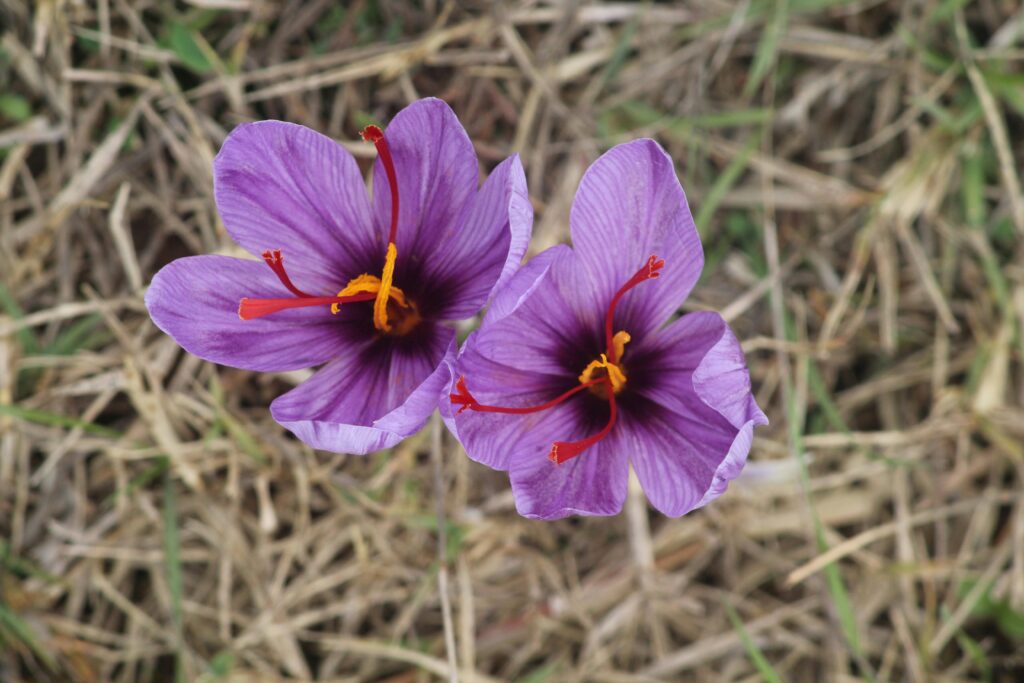
Saffron remains the world's most expensive spice. The shift to indoor aeroponics in 2026 has decoupled production from climatic risks and increased harvest frequency.
- Market Value: Grade I Saffron commands $3,000 to $5,000 per kilogram.
- Yield Increase: Indoor controlled environments allow for 4 harvest cycles per year, compared to a single harvest in traditional field farming.
- Resource Efficiency: Aeroponic systems reduce water consumption by 95% compared to traditional cultivation.
4. Bamboo

Bamboo serves as a dual-income asset. It provides raw material for construction and textiles while generating significant revenue through the voluntary Carbon Credit market.
- Growth Rate: Select species grow up to 91 cm (35 inches) per day.
- Carbon Sequestration: A bamboo grove sequesters 4 times more carbon dioxide than a comparable stand of hardwood trees.
- Harvest Timeline: Reaches maturity in 3 to 5 years, compared to 20+ years for traditional timber.
- Market Size: The global bamboo market is valued at over $90 billion.
Follow us on social media to keep up the the latest articles on agriculture!