Where Does the Food on Your Plate Actually Come From? A Look at Global Dry Commodity Trade Routes
The wheat in your bread most likely started its life in a field in Russia, Canada, or Australia. The lentils in your soup probably crossed two or three oceans before reaching your kitchen. The sunflower oil in your frying pan almost certainly passed through a port, a processing facility, and a trading hub before anyone cooked with it.
Most people eat without ever thinking about any of this. That is understandable. But the journey matters. Because when something disrupts that journey, you feel it in your grocery bill.
The wheat story
Russia leads global wheat exports, accounting for roughly 24% of total exports worldwide. Together, Russia and Ukraine supply nearly a third of the world's traded wheat. Australia holds second place, exporting over 29 million metric tons annually, with strong demand coming from Asian and Middle Eastern markets. Canada, France, and the United States follow close behind.
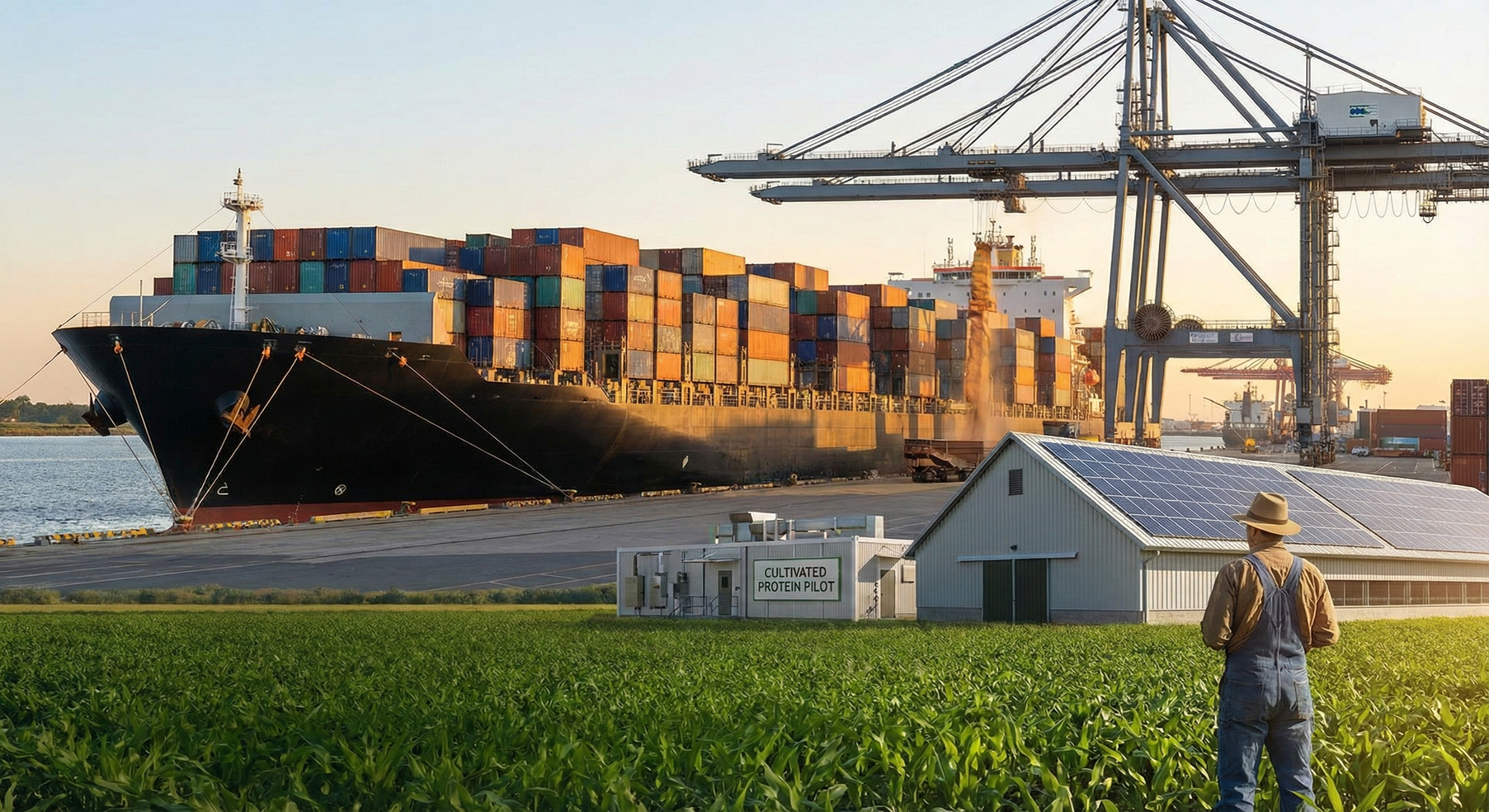
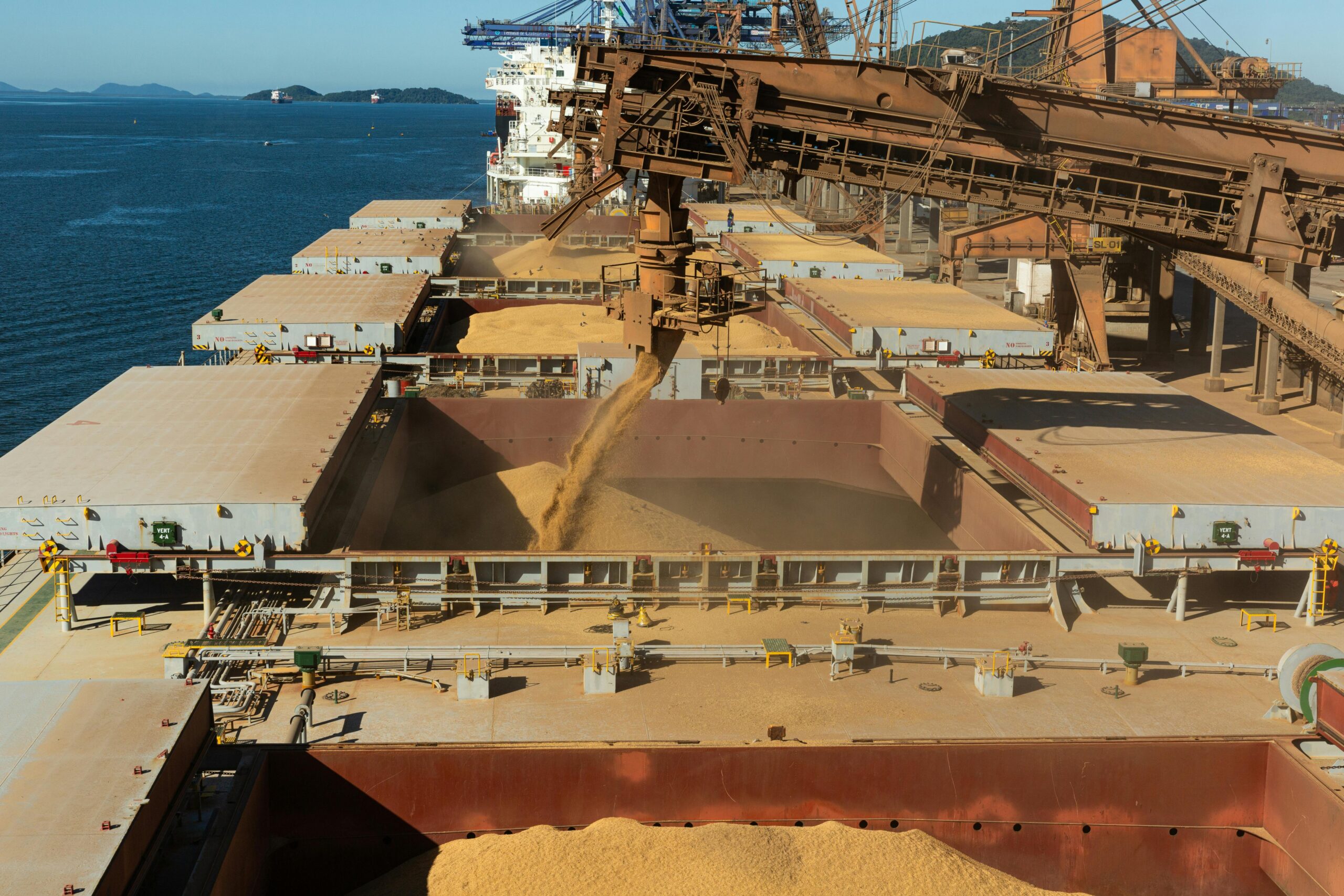
From those fields, wheat moves by bulk cargo ship through key maritime routes, arriving at major import hubs. Egypt alone received over 4.3 million tones in the first half of the 2025/26 season. North Africa as a whole depends almost entirely on imports to feed its population. So does a large part of sub-Saharan Africa and Southeast Asia.
When Russia restricted exports after the 2022 invasion of Ukraine, prices across the Middle East and North Africa jumped almost overnight. That connection, between a farm in Siberia and a bakery in Nairobi, is direct. It is not abstract.
The lentil story
Canada is by far the largest lentil exporter in the world, accounting for nearly 40% of global export value, worth around $1.6 billion in 2024. Australia, Turkey, the United States, and India follow. The biggest importers are India, Bangladesh, Turkey, Egypt, and Pakistan, all countries with large populations that rely on pulses as a core protein source.
What many people do not know is that the UAE sits in the middle of this trade. The UAE does not grow lentils locally, yet it has secured a place among the top five lentil exporters globally since 2010, acting as a re-export hub where imported lentils are repackaged and redistributed across the region. Dubai's geography, logistics infrastructure, and free trade environment make it one of the most important commodity transit points in the world.
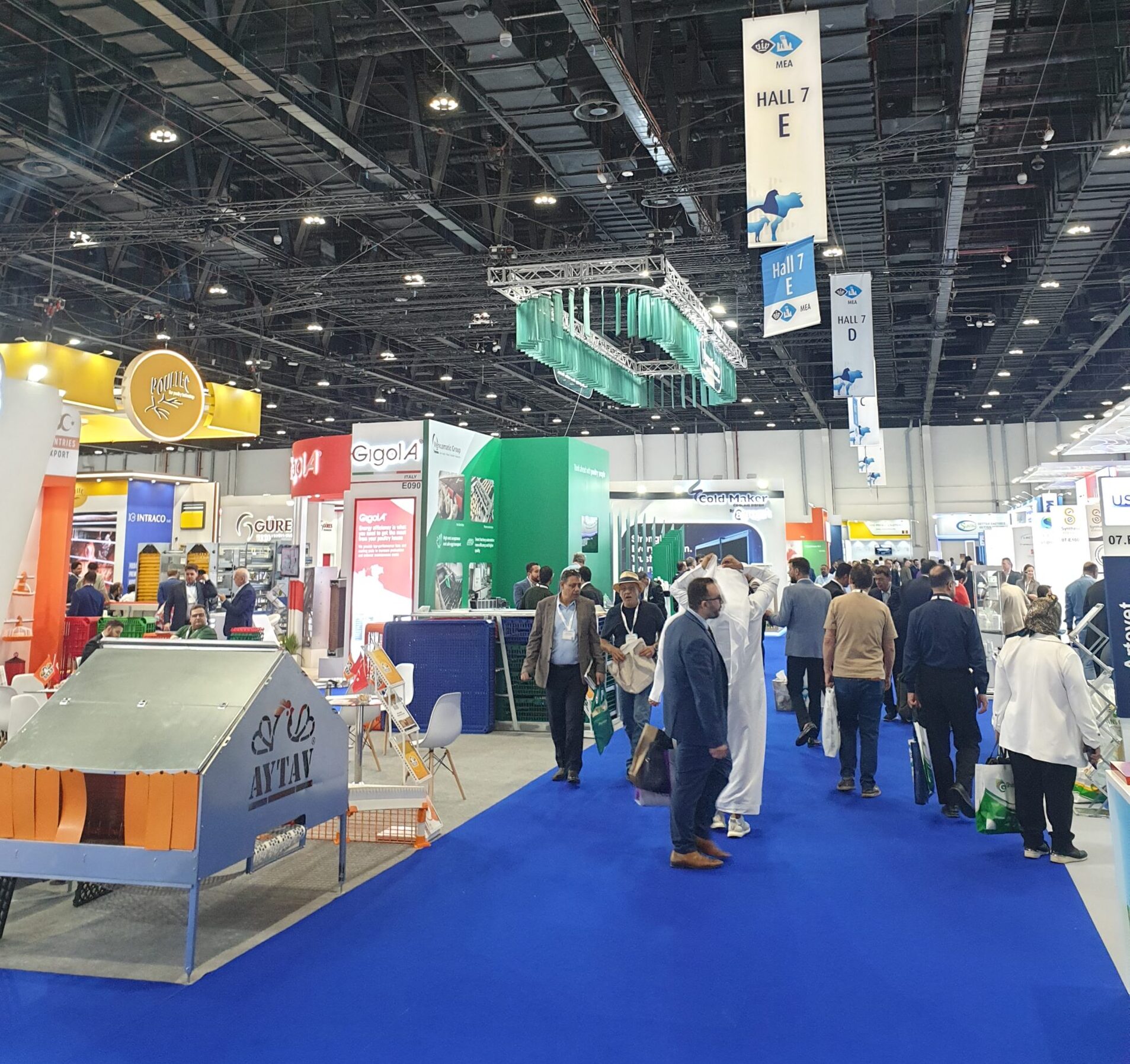
That is the model ASAFI operates within. Sourcing from origin countries, moving goods through connected trade hubs, and supplying buyers across more than 30 countries in the Global South.
The sunflower oil story
Ukraine, Russia, and Argentina together account for roughly 60% of global sunflower oil exports. For decades, Ukraine alone held more than half of global market share. Then the 2022 war changed the map overnight. Black Sea shipping corridors became unpredictable, and importing countries that had relied on a single origin had to scramble.
Global sunflower oil production for the 2025/26 marketing year was revised down to 22 million metric tons, a reduction of 500,000 metric tons from earlier projections, as harvest estimates in the EU, Russia, and Ukraine were repeatedly cut. At the same time, prices rose nearly 19% year on year by early 2026, as demand for refined sunflower oil continued to grow, particularly in India and across Asia.
What this means in practice is that the oil in your kitchen is one of the most geopolitically exposed groceries you buy. A conflict near the Black Sea does not stay in the Black Sea. It travels through shipping lanes, refining facilities, and trading hubs before showing up as a higher number on a supermarket shelf in Lagos, Karachi, or Cairo.
The rice story
India alone is expected to supply around 24.5 million metric tons of rice in 2026, accounting for approximately 40% of total global rice trade. Thailand and Vietnam follow, with Pakistan and Myanmar also playing significant roles. Between just those five countries, the vast majority of the world's traded rice originates.
Sub-Saharan Africa is the largest rice-importing region in the world, with the bulk of those imports supplied by Asian exporters. The Middle East, with Iran, Iraq, Saudi Arabia, and the UAE among the biggest buyers, is the third-largest rice-importing region globally.
What makes rice different from wheat or lentils is how quickly politics can disrupt it. When India imposed export restrictions in 2023 to protect domestic supplies, prices across Africa and the Middle East jumped within weeks. Millions of people who had never tracked Indian agricultural policy suddenly felt it in their daily cost of living. That is the nature of a supply chain built on concentrated origins. When the source tightens, everyone downstream feels it, and they feel it fast.
Why trade routes shape your food costs
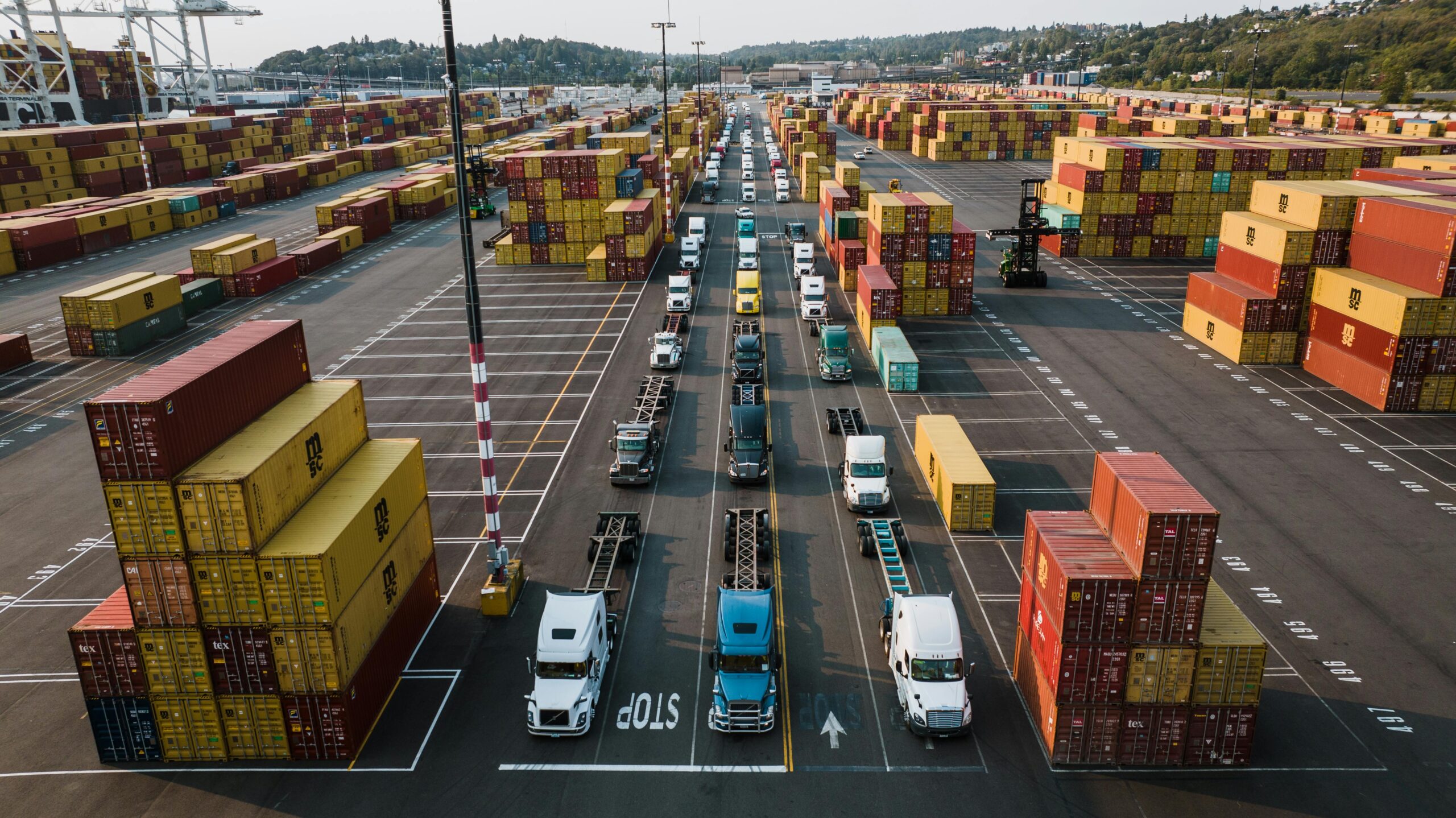
A commodity does not simply travel from field to plate. It passes through exporters, freight operators, port authorities, customs agencies, trading companies, local distributors, and finally retailers. Each stage adds time, cost, and risk.
The FAO Food Price Index rose 2.4% in March 2026, with food prices across all commodity groups increasing, partly driven by higher energy costs linked to conflict in the Near East, Energy costs affect shipping. Shipping costs affect the price of everything that moves by sea. And almost everything you eat has moved by sea.
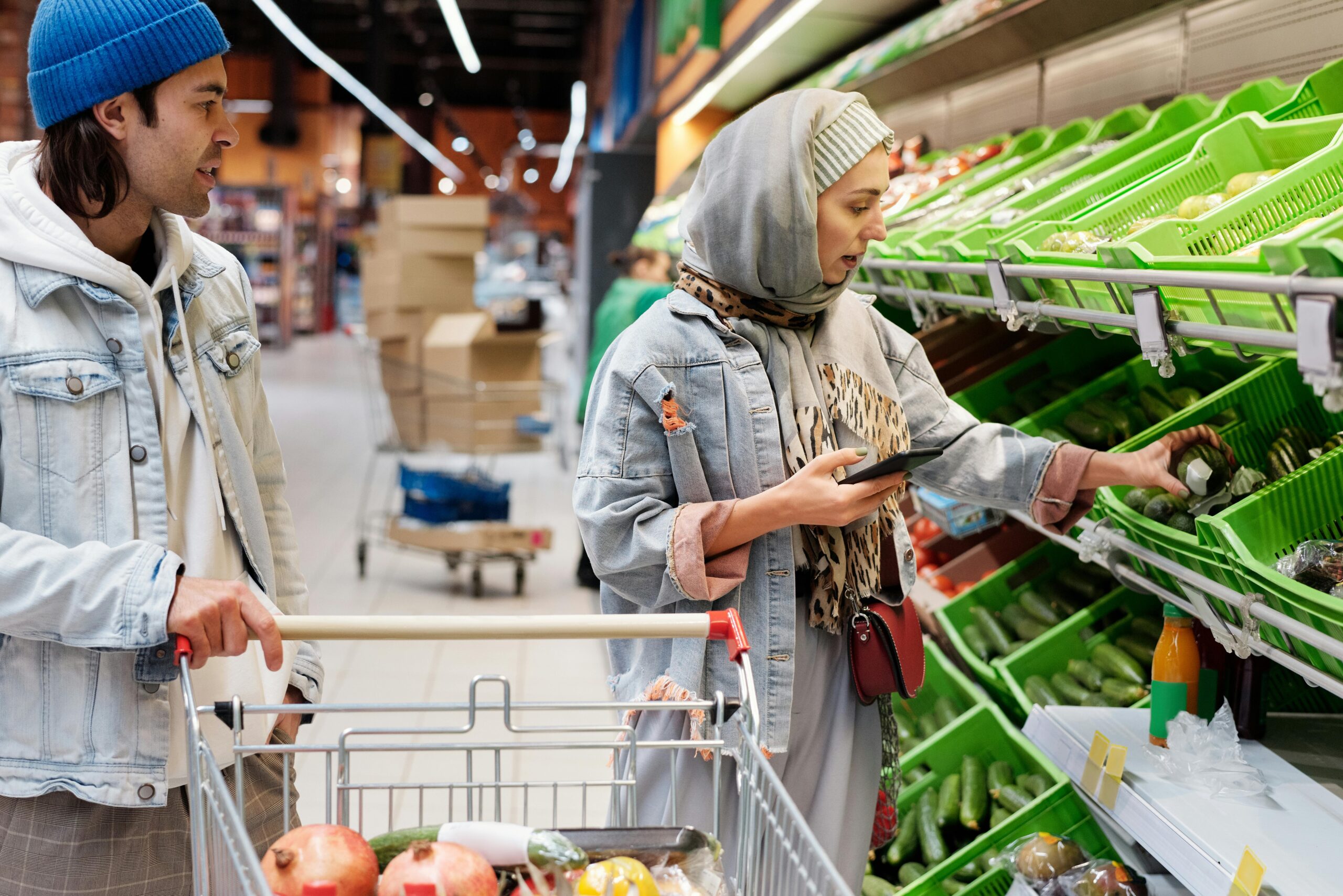
That is not a warning. It is just how global food trade works. Understanding it helps you read price changes with more clarity, and less confusion, when they show up at checkout.
What this means for you
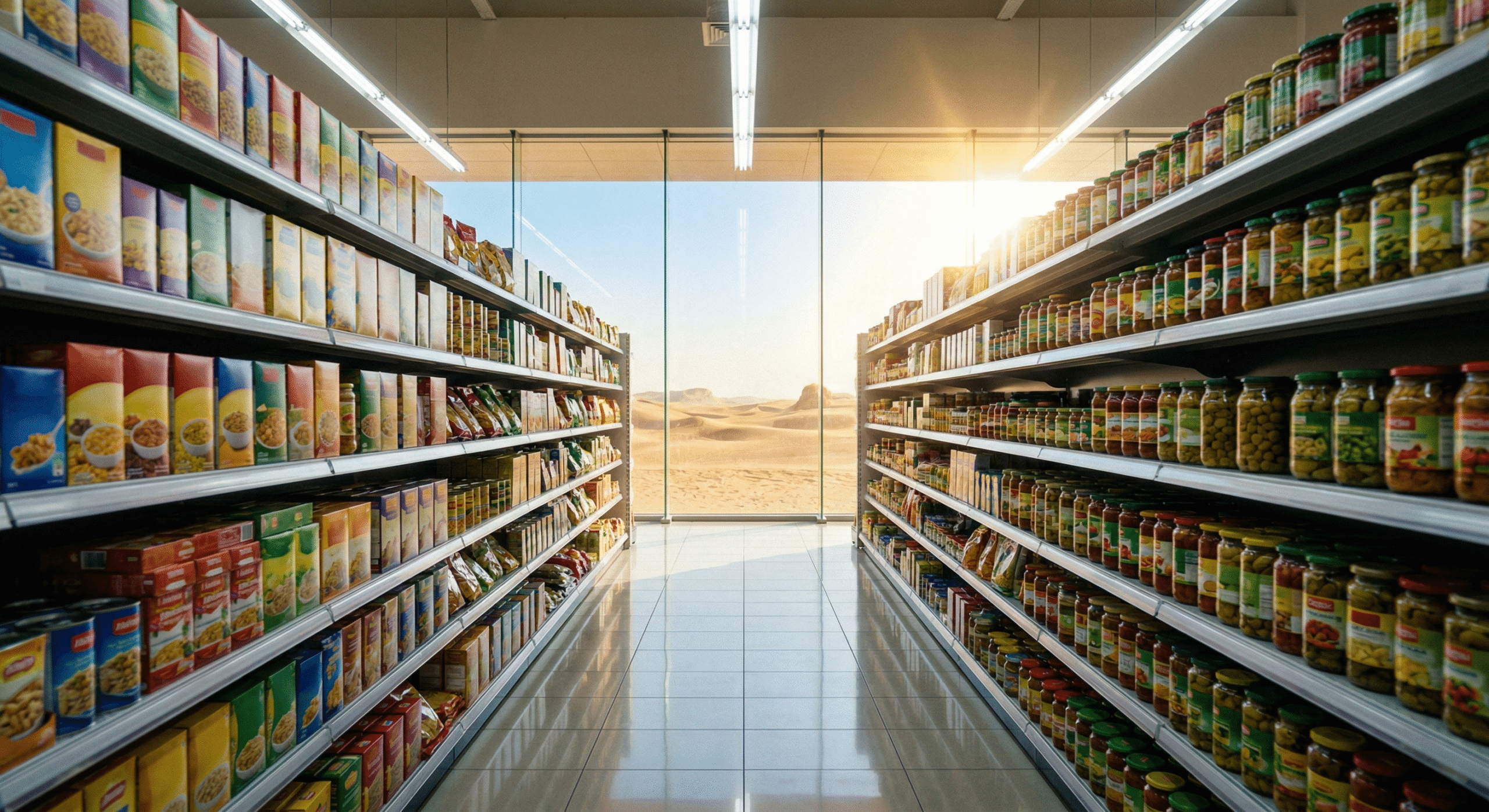
The staples you buy every week are the end result of supply chains stretching across multiple continents, managed by traders, shippers, and importers working in markets most consumers never see.
The food on your plate has already traveled further than most people ever will.
Sources: Tradologie, FAO, Wiley Online Library, Lord Agro Trade, Worlds Top Exports, Wto, TradeImeX , Export Genius, Economic Research Service