
The Future of Global Protein: A Strategic Overview
1: Market Dynamics and Growth
The global protein market is changing, driven by the need for sustainability, increased health awareness, and global food security.
The market is expected to grow from $23.45 billion in 2024 to $42.35 billion by 2032.
Compound Annual Growth Rate (CAGR) of 7.67%.
2: The Emergence of Alternative Proteins
While traditional animal protein remains prevalent, the fastest growth and innovation occur in the alternative protein sector.
Plant-Based: This is the most developed area, using sources like soy and pea. Projections suggest plant-based alternatives could capture 25% of the global meat market by 2040.
Fermentation: This process uses microorganisms to produce high-value biomass or specific functional proteins, such as animal-free whey.
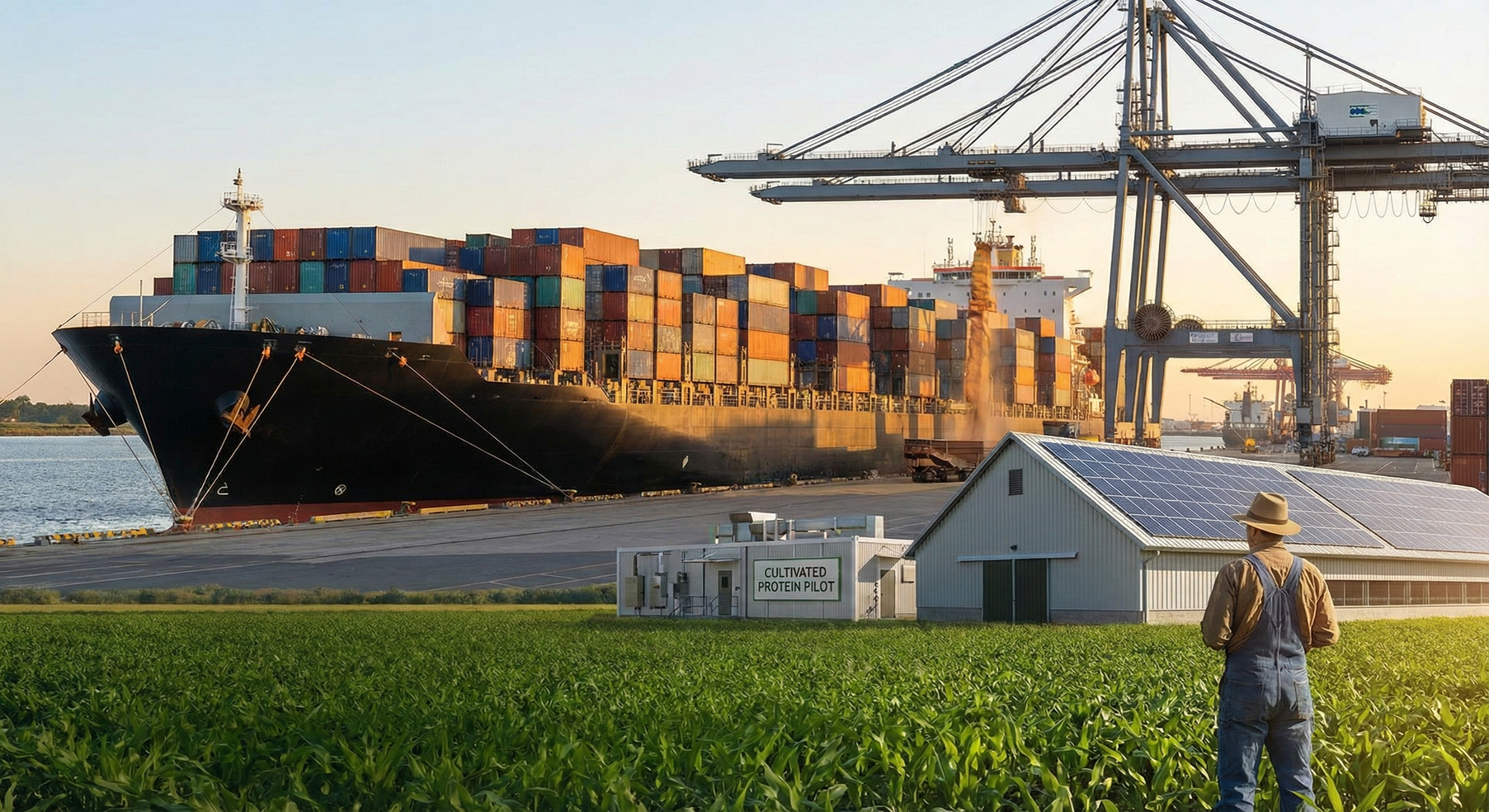
Cultivated (Cell-Based): This involves growing real animal meat directly from cells. Forecasts indicate this technology could make up 35% of all meat consumed by 2040.
3: Impact on Traditional Protein Sources
The rise of alternative proteins is causing a significant market shift and prompting necessary changes within the traditional sector.
Estimates suggest alternatives could capture between 11% and over 60% of the meat market by 2040, requiring a major diversification of protein options.
The expected resource efficiency of alternative proteins is likely to reduce their cost, putting financial pressure on traditional producers. However, eggs and chicken still hold a strong cost advantage as affordable staples.
The main result of this transition is that consumers will have more options, influenced by health, sustainability, and price.
4: Industry Response and Adaptation
Traditional protein sectors are responding strategically to maintain stability and profitability.
There is a shift towards premium products that offer higher intrinsic value, such as certified animal welfare or organic labelling. Consumers are willing to pay more for these items.
Innovation and Investment: Major companies are investing in their own alternative (plant-based or hybrid) products and are focusing on improving internal operations.
5: The Critical Role of the Food Supply Chain
The changing protein landscape requires food suppliers to be essential solution partners. -> what does this mean? to adapt quickly — integrating alternative sources while ensuring quality, traceability, and sustainability.
ASAFI's Role: ASAFI is taking on this responsibility. Our aim is to provide clients with a reliable and diverse high-quality protein portfolio that meets today’s consumer demands.
6: The Takeaway: Shaping a Sustainable Protein Future
The protein market is entering a new era.
By 2040, up to 60% of global protein could come from alternative sources — yet true progress depends on integration, not replacement.
Sustainable growth will come from:
- Diversifying protein sources to balance nutrition, affordability, and impact
- Empowering local producers through skills and access to markets
- Building long-term resilience into food systems and portfolios
At ASAFI, we’re strengthening the global food chain by aligning sustainable production with real market demand.