Regional or Global FMCG Brands: Which Do GCC Consumers Prefer Today
The retail landscape across the Gulf (GCC) is Changing. While international brands once dominated the market, regional companies are now winning over more shoppers.
In 2025 and 2026, data from Saudi Arabia and the United Arab Emirates shows a clear trend, people are choosing products made inside the country. This change stems from a mix of cultural identity, reliable supply chains, and national pride.
The Growth of Regional FMCG Brands
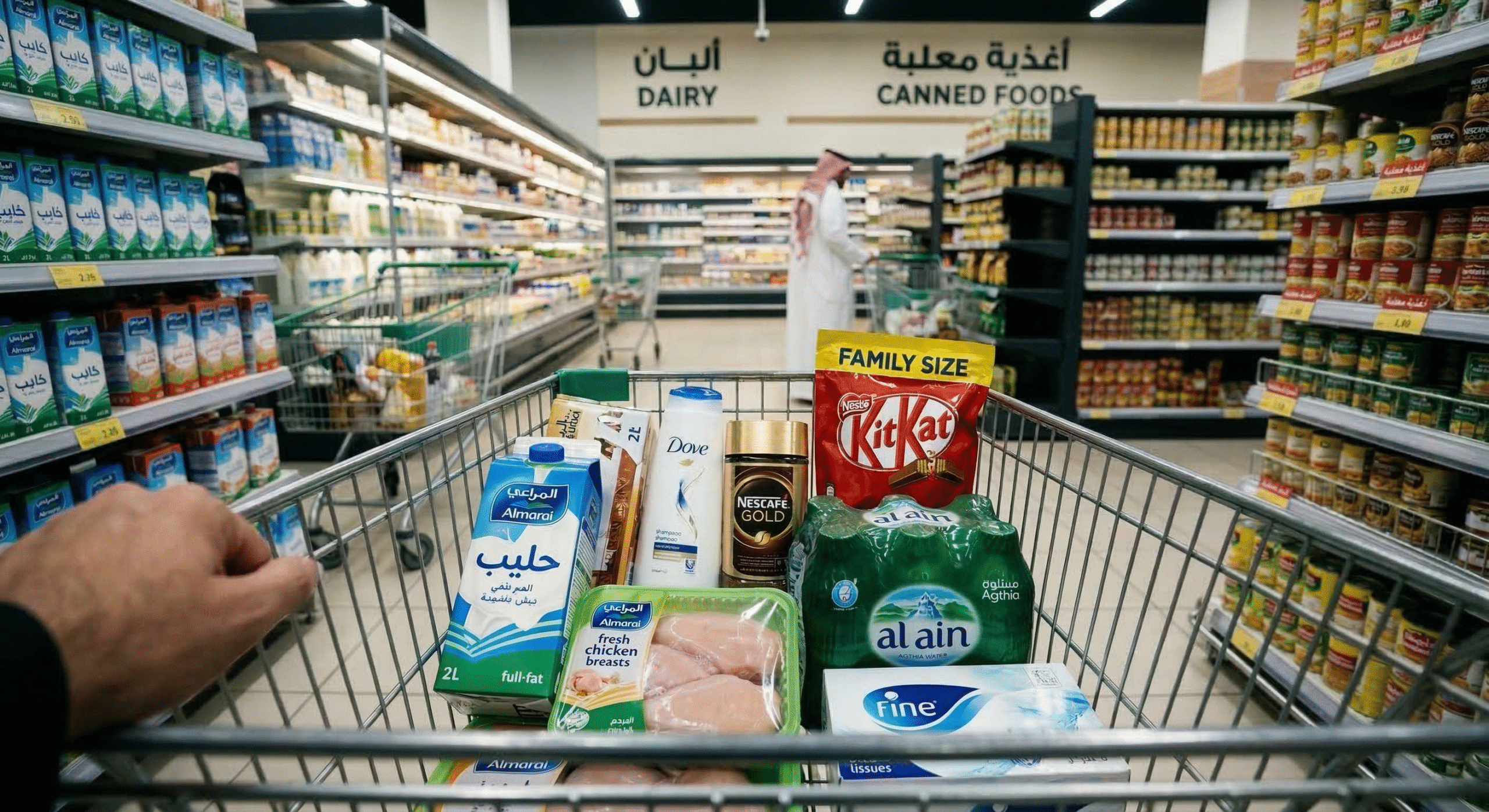
Local brands have evolved from being "budget options" to becoming market leaders. Almarai is a primary example of this success. By early 2026, the company reached a market value of $11.2 billion. Its 2025 revenue hit $5.88 billion, largely due to its 29% share of the fresh poultry market.
Similarly, the UAE-based Agthia Group saw its Al Ain Water brand become a billion-dirham label. These companies succeed because they control their entire production process. When global shipping faced delays in 2024 and 2025, regional brands kept their products on the shelves, building deep trust with consumers.
Consumer Trends by the Numbers (2025-2026)
The following table shows how shoppers in the region currently view local goods:
| Shopping Metric | Saudi Arabia (KSA) | United Arab Emirates (UAE) |
| Satisfaction with local products | 85% | 88% |
| Willingness to pay more for quality | 71% | 72% |
| Buying store-brand products | 79% | 66% |
| Focus on getting the best value | 51% | 53% |
Three Reasons for the Move Toward Local Brands
Three main factors drive the current preference for regional products in the Gulf.
1. Cultural Connection
Regional companies understand local tastes better than global corporations. Whether it is the specific flavor of a snack or the freshness of dairy, local products match the heritage of the region. Recent studies show that 30% of GCC shoppers prioritize food that aligns with their traditions.
2. National Pride and Food Security
Government programs like Saudi Vision 2030 and Made in the UAE have encouraged people to support their own economies. Buying local is now seen as a way to improve food security and reduce environmental impact. In 2025, 75% of consumers said they prefer goods produced within the region.
3. Quality at a Fair Price
With living costs rising for about half the population, regional brands offer a balance of quality and price. They provide the high standards people expect from global names but at a price that fits a daily budget. This is especially true in the UAE, where shoppers look for high-value, homegrown items.
How Global Brands Are Responding
International companies are adapting to these changes by "localizing" their work. Large firms like Nestlé and Unilever have built more factories in Dubai and Saudi Arabia. This allows them to use "locally made" labels and get products to stores faster. They are also changing their marketing to focus more on local values and community support.
The Future of Shopping in the GCC
The choice for GCC consumers is no longer just about "local vs. global." It is about which brand feels more authentic and reliable. As we move through 2026, regional brands will likely stay ahead in fresh food and drinks. Global brands will need to work harder to show they truly understand the local culture and provide real value.
As the balance between global influence and regional identity continues to shift, ASAFI finds that the most meaningful insights often come from the personal reasons why certain brands have earned a permanent spot in the daily lives of families across the Gulf.