How Can Governments Reduce Animal Protein Import Reliance in 2026
When governments look at food security, the focus is usually on the animals. If a country raises its own cattle and poultry, the assumption is that the food supply is safe. But there is a massive blind spot in this thinking.
If you raise 100% of your livestock at home but import 80% of the grain needed to feed them, you aren't truly secure. You are just assembling the final product locally while the foundation relies on someone else.
As we head into 2026, relying on global supply chains has become risky. Between changing weather patterns and shifting trade relationships, the old way of doing things is becoming fragile. This brief looks at three practical ways policymakers can protect their national food supply by focusing on what actually matters: the feed.
1. The Hidden Risk: Relying on Imported Feed
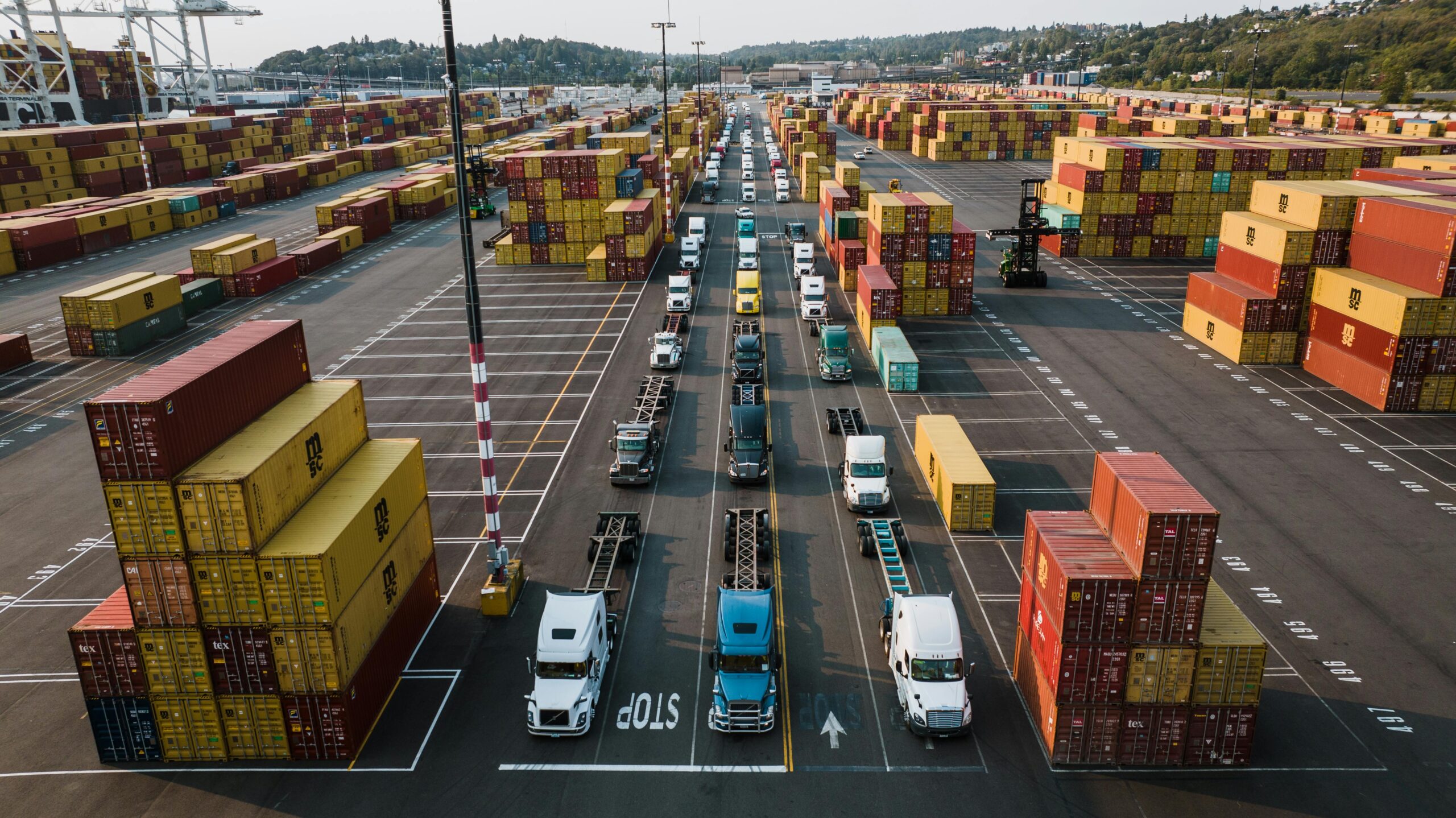
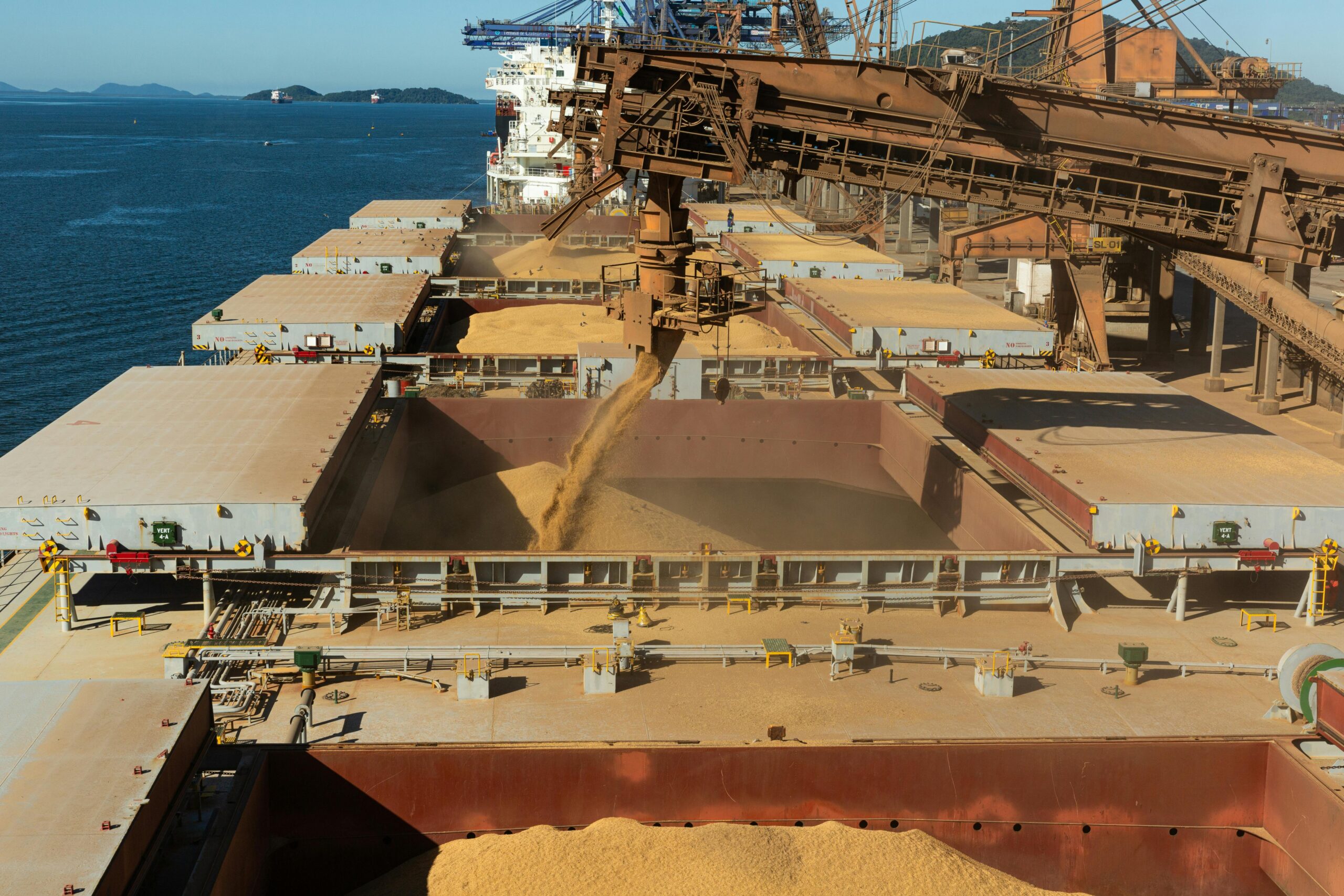
To understand the risk, we have to look at the "feed gap." This is the difference between what a country’s livestock eats and what the country actually grows. When you import feed, you are effectively relying on another nation's water and land.
Recent numbers show just how widespread this issue is:
- China: Even with a huge push for local farming, they still had to import a record 105 million metric tons of soybeans in 2024 just to keep their livestock fed.
- Europe: The EU is in a similar boat, bringing in nearly 25 million tonnes of oilseed meal.
- United States: We saw in 2025 how quickly trade routes can change. When exports between major partners dip, countries that rely on a single source for feed are left vulnerable
2. Trade Rules: Leveling the Playing Field
One of the most effective tools a government has is trade policy. Specifically, we are seeing more nations use "mirror clauses."
Simply put, a mirror clause says: "If you want to sell food to us, you have to follow the same rules our farmers follow."
This is crucial for fairness. If your local farmers are required to follow strict animal welfare or environmental standards, their costs go up. If you then allow cheap imports from countries with lower standards, your local farmers can't compete. They go out of business, and you lose your domestic production capacity.
- Real-world example: In late 2025, France put a hold on parts of the EU-Mercosur trade deal. The reason was simple: the imported poultry didn't meet the antibiotic standards required of French farmers.
- The Goal: These rules stop local farmers from being undercut and ensure the national food system remains economically viable.
3. Finding Feed Sources Closer to Home
To be truly secure, we need to stop relying so heavily on soy and corn shipped from halfway across the world. The solution is to find feed ingredients that can be sourced locally.
Here is where Agriculture Ministries are focusing their efforts for 2026:
- Alternative Crops: Giving farmers incentives to grow crops like lupins, field peas, and fava beans. These grow well in many climates and can replace imported soy in animal feed.
- Using What We Have: Updating regulations to safely use food waste and insect protein (like black soldier fly larvae) in animal feed. It turns a waste problem into a food solution.
4. New Technology as an Insurance Policy
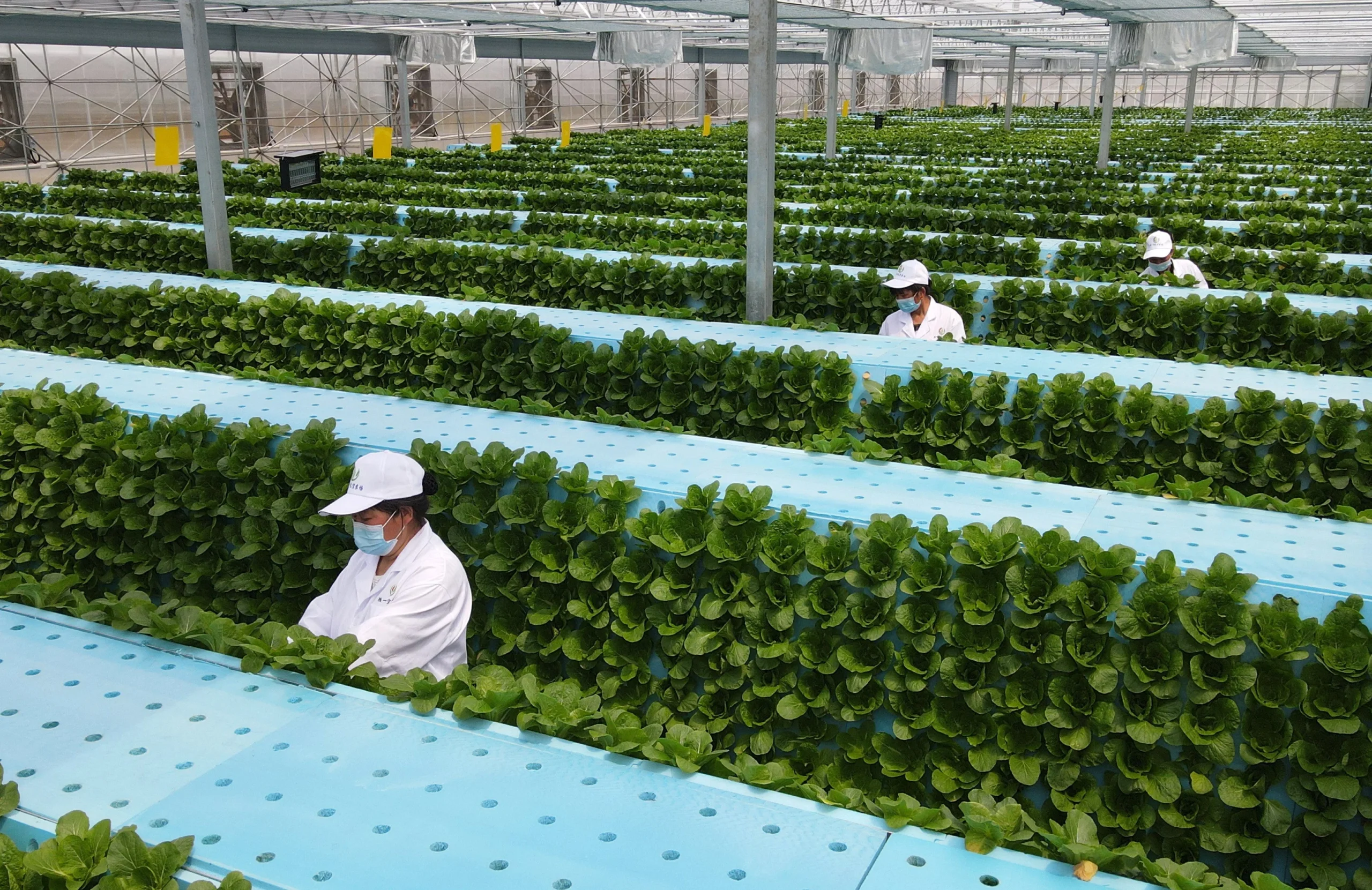
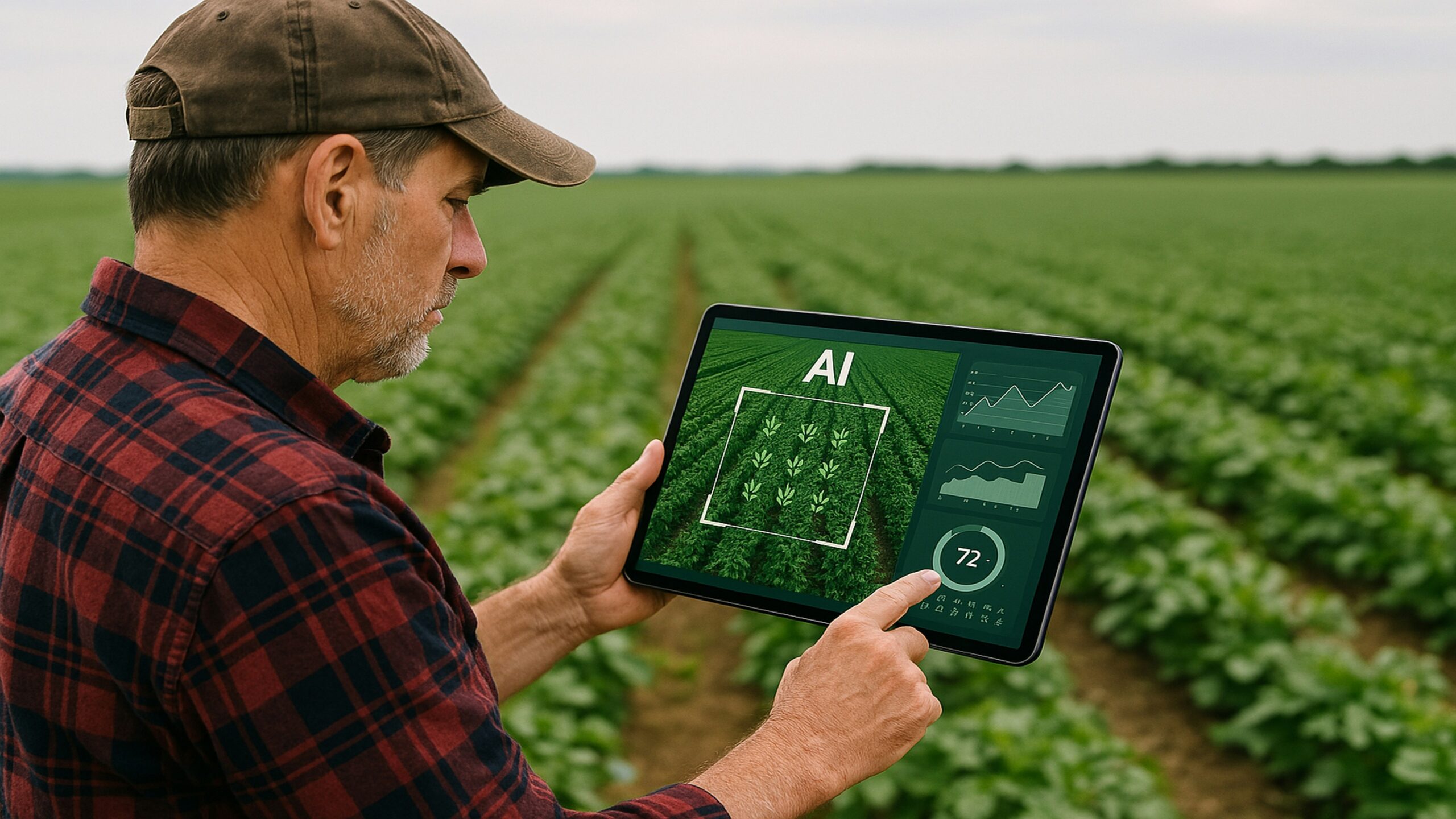
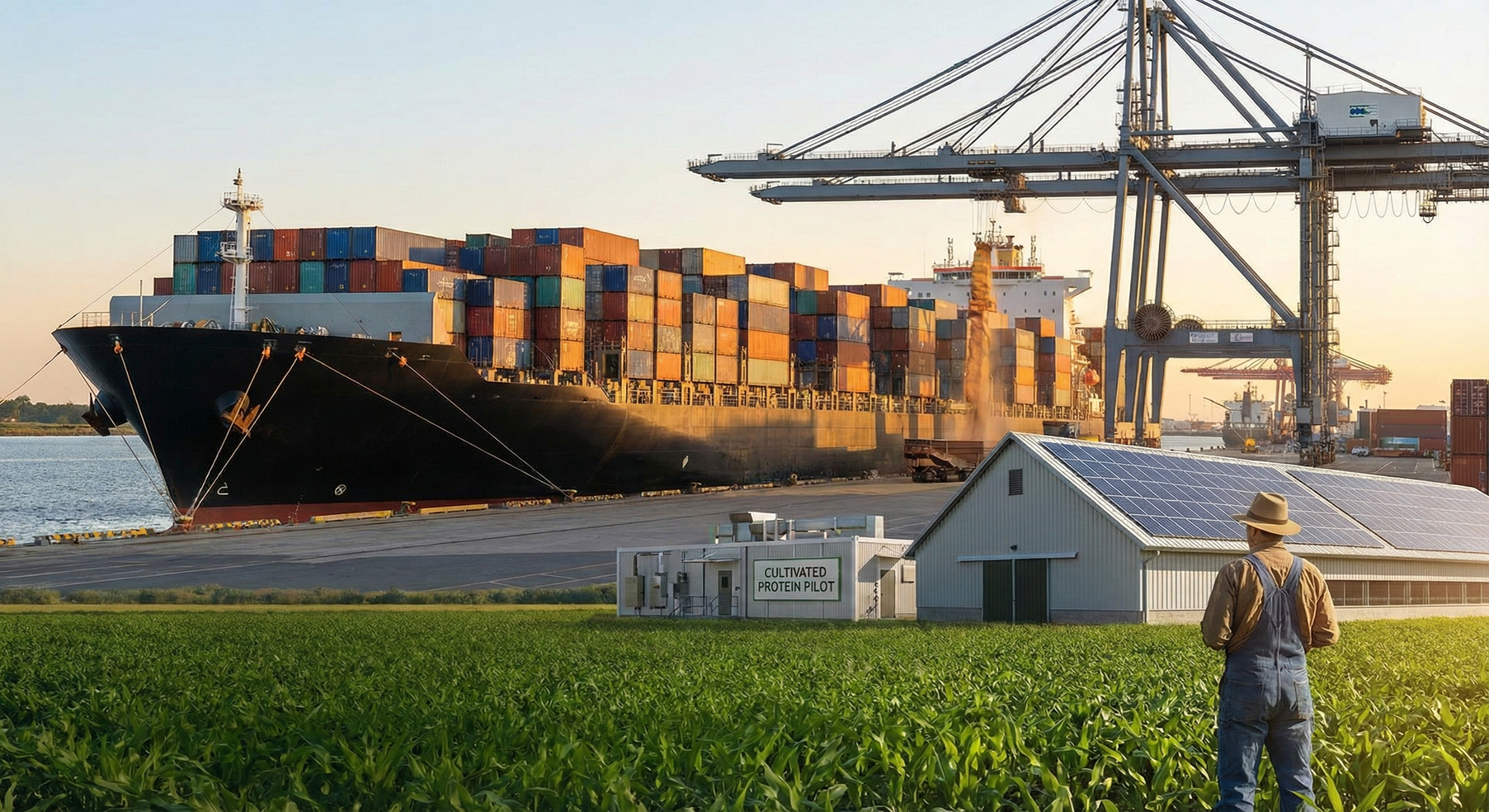
Finally, we need to look at technology not as "hype," but as an insurance policy. Methods like aquaculture (fish farming) and cultivated meat (grown from cells) allow us to produce protein without needing vast amounts of arable land or imported grain.
- What South Korea is doing: They recently set up a special zone where companies can test and sell cell-cultured meat without the usual red tape. They put $14.4 million into this project in 2025.
- Why it matters: This creates a food source that doesn't depend on good weather or foreign harvests. It’s a backup plan that keeps running even during a drought.
Conclusion: What to Do Next
Real food security isn't just about counting heads of cattle. It is about controlling the inputs—the feed, the trade rules, and the technology. By fixing the feed gap and protecting local farmers from unfair competition, governments can build a system that stands strong against global shocks.
Recommended Next Steps:
- Review your country's "import dependency" ratio for animal feed.
- Look at upcoming trade deals to see if "mirror clauses" can be added to protect your farmers.