Logistics Crises in happening right now, Which products should you expect to pay more for?
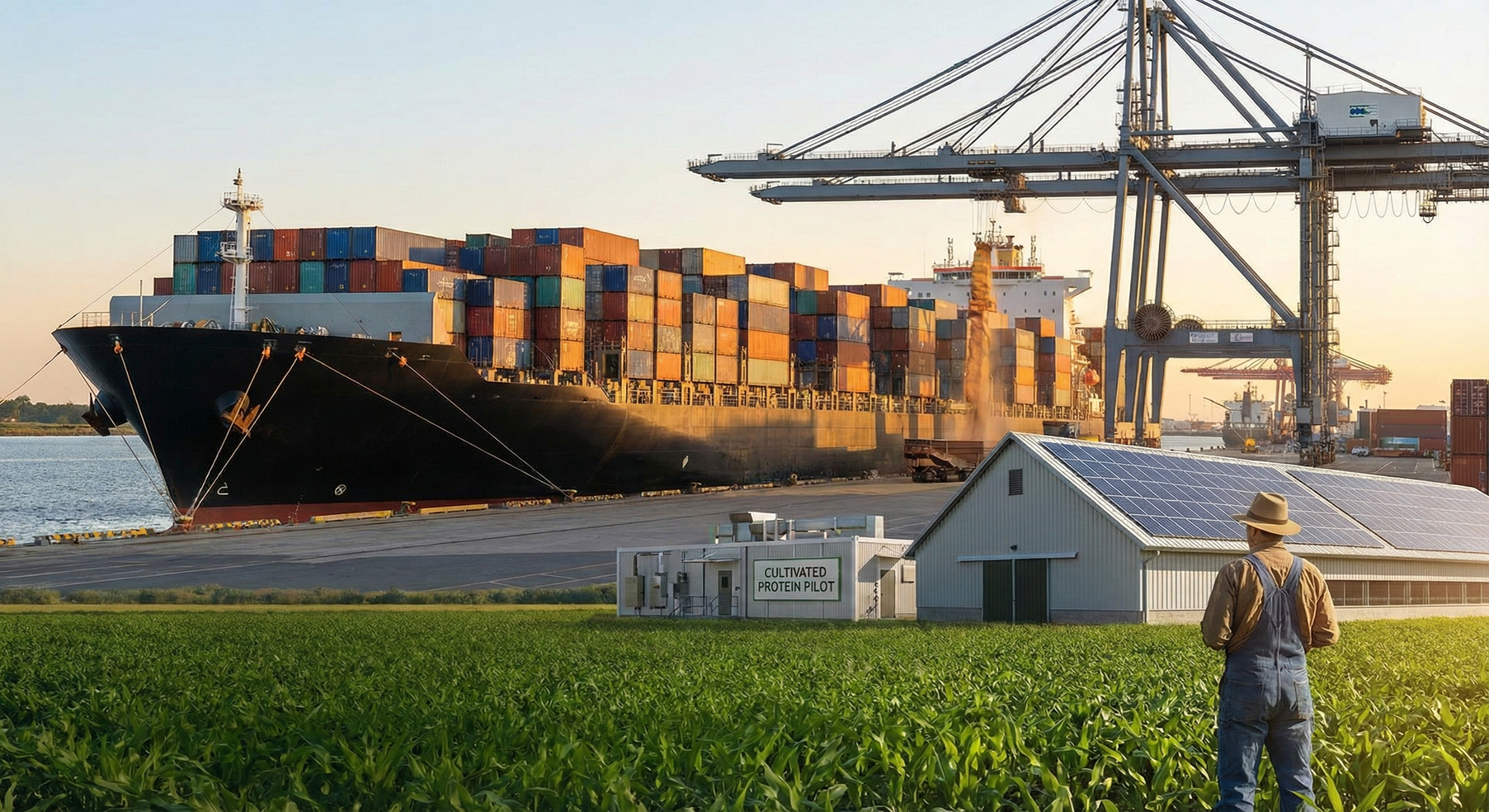
The global supply chain has entered a dangerous new phase. According to the IEA, the effective closure of the Strait of Hormuz has pushed Brent crude toward $140 per barrel. If you think only gas prices will go up, think again.
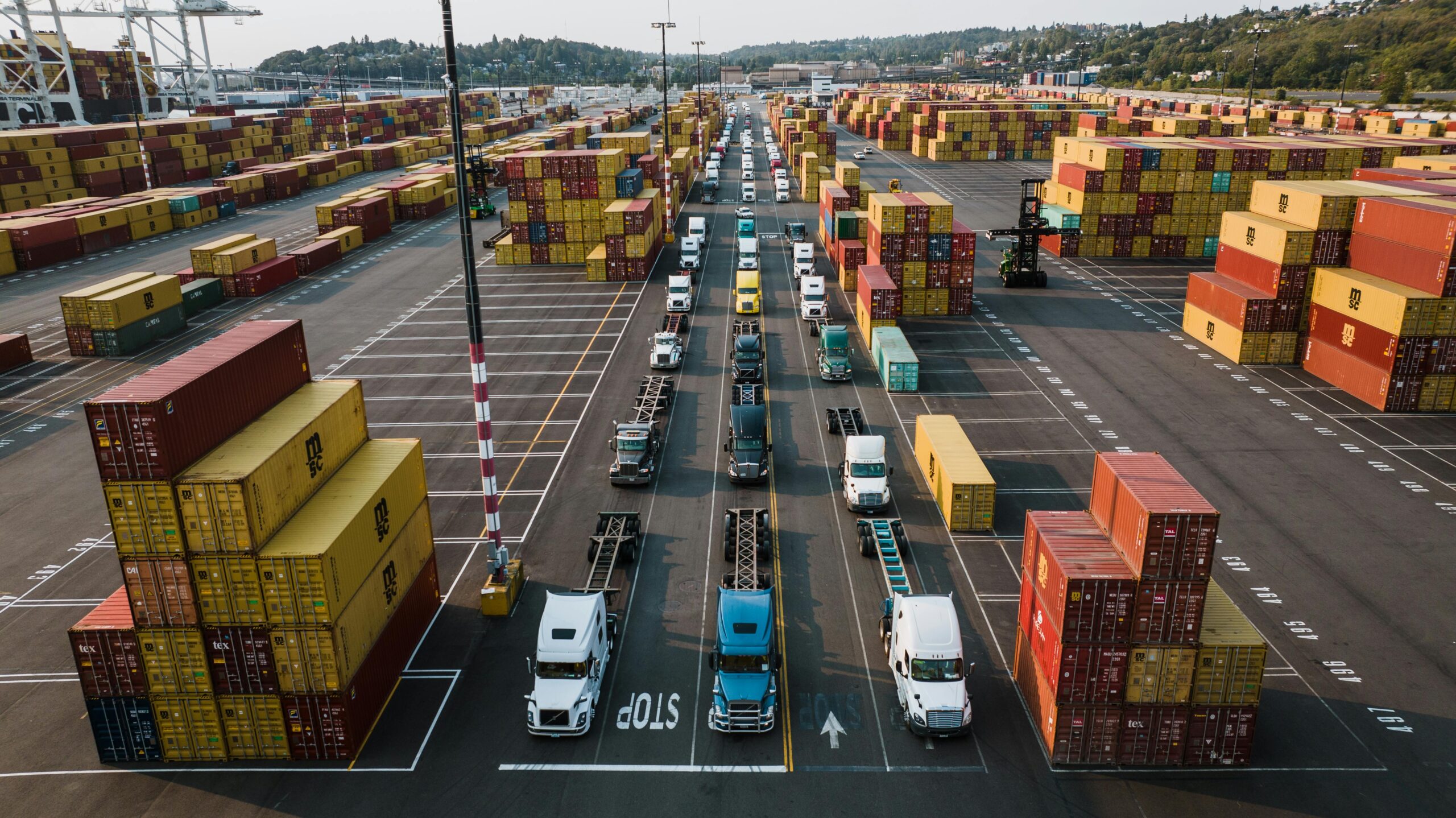
Major carriers are now rerouting vessels to avoid conflict zones. According to Reuters, this adds up to 14 days to standard transit times. It also adds millions of dollars in fuel and insurance premiums to every voyage. These costs are already beginning to filter down to the consumer level.
Products facing the highest increase.
The impact is not uniform across all sectors. You should expect to see the most significant changes in these categories.
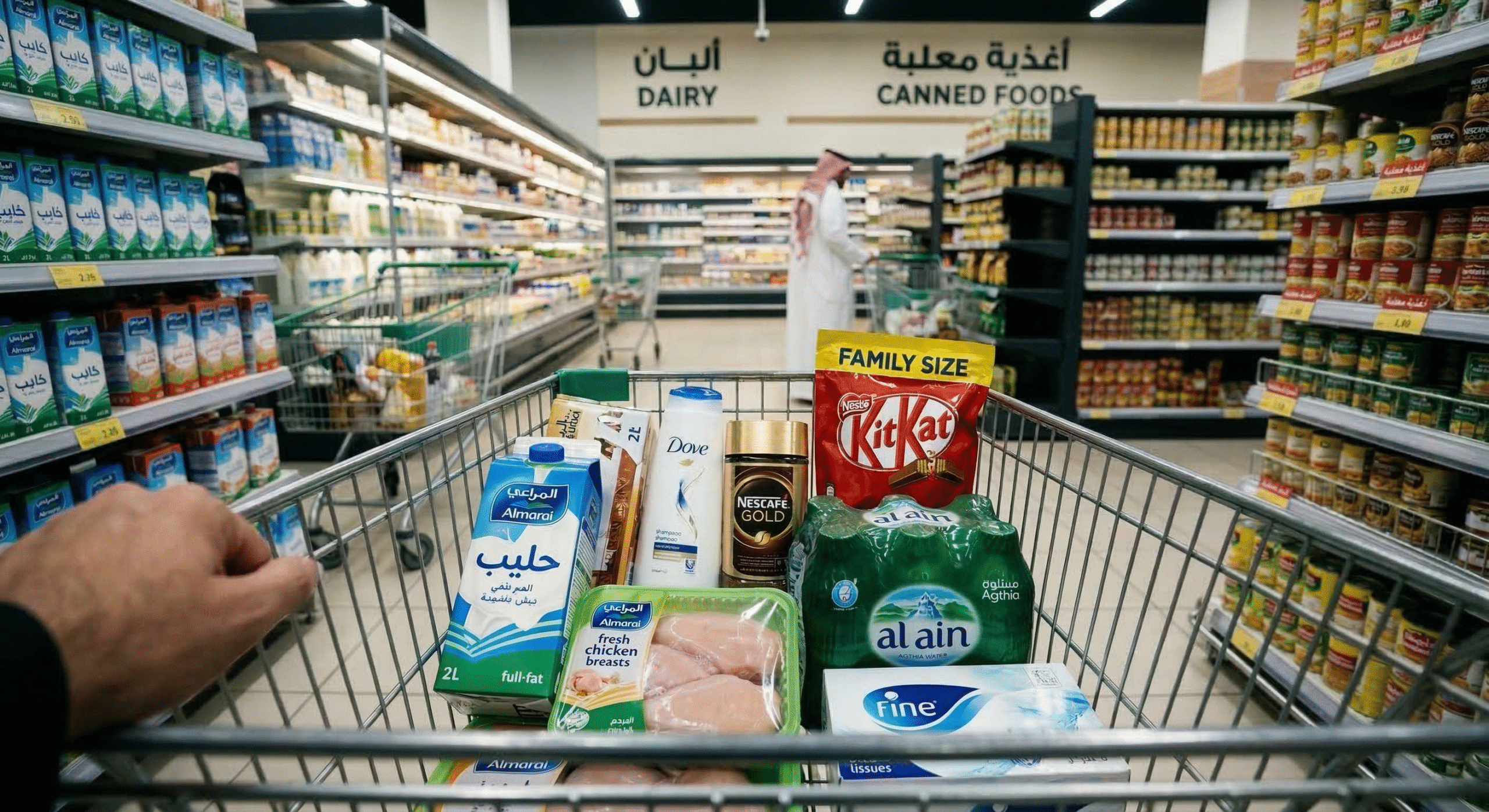
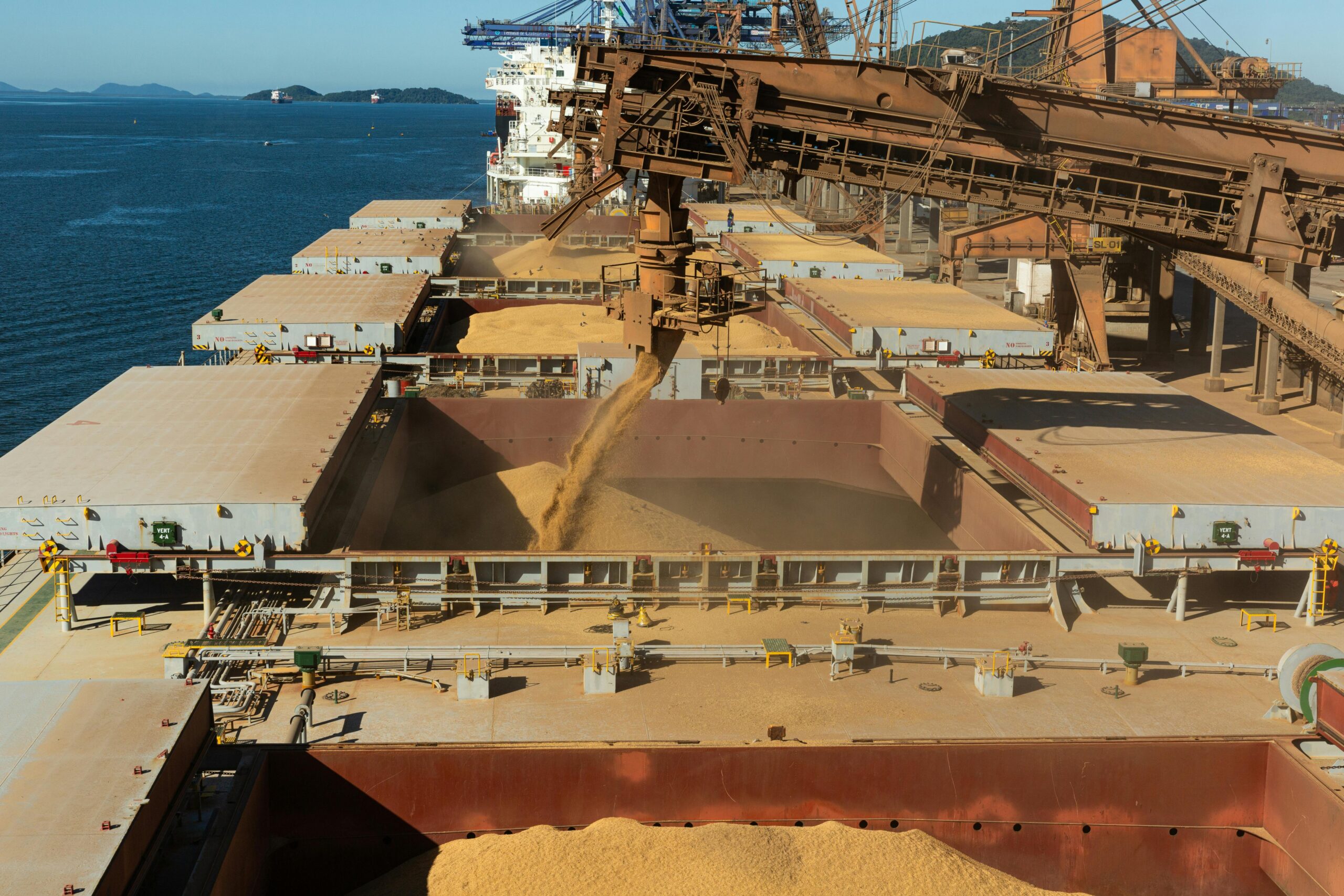
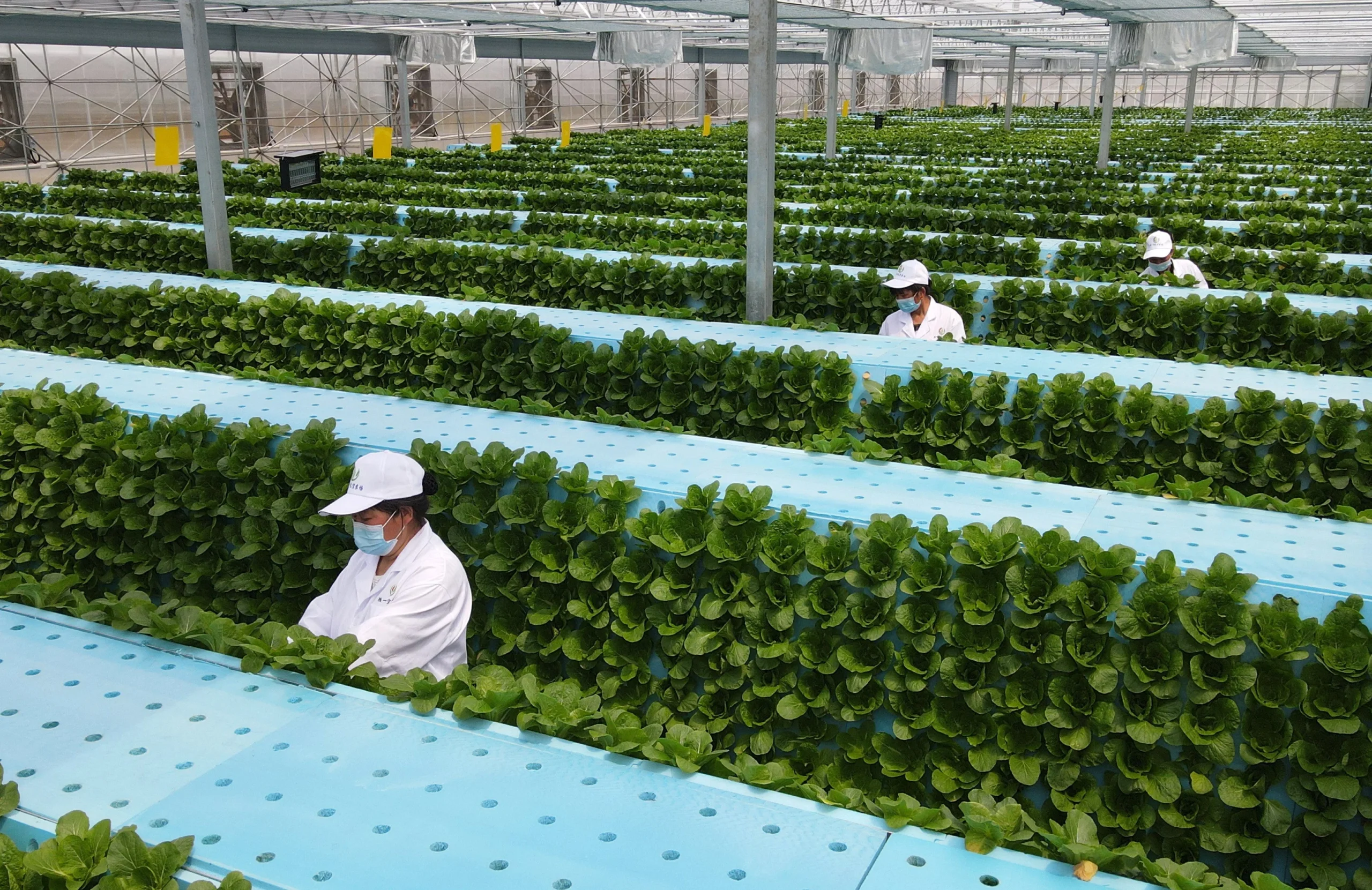
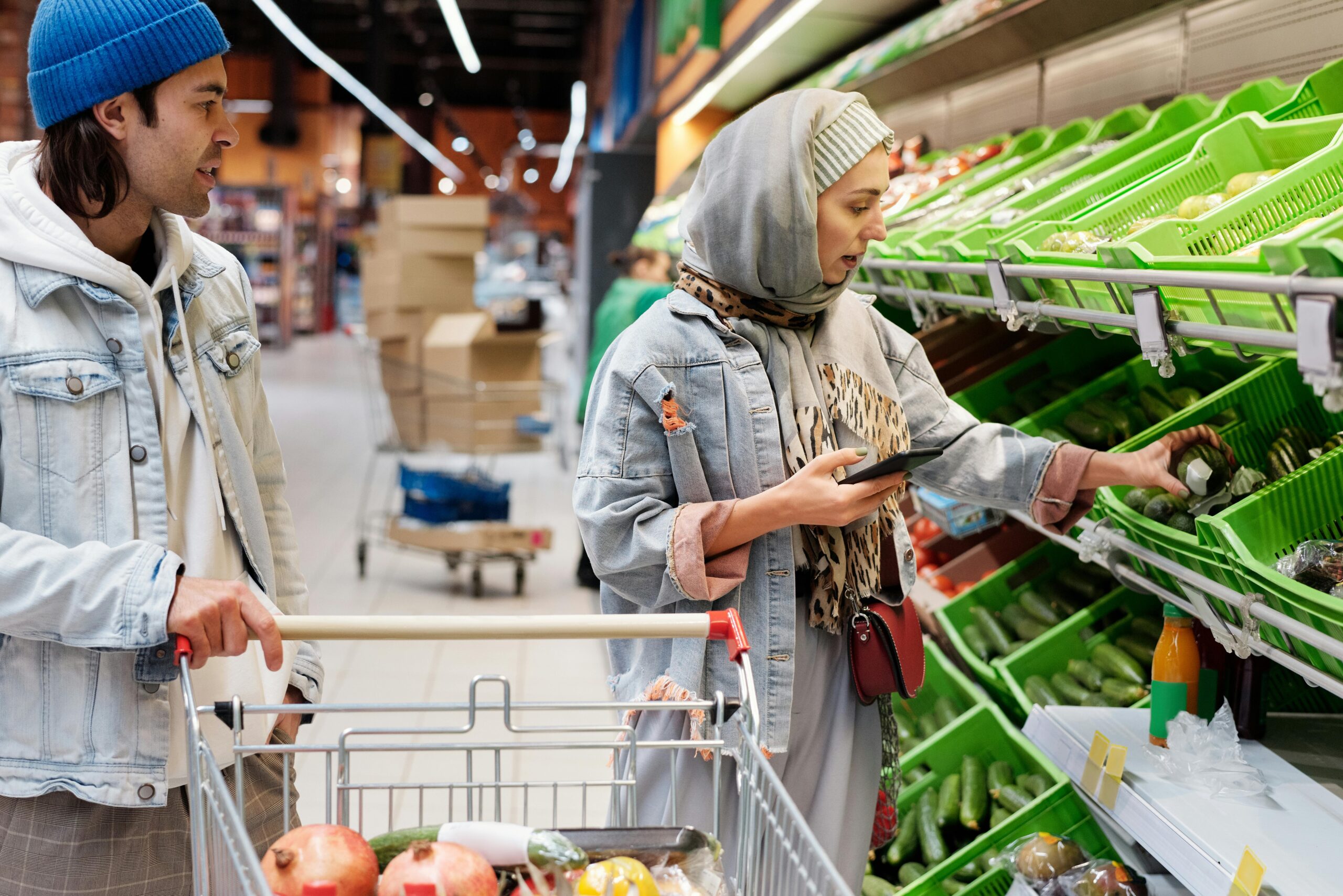
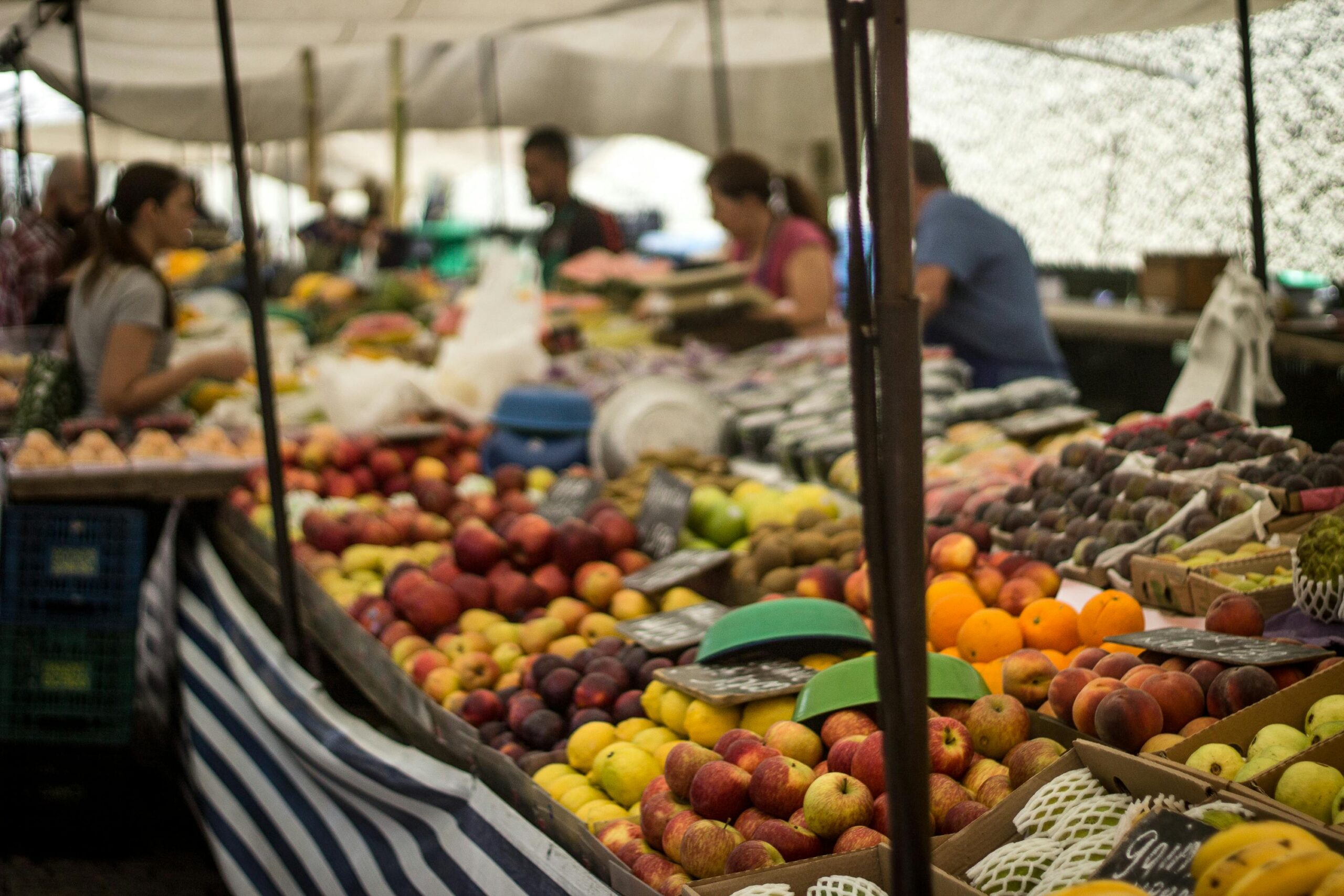
- Groceries and Meat: According to the U.S. Department of Agriculture, your weekly grocery bill is projected to rise by at least 2.3% this quarter.
- Consumer Electronics: According to Counterpoint Research, smartphone and computer prices are expected to rise by 7% through the middle of the year. A shortage of memory chips and a 400% spike in air freight rates for high-tech components are the primary drivers.
- Apparel and Fashion: According to McKinsey, 71% of fashion executives are currently planning price increases of 5% or more to protect their margins.
- Medicine and Essentials: According to the World Food Program, the conflict is disrupting the movement of temperature-controlled pharmaceutical supplies. If a product relies on a "just-in-time" delivery model, you should prepare for delays of three to four weeks.
Which products will probably disappear
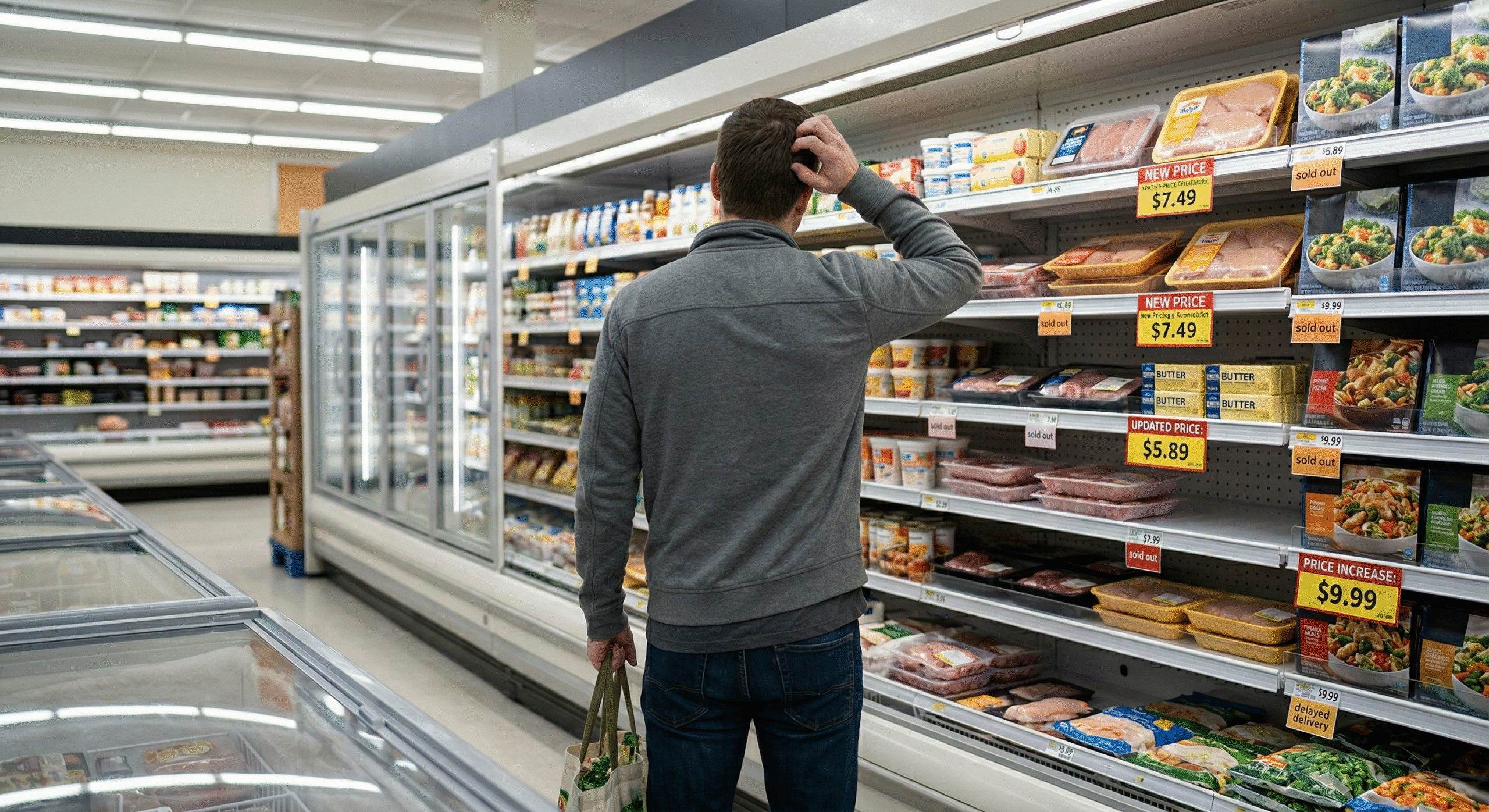
It is no longer just about the price. According to the Chartered Institute of Procurement and Supply, we are seeing a critical shortage of the steel used for cans and the plastic films used for food packaging. This means specific brands of canned goods or packaged snacks may simply vanish from the shelves for weeks at a time.
Protecting your budget in 2026 starts with identifying which disruptions are temporary and which represent the new baseline for global trade.
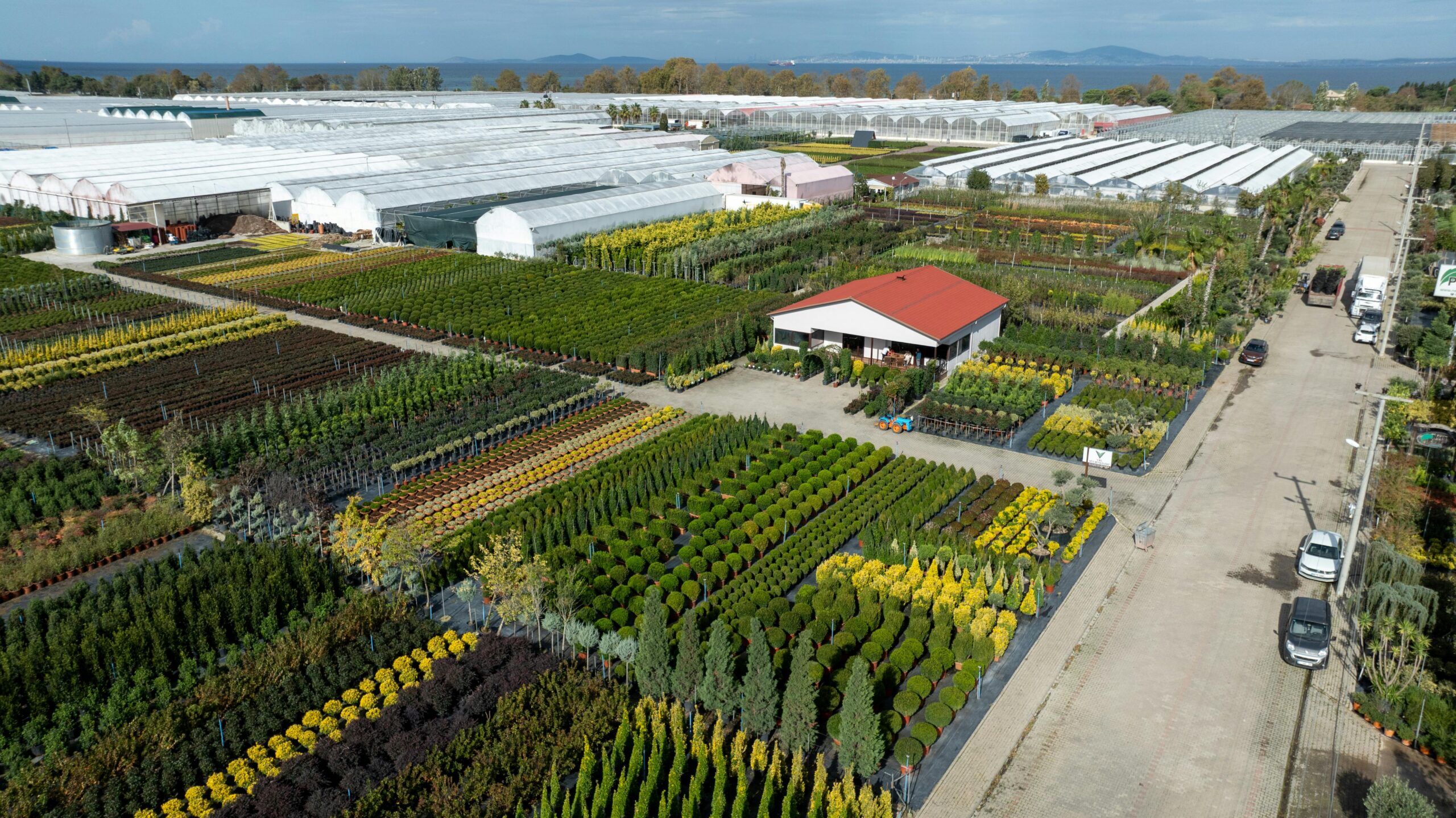
Finding a reliable local supplier has never been more critical for those looking to bypass these global bottlenecks.