Food Security in the GCC: How Dependent Is the Region on Imported Food, and What Happens If Supply Stops?
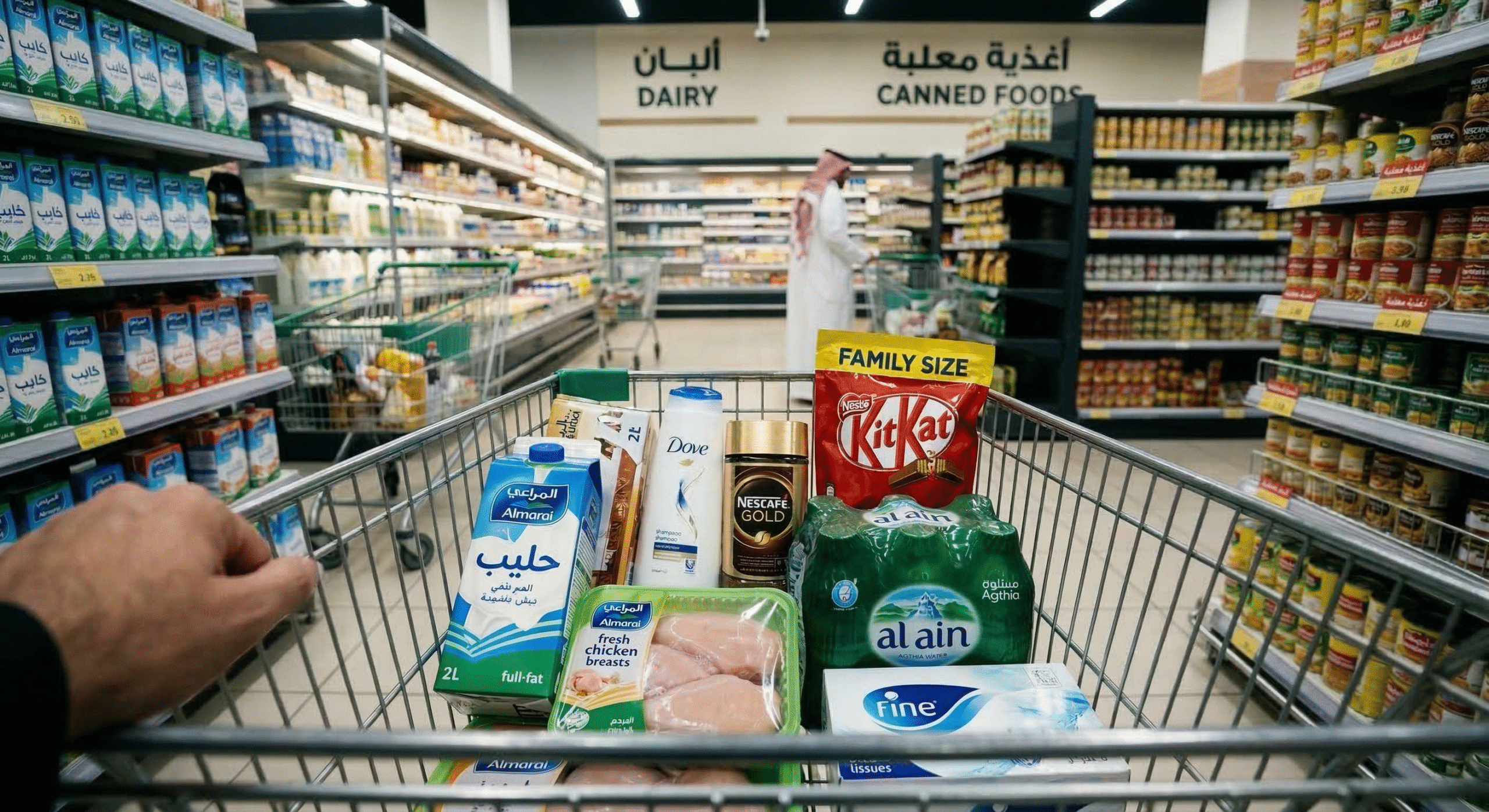
GCC countries import about 85% of their food. Rice imports make up virtually all domestic consumption. Cereals run at around 93% imported. Meat sits at 62%, vegetables at 56%. The money to buy all of this has never been the problem. The problem is everything else: geography, climate, chokepoints, and the terrifying fragility of the supply chains that hold this system together.
The question of what happens when GCC food supply gets cut off has moved from policy paper to lived reality.
Why the GCC Cannot Feed Itself
Start with the basics. The Gulf Cooperation Council includes Bahrain, Kuwait, Oman, Qatar, Saudi Arabia, and the UAE. Together they cover roughly 2.7 million square kilometers. The overwhelming majority of that land is desert.
The Gulf is heating at twice the global average. Climate change has forced the region to address desertification, water scarcity and biodiversity loss, problems layered on top of the region's pre-existing reality of scarce arable land and limited freshwater.
What makes domestic food production nearly impossible?
Water. Modern agriculture demands enormous quantities of freshwater. The GCC has almost none. Gulf countries desalinate most of their drinking water, and this process is very expensive.
Soil. Desert sand does not grow wheat. The region's soils are largely infertile, saline, and poorly structured for conventional agriculture without enormous inputs of fertilizers, water, and management.
Heat. Outdoor farming in Gulf summer temperatures is physically destructive to most crops. Growing seasons are short, yields are low, and the energy cost of cooling controlled environments is enormous.
Biggest Imported Products
The 85% figure tells a story at the macro level, but the commodity breakdown reveals how deep the exposure goes.
| Food Category | Share Imported |
|---|---|
| Rice | ~100% |
| Cereals (all types) | 90–93% |
| Meat | ~62% |
| Vegetables | ~56% |
| Edible oils | High, with local refining of raw imports |
| Dairy | Historically high, improving in some states |
The GCC region is a significant poultry market, receiving over 9.4% of world poultry exports by value in 2022, with Saudi Arabia taking 38.4% and the UAE taking 34.8% of that total.
A Geography Problem.
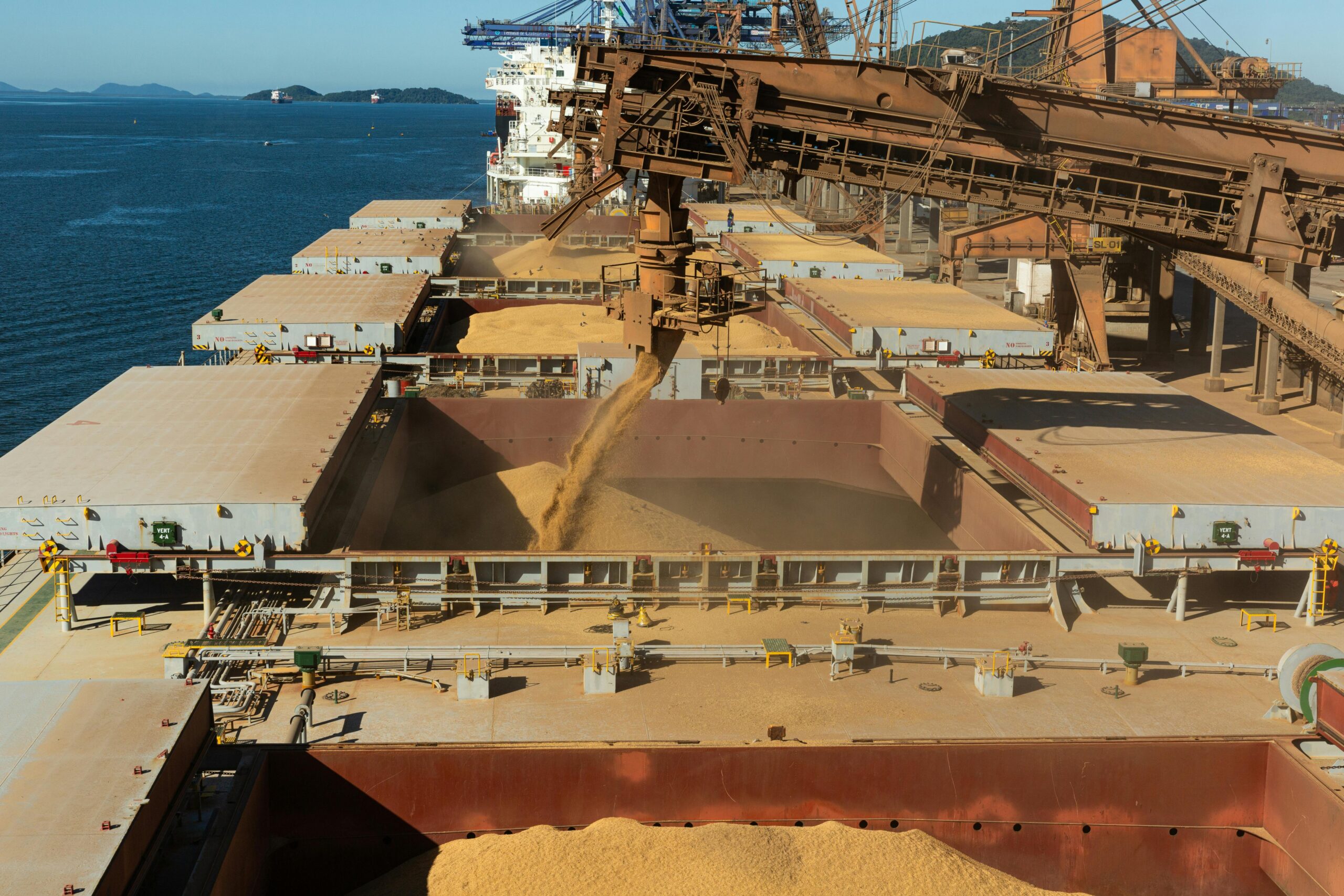
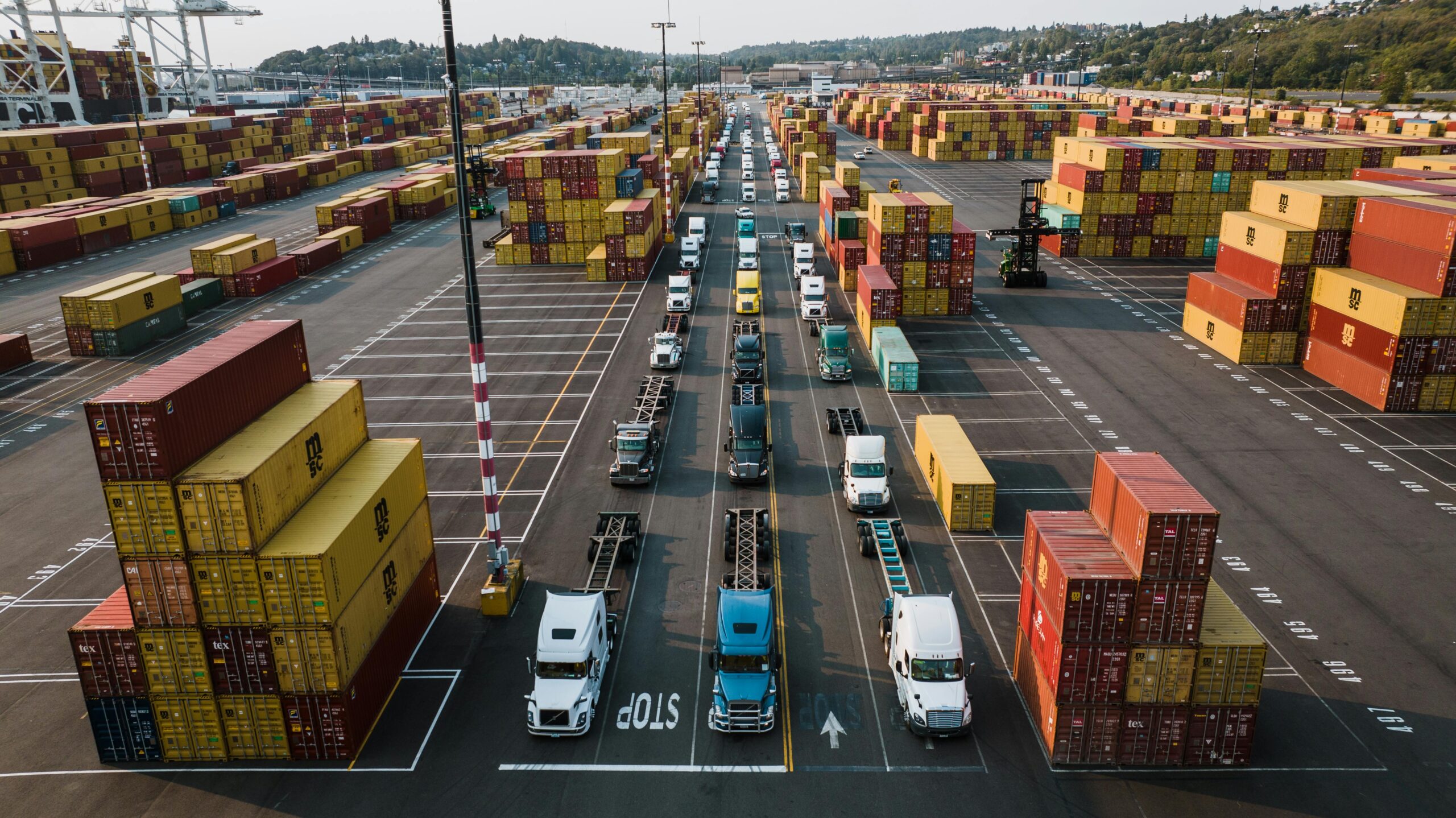
GCC food imports from the wider world mean freight often must pass through three of the world's most important maritime shipping chokepoints: the Bab al-Mandab Strait, the Strait of Hormuz, and the Suez Canal.
Approximately 39% of the GCC's wheat and coarse grains imports from the Americas, Europe, and the Black Sea traverse the Bab al-Mandab Strait, while 35% pass through the Strait of Hormuz. The Strait of Hormuz handles 81% of the GCC's rice imports, predominantly arriving from India.
Read those numbers again. More than three quarters of the GCC's rice supply travels through a strait that is 21 nautical miles wide at its narrowest point, flanked by Iran on one side and Oman on the other.
Roughly 70% of the food consumed in Bahrain, Kuwait, Qatar, the UAE, Saudi Arabia, and Iraq moves through the Strait of Hormuz. With a combined population of about 100 million, replacing disrupted imports would require moving approximately 191.3 million pounds of food into the region every single day.
What Actually Happens When Supply Stops:
- Qatar Blockade 2017
In June 2017, Saudi Arabia, the UAE, Bahrain, and Egypt severed diplomatic and trade ties with Qatar. They closed the land border and restricted access to airspace. Qatar, a peninsula with one land border and near-total import dependency, faced an acute food crisis almost immediately.
Before the blockade, Qatar was almost entirely dependent on imports for dairy, with 400 tones of milk and yoghurt arriving daily from Saudi Arabia alone. When that supply was cut overnight, Qatar responded by importing livestock from Europe and the US and rapidly establishing domestic farms, moving from roughly 10% local food production to nearly 30% within a few years.
Qatar survived the blockade because it had money, because the Strait of Hormuz remained open, and because it could fly in supplies and redirect sea freight. The country also had time to adapt. A sudden, complete maritime blockade would not offer those options.
The broader lesson from Qatar is this: financial wealth alone does not insulate a country from food insecurity when geopolitics cuts off the physical routes. You need varied local production, diversified import sources, and alternative logistics corridors. Most GCC states have only partially addressed any of these.
- The 2026 Hormuz Crisis
The current crisis traces back to February 28, 2026, when maritime traffic through the Strait of Hormuz collapsed by nearly 97% following a series of military strikes. Unlike previous energy-driven spikes, the 2026 blockade has left millions of tons of fertilizer physically stranded, with no viable pipeline or land-based alternatives capable of moving massive bulk volumes to international markets.
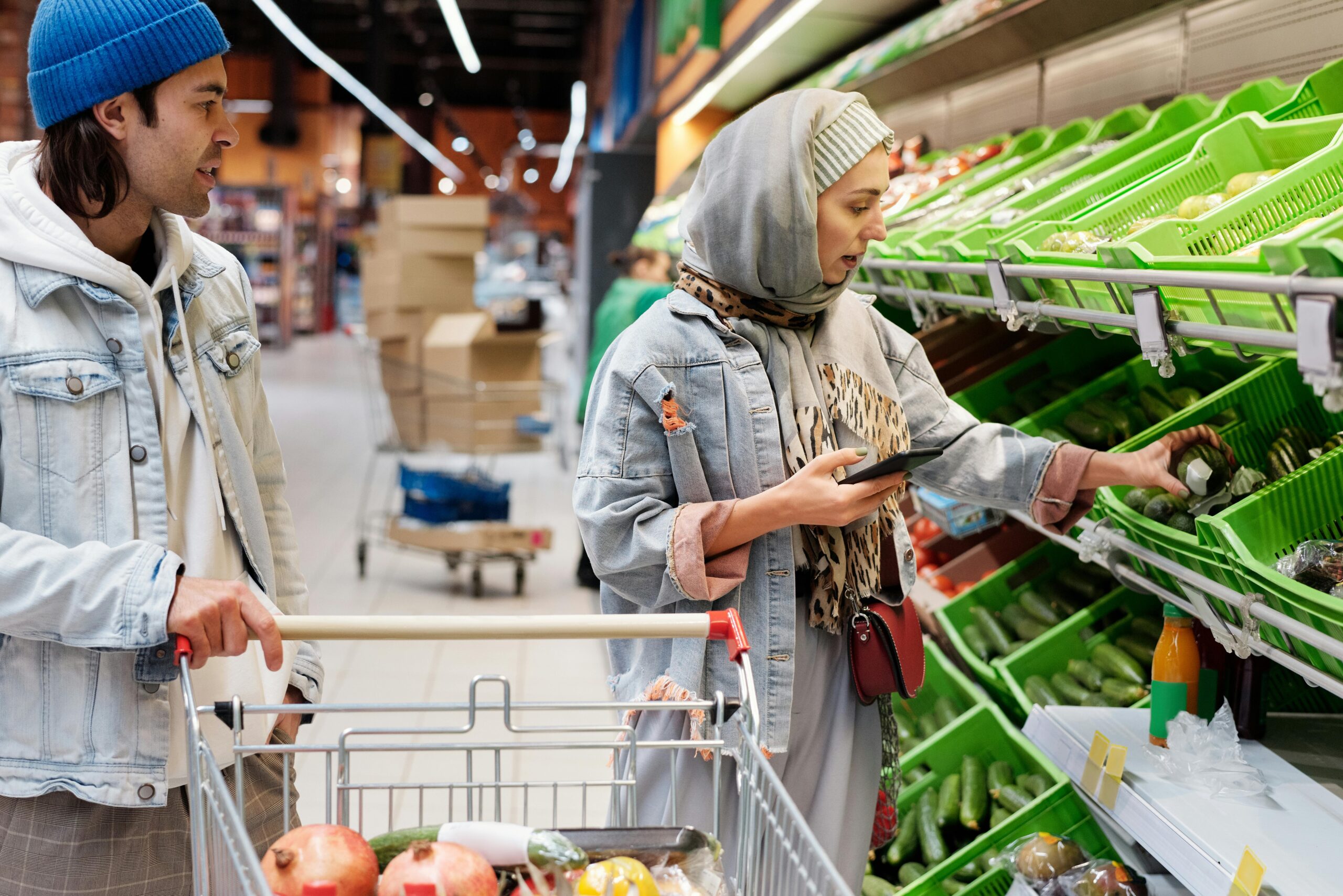
Consumers in the Gulf are already suffering the impacts of war on food shortages. In the UAE, shoppers have reported rising prices for fruits and vegetables amid disruptions linked to regional conflict. In Kuwait, local fish markets have been affected.
The Gulf is a key engine fueling the world's food production, supplying some of the world's largest exports of nitrogen fertilizers. If the hostilities in the Strait of Hormuz are prolonged, staple food products such as wheat, corn, bread, pasta, and potatoes at supermarkets globally could carry higher price tags.
Country by Country: Who Is Most Exposed?
Not all six GCC states face identical risk. Geography, port access, and investment levels create real differences.
| Country | Key Vulnerability | Key Advantage |
|---|---|---|
| Qatar | Single land border, all sea routes through Hormuz | Massive domestic investment post-2017, high food reserves |
| Kuwait | Deep inside the Gulf, no alternative sea access | High purchasing power, some overland routes through Saudi Arabia |
| Bahrain | Island nation, entirely dependent on Hormuz or Saudi land bridge | Strong financial buffers |
| UAE | Jebel Ali port trapped inside Hormuz | Fujairah silos outside Hormuz, strong logistics infrastructure |
| Oman | Ports sit outside Hormuz | Best-positioned for alternative routing in a crisis |
| Saudi Arabia | Red Sea access independent of Hormuz | Largest domestic agriculture base, Red Sea ports, largest reserves |
A Victim and a Supplier
The Gulf's dependence on food imports has a strange mirror image. The GCC also supplies roughly 43% of the world's seaborne fertilizer exports. A Hormuz closure does not just threaten what arrives on Gulf dinner tables. It threatens the nitrogen supply for crops grown in fields across South Asia, East Africa, and Latin America.
Urea prices jumped 30% within weeks of the current crisis. Countries that barely noticed the Gulf's food import problem started noticing very quickly when their own harvests faced higher input costs.
The GCC and the world are more tightly bound on food than either side usually acknowledges. That interdependence cuts both ways, and it matters for how seriously the international community treats disruptions in the strait.
The Bottom Line
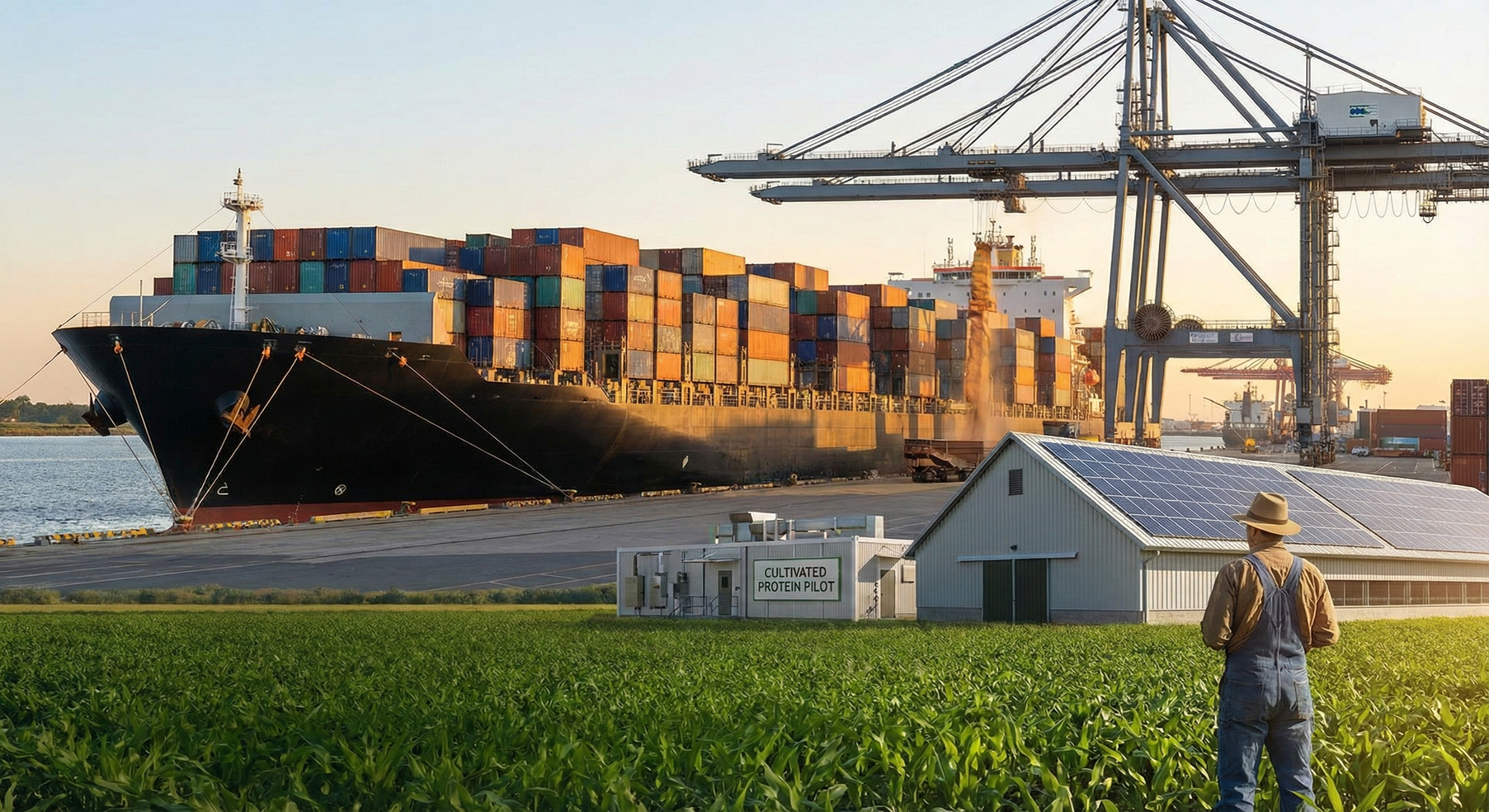
Wealth buys time. The Gulf has used that time to build real buffers. The grain silos, the alternative ports, the agritech investment, the diversified import corridors from Brazil to Southeast Asia — these are the right moves, and they are genuinely underway.
But 15% local food production is still 15% local food production. No amount of vertical farming changes the arithmetic of a region that needs to move millions of tonnes of food through contested waters every week just to feed itself.
The Strait of Hormuz is 21 miles wide. The GCC's food security lives or dies on the assumption that those miles stay open. Right now, that assumption is being tested. And the contingency plans, while better than they were a decade ago, were never built to cover a full closure.
That is the real story of food security in the Gulf. Not the wealth. The geography.
Sources: Strategy& PwC, RAND Corporation, IFPRI, World Economic Forum, CZ Advise, Kiel Institute, Arab News, Project Syndicate, Americans for Democracy and Human Rights in Bahrain.