
China Agriculture Business: Everything you Need to Know about the Dragon Market (2026)
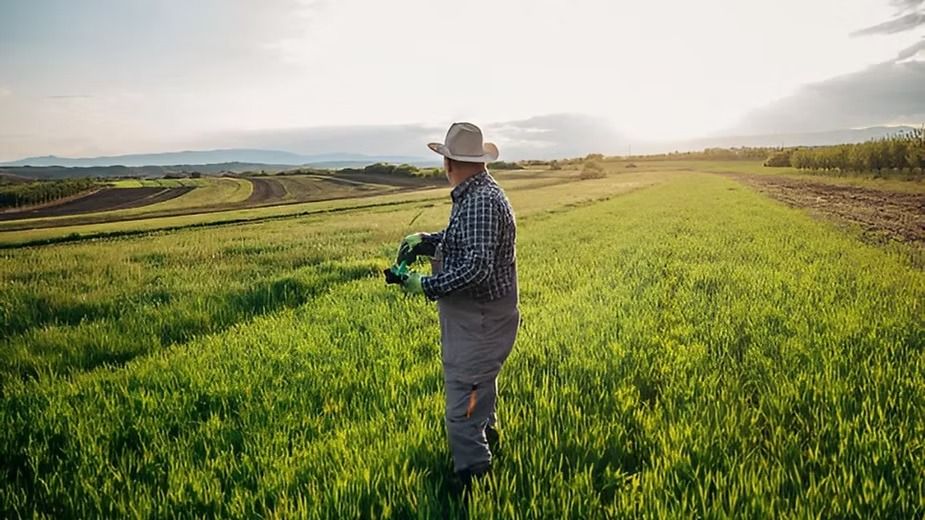
China possesses one of the largest and most complex agricultural sectors in the world. As of 2024, the nation feeds nearly 20% of the global population with less than 10% of the world's arable land. For international investors and agribusiness professionals, understanding the statistical landscape of this market is essential for strategic decision-making.
This overview provides a data-driven analysis of China’s agriculture industry, focusing on production volumes, import-export dynamics, and technological advancements.
Economic Contribution and Production Statistics
Agriculture remains a cornerstone of the Chinese economy. In 2024, the total value added of agriculture and related industries accounted for approximately 15.3% of the national GDP. The primary sector specifically grew by 3.5% in 2024, demonstrating steady resilience despite economic fluctuations.
The government places extreme importance on food security. This focus is evident in the grain production figures for the 2024-2025 period.
- Total Grain Output: China achieved a record grain output of 706.5 million metric tons in 2024. This represents an increase of 1.6% (about 11 million tons) compared to the previous year.
- Corn Production: Corn output reached a record 294.9 million tons, driven by a 1.2% increase in planted area.
- Rice and Wheat: Rice production remained stable at 207.5 million tons, while wheat output stood at 140.1 million tons.
These figures indicate that China is meeting its internal target of stabilizing grain output above 700 million tons to ensure national food security.
Import and Export Trade Dynamics
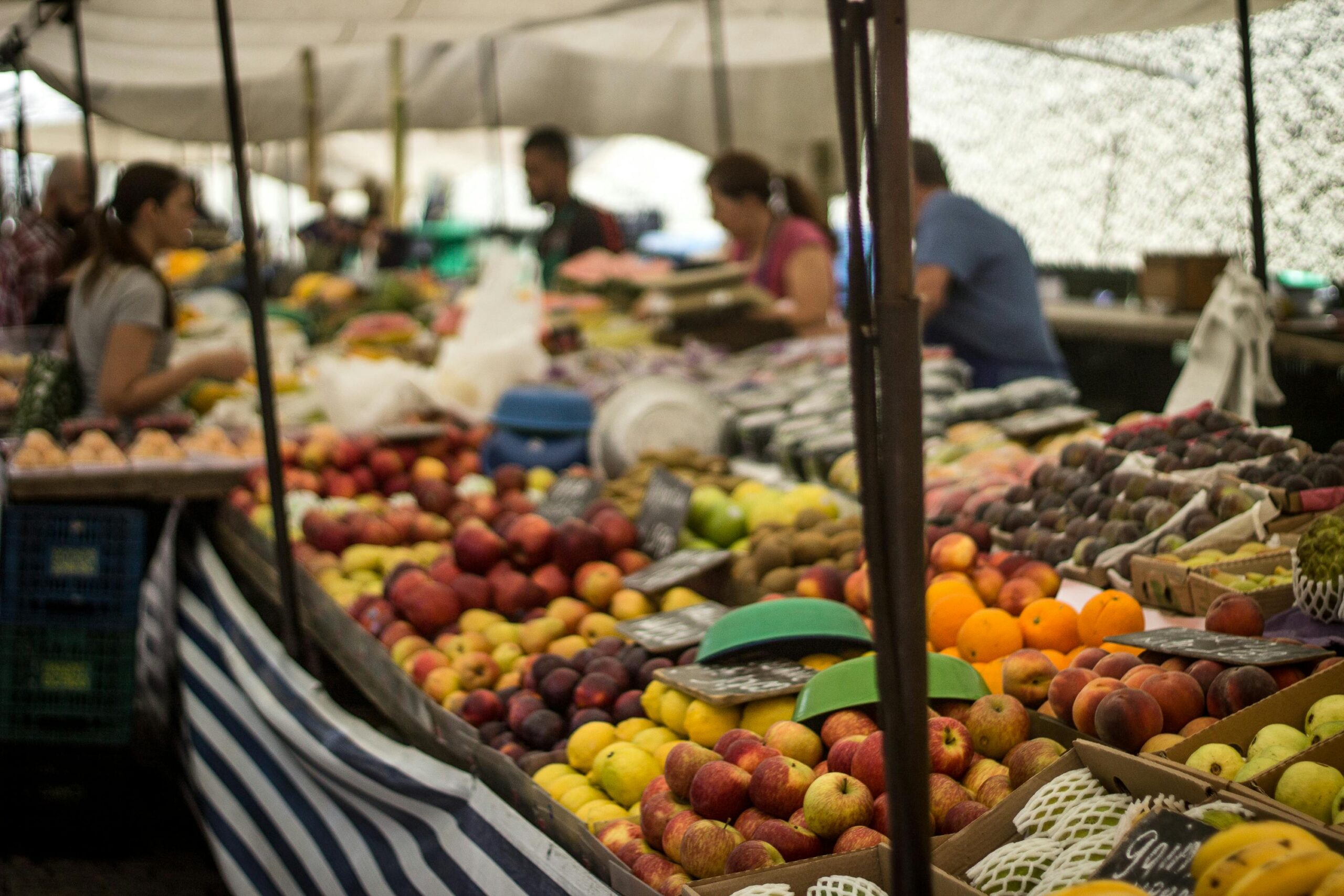
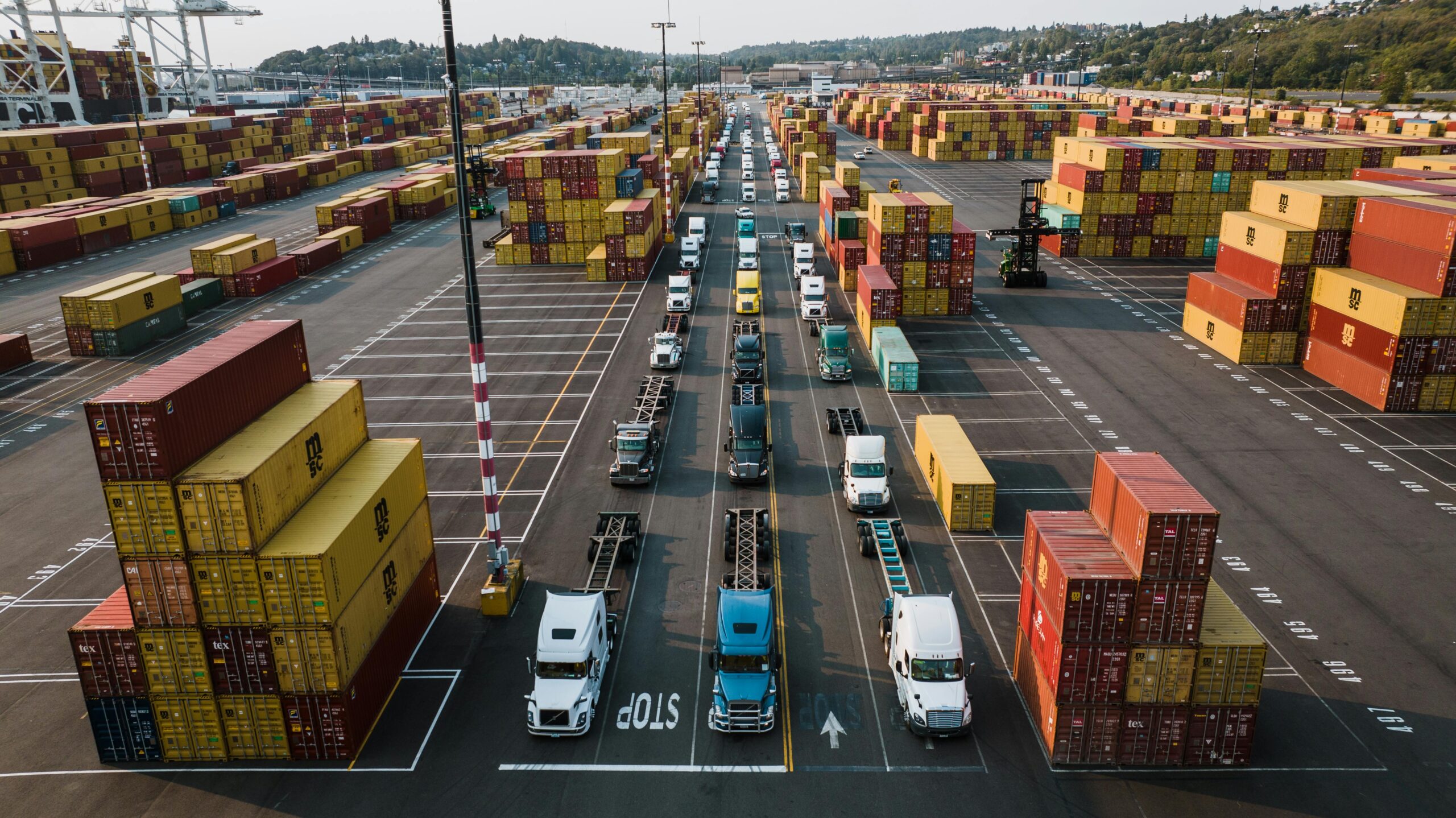
While domestic production is high, China remains a major player in global agricultural trade. In 2024, the total value of agricultural imports was $215 billion, a decrease of 7.9% from the previous year. Conversely, agricultural exports rose by 4.1% to reach $103 billion.
Key Import Commodities
China relies heavily on specific imports to support its livestock and manufacturing sectors.
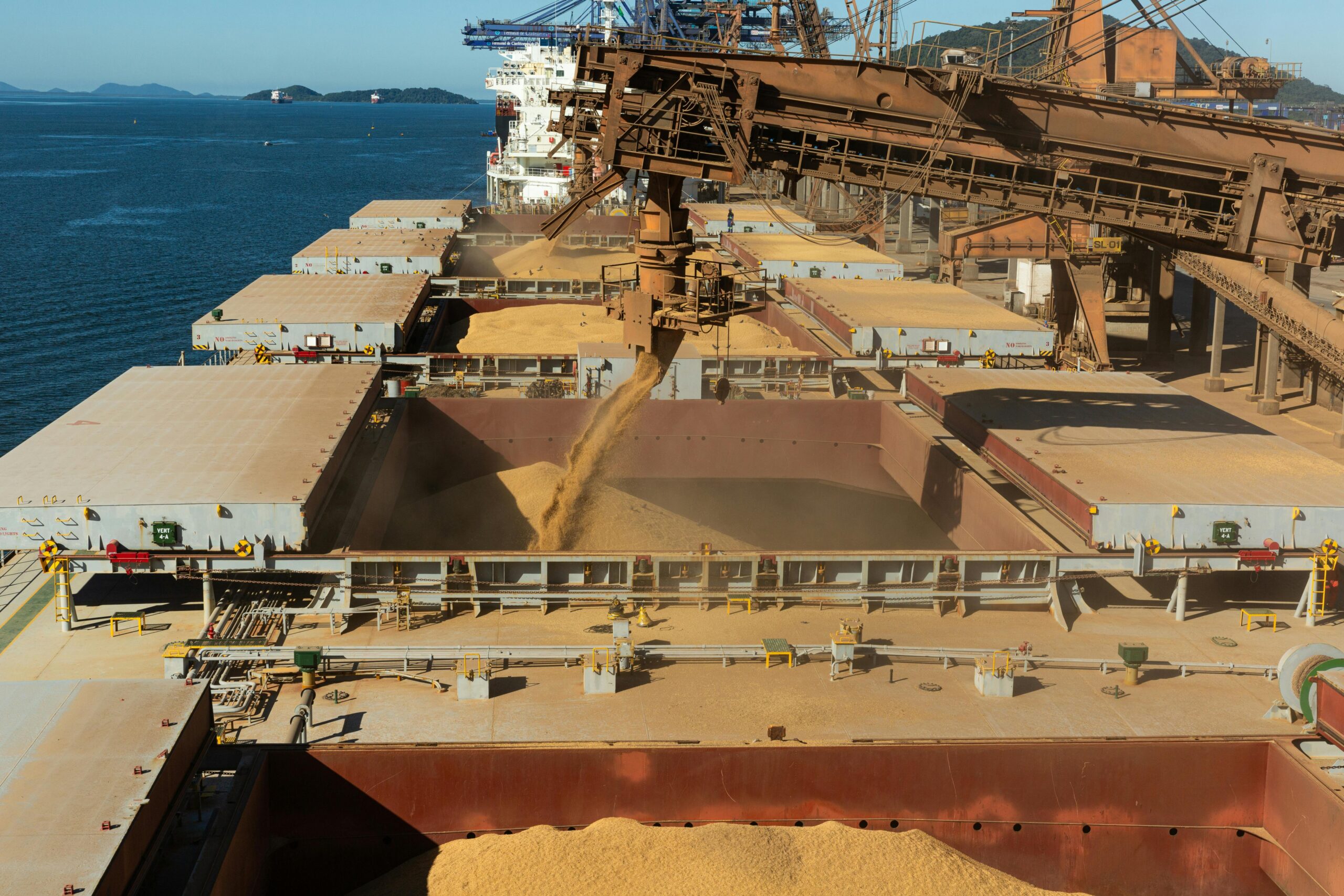
- Soybeans: This is the most critical import commodity. China imported a record 105 million metric tons of soybeans in 2024. This accounts for over 83% of the country's total soybean supply.
- Meat Products: Meat imports fell by 15.1% to $23.3 billion, totaling 6.7 million metric tons.
- Cereals: Cereal grain imports decreased by 28% to roughly 50 million tons as domestic production increased.
Agricultural Technology and Mechanization
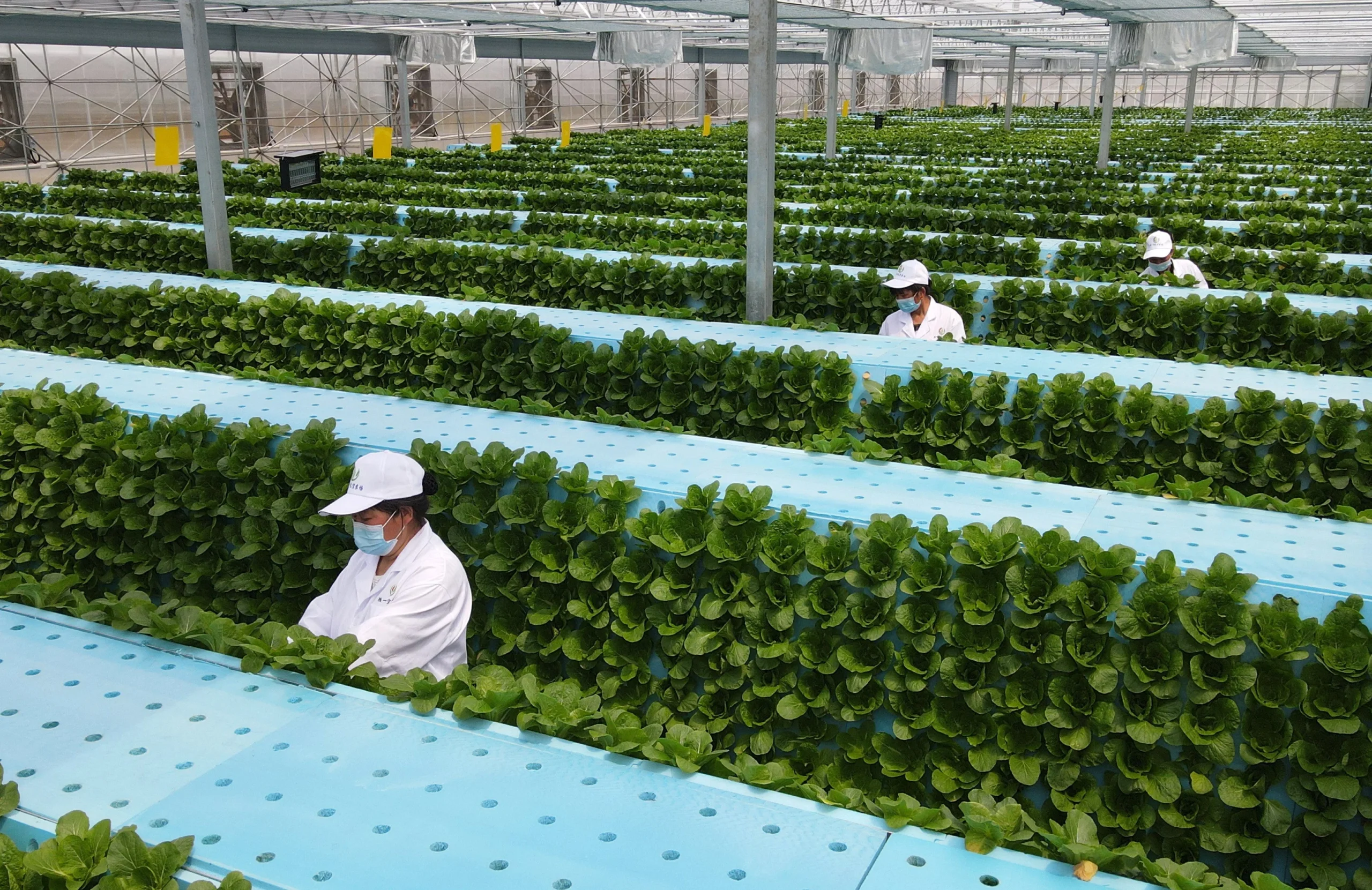
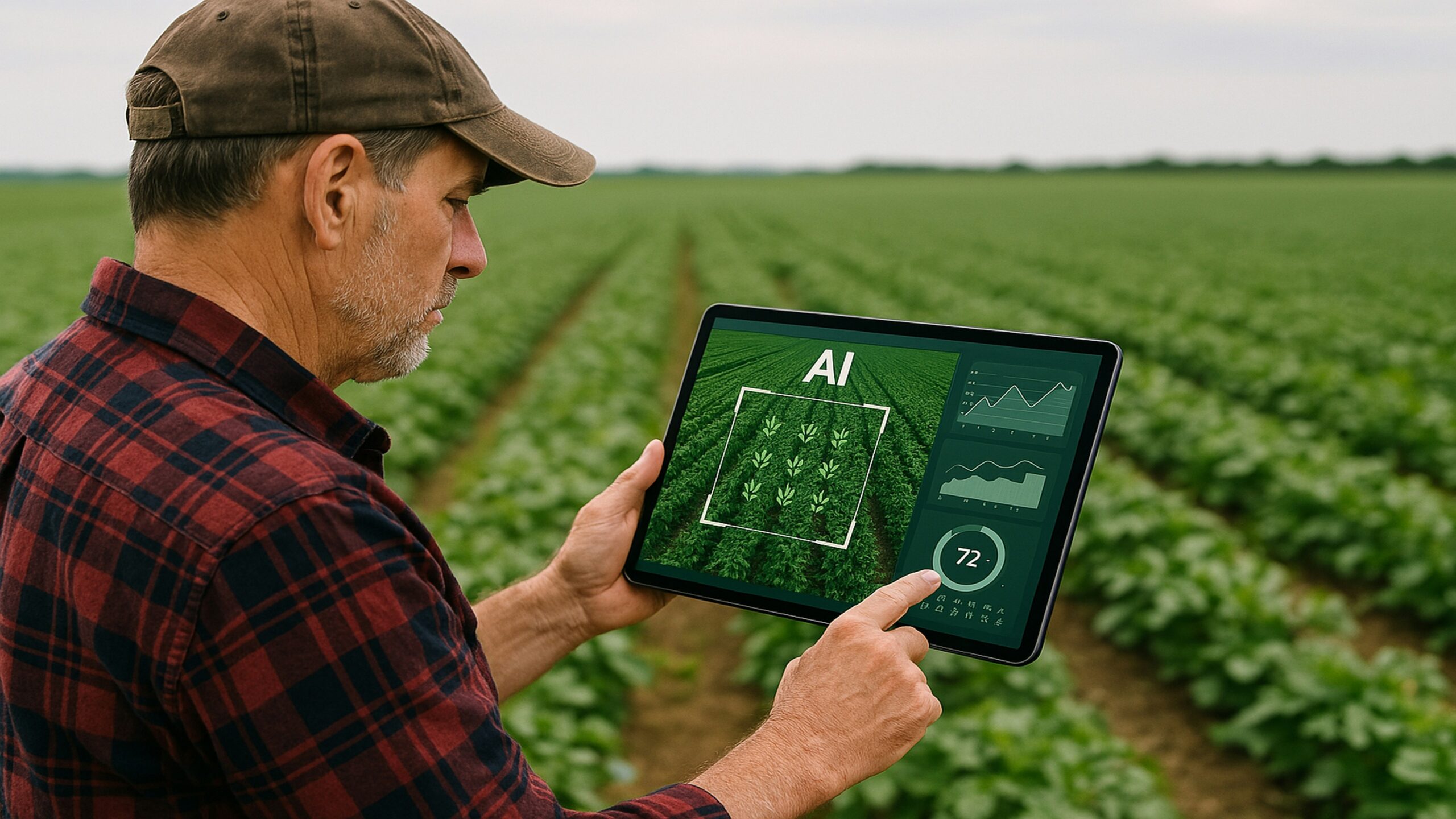
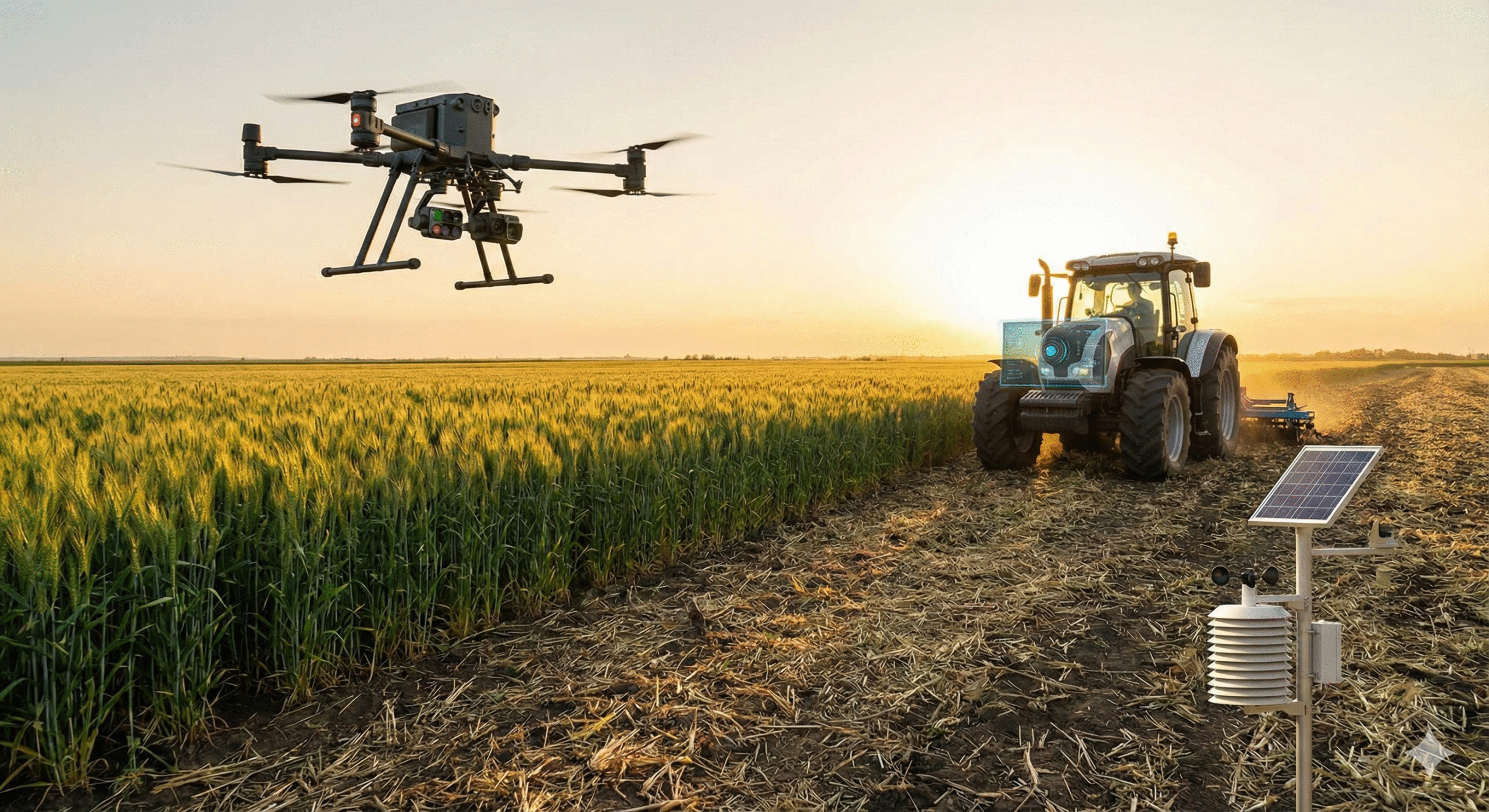
The modernization of Chinese farms is a primary driver of market growth. The "smart agriculture" sector is expanding rapidly as the country addresses labor shortages caused by an aging rural workforce.
The market size for agricultural equipment in China was valued at approximately $24.13 billion in 2024. Analysts project this market will grow at a Compound Annual Growth Rate (CAGR) of over 6%, reaching nearly $41 billion by 2033.
Current Modernization Trends
- Mechanization Rates: The crop cultivation mechanization rate exceeds 73% nationwide.
- Smart Farming: The government’s "14th Five-Year Plan" promotes the use of drones, autonomous tractors, and big data. The smart agriculture segment alone is expected to generate revenue exceeding $3 billion annually by 2033.
Challenges and Future Outlook
Despite strong growth, the sector faces distinct challenges. The available arable land is limited to roughly 11.5% of the country's total land area. Water scarcity in northern growing regions also poses a long-term risk to wheat and corn production.
However, these challenges create opportunities for foreign businesses. There is high demand for water-saving irrigation technology, high-yield seeds, and automated machinery.
Conclusion
The China agriculture business sector offers significant scale and stability. With a record grain output of over 700 million tons and a multi-billion dollar equipment market, the industry continues to modernize rapidly. Businesses that can provide solutions for efficiency and food security will find a receptive market.